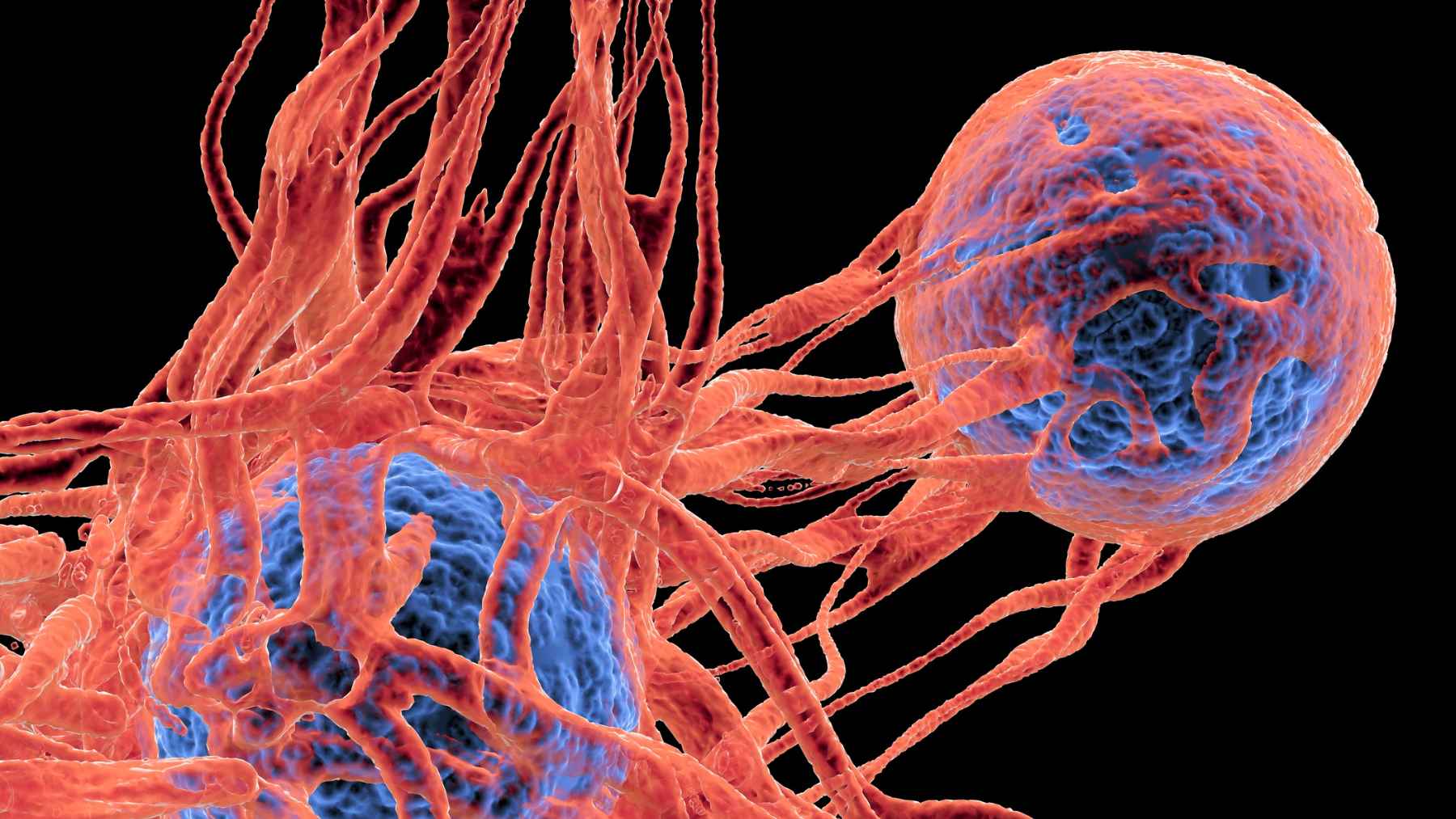
Could frequent gas and a swollen, tight belly mean you are missing a nutrient? When the problem keeps returning, the better question is not simply what food caused it, but whether digestion has fallen out of balance.
Science does not identify one vitamin or mineral deficiency behind every case. The clearest nutritional link is often fiber, especially too little over time or too much added too quickly, while the gut microbiome, constipation, food intolerance, stress, and recent antibiotic use can also shape symptoms.
Fiber is the first clue
Dietary fiber is the part of plant food that the small intestine does not fully digest. Some types become food for bacteria in the colon, where fermentation breaks down carbohydrates and naturally produces gas.
When fiber intake stays low, bowel movements may slow and constipation can follow, leaving more stool and gas in the colon. Adults generally need about 22 to 34 grams of fiber each day, depending on age and sex, according to the National Institute of Diabetes and Digestive and Kidney Diseases.
More is not always better overnight. A sudden jump in beans, lentils, oats, broccoli, chia seeds, or fiber supplements can intensify fermentation, bringing cramps, flatulence, and that overfilled feeling before the gut has time to adjust.
Bloating is not always extra gas
Bloating is the feeling of pressure, fullness, or swelling, while distention means the abdomen has visibly grown larger. That distinction matters because a person can feel painfully full without a dramatic change in waist size.
Sometimes the intestine moves gas poorly or becomes unusually sensitive to normal stretching. That is why two people can eat the same lunch, yet only one spends the afternoon loosening a waistband and wondering what went wrong.
What the microbiome review found
Researchers from the University of Verona, University of Milan, and University of Bologna, led by Salvatore Crucillà, reviewed 12 studies on functional bloating, distention, and gut microbes. Functional bloating means recurring pressure or fullness linked to how the digestive system works, and most of the evidence involved people with irritable bowel syndrome.
The review described dysbiosis as an imbalance in the community of bacteria and other microbes living in the digestive tract. It concluded that “restoring a balanced microbiome appears to be the most promising solution,” but the authors also noted that strong evidence remains limited.
In other words, yesterday’s dinner tells only part of the story. Bowel frequency, stress, antibiotics, lactose or fructose intolerance, celiac disease, and small intestinal bacterial overgrowth may all deserve attention when symptoms keep coming back.
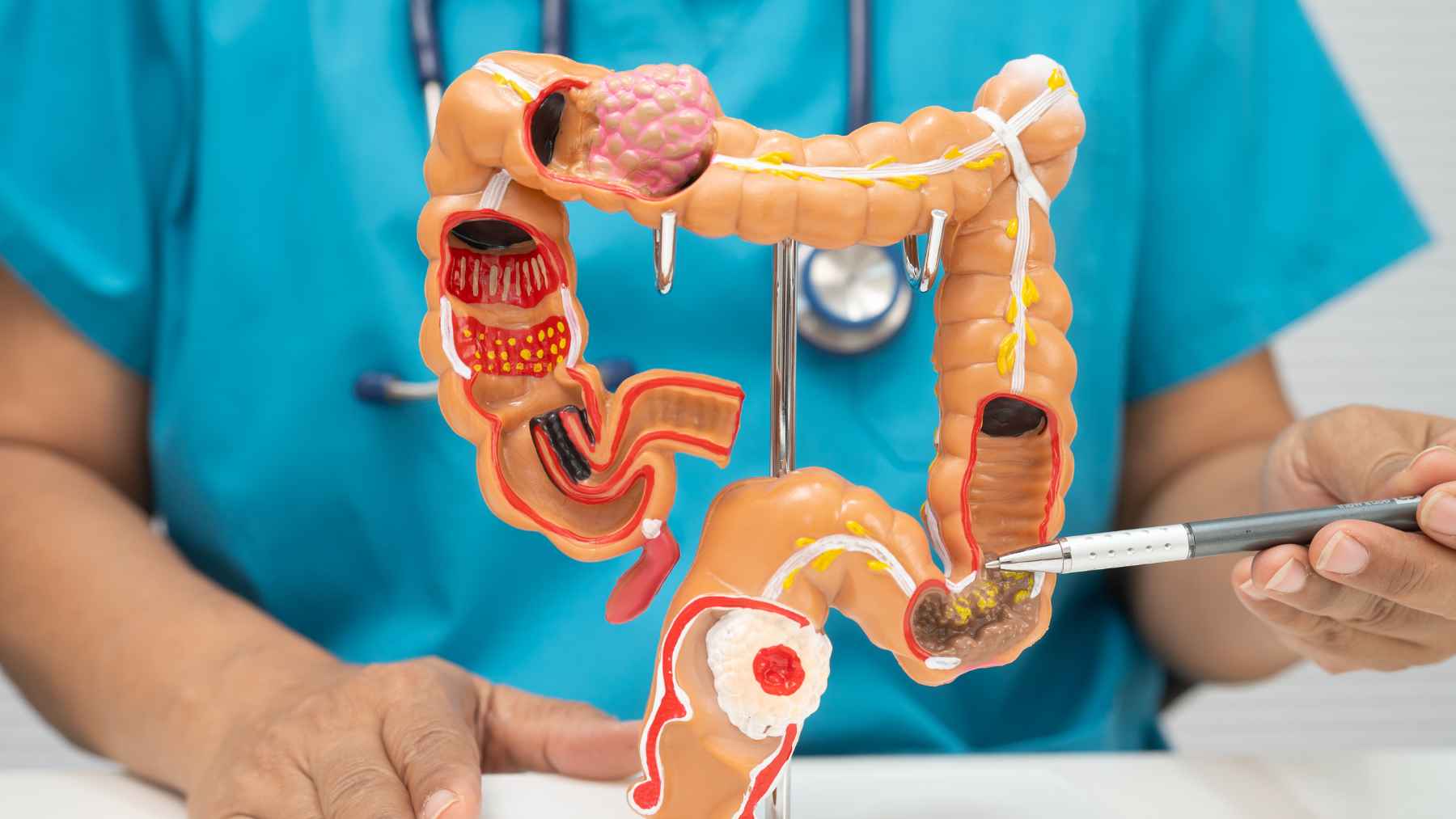
A healthcare professional uses an anatomical model of the digestive system to explain how gut health, fiber, and digestion can contribute to persistent gas and bloating.
Magnesium and zinc need context
Magnesium supports normal nerve and muscle function, so low intake may be considered when constipation is also present, although its connection to bloating is indirect. Bloating by itself is not a reliable sign of magnesium deficiency, and high supplemental doses can cause diarrhea, nausea, and abdominal cramping.
Zinc helps maintain the intestinal barrier and local immune defenses, but the evidence does not make zinc deficiency a routine explanation for everyday gas. Reaching for zinc, magnesium, probiotics, or digestive enzymes without an assessment may obscure the real cause and sometimes create new symptoms.
How to correct the problem gradually
Start with small changes rather than a dramatic elimination diet. Add fiber in stages and drink enough water to help it soften stool, giving the digestive system time to adapt before making another major change.
Foods such as milk, wheat, onions, legumes, certain vegetables, and sweeteners ending in “ol” can trigger symptoms in sensitive people, but that does not make them harmful to everyone. A related review in Frontiers in Nutrition found insufficient evidence to recommend a gluten-free diet for bloating alone and urged professional guidance to reduce the risks of elimination diets.
A doctor may instead recommend targeted testing for lactose or fructose intolerance, celiac disease, or bacterial overgrowth. This approach is less dramatic than emptying the kitchen cupboards, but it is far more likely to identify what is actually happening.
The aim is not to chase a perfectly silent digestive system. Some gas is normal, and the more useful goal is comfortable digestion, regular bowel movements, and a diet broad enough to remain nutritious and realistic.
When bloating needs medical care
Occasional gas after a heavy meal is common. Frequent symptoms deserve medical attention when they disrupt daily life, change suddenly, or arrive with recurring pain, persistent diarrhea, prolonged constipation, unexplained weight loss, blood in the stool, anemia, vomiting, or steady worsening.
A gastroenterologist and dietitian can help separate simple fermentation from constipation, irritable bowel syndrome, intolerance, celiac disease, dysbiosis, or another condition.
Tests may include blood work, stool analysis, imaging, or more specific examinations based on the symptoms. This information does not replace an individual medical assessment.
The main review has been published in Microorganisms.