Can a longer life begin with ordinary choices rather than expensive treatments? Valter Longo, who directs the Longevity Institute at the University of Southern California and coordinates the Longevity and Cancer group at the IFOM Institute of Molecular Oncology in Milan, says his own plan centers on four daily habits.
At 58, when he described the routine in a 2025 profile, he said, “I do everything that I preach” and “I’d like to make it to 120.”
He has studied aging since 1989 and returned to Italy about two decades ago to examine places such as Sardinia, where many residents reach 100. His framework combines food, an overnight break from eating, movement, sleep, and mental well-being.
None can guarantee an extreme lifespan, but together they offer a practical way to protect health over time.
The routine starts with plants
The foundation is what he calls the “longevity diet,” shaped by Mediterranean foods and traditional eating patterns from Okinawa, Japan. A research review describes meals built around vegetables, beans, whole grains, nuts, olive oil, and other minimally processed foods, with fish a few times a week. Fruit is included, but not treated as unlimited.
Red and processed meat are kept out or sharply limited, while white meat, eggs, cheese, and other animal foods are eaten sparingly. This is less a strict menu than a long-term way to plan meals. Think bean soup at lunch, then vegetables, whole grains, and fish at dinner.
Evidence on Mediterranean-style eating has linked it with better blood sugar control and lower cardiovascular risk.
One major review reported about 29% fewer serious cardiovascular events in high-risk adults assigned to Mediterranean diets. That does not prove this exact routine will add decades, but it supports the broader mostly plant-based pattern.
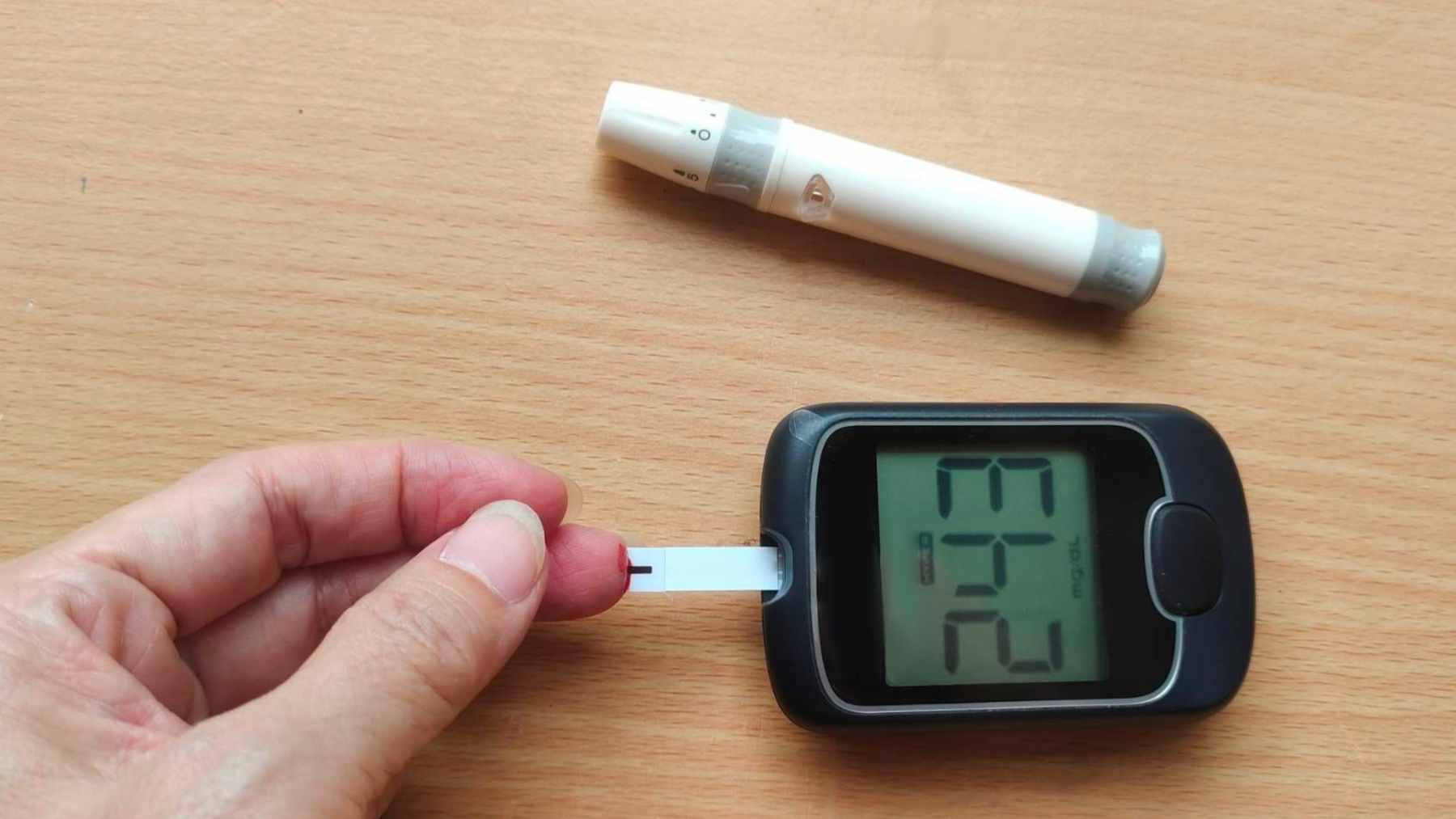
A 12-hour overnight break
The second habit is easy to understand. Finish dinner, then leave roughly 12 hours before breakfast, such as eating between 8 a.m. and 8 p.m. In other words, close the kitchen after dinner instead of grazing late at night.
The more intensive version is a fasting-mimicking diet, a five-day plan low in calories, protein, and carbohydrates while still providing plant foods and healthier fats.
A 2024 clinical-trial analysis associated repeated monthly cycles with lower insulin resistance, less liver fat, and a median biological age estimate about two-and-a-half years lower after three cycles.
Insulin resistance means the body is struggling to respond to the hormone that controls blood sugar, while biological age estimates how old the body appears from health markers.
Promising does not make it suitable for everyone. Fasting can be risky during pregnancy, for people who are underweight or frail, and for some patients taking medication, so professional supervision matters. The study also disclosed that the researcher has an ownership interest in L-Nutra, whose products were used in the trials.
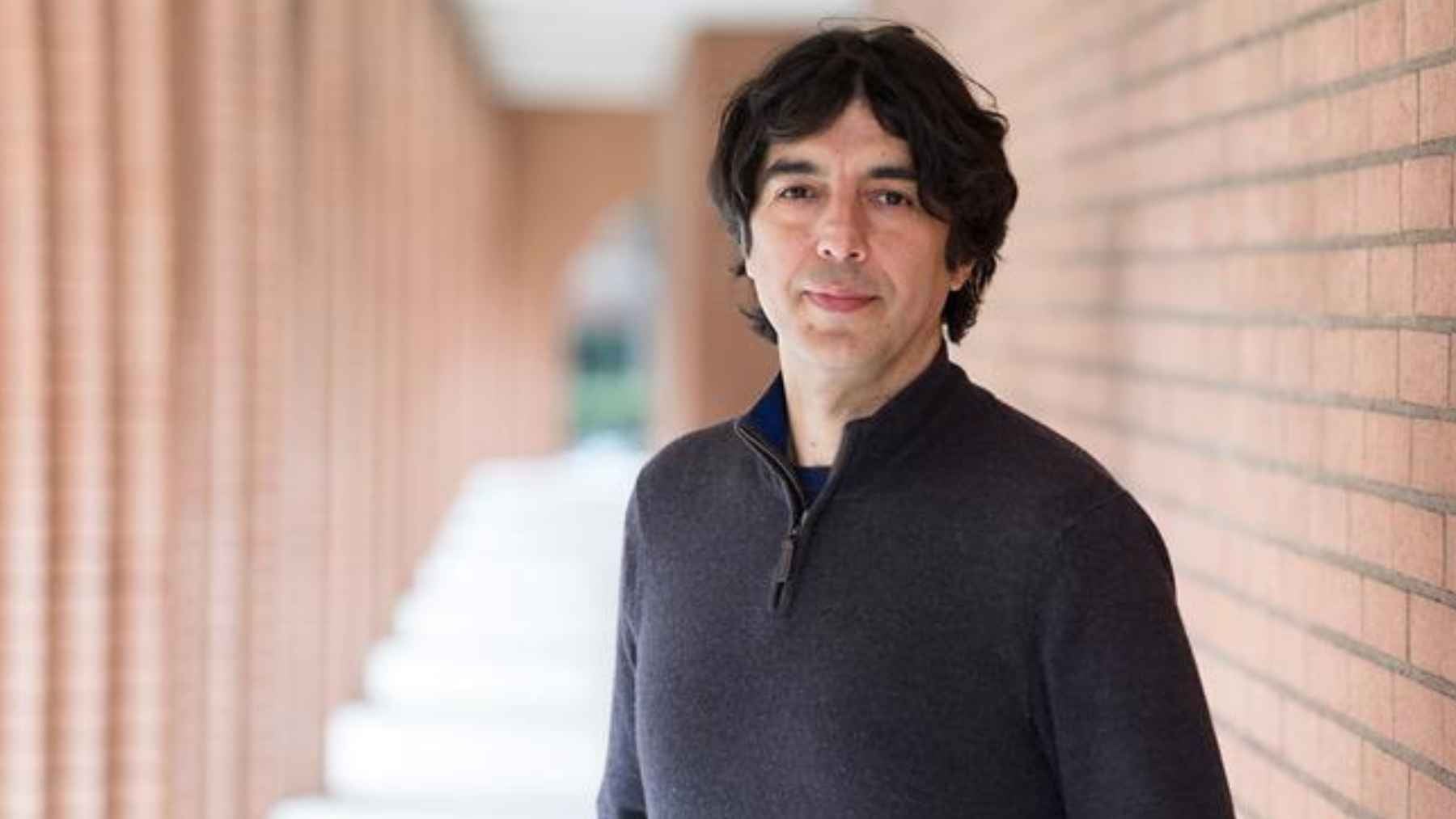
Valter Longo, director of the USC Longevity Institute, says four daily habits, including healthy eating, movement, quality sleep, and overnight fasting, form the foundation of his approach to healthy aging.
Exercise is not the whole movement plan
The third habit begins with at least 150 minutes of physical activity each week. Some sessions should feel challenging, whether that means running, brisk uphill walking, cycling, or another activity that raises breathing and heart rate. Federal physical activity guidance supports at least that amount for substantial health benefits.
Workouts are only part of the picture, though. He also recommends about an hour of walking a day, taking stairs, and choosing active errands when possible. “If you’re going to the store and it’s close, walk,” he said.
That nearby walk may seem small. Still, it replaces sitting, a short car trip, the parking hunt, and some exhaust while adding movement almost without notice. The larger lesson is to make activity part of the day, not a task reserved for the gym.
Sleep and mental well-being count, too
The fourth habit is protecting sleep. The Centers for Disease Control and Prevention says adults generally need at least seven hours a night and recommends a consistent schedule, fewer electronics before bed, and a quiet, cool room. That familiar late-night phone scroll can quietly steal needed rest.
Mental well-being also belongs in the longevity conversation. Strong relationships, emotional balance, and a sense of purpose are harder to count than workout minutes, but large studies have linked social connection with better survival. They are not substitutes for medical care, yet they can make healthy routines easier to sustain.
Why basic habits come before biohacking
Longevity clinics now market peptide protocols, NAD infusions, and other high-tech interventions. Peptides are small protein-like molecules that can carry signals in the body, while NAD helps cells process energy.
A 2025 review found that human benefits from NAD-targeted treatments remain limited, while the Food and Drug Administration has received reports of severe chills, shaking, vomiting, and fatigue after some compounded injectable products.
Some peptide drugs are approved for specific illnesses, but many wellness and anti-aging protocols remain experimental. That does not mean every new therapy is useless or unsafe; it means the evidence, product quality, and the patient all matter.
No habits can promise 120. Genetics, income, environment, and medical care also shape how long and how well a person lives. Still, eating well, moving often, sleeping enough, and staying connected remain lower-cost steps that many people can begin without a private clinic.
The original profile was published by CNBC Make It, and the main 2024 fasting-mimicking diet study was published in Nature Communications.