Bamboo is usually pictured in a panda’s paws or rising behind a garden fence. However, the tender shoots of this fast-growing grass have fed families across Asia for generations.
Now, a systematic review suggests properly prepared bamboo shoots may support blood sugar control, bowel function, healthier blood fats, and beneficial gut bacteria. There is one important warning, though: fresh shoots should not be eaten raw because some species can release cyanide.
What bamboo shoots really are
Bamboo shoots are the young growth that emerges from the plant’s underground stem system before hardening into tall canes. Their pale, layered flesh has a mild taste and a crisp bite, which makes it easy to pair with stronger flavors such as ginger, garlic, and soy sauce.
Bamboo is also famous for speed. Certain species can grow about 35 inches in a single day, a pace that helps explain why researchers see it as a potentially useful and renewable food crop. Still, fast growth does not automatically make a food healthy.
What the review found
The researchers examined 16 published studies on eating bamboo or using bamboo extracts in human cells and food processing. A systematic review gathers existing research and judges it together, rather than treating one experiment as the final word.
Only four of the included studies involved human participants, so the evidence remains limited.
The international team included first author Damiano Pizzol and senior author Lee Smith of Anglia Ruskin University, who said, “Bamboo is already commonly eaten in parts of Asia and it has huge potential to be a healthy, sustainable addition to diets worldwide.”
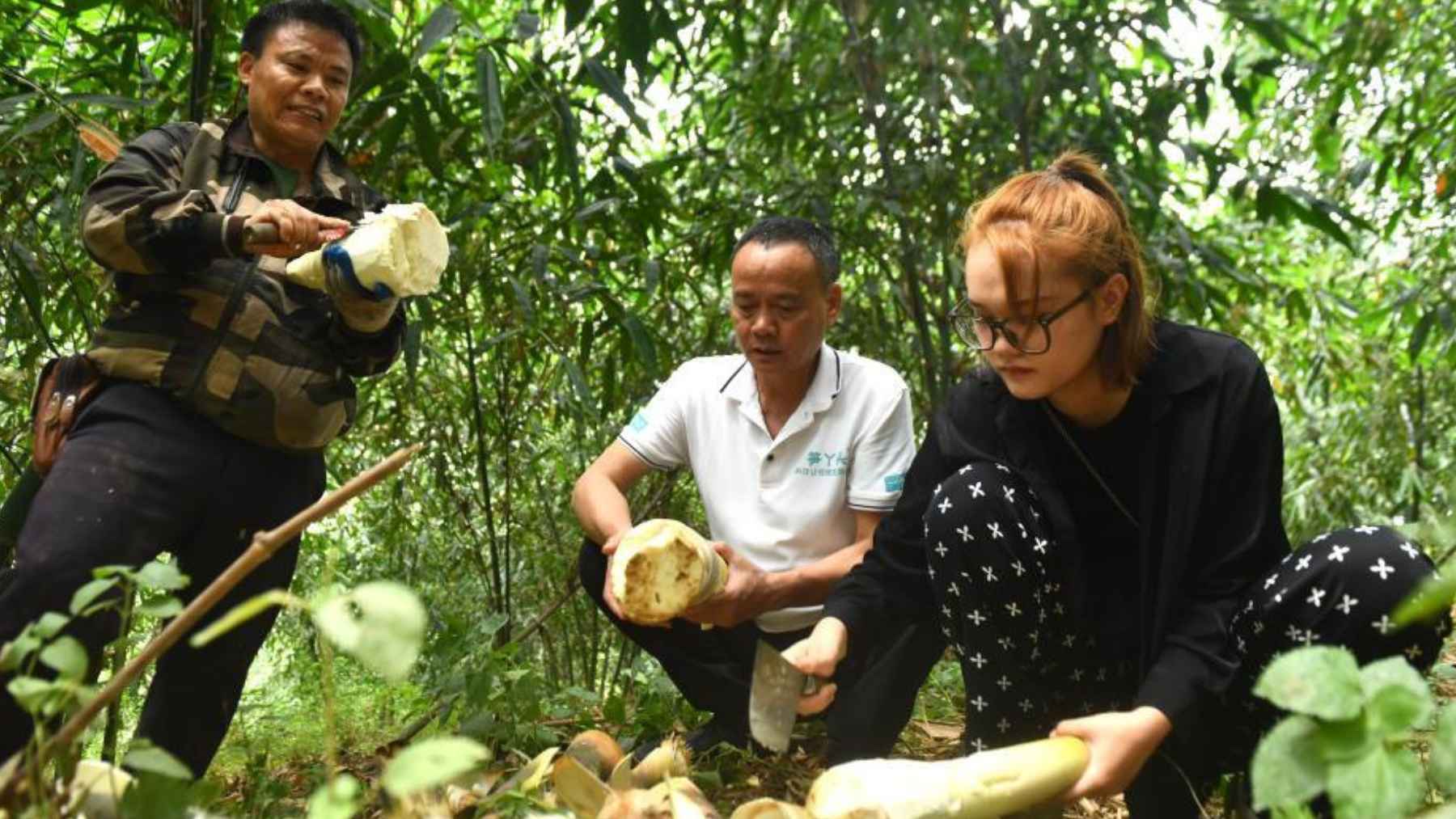
Workers harvest fresh bamboo shoots in a bamboo grove. The young shoots are widely eaten across Asia and may support gut health and healthy blood sugar when properly cooked.
Fiber does much of the work
Bamboo shoots are low in fat and contain protein, amino acids, potassium, selenium, and several vitamins. They also provide different forms of dietary fiber, the plant material the body does not fully digest.
That fiber can act a little like a broom, adding bulk and helping waste move through the intestines. Human studies in the review reported better bowel function, while laboratory work suggested bamboo extracts may encourage beneficial bacteria that live in the gut.
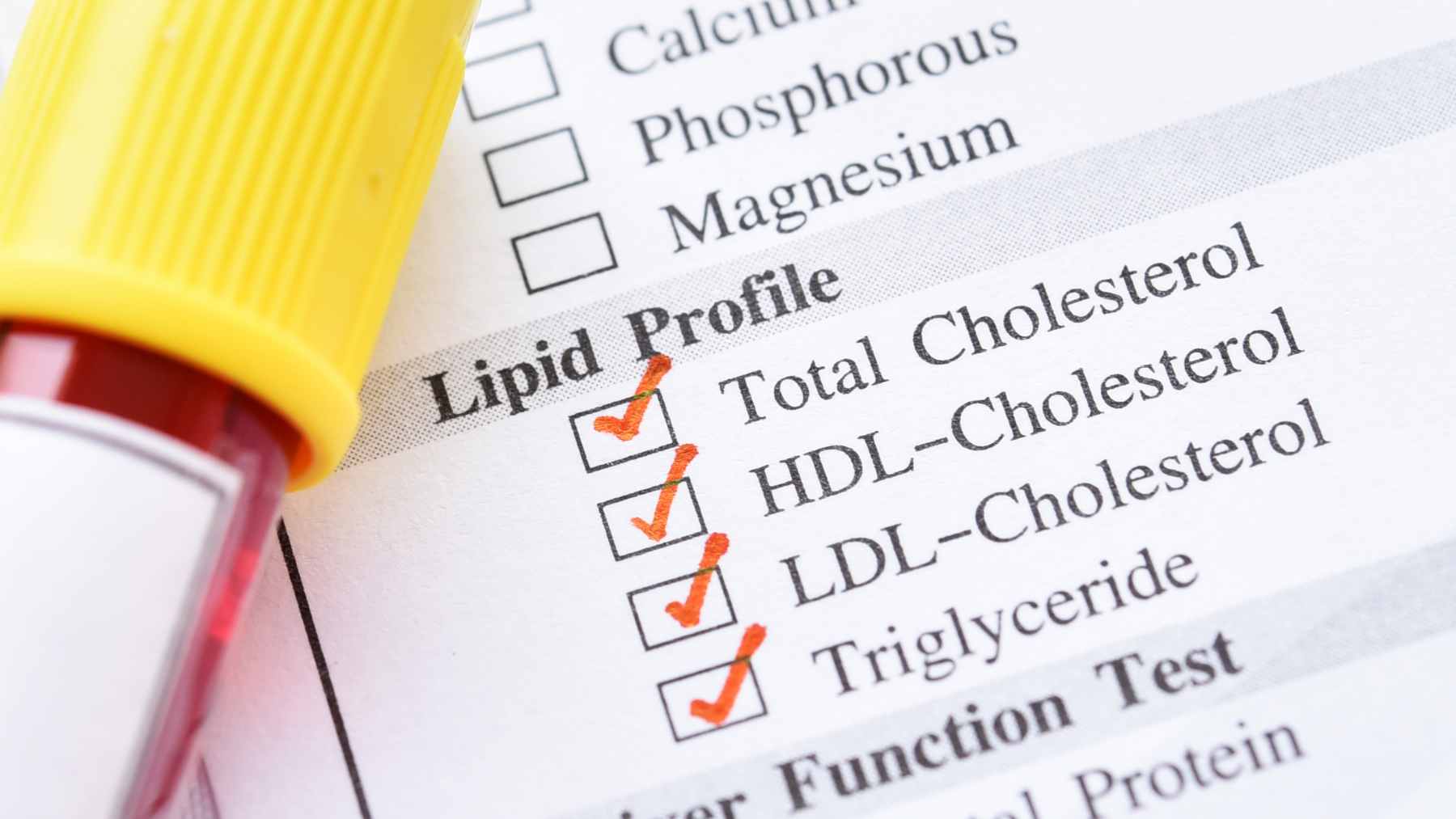
The review also found reports of improved blood sugar control and a healthier lipid profile, meaning better levels of fats in the blood. Those results could matter for diabetes and heart health, but they should not be read as proof that bamboo treats either condition.
Promising, not proven
This is where the story needs some restraint. Sixteen studies may sound substantial, but most were not large clinical trials, and each claimed benefit rests on a fairly small evidence base.
Laboratory studies also found antioxidant and anti-inflammatory activity. Other experiments suggested bamboo compounds could reduce the formation of acrylamide and furan, two unwanted chemicals that can appear when certain foods are cooked at high heat.
Interesting? Yes. A reason to call bamboo a miracle food? Not yet. The researchers said better human trials are needed before firm dietary recommendations can be made.
Raw shoots carry a real risk
Fresh bamboo shoots can contain cyanogenic glycosides, natural plant chemicals that may release hydrogen cyanide when the food is raw or poorly prepared. Hydrogen cyanide is toxic, which is why traditional cooking methods matter here.
The review also flagged possible effects on thyroid hormone production and an association with goiter, an enlarged thyroid gland. That finding came from limited evidence and does not prove bamboo alone caused the condition, but it adds another reason to prepare the shoots correctly.
Food safety guidance recommends peeling fresh shoots, trimming the tough base, slicing them thinly, and boiling them in lightly salted water for eight to ten minutes. Discard the water afterward. Do not simply taste a raw slice while cooking.
The easiest way to try them
Canned bamboo shoots are the simplest option for most shoppers. Commercial processing reduces hydrogen cyanide to safe levels, though it is still smart to drain and rinse the shoots and follow the package directions.
Their mild flavor works well in stir-fries, noodle bowls, rice dishes, soups, and curries. Add them with vegetables, chicken, shrimp, or tofu, then use ginger, garlic, soy sauce, or a light sweet-and-sour sauce for flavor.
The result is practical rather than exotic. A can in the pantry can add crunch to a weeknight meal without changing the whole recipe.
Food first, not medicine
Bamboo shoots may become more common outside Asia as shoppers look for high-fiber foods and producers explore fast-growing crops. For the most part, the review supports cautious interest, not sweeping promises.
Anyone managing diabetes, high cholesterol, or thyroid disease should treat bamboo as food rather than a replacement for medical care. Properly prepared, it can be one more useful ingredient in a varied diet. Raw, it is a risk that is easy to avoid.
The official study was published in November 2025 in Advances in Bamboo Science.