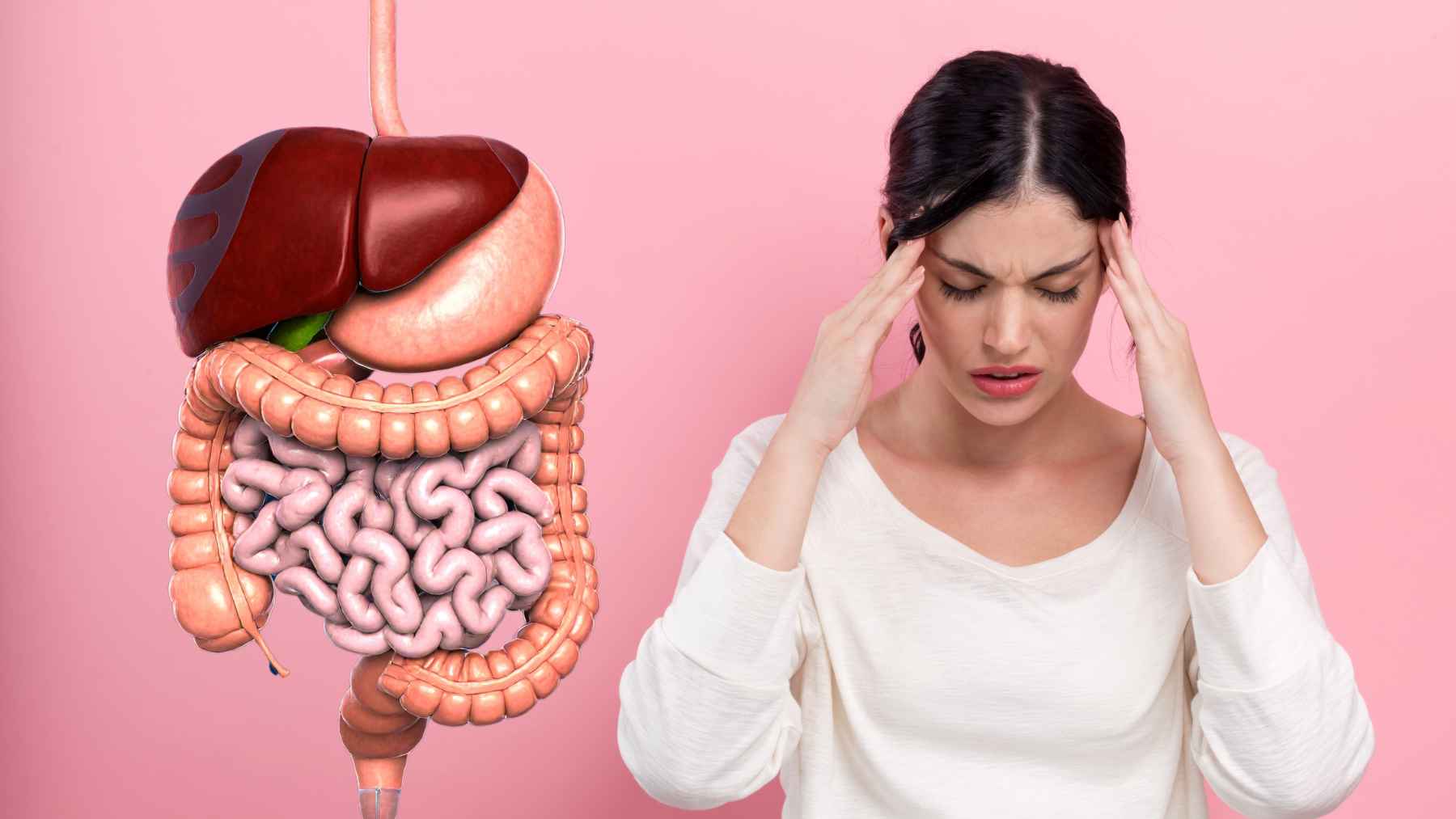
Why does a stressful morning sometimes hit the stomach before the mind catches up? The answer lies partly in the gut-brain axis, a two-way communication network linking the digestive tract, its microbes, and the brain. It helps explain familiar experiences such as butterflies before an exam or nausea during a tense conversation.
Dr. Mireia Illueca, a neurosurgeon at Monarka Clinic, says this constant exchange means daily habits can support both digestive and emotional health. “Through what we eat, our digestion, and what happens in our gut, we can influence our mood and optimize how our brain functions,” she says.
Research supports the connection, but it does not show that food alone can prevent or cure depression.
Why the gut is called a second brain
The nickname comes from the enteric nervous system, a dense web of nerve cells built into the walls of the digestive tract.
The National Institute of Diabetes and Digestive and Kidney Diseases says it contains more than 300 million neurons and can organize complex digestive work without waiting for step-by-step instructions from the brain. It cannot think, remember, or make decisions like the brain in your skull.
Still, the two systems are always talking. Messages travel through the vagus nerve, hormones, immune signals, and chemicals made or modified by gut microbes. Think of it as a busy group chat between organs, not a spare mind tucked behind the stomach.
Serotonin needs a closer look
Illueca points to serotonin, often called the “happiness chemical,” as one reason the gut matters. A 2015 study led by Jessica Yano at the California Institute of Technology showed that certain gut bacteria can stimulate serotonin production in the colon. Most of the body’s serotonin is made in the digestive system, largely by specialized lining cells called enterochromaffin cells.
Here is the catch: serotonin made in the gut does not simply travel into the brain, because it cannot cross the blood-brain barrier, the protective filter around brain tissue. The gut may influence mood indirectly through nerve traffic, immune activity, microbial byproducts, and tryptophan, an amino acid the brain uses to make its own serotonin.

Digestive discomfort can be influenced by the gut-brain axis, a two-way communication system linking the digestive tract, gut microbes, and the brain.
Studies link microbes and depression
Human research has found meaningful patterns, but not a single “depression microbiome.” Djawad Radjabzadeh and colleagues at Erasmus University Medical Center analyzed 1,054 people and checked the results in another 1,539.
They identified 13 bacterial groups associated with depressive symptoms, while also noting that such links do not prove the microbes caused those symptoms.
That distinction matters because depression is shaped by many interacting factors. Biology, stressful events, sleep, physical illness, medications, relationships, and living conditions can all enter the picture. Gut bacteria may be part of that puzzle, but an altered stool sample cannot explain why a person feels low.
Food can support the system
A poorly balanced diet may crowd out the nutrients and fiber that support the nervous system and gut microbes, but the idea that one fast-food meal directly drains serotonin and causes depression is too simple. In practical terms, long-term eating patterns matter more than a single lunch grabbed on a busy day.
A randomized trial led by Felice Jacka at Deakin University followed 67 adults with moderate to severe depression for 12 weeks.
People receiving dietary counseling improved more than those receiving a social-support comparison, although most participants were also using psychotherapy, medication, or both. Food was an added tool, not a replacement for treatment.
For everyday meals, the useful targets are less glamorous than a supplement ad. Vegetables, fruit, beans, whole grains, nuts, fish, and other minimally processed foods provide fiber, fats, vitamins, and minerals used across the gut-brain system. Current evidence does not support treating depression with a single probiotic or so-called serotonin food.
Exercise joins the conversation
Exercise may influence the gut as well as the brain. Jacob Allen and researchers at the University of Illinois Urbana-Champaign put 32 previously sedentary adults through six weeks of supervised endurance training three days a week. Gut bacteria and their metabolic output changed, but many shifts faded after participants returned to inactivity.
That does not prove the microbiome caused the emotional benefits of movement.
Exercise also affects sleep, stress regulation, blood flow, and daily routine, and a walk after dinner may be easier to sustain than a dramatic overhaul. The broader evidence supports regular physical activity for mental health, even while the gut pathway is still being worked out.
What this means for mental health
At the end of the day, the “second brain” is a useful metaphor, not a second center of thought. Diet, movement, sleep, and stress management can support the system to a large extent, but experts are still mapping which gut changes matter, for whom, and over what period. That uncertainty is part of the story.
Persistent sadness, loss of interest, major sleep or appetite changes, and thoughts of self-harm deserve professional attention. The National Institute of Mental Health says appropriate care may include psychotherapy, medication, or both, with lifestyle habits used alongside treatment.
Caring for the gut can be one part of the plan. It should not carry the whole burden.