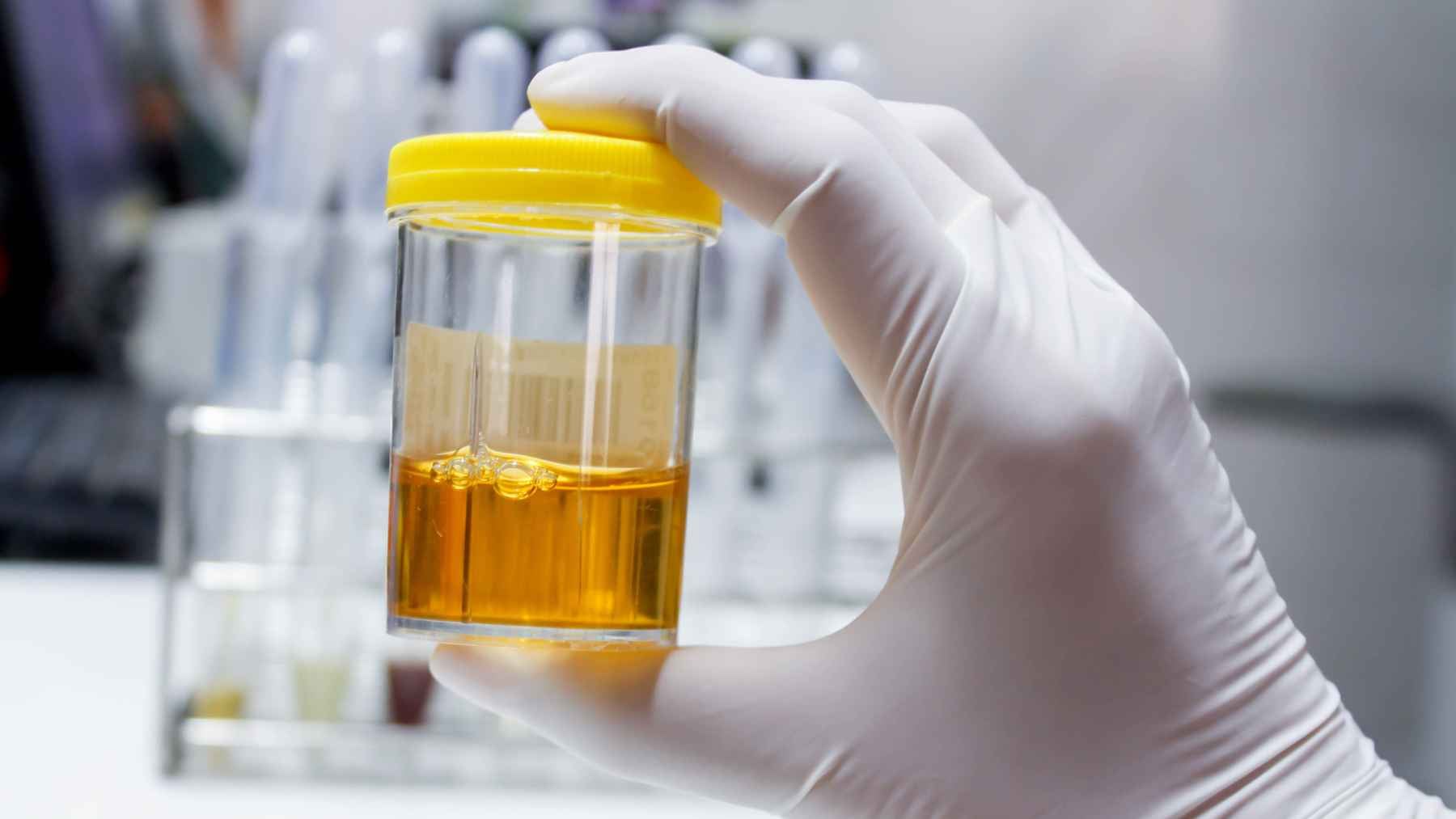
Have you ever looked into the toilet and wondered why your urine suddenly looks golden yellow, almost like strong lemonade? Most of the time, that color is not a warning siren. It is your body giving you a quick update on hydration, diet, and what you consumed earlier in the day.
The main point is simple. Golden yellow urine usually means your urine is more concentrated than usual, often after sleep, exercise, summer heat, or a long stretch without drinking. But when the color turns dark brown, deep orange, cloudy, bloody, or foamy, the clue becomes more important.
Why urine turns yellow
Urine is liquid waste made by the kidneys after they filter the blood. Its yellow color comes mainly from a pigment called urochrome, also known as urobilin. In simple terms, this pigment is part of the normal cleanup process that happens when the body breaks down old blood components.
Think of it like iced tea in a glass. Add more water, and the color gets lighter, use less water, and the same amount of pigment looks much stronger. That is why urine can range from almost clear to pale yellow, golden yellow, or amber.
Golden yellow often means concentration
A golden yellow or honey-colored shade often appears when there is less water available to dilute that pigment. This is common first thing in the morning, because you have gone several hours without drinking while your kidneys kept working through the night.
The same thing can happen after a workout, a long walk, a hot day, or a busy afternoon when the water bottle sits untouched. Basically, this is your body saying, “Drink some water.” If the color moves back toward pale yellow over the next few bathroom trips, that is usually reassuring.
Vitamins can make it bright
Sometimes the color is not just golden, it looks almost neon. That can happen after taking a multivitamin or a B-complex supplement, especially because riboflavin, also called vitamin B2, is naturally yellow and fluorescent.
Federal nutrition guidance says the body stores only small amounts of riboflavin, and extra amounts can leave through urine. So if the bright yellow color shows up a few hours after a supplement, the explanation may be sitting right there in the medicine cabinet.
Foods can play a role, too. Medical encyclopedia guidance lists B-complex vitamins and carotene as possible causes of dark yellow or orange urine. Carotene is found in orange foods such as carrots, and in large amounts it can deepen the color for a short time.
Your hydration gauge
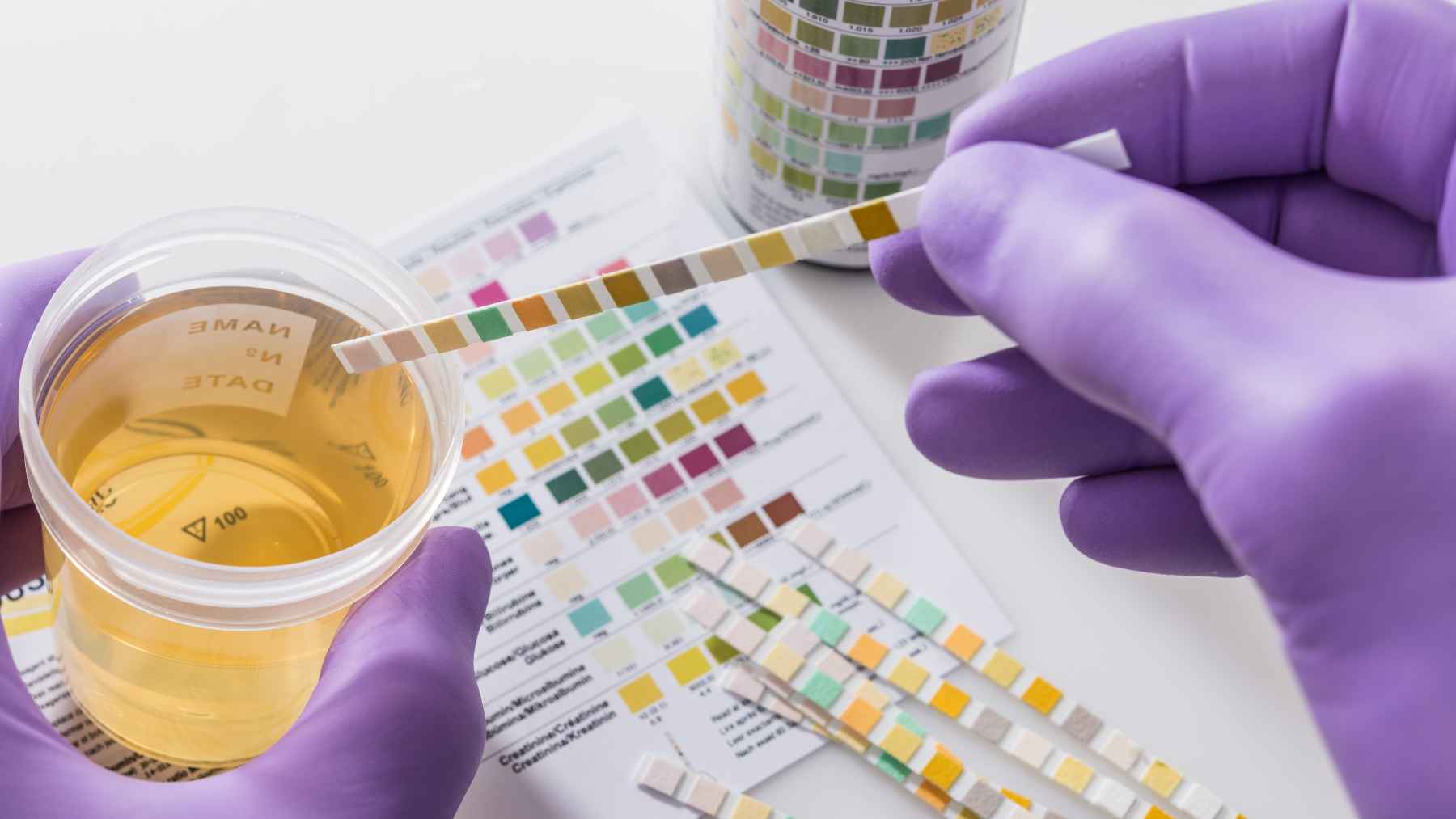
Urine color is not a perfect medical test, but it is a useful everyday gauge. Pale yellow usually suggests you are taking in enough fluid, while darker yellow with a smaller amount of urine often points toward mild dehydration.
There is no single water rule that fits everyone. A teenager at soccer practice, a nurse on a long shift, and an office worker sitting in air conditioning may all need different amounts. Weather, sweat, activity level, fever, and medications can all change the picture.
What should you do? Watch the pattern, not one isolated bathroom trip. If the urine lightens after regular drinking and you feel well, the kidneys are likely responding normally–simple, but helpful.
When color needs attention
Color is only one part of the story. Cloudy urine, a strong or unusual smell, burning during urination, frequent urges, or lower belly discomfort can point to a urinary tract infection.
Federal kidney and urinary health guidance says bladder infection symptoms can include burning, urgency, pain, and cloudy, bloody, or strong-smelling urine.
Foam deserves a closer look as well. A few bubbles after a strong stream may be nothing more than toilet water being stirred up. But persistent foamy or fizzy urine can sometimes be linked with excess protein or a kidney problem, which is why it should not be ignored if it keeps happening.
Dark brown urine, especially if it looks like tea or brown ale, is different from ordinary golden yellow. Medical guidance notes that clear dark brown urine can be linked to liver disorders, severe dehydration, or muscle breakdown. That does not mean panic, it means pay attention.
When to call a doctor
A good first step, when there are no other symptoms, is to drink water and check what happens over the next few hours. If the color quickly returns to light yellow, the issue was probably concentration or something you consumed.
Contact a health care professional if an unusual color cannot be explained and does not go away, or if you see blood even once. Also seek care for dark brown urine, pain while urinating, fever, persistent foam, very small amounts of urine, or cloudy urine with a strong smell.
At the end of the day, golden yellow urine is usually a small signal, not a diagnosis. It can nudge you to drink more, rethink supplements, or notice patterns your body is already showing you.
The main scientific study on the pigment pathway behind yellow urine was published in Nature Microbiology.