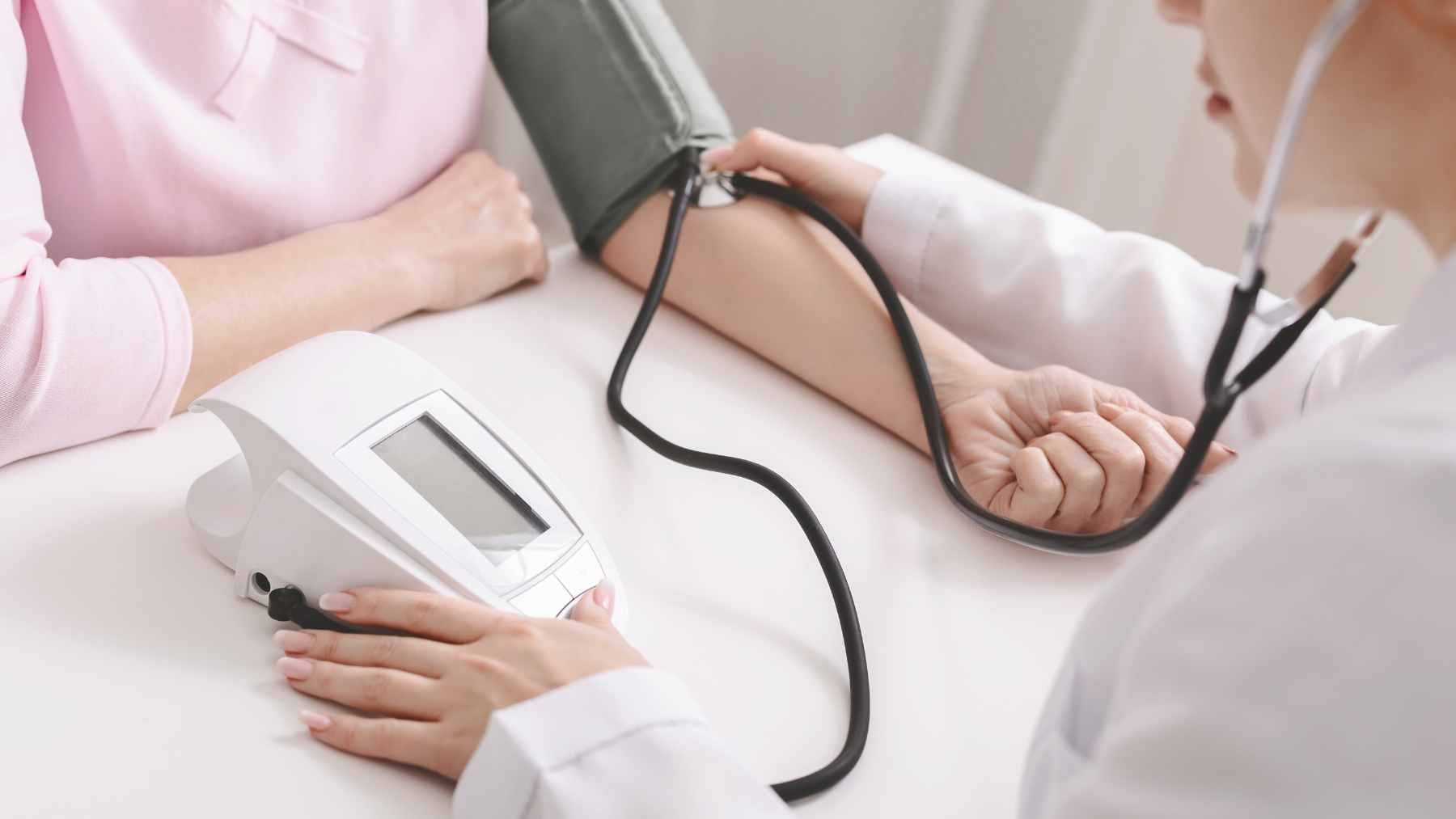
Have you ever had your blood pressure checked and nodded along without really knowing what the numbers meant? That quick cuff squeeze can tell a story about the heart, arteries, kidneys, and future risk of a heart attack or stroke.
For most adults, the number experts still want to see is below 120/80 mmHg, whether someone is 25, 45, or 75. The details change for children and for frail older adults, but the main idea is simple: the lower, healthy range gives the body more breathing room over a lifetime.
Why 120/80 matters
Blood pressure measures how strongly blood pushes against artery walls. The top number, called systolic pressure, shows the force when the heart beats, while the bottom number, diastolic pressure, shows the force between beats.
The unit ‘mmHg’ means millimeters of mercury, a standard way to measure pressure.
The American Heart Association classifies adult blood pressure below 120/80 as normal. Readings from 120 to 129 over less than 80 are elevated, 130/80 to 139/89 is stage-1 hypertension, and 140/90 or higher is stage-2 hypertension.
Why does that matter? Because high pressure is not usually loud or dramatic. For the most part, it works quietly, putting extra strain on blood vessels the way steady pressure can wear down a garden hose.
Children are different
Kids are not just small adults when it comes to blood pressure. Baylor College of Medicine lists normal blood pressure for children 13 and older as below 120/80, while younger children are judged by age, sex, and height percentiles.
That can make pediatric numbers confusing for parents. Still, the issue is not rare. The Centers for Disease Control and Prevention estimated that 781,000 U.S. children ages 12 to 17 have high blood pressure, based on American Academy of Pediatrics guidelines.
In practical terms, a single unusual reading does not tell the whole story. A child may be nervous, the cuff may be the wrong size, or the reading may need to be repeated. That is why doctors look at the whole picture.
Age changes the risk
In young adults, high blood pressure can be a warning light that turns on much earlier than expected.
The 2025 U.S. guideline issued with the American College of Cardiology recommends medication for all adults whose average pressure is 140/90 or higher, and for selected adults at 130/80 or higher when heart disease, diabetes, kidney disease, prior stroke, or elevated long-term risk is present.
There is another important twist. The 2024 European Society of Cardiology guidance recommends screening for secondary hypertension in adults diagnosed before age 40, except in some cases where sleep apnea should be checked first.
Secondary hypertension means high pressure caused by another condition, such as kidney or hormone problems, that may be treatable.
Older adults bring a different concern. A healthy 70-year-old may do well with tighter control, but frail patients can face dizziness, falls, kidney injury, or medication side effects if treatment is pushed too hard. One number does not fit every body.
How to check it right
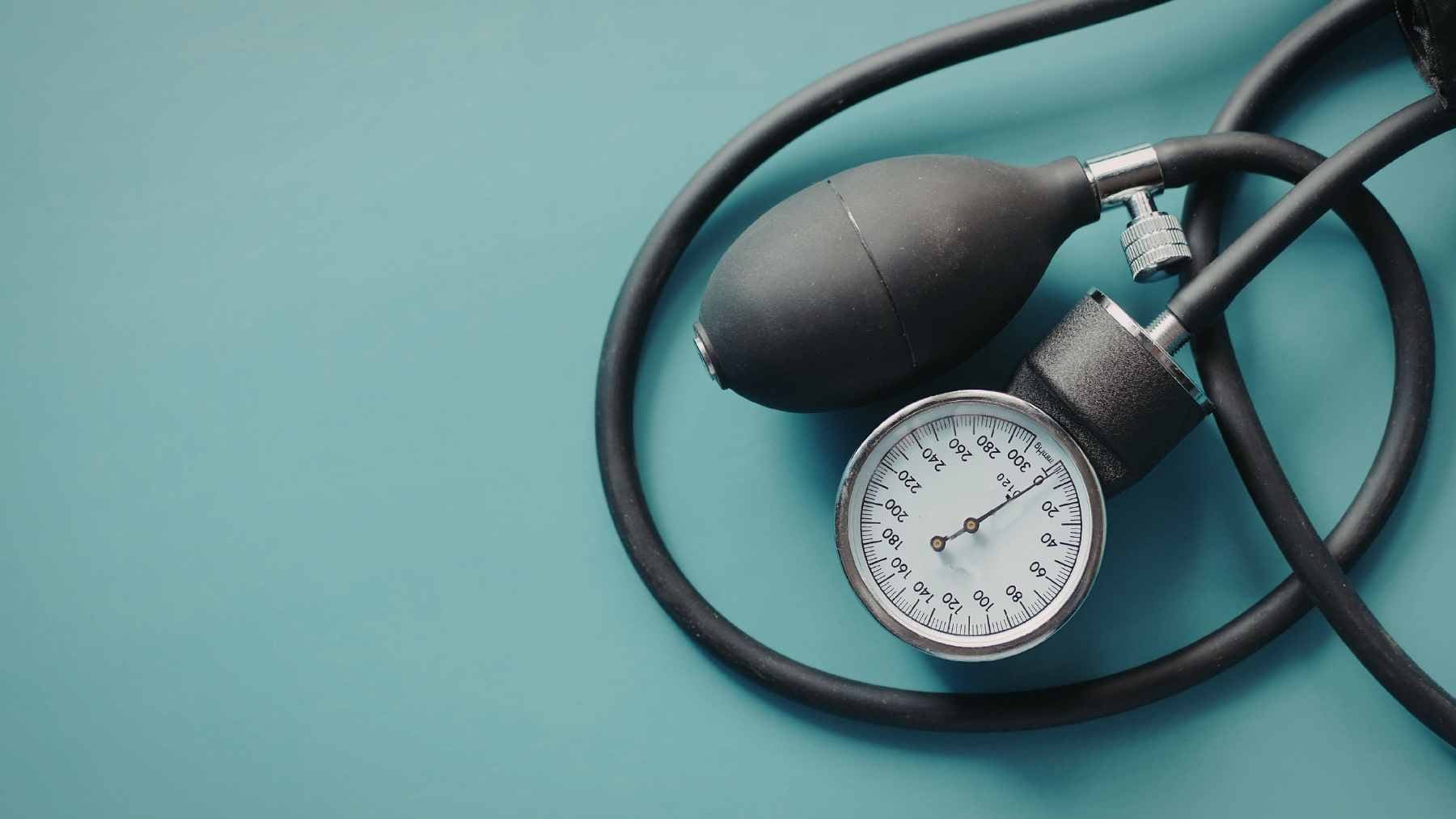
Checking blood pressure at home can help, but only if the reading is taken carefully. Current guidance recommends avoiding caffeine, smoking, and exercise for 30 minutes beforehand, sitting quietly for at least five minutes, using the cuff on bare skin, and keeping the arm supported at heart level.
Small details matter. Talking, crossing your legs, measuring over clothing, or using a cuff that does not fit can push the number in the wrong direction. That can turn an ordinary check into needless worry, or hide a real problem.
If readings are only slightly elevated, doctors usually start with the basics. Less salt, more movement, healthy weight loss when needed, and quitting tobacco can make a real difference. Nothing drastic, just steady work.
Blood pressure over a lifetime
So, what is the ideal pressure for each age? For adults and teens 13 and older, below 120/80 remains the clearest healthy target. For younger children, the answer depends on their age, sex, and height.
At the end of the day, blood pressure is not just a number on a screen. It is an early clue, one that can help prevent heart attacks, strokes, kidney disease, and years of treatment later on.
What new research adds
A recent simulation study led by Karen Smith, from Brigham and Women’s Hospital, compared different systolic blood pressure targets. It used data from the Systolic Blood Pressure Intervention Trial, the National Health and Nutrition Examination Survey, and other published work to estimate lifetime outcomes.
The model found that aiming below 120 for the top number prevented more heart attacks, strokes, and heart failure events than less strict goals. But there was a trade-off, including more treatment-related problems and higher health care spending.
Smith cautioned that intensive treatment is “not optimal for all patients.”
The main study has been published in Annals of Internal Medicine, and the official press release was issued by Mass General Brigham.