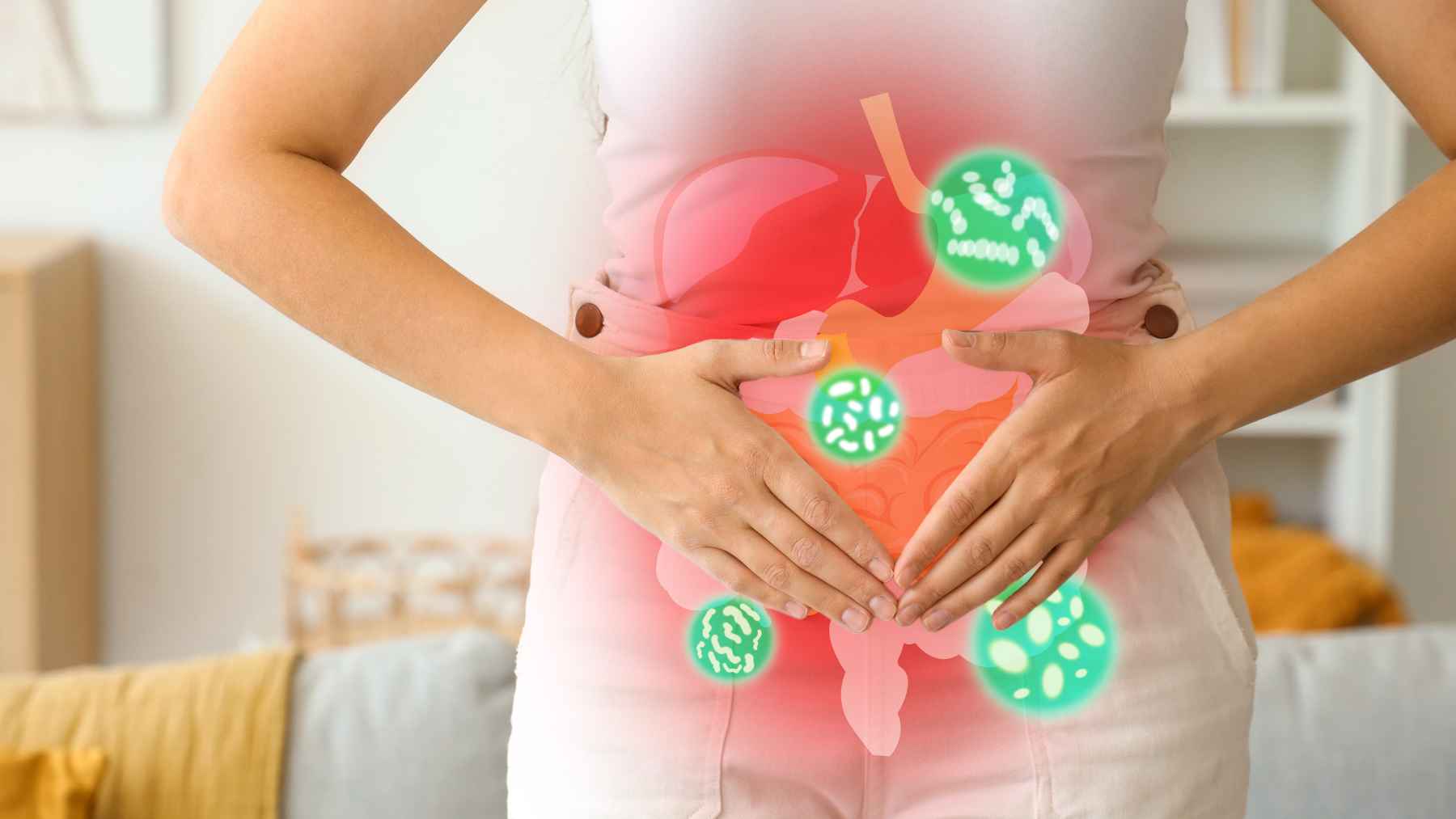
Fruit already has a strong reputation as an everyday health food. Now dietitians are pointing to another reason to keep apples, bananas, berries, and citrus in the kitchen. Some fruits contain prebiotics, the fibers and plant compounds that help feed useful bacteria in the gut.
Why does that matter? A healthier mix of gut microbes is tied to digestion, nutrient absorption, immune function, and, to some extent, mood regulation. That does not make fruit a cure-all, but it does make a simple grocery store habit look a little more powerful.
What prebiotics do
Prebiotics are not the same as probiotics. Probiotics are living microbes, while prebiotics are the food those microbes use. The International Scientific Association for Probiotics and Prebiotics defines a prebiotic as a substance used by host microorganisms that provides a health benefit.
Samantha Cassetty, a registered dietitian in New York, has described prebiotics as a kind of “fertilizer” for good gut bacteria. Vanessa Rissetto, another registered dietitian, has also explained that prebiotics help probiotics do their job.
Most Americans still need more fiber overall, so the prebiotic conversation starts with a basic point. Supplements and trendy drinks may help some people, but whole fruit brings water, vitamins, minerals, and plant compounds along for the ride.
Why fruit counts
When scientists ranked foods for prebiotic content, the American Society for Nutrition reported that dandelion greens, Jerusalem artichokes, garlic, leeks, and onions came out on top–not exactly the first things many people grab for a snack.
That’s where fruit becomes useful. Some fruits offer classic prebiotic fibers, such as pectin or resistant starch. Others bring polyphenols, which are plant compounds that interact with gut microbes in a way researchers describe as prebiotic-like.
In practical terms, that means a fruit bowl can do more than satisfy a sweet craving after lunch. It can help feed the tiny ecosystem living in the colon, where much of this fermentation happens.
Bananas, apples, and pears
Green bananas are especially interesting because they contain resistant starch. This type of starch resists digestion in the small intestine and reaches the colon, where gut bacteria can ferment it.
As bananas ripen, some of that starch turns into natural sugars, which is why a slightly green banana is the stronger prebiotic pick.
Apples bring pectin, a soluble fiber often used to thicken jams and jellies. In the body, pectin is not fully broken down in the stomach or small intestine, so it can reach the large intestine and be fermented by gut bacteria.
Pears work in a similar way. Natalie Rizzo, a registered dietitian and nutrition editor at TODAY, has called pears one of her go-to fruits for meeting daily fiber goals. Eat the skin when possible. That’s where much of the fiber is hiding.
Berries bring polyphenols
Blueberries are rich in fiber and polyphenols, including the pigments that help give them their deep color. Research has linked blueberry intake with changes in gut microbes, although the effects can vary by age, diet, and the person’s starting microbiome.
Strawberries deserve a place on the list, too. A 10-week strawberry intervention in healthy older adults found shifts in gut microbial diversity and increases in certain bacteria that produce beneficial compounds during fermentation.
That does not mean berries need to be eaten by the bowlful every day. A handful stirred into yogurt, oatmeal, or a smoothie is a realistic start. Small habits count.
Avocados, dates, and nectarines
Avocado is technically a fruit, even if most people treat it like a vegetable. In a study of overweight or obese adults, people who ate one avocado a day as part of a meal had greater gut microbial diversity and more bacteria involved in breaking down fiber.
Dates are another sweet option, but they come with a caveat. They are naturally high in sugar, so portion size matters. Still, research suggests date fruit may support colon health by encouraging beneficial bacterial growth and limiting less desirable activity in the gut.
Nectarines may surprise people. A study on oligosaccharides in fruits and vegetables found that nectarines had the highest fructooligosaccharide content among the fruits tested. These compounds are a type of prebiotic fiber, which gives this smooth-skinned cousin of the peach a quiet advantage.
Do not forget grapefruit
Grapefruit contains pectin in its membranes, the thin walls around each juicy segment. That is why eating the fruit whole gives more fiber than drinking only the juice.
There is one important warning: grapefruit can interact with several medications, including some cholesterol drugs and drugs used for blood pressure or heart rhythm. The American Heart Association advises people who take medication to understand those interactions before making grapefruit a daily habit.
For everyone else, peeling grapefruit and eating it like an orange is a simple way to keep more of the fiber. It is a little messy, but such is real food.
A simple gut-friendly pattern
The bigger message is not to chase one perfect fruit. A healthier gut is more likely supported by variety, which means rotating bananas, apples, pears, blueberries, strawberries, avocado, dates, nectarines, and grapefruit across the week.
Start slowly if you do not eat much fiber now. Too much too fast can cause gas or bloating, which is a quick way to give up on a good habit. Add water, keep portions realistic, and let your gut adjust.
At the end of the day, prebiotic fruit is not a magic fix. It is a practical way to feed beneficial microbes while eating foods most people already recognize.
The official scientific definition of prebiotics has been published in Nature Reviews Gastroenterology & Hepatology.