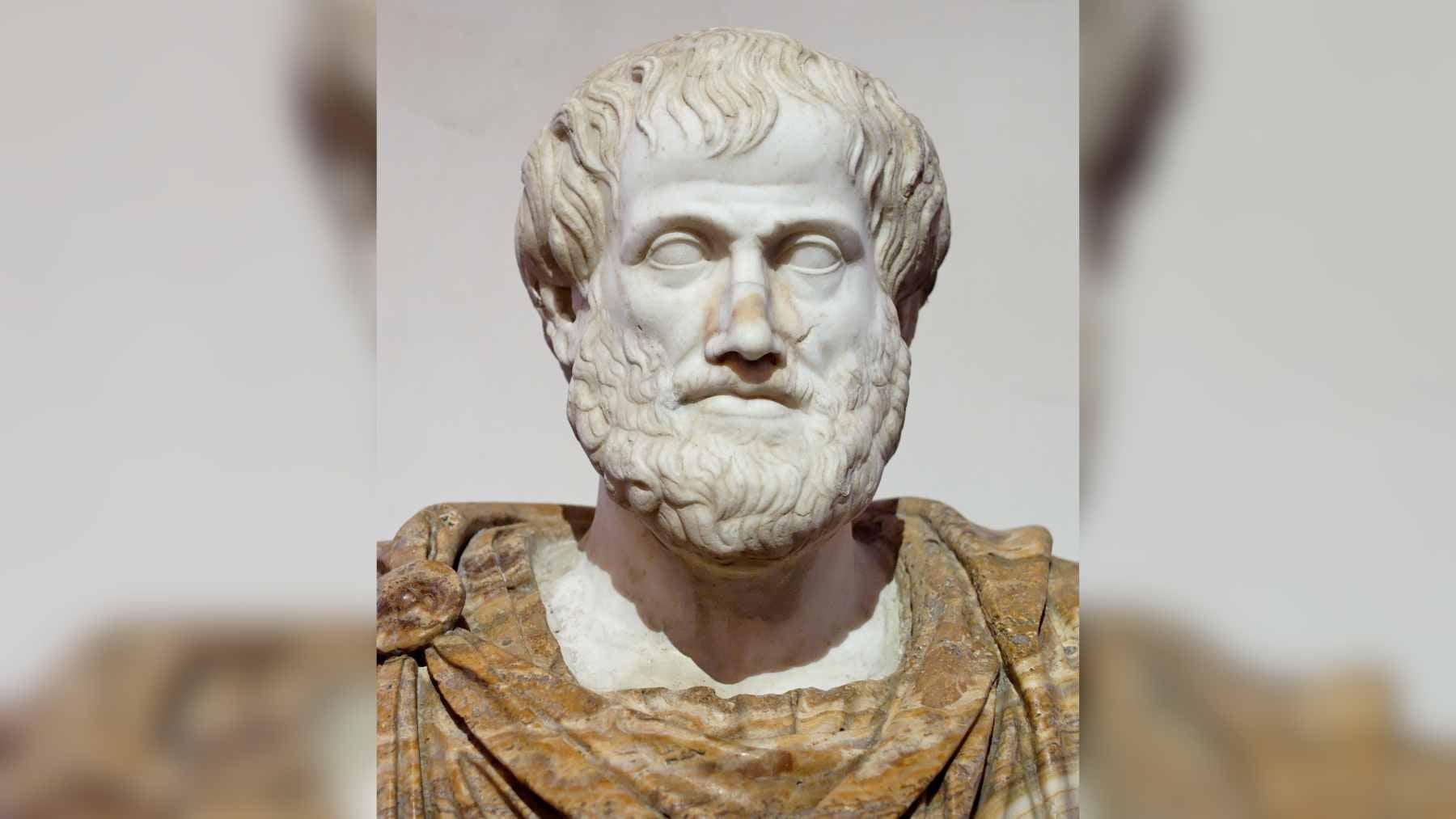
A quote often attributed to Plato says that poverty does not come from having less wealth, but from multiplying desires. It sounds neat, shareable, and perfect for social media self-help pages. The catch is simple: the sentence does not appear word for word in the surviving Platonic dialogues.
That does not make the idea wrong. In Gorgias and Republic, Plato returns to a harder point: a life ruled by appetite may feel free at first, but it can become a kind of inner slavery.
A quote with a problem
Famous philosopher quotes often travel better than they verify. That is especially true when the thinker lived more than two thousand years ago, long before recordings, printed books, or screenshots.
Plato, the ancient Greek philosopher who wrote in dialogue form and often placed Socrates at the center of the conversation, is a common target for quote drift. The poverty-and-desire line may capture part of his thought, but it should not be treated as a direct quotation.
That distinction matters. A false quote can still point toward a real idea, but journalism has to separate the two. Here, the real idea is more interesting than the viral version.
The leaky jar
In Gorgias, Plato presents Socrates in debate with Callicles, a bold defender of appetite and power. Callicles argues that the person who wants to live well should let desires grow strong and satisfy them instead of restraining them.
Socrates answers with one of Plato’s sharpest images. The soul ruled by endless desire is compared to a leaky jar that must be filled over and over but never stays full. A person can pour in pleasure all day and still feel empty by night.
It is an old metaphor, but it lands in a very modern place. Think of the thrill of buying a better phone, a nicer outfit, or a faster car. The glow is real, then ordinary life returns, and the next want starts tapping on the glass.
Psychology caught up
Modern psychology has a name for part of this pattern. In 1971, Philip Brickman and Donald Campbell described what later became known as the hedonic treadmill, the tendency for people to adapt to gains and return toward a familiar level of happiness.
That does not mean good things never matter. A safer home, stable health, enough food, and less stress can change a life in practical ways. But the chase for constant upgrades often behaves differently, because each new satisfaction can reset expectations instead of ending the search.
A later 2006 review by Ed Diener, Richard Lucas, and Christie Scollon added nuance. People do not adapt to every life event in the same way, and happiness is not a simple machine. Still, the warning remains useful: more is not always the same as enough.
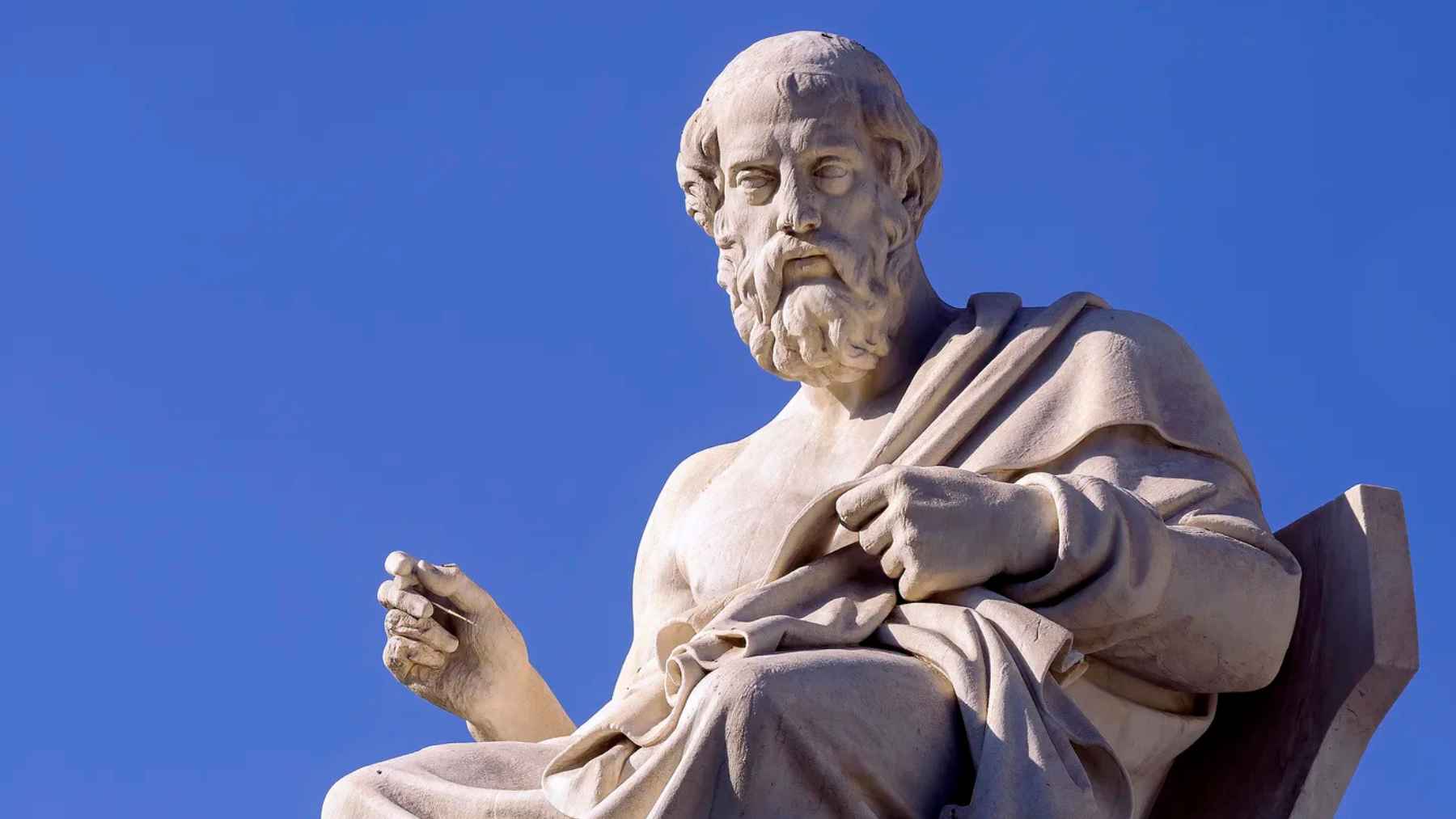
A marble statue of Plato, the ancient Greek philosopher whose dialogues Gorgias and Republic examine the relationship between desire, freedom, and genuine friendship.
Necessary desires
In Republic, Plato does not say people should erase all desire. That would be unrealistic, and honestly, not very human. Hunger, rest, safety, friendship, and care for the body are not moral failures.
The key difference is between necessary desires and unnecessary ones. Plato describes necessary desires as those we cannot simply remove and whose satisfaction benefits us. Unnecessary desires are different because discipline can reduce them, and in some cases, they can harm the soul.
In everyday terms, eating dinner is not the same as needing the priciest table in town to feel important. Wanting a working phone is not the same as feeling poor because a newer model exists. The issue is not having things, it is being owned by the hunger for them.
Freedom and friendship
Plato’s strongest warning comes when desire stops being a visitor and becomes the ruler of the house. In Republic, the tyrannical soul is described as needy, fearful, and dragged around by appetite. It “never tastes freedom or true friendship.”
Why friendship? Because a person controlled by appetite may begin to treat others as tools. Friends become useful only when they satisfy a need, improve status, or keep loneliness away for another evening.
That sounds harsh, but it is not hard to recognize. We have all seen moments when envy, comparison, or craving turns a relationship into a scoreboard. Can a person who always needs more ever really meet another person freely?
A lesson for consumer life
Social theorist Zygmunt Bauman later described modern life as deeply shaped by consumer culture, where the promise of happiness is often tied to buying, replacing, and upgrading. Plato obviously did not know shopping malls or app notifications, but he knew the restless mind.
That is why the old dialogues still feel current. The electric buzz of a purchase, the traffic noise outside a luxury store, the pressure to look successful online–all of it can feed the same loop. Desire grows, satisfaction fades, desire grows again.
Plato’s point is not that people should live without comfort or ambition. It is that reason must help desire know when to stop. Otherwise, the full life we were chasing can start to feel strangely hollow.
The main works behind this article are Plato’s Gorgias and Republic, preserved in standard classical editions.