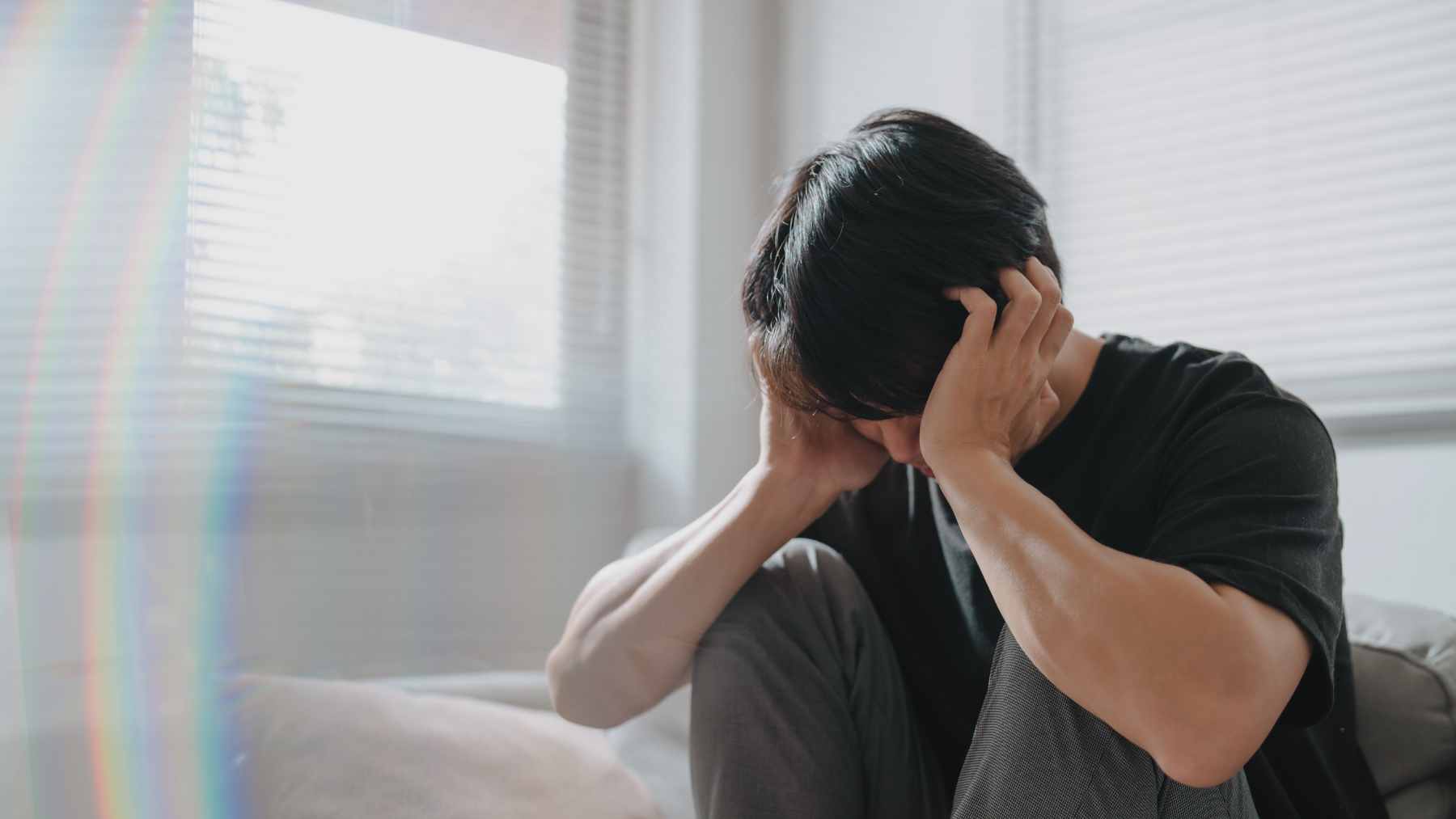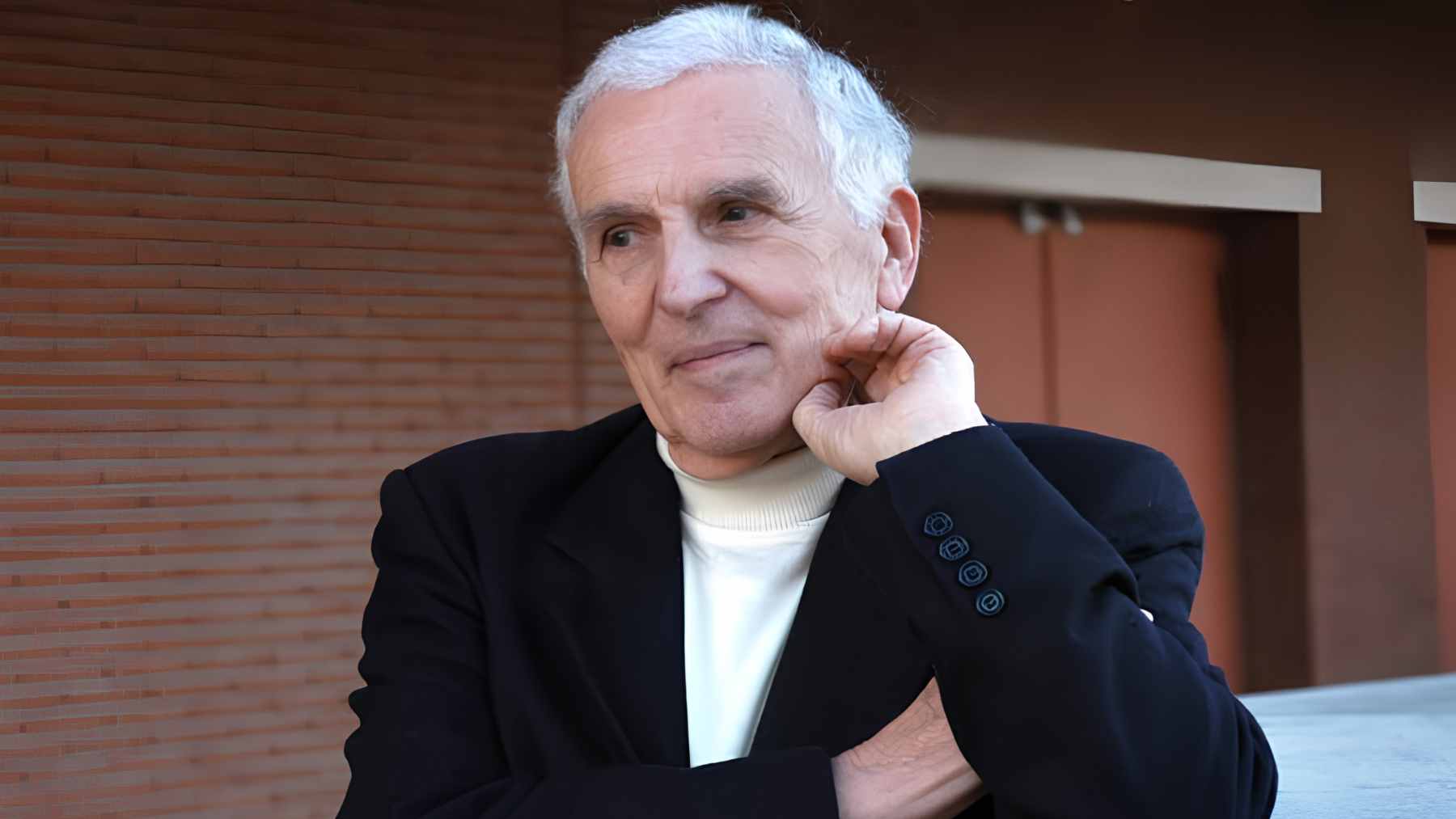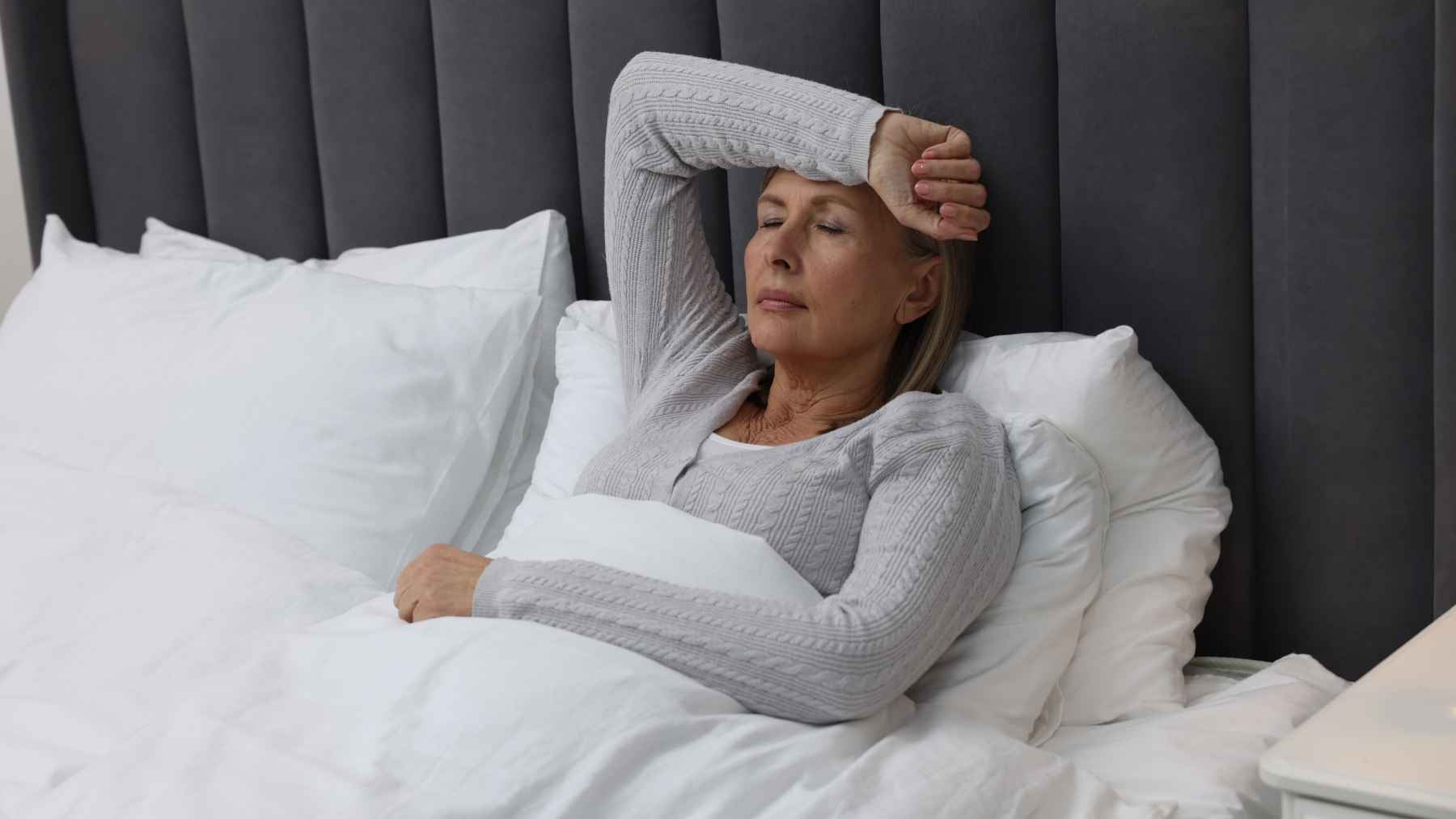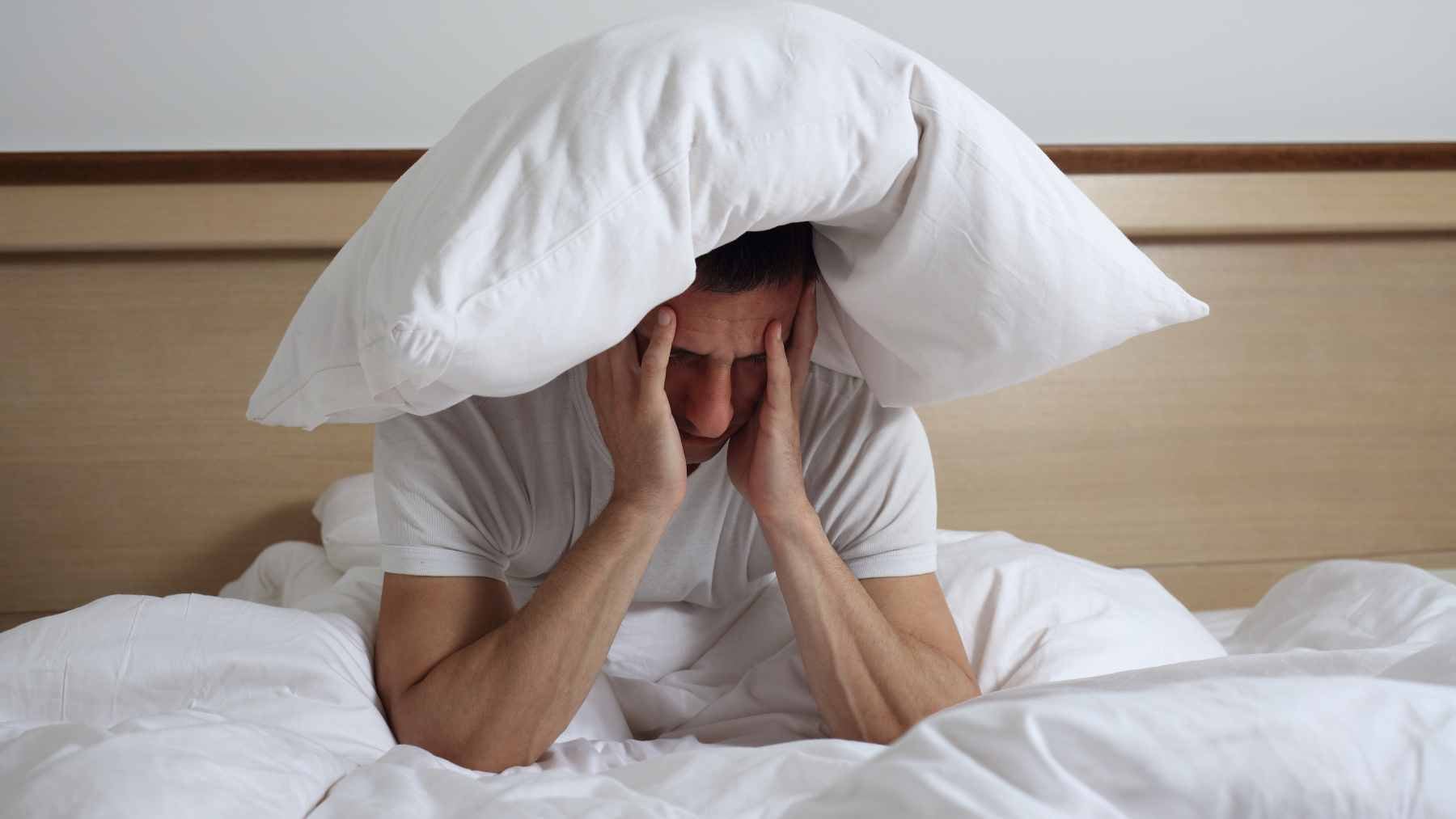
For Alfredo Rodríguez-Muñoz, sleep is not a soft wellness habit to squeeze in after work, messages, screens, chores, and one last scroll.
The professor of psychology at the Complutense University of Madrid argues that rest has become a structural problem, shaped by late-night work, constant connection, stress, and the quiet pressure to stay available.
His new book, “Dormir para vivir,” makes a simple point with big consequences: sleep is not dead time. It is when the brain cleans, the body repairs, memory reorganizes itself, and emotions settle enough for the next day to make sense.
In the United States, the problem is not small either, since CDC data show that 30.5% of adults slept less than seven hours in 2024.
Sleep is not a personal flaw
Rodríguez-Muñoz says people often talk about sleep as if it were only a matter of discipline. Put the phone away, relax, go to bed earlier. That advice can help, but it misses the bigger picture.
What happens when a boss emails at 11 p.m., or when a worker finishes a late shift and still has a family to care for? In practical terms, the bedroom is not separate from the rest of the day–the stress follows you in.
What sleep does for the body
Why is sleeping so important? Because the body is busy while we are unconscious. The CDC says good sleep supports mood, attention, memory, heart health, metabolism, and even the risk of traffic crashes.
The brain also has its own cleaning routine. Researchers describe the glymphatic system as a nighttime waste-clearance process that helps move fluid through the brain and remove unwanted material. Think of it as the brain’s late shift, working after the lights go out.
Short nights change your day
Rodríguez-Muñoz pushes back against the old idea that sleeping little is a badge of ambition. “You cannot negotiate with your biology,” he says. The body may tolerate a bad night here and there, but it does not turn chronic sleep loss into success.
The effects can show up quickly. People may react more slowly, lose focus, feel irritable, or make poorer decisions. A study shared by the American Academy of Sleep Medicine reported that sleep deprivation can weaken the way emotion and thinking work together during moral judgment.
Exercise helps, but timing matters
Exercise is usually good news for sleep. Moving during the day can help the body settle later, especially when the routine is steady. Timing is the catch, however, and this is where Rodríguez-Muñoz gives one of his clearest rules.
He recommends avoiding exercise during the three hours before going to bed. That does not mean a gentle stretch is the enemy. But a hard workout close to bedtime can keep the body activated when it should be winding down.
A 2025 Nature Communications study led by Monash University found that later and more intense evening exercise was linked with later sleep, shorter sleep, and lower sleep quality.
Stress keeps the brain awake
Stress is one of sleep’s main rivals. Rodríguez-Muñoz explains that it keeps the brain in alert mode, as if something still needs to be solved right now. We all know the feeling, staring at the ceiling while tomorrow’s problems line up one by one.
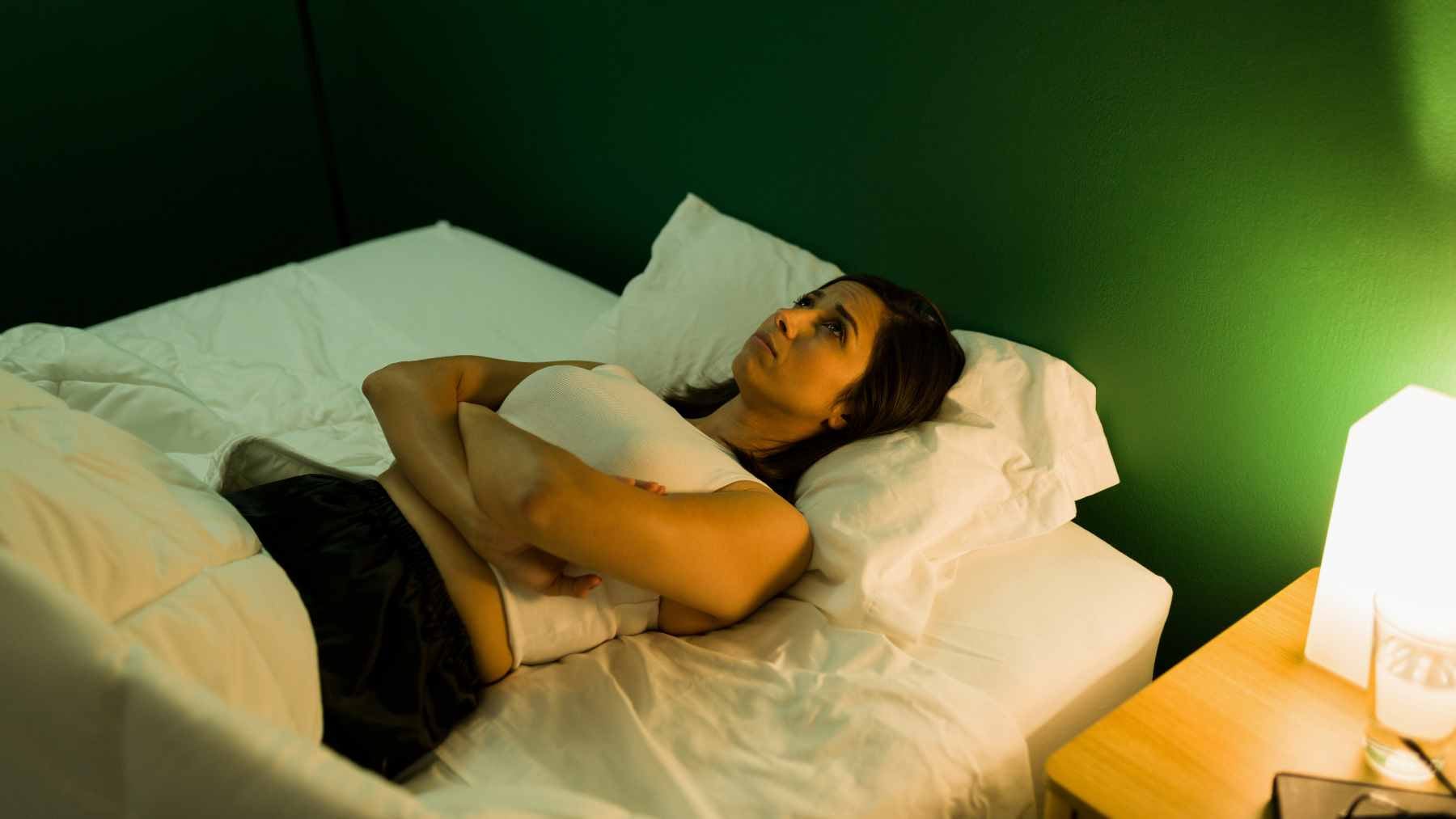
That’s why the end of the day matters. A gradual shutdown, fewer work messages, and a calmer routine can help the body understand that the emergency is over. It sounds basic, but for the most part, modern life keeps pushing in the opposite direction.
Sleep trackers can become a trap
Smartwatches and rings can be useful as rough guides, but Rodríguez-Muñoz warns against treating them like an oracle. The problem has a name, “orthosomnia,” or the obsession with getting perfect sleep numbers. At that point, the tracker stops helping and starts adding pressure.
A Journal of Clinical Sleep Medicine paper described patients who became worried about tracker data and sought treatment for sleep problems they believed the devices had identified. The lesson is not that all tracking is bad.
The lesson is simpler: if the number matters more than how your body feels, it may be time to take the device off.
The real fix starts earlier
Better sleep is not only made at bedtime. It starts in the morning light, the workday, the exercise window, the stress load, and the moment people decide not to drag the office into bed. Small choices matter, but so do the systems that make those choices hard.
Rodríguez-Muñoz’s broader message is not alarmist. Bad nights happen. Still, the idea that sleep can always be recovered on the weekend is one of the myths he wants people to leave behind.
The main work has been published by Kailas Editorial.