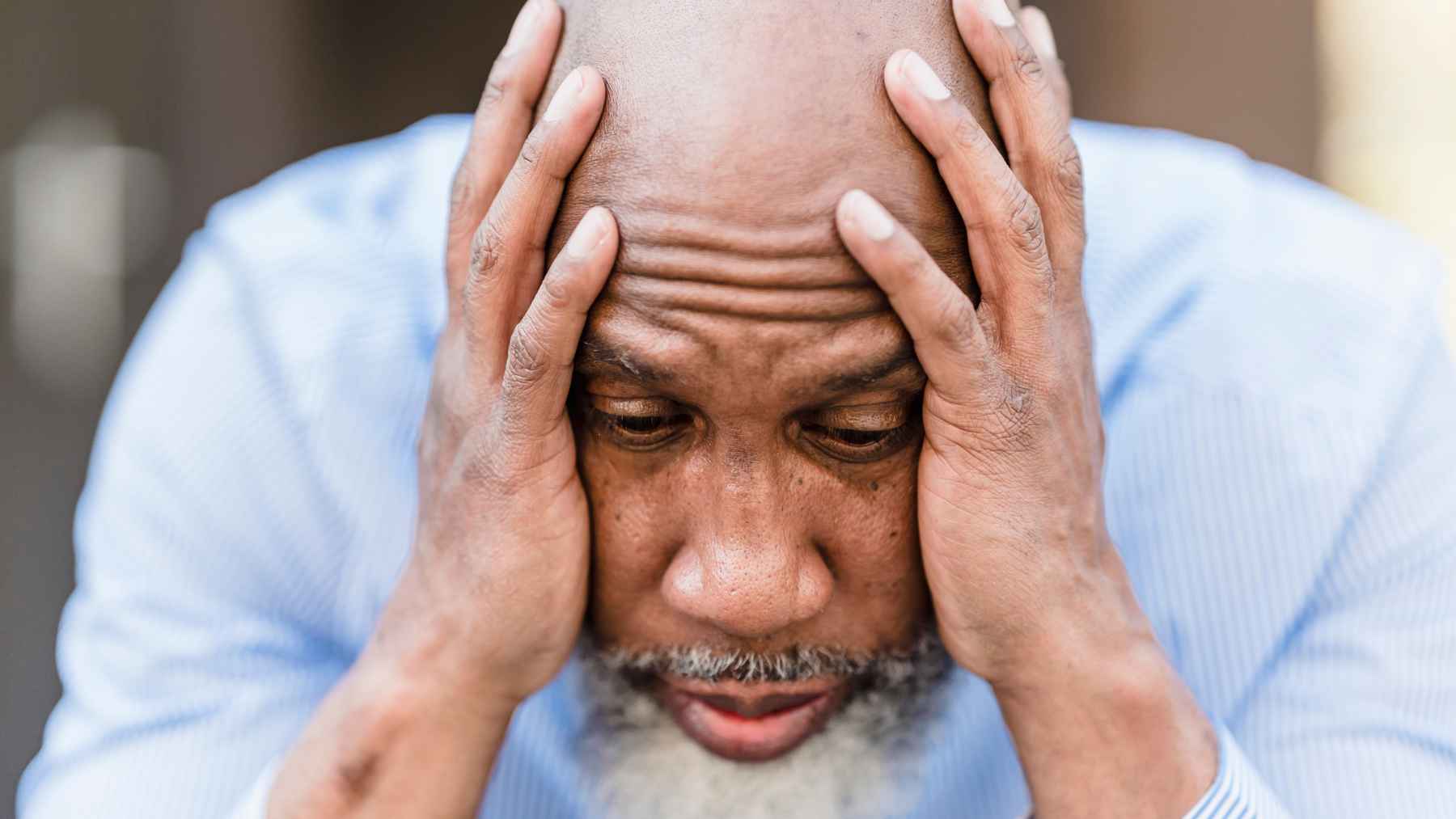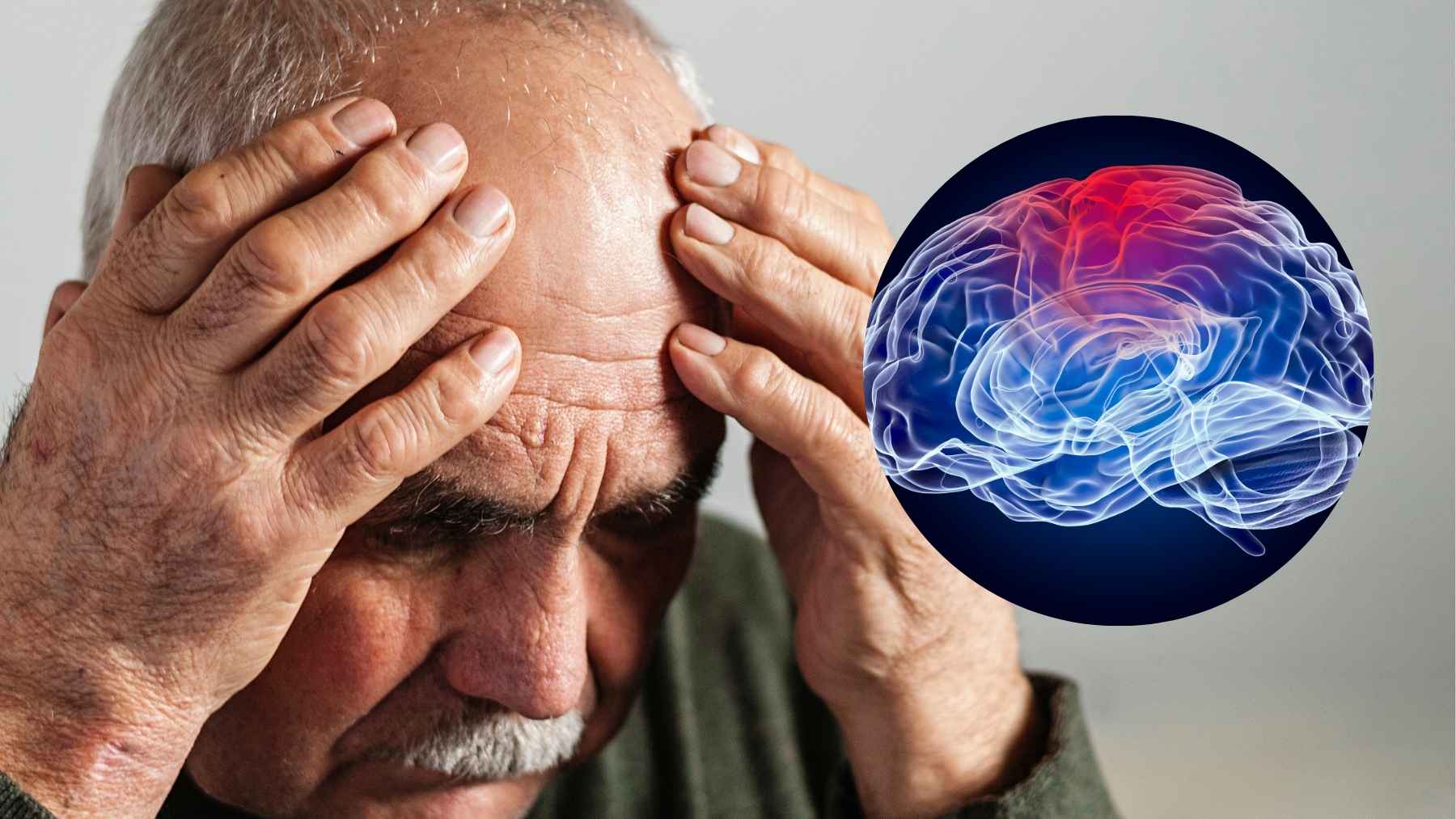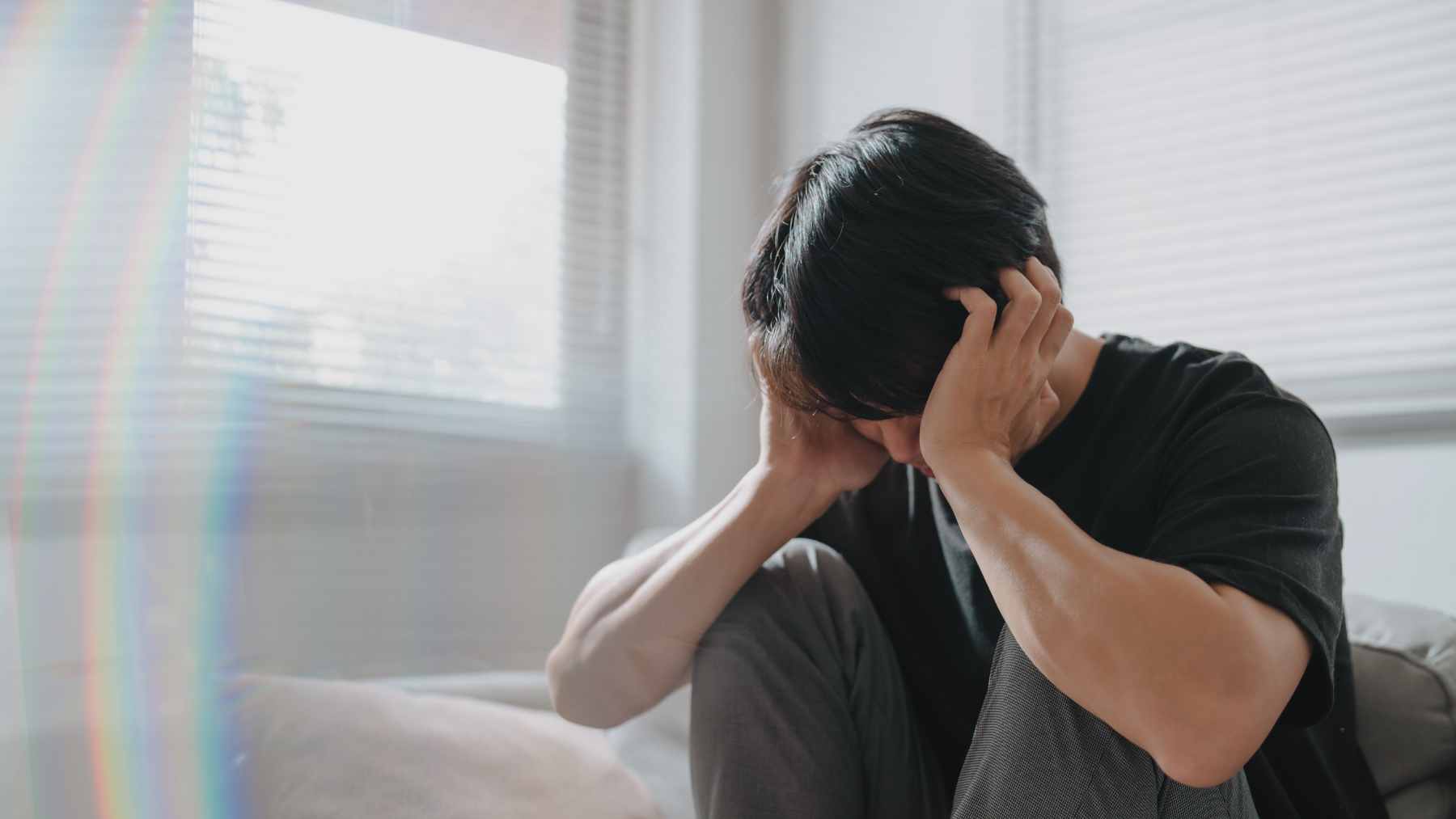
Anxiety is not just worry in your head. It can feel like a racing heart, chest pressure, dizziness, or the scary sense that air is not getting in.
In a recent interview, Spanish psychiatrist Alejandro Martínez Rico, author of Anxiety, Leave Me Alone!, put the spotlight on one tool many people overlook: diaphragmatic breathing, which he describes as “free, immediate and without side effects.”
The timing of his book matters. The World Health Organization says anxiety disorders are the world’s most common mental disorders, affecting 359 million people in 2021, and symptoms often begin in childhood or adolescence.
The message here is not that breathing replaces care, but that the first step can be small, practical, and available before the alarm gets louder.
Why anxiety feels physical
Anxiety has a purpose. Think of it as a smoke detector inside the body, built to warn us when something might be wrong. The trouble starts when that detector becomes too sensitive and goes off during an email, an exam, a crowded train, or a quiet night in bed.
That is why anxiety can feel so physical. The alarm may show up as shortness of breath, pressure in the chest, a fast heartbeat, dizziness, or other symptoms that can frighten people. The psychiatrist calls it “the disease of a thousand faces,” because the body can sound the alarm in many different ways.
The tool he puts first
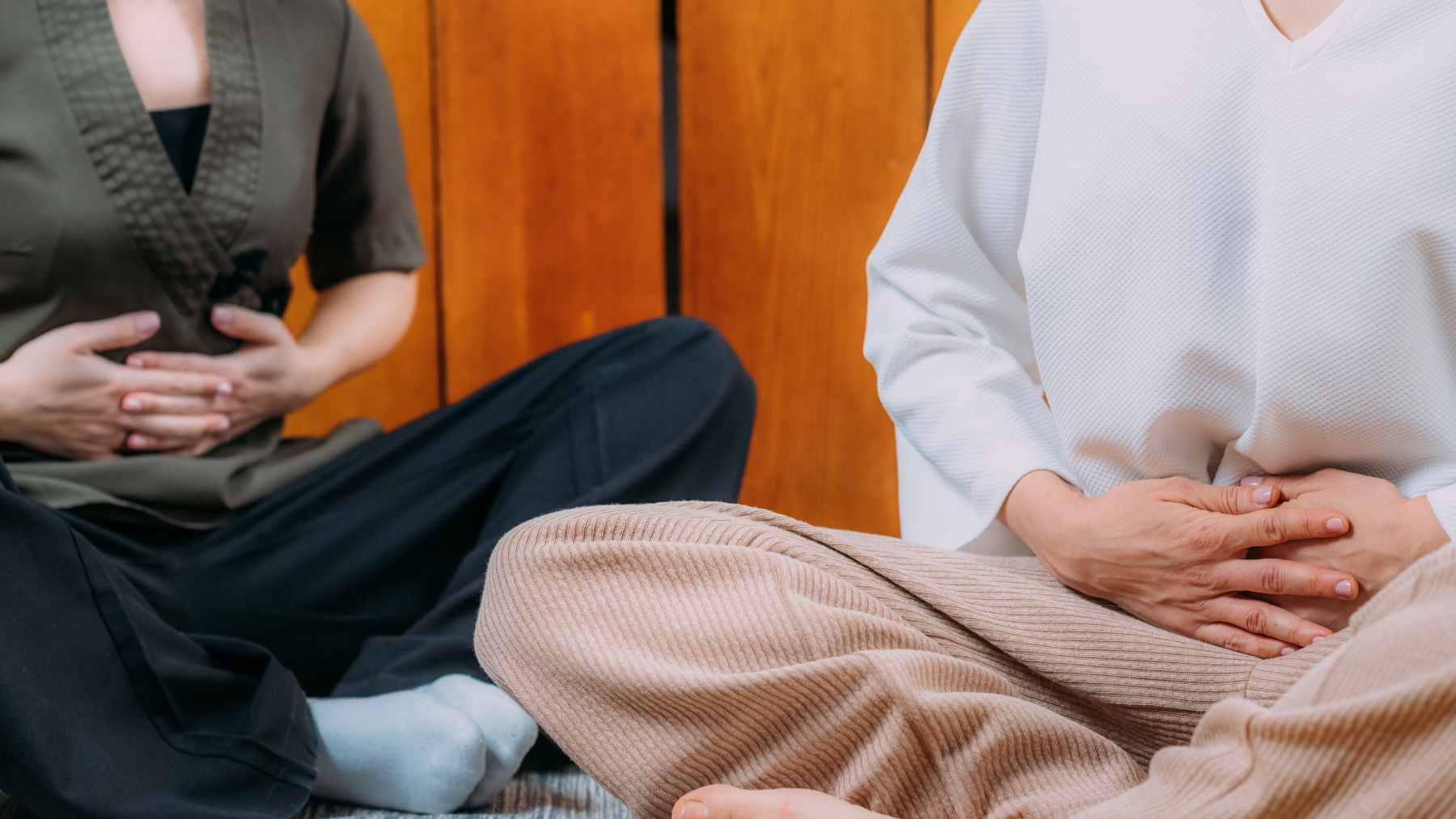
Diaphragmatic breathing means breathing low and slowly from the belly area, using the diaphragm, the large muscle under the lungs. In plain English, it is the opposite of shallow chest breathing. You are not forcing air in, you are teaching the body that it is not in immediate danger.
He argues that a few minutes of this kind of breathing can lower physical activation before a stressful moment.
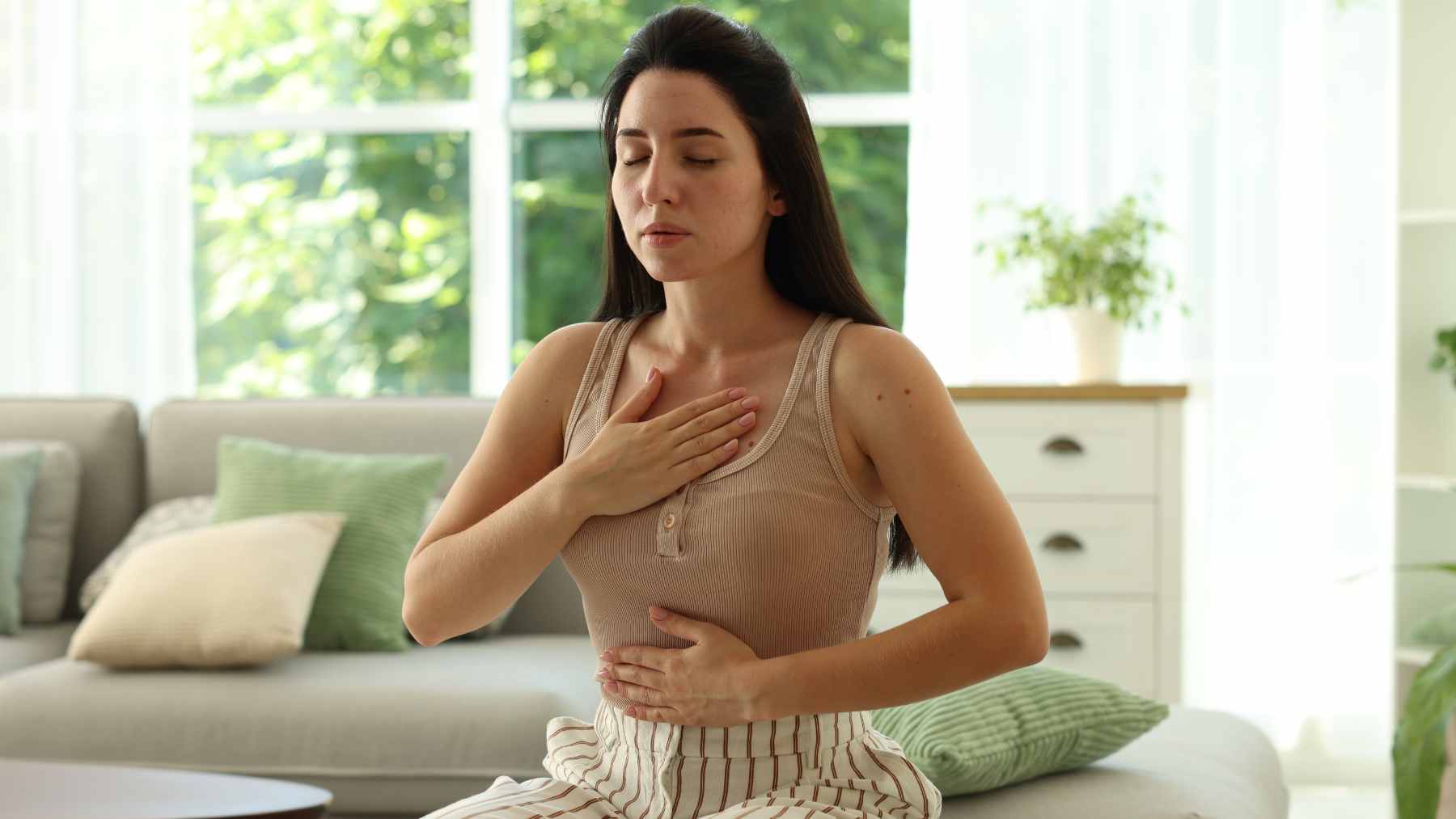
A 2023 meta-analysis published in Scientific Reports found that breathwork was associated with lower self-reported stress and anxiety, although the authors also warned that the evidence should be handled with nuance. That matters, because hype helps no one.
Exercise matters, too
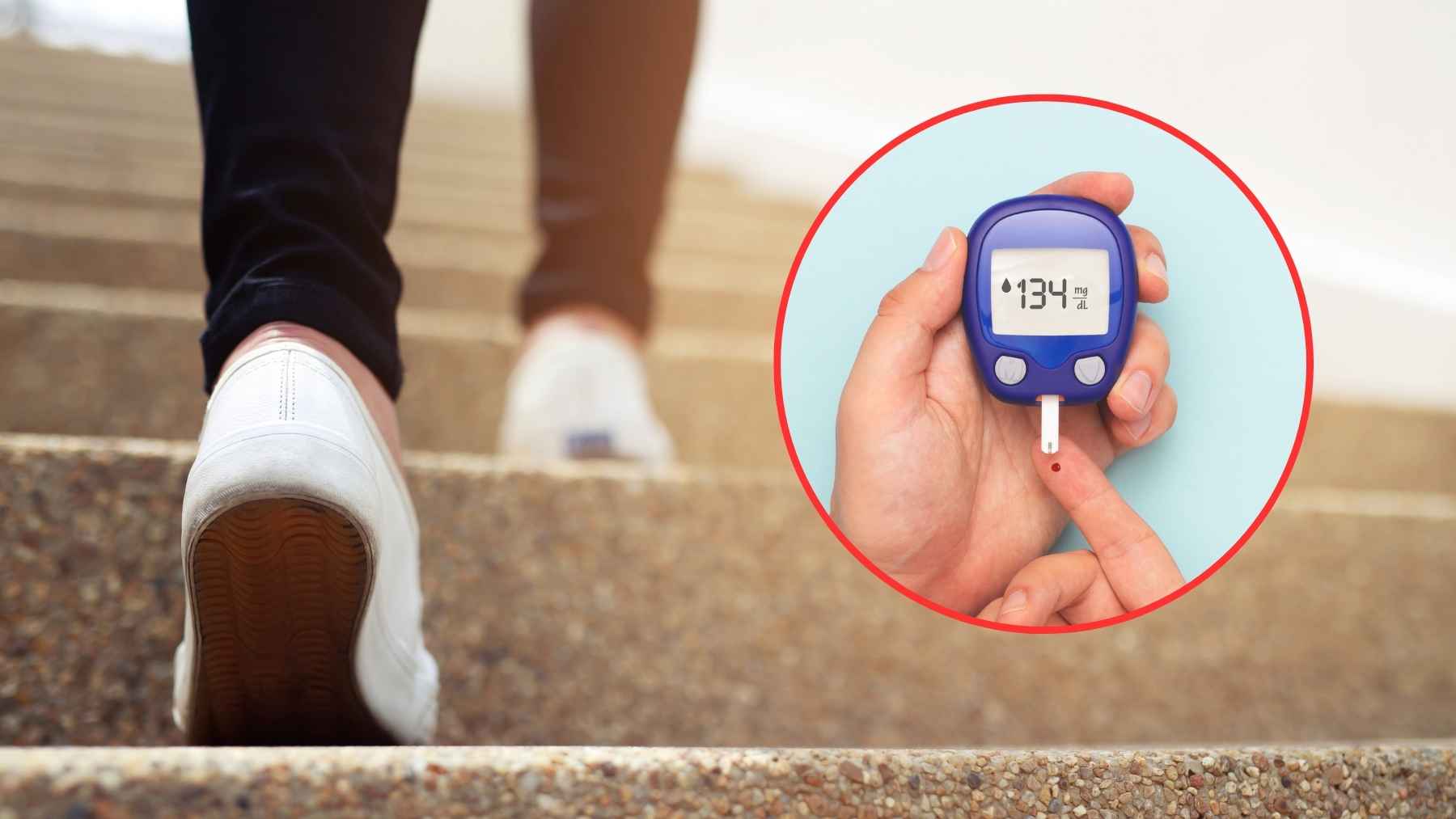
Breathing is not the only habit on his list. Movement also gives an anxious body a safer outlet for all that built-up energy. A walk after school, a light jog, a bike ride, or a team sport can get someone out of their own head for a while.
The CDC says some brain benefits of physical activity can happen right after a moderate or vigorous session, including reduced short-term feelings of anxiety in adults.
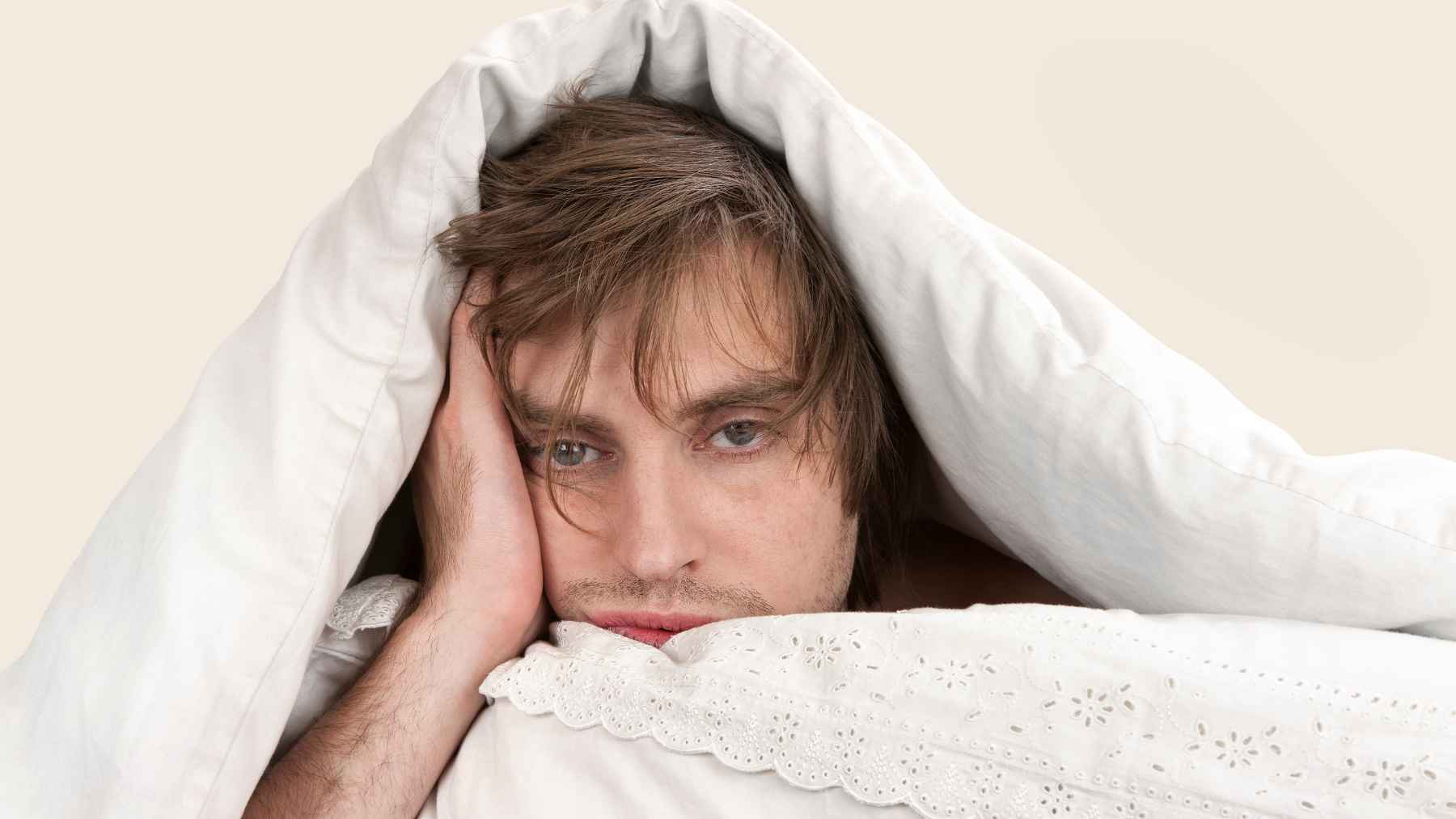
Regular movement can also reduce the risk of anxiety and depression and improve sleep, which can mean less rumination at night and fewer mornings that begin already tense.
Schedule the worry
One of the simplest ideas is “scheduled worry.” Instead of letting anxious thoughts interrupt the whole day, the person sets aside five minutes to write down what is bothering them–sounds basic enough.
The point is not to deny the fear, though, it is to give the mind a container, like putting all the open browser tabs into one folder. Over time, the brain learns that it does not have to bombard you every hour to make sure you pay attention.
Lower the radio volume
The radio metaphor is useful. Maybe you cannot turn anxiety off completely, but you can lower the volume until it stops deciding everything for you. That shift changes the goal from winning a battle to learning a skill.
The same idea applies to control. Trying to control every outcome can feed catastrophic thoughts, especially in a world that rewards perfection and constant availability.
Real mental well-being, by contrast, includes moments of sadness, frustration, and fear without turning them into personal failure.
Children need emotional skills
The younger generations are growing up with more comparison, more screens, and more pressure to perform. That does not mean every child is fragile, but adults need to teach emotional intelligence early, before anxiety becomes the only language a child knows.
That can look simple at home or at school. Help kids name what they feel, avoid making every mistake a crisis, and build self-esteem that does not depend only on appearance, grades, or likes. And of course, get them moving.
When anxiety needs more support
Small habits can help, but serious anxiety deserves serious attention. If panic attacks, avoidance, sleep loss, chest pain, or thoughts of self-harm appear, a health professional should be involved.
The NCBI Bookshelf notes that cognitive behavioral therapy is the best-studied psychological treatment for generalized anxiety disorder, and some medications can help when guided by a clinician.
At the end of the day, the breathing tool is not a magic switch. It is a starting point, a way to turn down the alarm long enough to think, ask for help, and build a life that is not run by fear.
The main interview has been published by ABC.