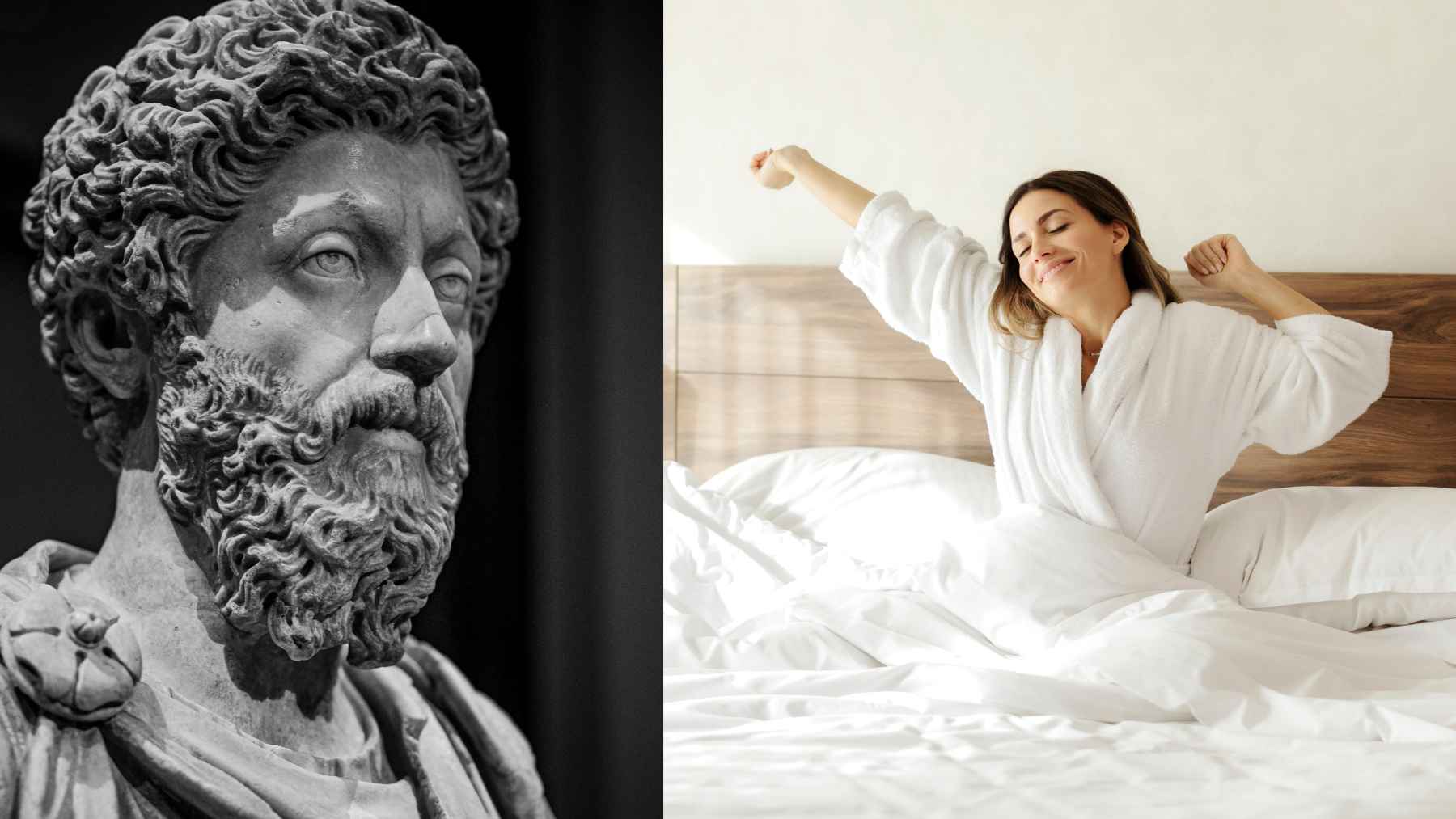
We often say life is too short when the calendar is packed, the phone keeps buzzing, and the day disappears before dinner. But more than 2,000 years ago, Roman Stoic philosopher Seneca argued that the real problem was not the length of life, it was how easily people hand it over.
His point was sharp, and it still lands. The line at the center of this debate says that “a large part of life slips away from those who do wrong, the greater part from those who do nothing, and the whole life from those who devote themselves to something else.”
The exact phrase is usually traced to Seneca’s first Moral Letter to Lucilius, while the broader argument is central to ‘On the Shortness of Life’, the essay addressed to Paulinus.
Life is made of time
Seneca’s idea begins with a simple reversal. We tend to think we own a life and spend time inside it, as if time were just one feature among many. He pushes the opposite view: life is time.
That is why his warning feels less like an ancient lecture and more like a mirror. People guard money, houses, passwords, and reputations, yet they often give away hours without much thought. Seneca put it bluntly in Letter 1, saying that nothing truly belongs to us except time.
This does not mean every free moment must become productive. For the most part, Seneca was not asking people to live like machines. He was asking them to notice when their days were being spent on things they had never really chosen.
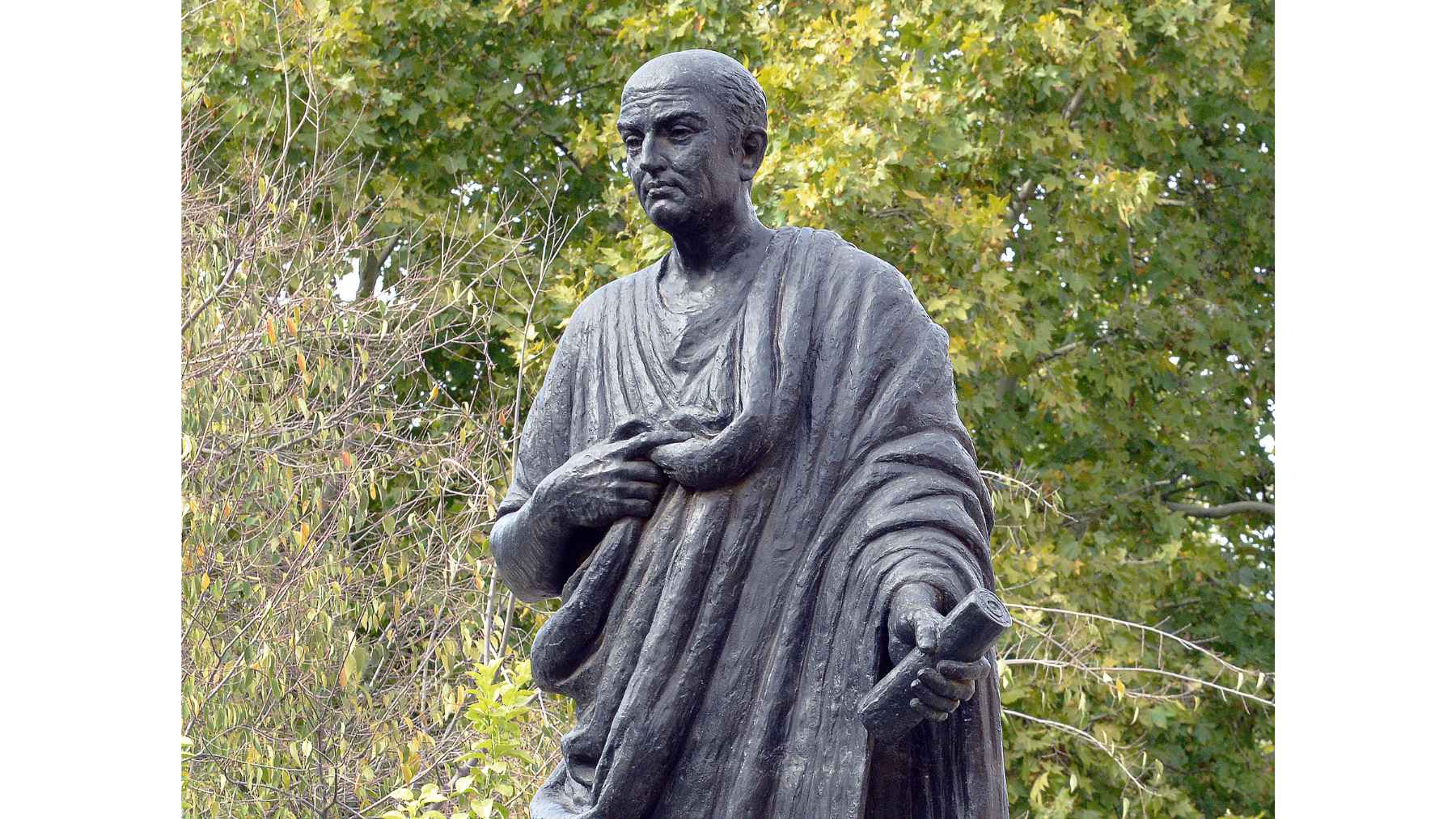
A statue of the Roman philosopher Seneca, whose Stoic teachings remind us that time is life’s most valuable and irreplaceable resource.
The Stoic answer
Stoicism is often misunderstood as cold self-control. In reality, it was a practical philosophy about how to live well, especially when life brings pressure, loss, anger, or fear. The Internet Encyclopedia of Philosophy describes Stoicism as a virtue-based approach in which moral character is the key to happiness.
In practical terms, a good life depends less on fame, wealth, applause, or comfort than on judgment and conduct. The question is not just “What do I want?” It is also “What is worth wanting?”
That is where time enters the picture. If virtue is the art of living well, then time is the material we use to practice it. Waste the material, and the art never really begins.
Doing wrong wastes life
When Seneca speaks of those who “do wrong,” he is not only talking about crime or cruelty. In the Stoic sense, doing wrong begins when reason loses control and a person is dragged around by ambition, envy, fear, status, or pleasure. It can look very ordinary.
Think of a person chasing approval all day, refreshing messages, comparing salaries, or bending every choice around how others will react. That person may look busy from the outside, but Seneca would ask whether that life is being guided from within.
The Stoics held that virtue is the only true good and vice is the only true evil. Everything else, including money, health, and reputation, may matter in daily planning, but it should not rule the soul.
Doing nothing is not always rest
Here the argument gets tricky. Seneca was not attacking rest, silence, or an afternoon spent watching clouds move across the sky–that kind of pause can restore a person.
What he criticized was empty idleness, the kind that leaves no peace behind. We all know the feeling after losing an hour to scrolling, gossip, or noise, then wondering where the time went.
Ancient Romans had a useful contrast between negotium and otium. Negotium meant business, duties, and public obligations. Otium meant leisure, but not laziness. At its best, it was time for reflection, study, friendship, and the care of the mind.
Being busy can still miss the point
Seneca’s third warning may be the most uncomfortable. He says the whole of life is lost by those who devote themselves to “something else.” What else? Anything that keeps a person from actually living.
That could be a career followed without purpose, a routine inherited without thought, or a future so endlessly postponed that the present becomes a waiting room. The calendar may be full, the inbox may be clear, and the house may be spotless. Still, something essential can be missing.
This is why Seneca’s argument connects with the old Socratic idea that an unexamined life is not worth living. To live, in this sense, is not just to breathe, earn, consume, and repeat. It is to ask where one’s attention is going, and whether that direction is chosen.
A warning for modern life
What makes Seneca feel current is not that he predicted smartphones or traffic jams or the pressure to answer one more email before bed. It is that he understood the deeper pattern. People lose time when they stop paying attention to what they are serving.
The trouble is, modern life makes that easier than ever. Work follows people home, entertainment never ends. Even rest can become another task to optimize. No wonder so many people say they are tired while also feeling that they have not really lived.
Seneca’s answer is not dramatic. Start by treating time as something real. Ask what deserves it, then notice what keeps stealing it. Simple, but not easy.
The main work discussed here has been published in the Loeb Classical Library under the title De Brevitate Vitae.