Starting exercise after 60 can feel like walking into a gym after the movie has already started. The machines look unfamiliar, the routines seem intense, and everyone appears to know something you missed.
But Spanish nutrition physician Antonio Escribano argues that the body still listens at any age. His message is practical, not flashy. Move regularly, eat enough protein, skip shortcuts, and treat aging like a long staircase, not a jump.
The body still adapts
Escribano, 76, specializes in endocrinology and nutrition and is an extraordinary professor of Sports Nutrition.
He has worked with the Royal Spanish Football Federation and the Spanish Olympic Committee, and La Vanguardia reports that he also advised the physical transformation of actors in “Society of the Snow,” some of whom lost up to about 66 pounds under supervision.
His central idea is easy to understand. “The brain is like a muscle,” he says, meaning that both the body and the mind deteriorate when they are not used. Keep them active, and the body has a reason to preserve them.
First, check the basics
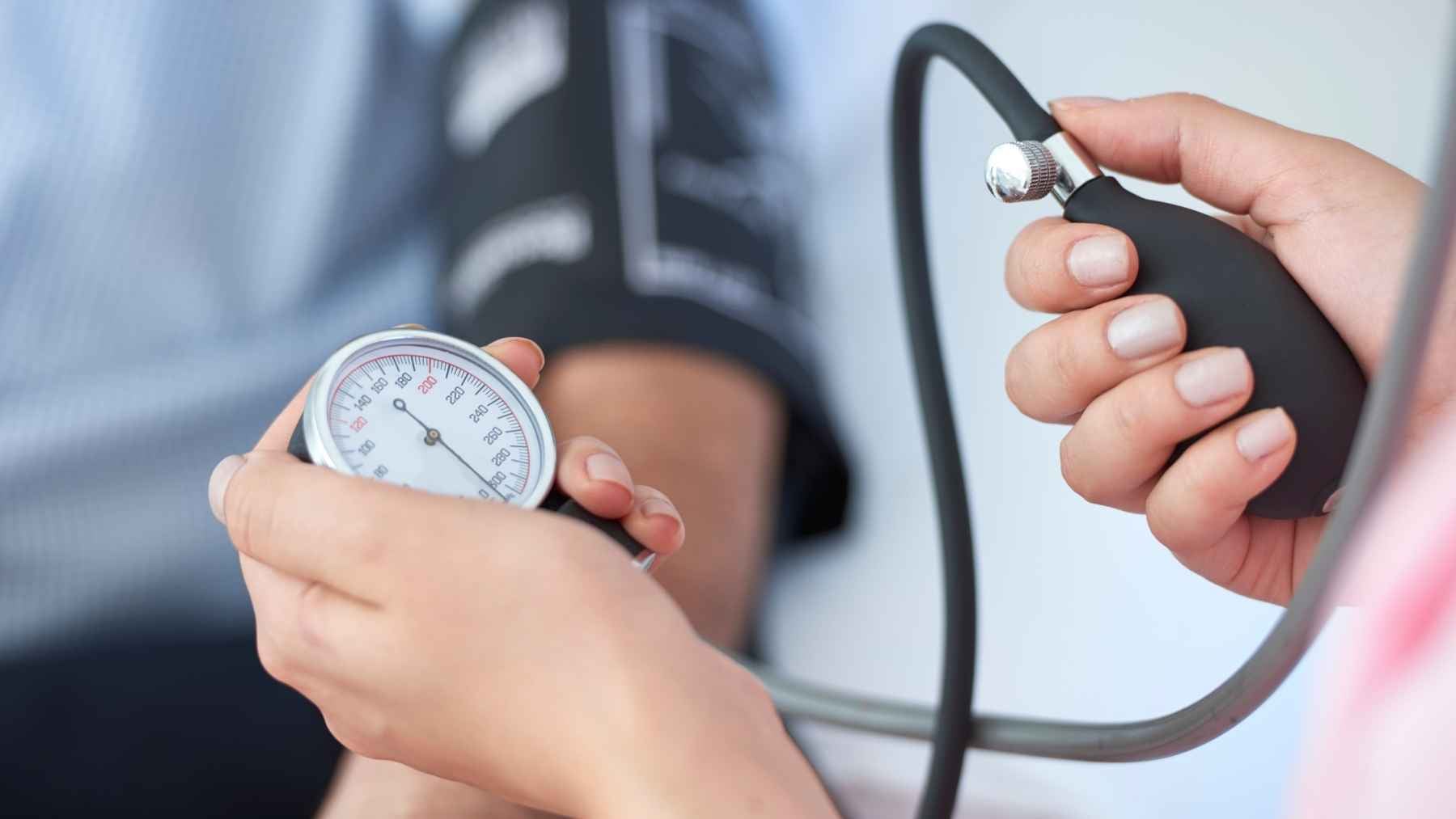
For people who have barely exercised before, starting at 60 is not pointless. Escribano says it can be very useful, as long as it begins with a basic medical check of the heart, joints, breathing, and metabolic health.
That caution matters because the warning signs are not always subtle. Chest pressure, unusual shortness of breath, dizziness, worsening joint pain, or any medication that affects heart rhythm or blood pressure should be discussed with a doctor before pushing harder.
Walking counts too
The plan does not need to look like a fitness influencer’s schedule. Escribano recommends gentle aerobic activity such as walking, cycling, swimming, or dancing, beginning with 10 to 20 minutes three or four days a week.
Strength work should come in gradually, with more attention to repetitions than heavy loads. Balance and flexibility also matter, using simple movements like standing on tiptoe, walking sideways, rotating the shoulders and hips, or stretching without forcing the body.
That advice lines up closely with U.S. guidance for older adults. The CDC says adults 65 and older should aim for moderate aerobic activity, at least two days of muscle-strengthening work, and balance activities each week.
The biggest mistake is rushing
Escribano’s most repeated warning is impatience. Many people try to recover in one weekend what they have not built in years, then wonder why their knee, back, or shoulder complains.
His metaphor is simple. Most things in life are achieved by gradual steps, not giant leaps. A Saturday workout does not become a routine if nothing happens between one Saturday and the next.
This is where healthy aging becomes less glamorous but more real. It is not about lifting a tractor tire or signing up for a marathon after decades on the couch. It is about showing up often enough that the body understands the new pattern.
Protein becomes more important
Food does not need to change dramatically when someone begins gentle training. Escribano estimates that the usual mix of aerobic activity and some strength work may burn about 200 to 250 calories, roughly the energy in a small bread roll.
Protein is the bigger issue. For older adults, he says the target has moved from older low estimates to about 0.55 to 0.68 grams of protein per pound of body weight per day, spread across three or four meals.
That means some protein at breakfast, lunch, and dinner, not just one large serving at night. Fish, meat, eggs, dairy, and nuts can all help, and current U.S. dietary guidance includes eggs among protein foods that also provide nutrients such as choline, iron, zinc, and B vitamins.
Why he defends eggs
Escribano is especially clear about eggs. “Five eggs a week is a valid pattern for life,” he says, because they provide protein, choline, and many other nutrients.
Choline is a nutrient involved in brain and nervous system function. In practical terms, it is one reason eggs keep coming up in conversations about muscle, memory, and aging.
His broader point is that supplements should not be treated like magic. Protein powders and creatine may sound impressive, but for most people who train lightly, he argues that the same building blocks are already in normal foods.
His warning on weight-loss drugs
Escribano is sharply critical of casual use of Ozempic for weight loss. He notes that the medication has long been used for people with type 2 diabetes and says its appetite-reducing effect can make dieting easier, but he warns that hunger and weight can return when treatment stops.
The U.S. picture is more nuanced. FDA labeling lists Ozempic as a medication for adults with type 2 diabetes, while Wegovy, another semaglutide product, is approved for long-term weight reduction in certain adults and teens when combined with reduced calories and increased physical activity.
That does not make these drugs casual tools. FDA information for semaglutide products includes warnings and reported problems such as pancreatitis and serious gastrointestinal issues, while common side effects can include nausea, vomiting, diarrhea, constipation, and abdominal pain.
Aging well is not complicated
At the end of the day, Escribano’s approach is almost stubbornly ordinary. Walk, lift lightly, practice balance, eat enough protein, and do not confuse a supplement shelf with a health plan.
That may sound too simple in a world full of injections, powders, and extreme challenges. But for the most part, the body does not need drama. It needs steady signals that it is still being used.
The main interview this article is based on was published in La Vanguardia.