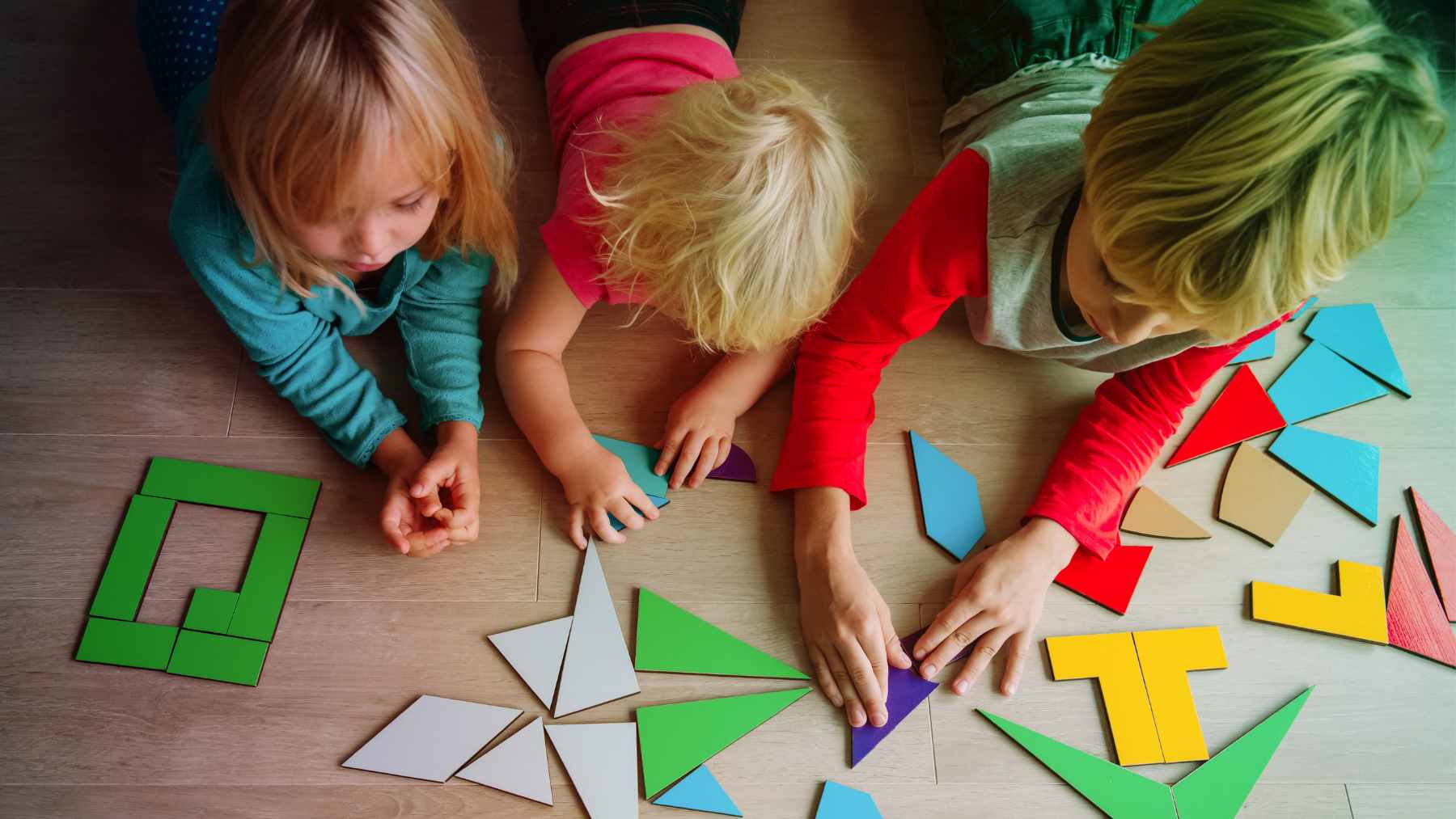
Many adults grew up doing small jobs that did not feel very important at the time. They watched a baby brother, helped a little sister calm down, or learned to read a toddler’s face before anyone said a word.
Psychology now gives that everyday training a clearer name. Researchers often discuss it through ideas such as empathic concern, emotional understanding, and prosocial behavior, and in simple terms is it the fact that some children learned to notice other people’s needs early in life.
What advanced empathy really means
“Advanced empathy” is not a formal diagnosis, and it should not be treated like a fixed personality label.
In practical terms, it describes a sharper ability to sense feelings, notice small signals, and respond before someone directly asks for help.
For a child caring for a younger sibling, that skill can grow in ordinary moments. A certain cry means hunger, a quiet face means fear, and a sudden tantrum may mean the child is tired, not “being bad.”
Sibling care as daily practice
Why would this matter later in life? Because the brain learns from repetition, and sibling care can repeat the same emotional lessons every day.
A child who helps at home has to pay attention to the room, the mood, and the person in front of them. That can build environmental awareness, self-control, and fast decision-making, especially when an adult is nearby but not actively looking after the kids.
What studies show
A major longitudinal study followed 452 Canadian sibling pairs from a range of backgrounds and found that older and younger siblings both influenced each other’s empathic concern over 18 months.
Marc Jambon and Sheri Madigan worked with colleagues at the University of Calgary, Université Laval, Tel Aviv University, and the University of Toronto on the research.
The researchers observed children at home and measured how they reacted when an adult appeared hurt or upset. The result was not just that older children shaped younger ones, which many parents would expect.
Younger siblings also appeared to help shape the empathy of older brothers and sisters. In other words, family life was not a one-way lesson.
The home as a social classroom
Sibling relationships can be loud, messy, funny, and unfair, sometimes all before breakfast. But that is also why they can teach children so much about other people.
The Encyclopedia on Early Childhood Development describes sibling relationships as an important setting for children to understand emotions, thoughts, intentions, and beliefs.
Older siblings often take on teaching, helping, leadership, and caregiving roles, while younger siblings learn by watching and responding.
The adult echo
Over time, those childhood habits may turn into adult strengths. Some people who helped care for siblings become especially quick to notice tension in a room, step into conflicts, or sense when someone is overwhelmed.
At work, that can look like the colleague who sees a problem before it blows up. In friendships, it may be the person who checks in without being asked. Usually, that is a strength, but there is a catch.
When responsibility becomes too much
Psychologists make an important distinction between healthy responsibility and parentification. Parentification happens when a child is pushed into adult-like roles that are too heavy, too long-lasting, or not supported enough.
A 2023 systematic review led by Jacinda K. Dariotis found that parentification can have both positive and negative outcomes, depending on intensity, fairness, support, and family stress.
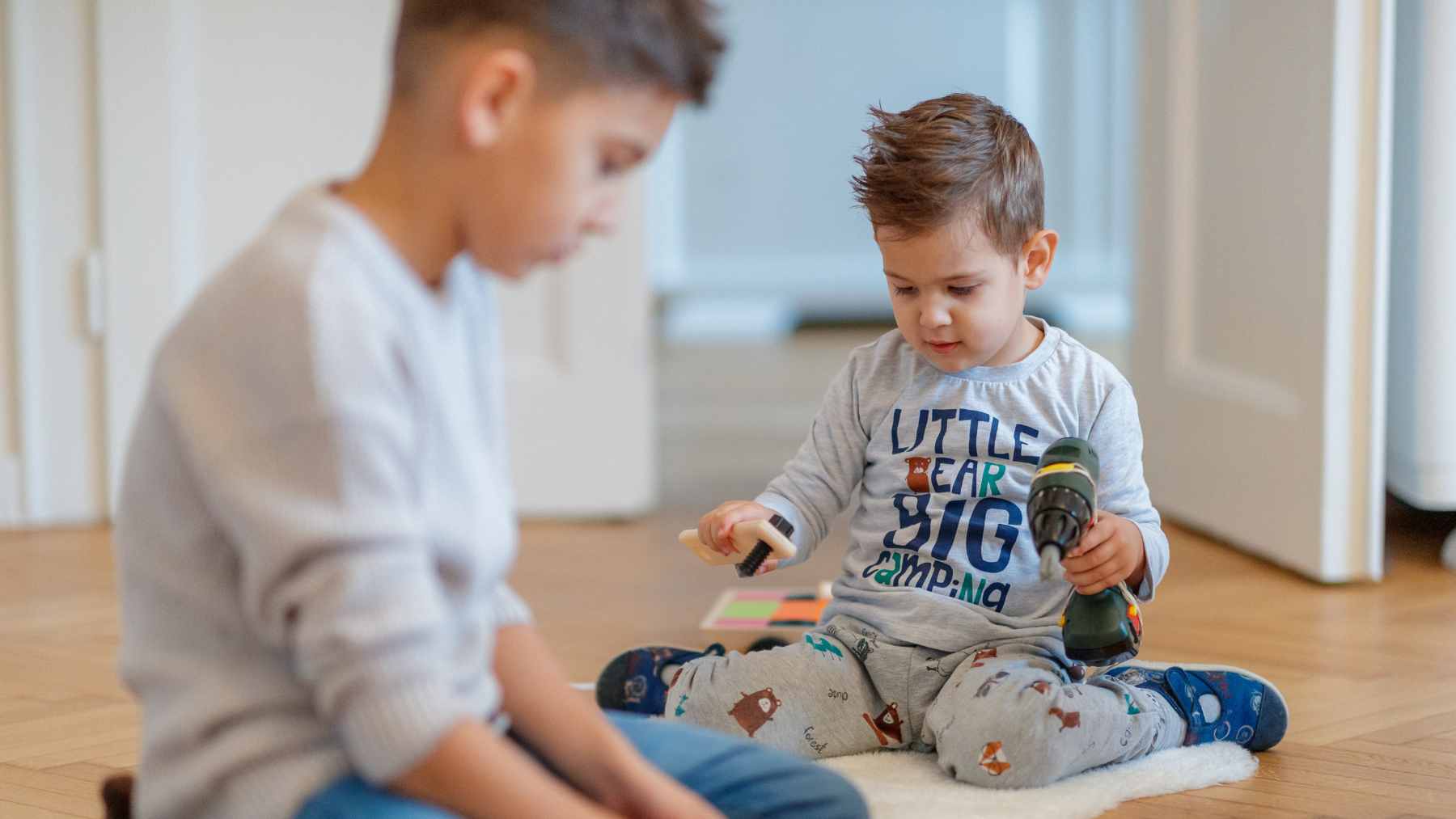
The review examined 95 studies from six continents and warned that unsupported children may face emotional, physical, and social costs.
Childhood looks different now
Many families today are smaller, more scheduled, and more screen-filled than in past generations. That does not make modern childhood “worse,” but it can reduce some of the face-to-face practice that once came naturally in busy households.
A child scrolling alone on a couch is not reading a sibling’s tone, negotiating over toys, or learning how to comfort someone who just scraped a knee. Those tiny moments may look ordinary, but they can work like a gym for the social brain.
Balance matters most
The point is not to turn children into tiny adults. No child should be made responsible for holding a family together, managing a parent’s emotions, or giving up school, sleep, or play to care for others.
Still, small responsibilities can help. Setting the table, helping a younger sibling for a few minutes, comforting a cousin, or noticing when someone needs space can teach care without robbing their childhood.
At the end of the day, empathy grows best when children are both protected and invited to participate in family life.
The main study was published in Child Development.