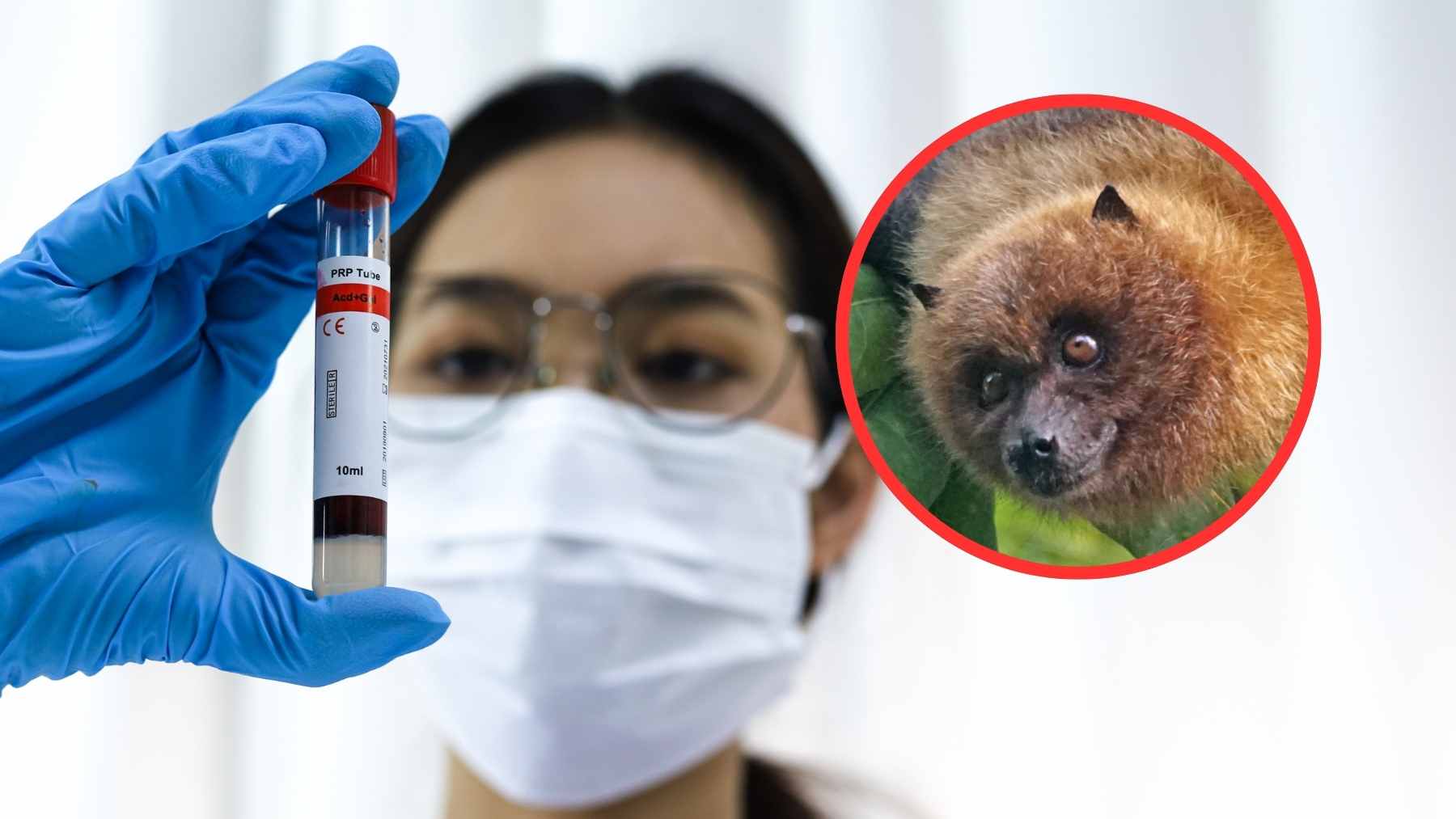
When a disease scare appears, bats often get dragged into the spotlight. A new study does not point to a single animal waiting to spark the next epidemic.
It says the risk is more specific, with viruses of higher epidemic potential clustering in certain branches of the bat family tree, especially where human pressure is heavy.
Researchers analyzed records for 889 mammal species, including 202 bat species, and 112 virus species from 23 virus families.
They combined three questions. How severe can a virus be? Can it spread between people? How many deaths have been linked to it? The takeaway is simple, bats as a whole are not the villain, but some lineages deserve much closer monitoring.
Not every bat is a warning sign
More than 70 percent of human emerging infectious diseases come from zoonotic pathogens, meaning germs that start in animals and then infect people.
That number helps explain why scientists watch wildlife closely. But it does not mean every bat flying over a backyard at dusk is a public health threat.
Bats are unusual mammals because they host many viruses and often tolerate infections without obvious illness. Still, the new work stresses that bat biology is not one-size-fits-all. Different families have different immune histories, habitats, diets, and chances of bumping into people.
How scientists measured risk
The work was led by Caroline A. Cummings, Amanda Vicente-Santos, Colin J. Carlson, and Daniel J. Becker, with researchers from the University of Oklahoma and the Yale University School of Public Health. Their approach looked at the mammal family tree, not just a list of species.
A clade is simply a branch of that tree, a group of relatives that share an ancestor.
The team measured what they call “viral epidemic potential.” In practical terms, that means a virus is judged by how harmful it can be, whether it can keep spreading among people, and how large its death toll has been. That is a sharper question than asking only whether a virus can infect humans.
The lead author summed up the lesson in plain terms, saying, “Instead of all bats carrying all dangerous viruses, it’s only specific bats that have co-evolved with specific viruses.”
Co-evolved means the animals and viruses have changed together over long periods, almost like two neighbors learning each other’s habits.
The bat families that stood out
So, which bats drew attention? Horseshoe bats, known to scientists as Rhinolophidae, stood out in the analysis for viruses linked with higher death burden. That does not make every horseshoe bat dangerous, but it does tell researchers where a closer look may pay off.
Other groups also appeared in higher-risk branches, including several widespread insect-eating bats. These include families known as Vespertilionidae, Molossidae, and Emballonuridae, names that sound technical but describe common bat groups found across large parts of the world.
One reason they matter is ordinary and easy to picture. Some of these bats can roost in places people build, including houses, mines, and tunnels. That creates more chances for accidental contact, especially when farms, roads, and towns press into wild habitat.
Why the place matters
The study’s map may be the most important part for public health. When the researchers layered higher-risk bat branches over areas with a heavy human footprint, hotspots appeared in Central America, coastal South America, equatorial Africa, and Southeast Asia.
That does not mean people in those regions should fear bats. It means those places may deserve smarter surveillance, because human activity and wildlife habitat overlap more tightly there.
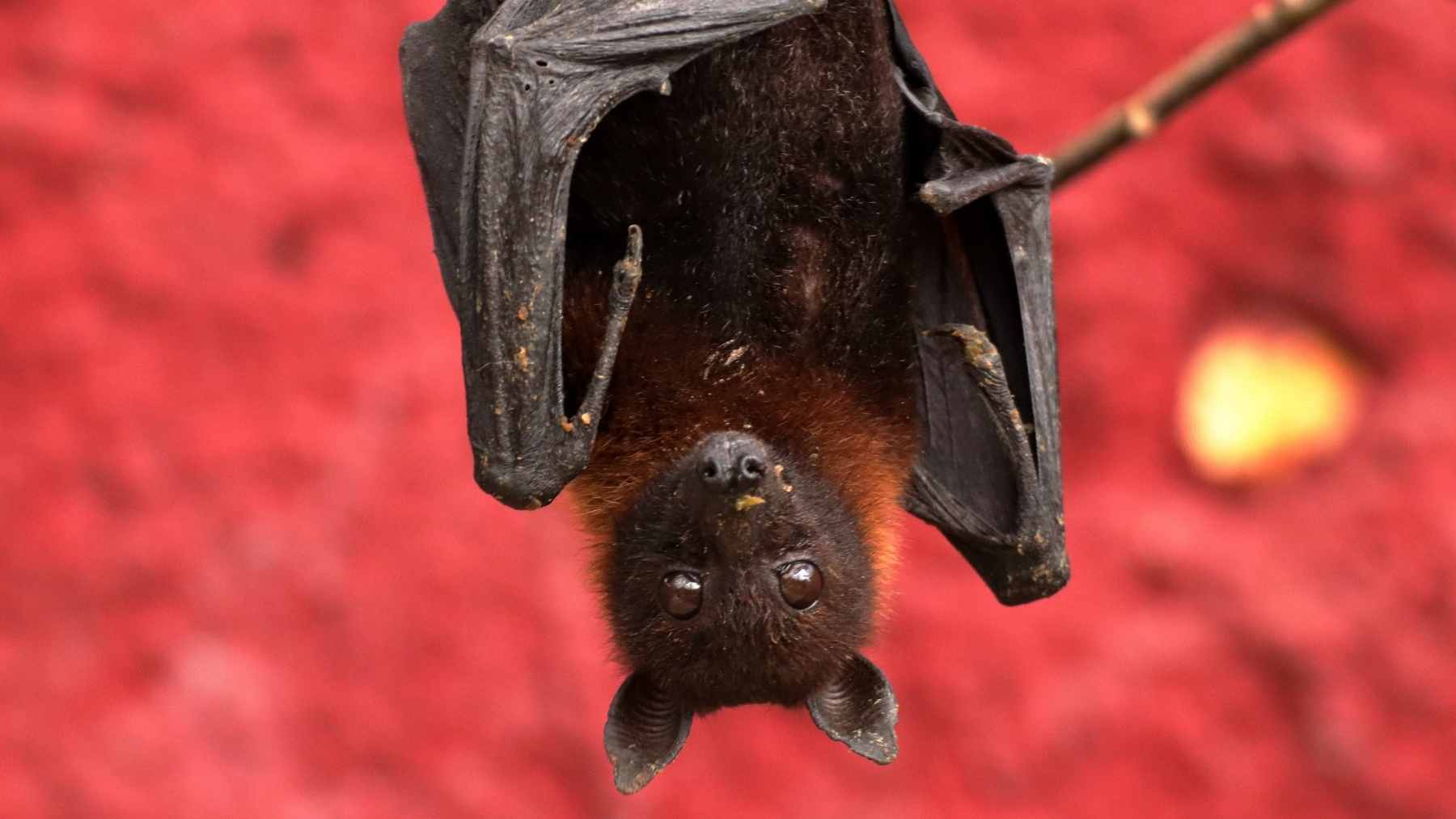
Think of forest edges, livestock areas, old buildings, and growing towns where the boundary between daily life and wild spaces gets thin.
Earlier research in Proceedings of the Royal Society B made a similar point about spillover, the moment a pathogen jumps from one species to another.
It described that jump as a chain of conditions, including where reservoir animals live, when viruses are shed, and whether people or livestock are exposed. Break the chain, and the risk falls.
Killing bats is not the answer
What should not follow is panic. The evidence points toward targeted monitoring and habitat protection, not blanket fear or attacks on colonies. In fact, negative attention toward bats can backfire if it leads people to disturb roosts and push animals into more stressful contact with humans.
Bats also do real work for ecosystems and farms. Some eat insects that damage crops, while others pollinate plants or spread seeds. Lose those services, and the effects can show up far from a cave, even in the price and stability of food production.
There is a human lesson here too. A bat in an attic or barn should not become a symbol of doom. For the most part, the real warning sign is the mix of stressed wildlife, disrupted habitat, and frequent contact.
Smarter surveillance
Monitoring every bat species in every country is not realistic. Fieldwork takes trained teams, safety gear, permits, money, and time, often at night and in hard-to-reach places. That is why narrowing the search matters.
In practical terms, the study offers a better compass. Public health programs can focus on the bat lineages and regions where the evidence points to higher epidemic potential, while conservation programs reduce the conditions that make spillover more likely.
The official study has been published in Communications Biology.