A boiled egg sounds like the simplest breakfast in the world. Drop it in hot water, set a timer, peel it, and hope the yolk is not chalky or the white is not slippery.
Italian researchers say there may be a better way, but it asks more from the cook. Their answer is a 32-minute method that moves the egg back and forth between boiling water and cooler water, using physics to treat the yolk and white almost like two separate foods.
Why eggs are hard to cook
The problem is hiding inside the shell. The yolk begins to cook well at about 149 degrees Fahrenheit, while the white needs closer to 185 degrees Fahrenheit to set properly.
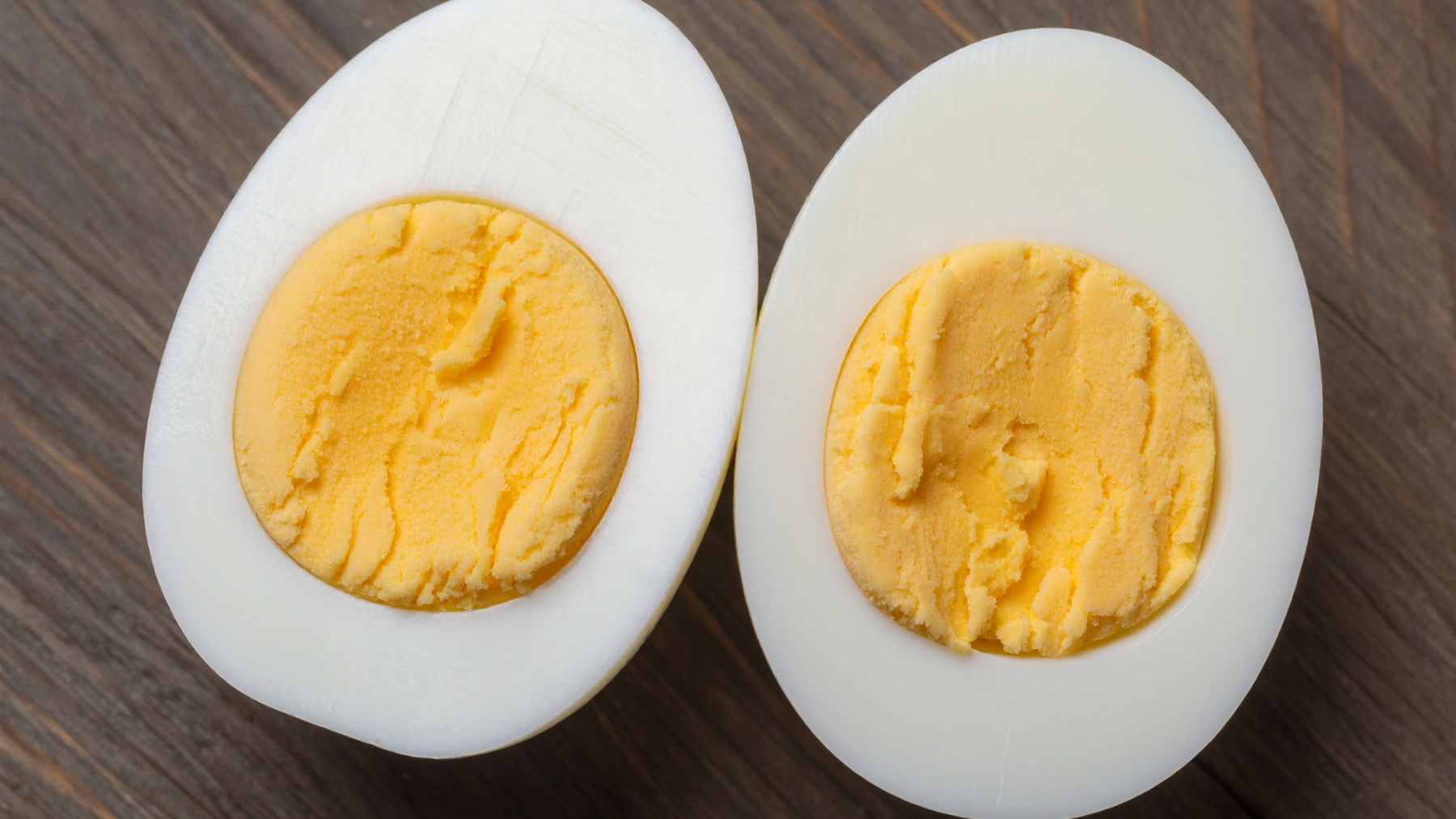
That is why regular boiling is a compromise. Water at 212 degrees Fahrenheit can firm the white, but it can also push the yolk toward that dry, gray-rimmed texture many people know from packed lunches.
On the other hand, “sous vide” cooking holds food at a lower, steady temperature. It can leave the yolk creamy, but the white may remain loose and a little too slippery for many tastes.
The 32 minute method
The new method is called “periodic cooking.” In practical terms, that means moving an intact egg every two minutes between one pot of boiling water and another container of water at 86 degrees Fahrenheit.
The full cycle lasts 32 minutes. The egg spends short bursts in hot water, then short breaks in cooler water, and the process repeats eight times.
Why bother? The team’s computer model suggested that the white can heat and cool near the shell while the yolk stays steadier, close to the temperature that gives it a soft, creamy texture.
Science in the saucepan
The work was led by Emilia Di Lorenzo and Ernesto Di Maio at the University of Naples Federico II, with Pellegrino Musto of the National Research Council’s Institute on Polymers, Composites and Biomaterials among the coauthors.
The researchers first used computational fluid dynamics, a computer method that follows how heat moves through materials. Then they cooked real eggs and compared periodic cooking with hard-boiled, soft-boiled, and low-temperature eggs.
It sounds like a lab experiment, and it was. But the setup was still familiar enough for a kitchen counter, with pans, water, a thermometer, and a lot of patience.
What the tests found
The researchers did not stop at cutting the eggs open and looking at them. They checked texture, taste, protein changes, and chemical composition to see whether the method really produced a different result.
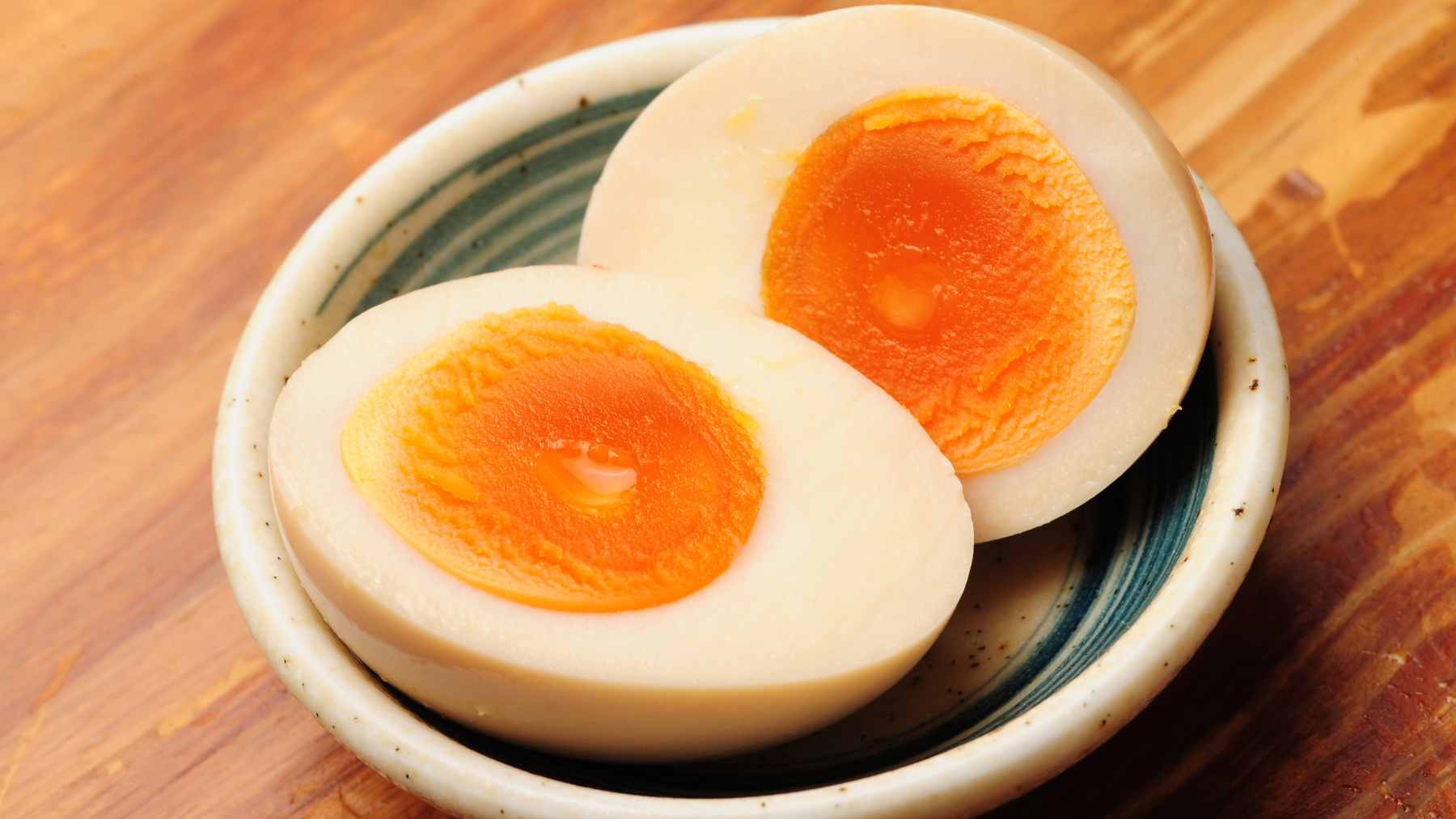
Their analysis found that the periodic egg kept a yolk similar to a low-temperature egg, while the white behaved more like one cooked in hotter water. That is the breakfast dream for many people, a yolk that feels creamy and a white that actually holds together.
The team also reported differences in nutrients, including higher levels of the polyphenols they measured in the yolk compared with other cooking methods. That does not turn one egg into a miracle food, but it does suggest that cooking style can change more than texture.
Earlier egg science
The idea did not come from nowhere. Earlier research in Food Biophysics helped show that time and temperature shape the texture of egg yolks cooked at low, steady heat.
A separate Food Chemistry study looked at how heat changes egg yolk proteins and thickness. In plain English, the inside of an egg is not just “done” or “not done.” It changes gradually, and those changes affect how it feels in the mouth.
That is why the new study matters. It takes a common kitchen problem and treats it as a heat-transfer puzzle, then turns the answer back into something people can actually try.
Is it worth doing at home
Here is the real question. Are most people going to spend 32 minutes moving one egg between two bowls of water before school or work? Probably not.
For a rushed breakfast, the usual six-to-twelve-minute boil will still win. But for a weekend brunch, a food experiment, or anyone who has strong opinions about the perfect egg, the method may be worth a try.
Study author Emilia Di Lorenzo described the yolk’s texture in simple terms, saying, “You can almost spread it, like on bread.” That may be the best sales pitch of all.
A small lesson from breakfast
This study is not really about making everyone cook eggs with a stopwatch. At the end of the day, what it shows is that tiny details can matter, even in something as ordinary as breakfast.
The method also points beyond the kitchen. The researchers say carefully timed heating and cooling could help in other processes, including materials treatment, where controlling texture and structure matters.
So yes, science says a “perfect” boiled egg may take 32 minutes. Whether that is brilliant or slightly ridiculous depends on how hungry you are.
The main study has been published in Communications Engineering.