What if diabetes care did not mean planning the day around needles, pumps, alarms, and blood sugar checks? Researchers in Israel and the United States have developed a living implant that acts like an artificial pancreas, using real cells to sense glucose and release insulin on its own.
The work is still in preclinical testing, so it is not available to patients. But the idea is significant because it aims to move diabetes treatment from repeated daily intervention to a self-regulating “living therapy” inside the body, according to the official release and the information provided for this article.
A tiny pharmacy inside the body
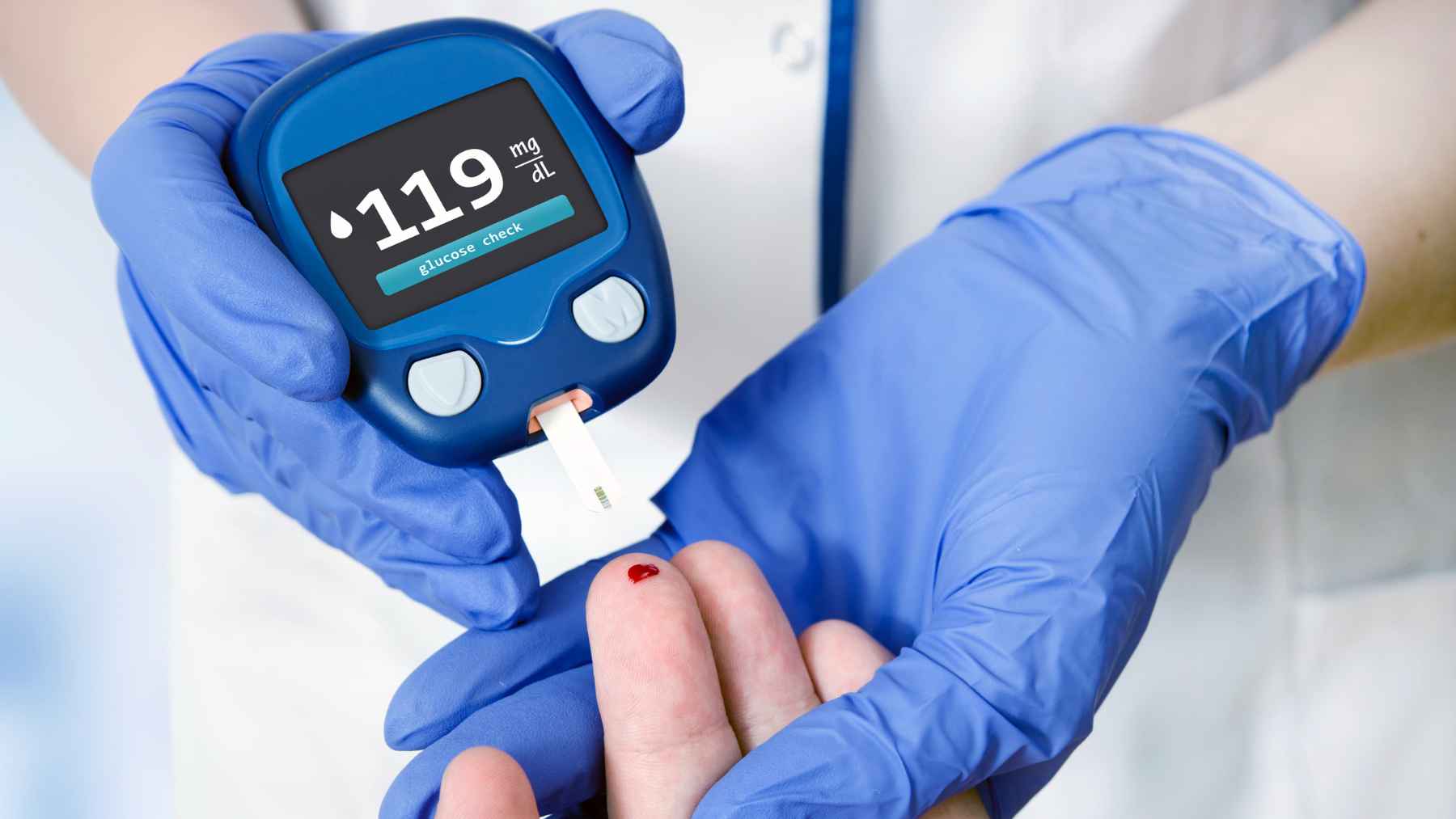
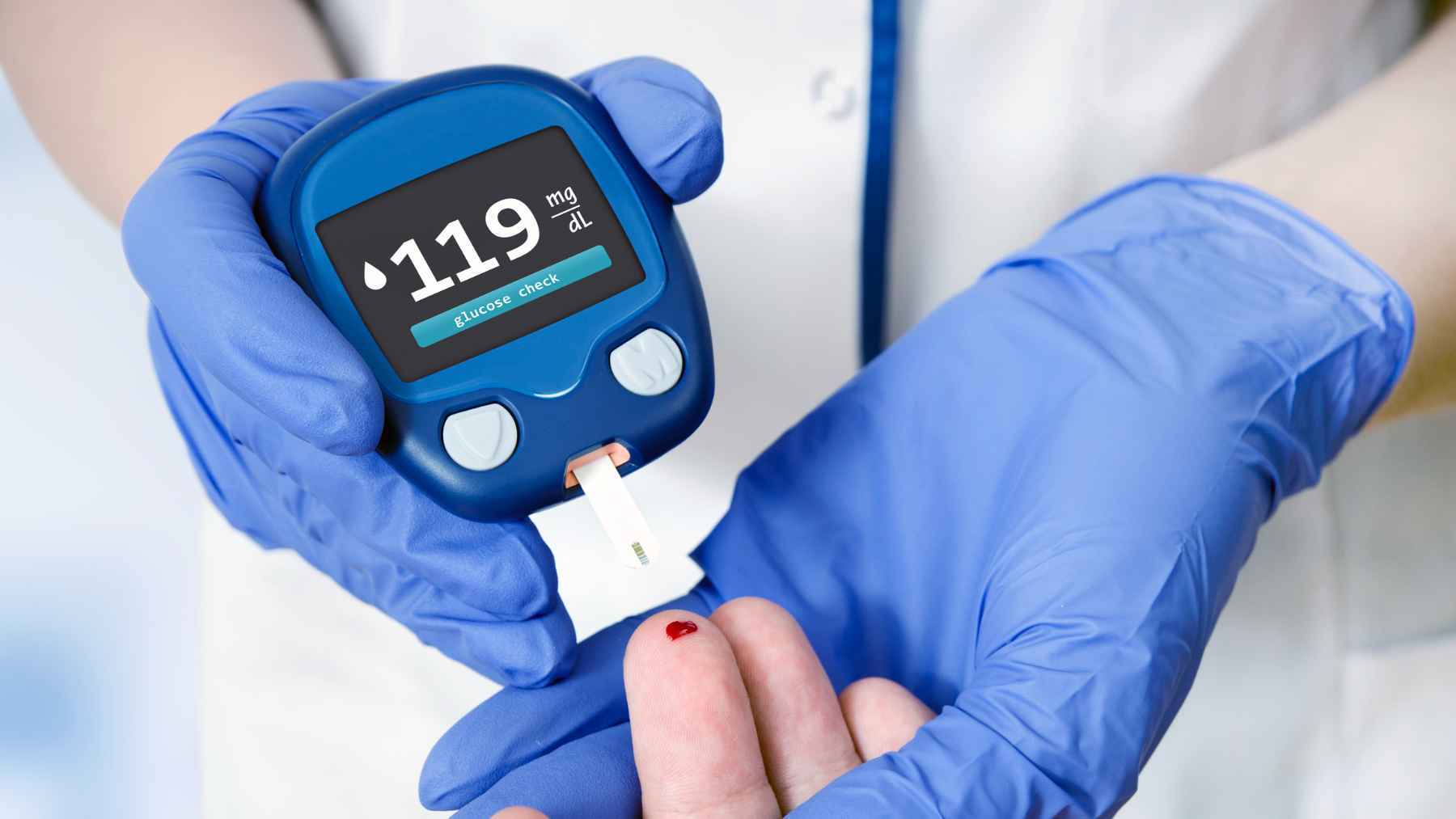
For many people with diabetes, especially those who depend on insulin, routine care can mean injections, pump supplies, glucose sensors, and the quiet stress of wondering whether blood sugar is rising or falling. The new implant is designed to take over that feedback loop.
In simple terms, it works like a tiny pharmacy made of cells. When blood sugar rises, the implant responds by producing and releasing insulin, the hormone that helps move sugar from the blood into the body’s cells.
Why insulin matters
The pancreas normally handles this job without much attention from us. It watches blood sugar and releases insulin when food, stress, illness, or exercise push glucose levels out of balance.
In diabetes, that system does not work properly. Some patients cannot make enough insulin, while others cannot use it effectively, and that is why daily treatment can become a constant part of life.
By the International Diabetes Federation’s latest estimate, about 589 million adults ages 20 to 79 were living with diabetes worldwide in 2024.
The shield that makes it possible
The hard part is not only making cells produce insulin. It is keeping them alive after implantation, because the immune system often treats foreign tissue like an intruder and surrounds it with scar-like material.
To get around that, the team built what it calls a “crystalline shield.” In everyday terms, the shield is meant to protect the living cells from rejection while still letting small molecules, such as glucose and insulin, move in and out.
What the animal tests showed
The study reported long-term glucose control in diabetic mice and survival of protected cells in nonhuman primates. That matters because many cell therapies look promising in small animals but struggle when tested in larger, more complex bodies.
There was a caution sign too. The approach protected same-species transplanted cell groups in primates, but cross-species human cell implants still triggered a stronger immune response. In other words, the shield helped, but it did not solve every immune problem.
A different kind of artificial pancreas
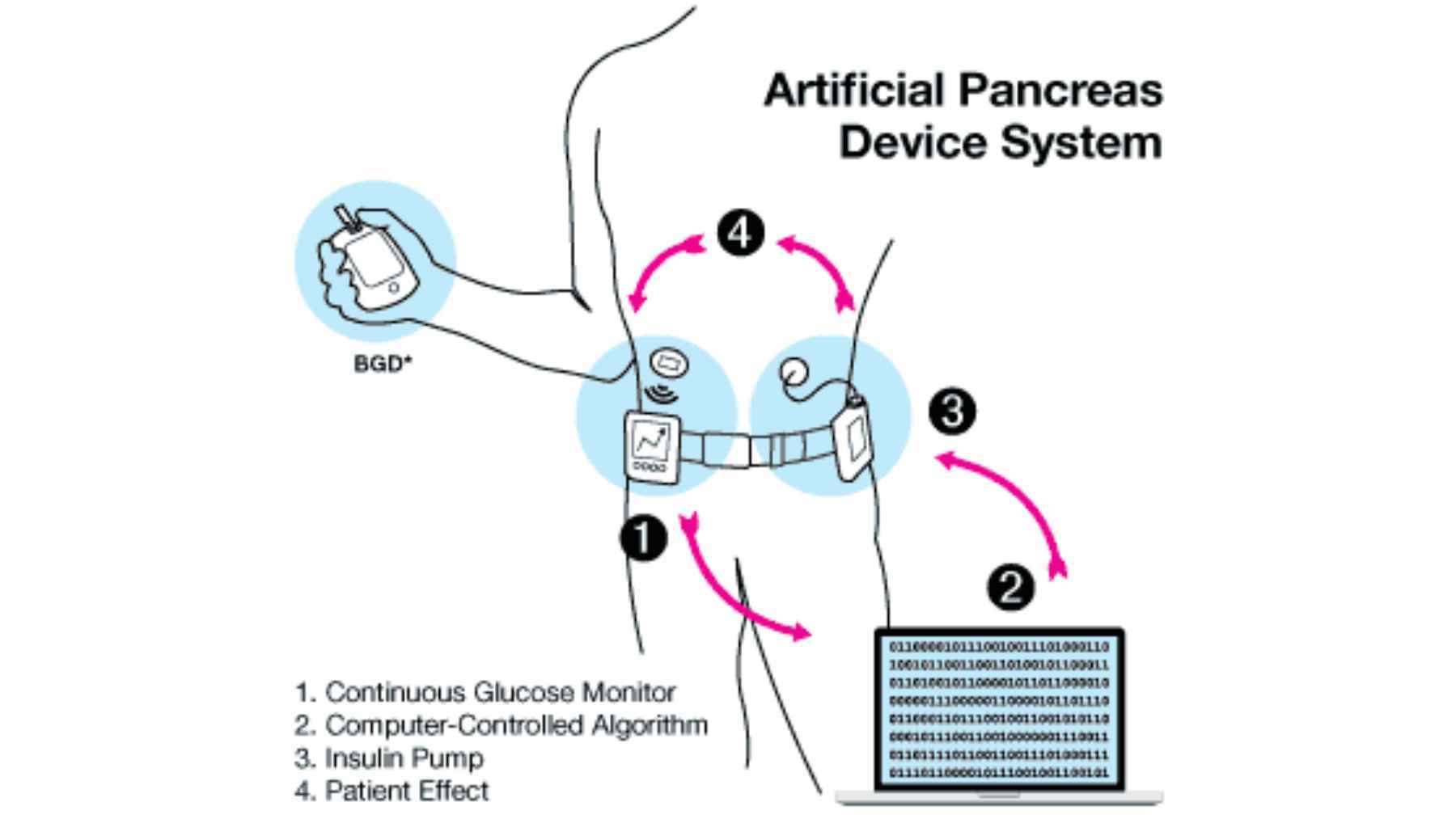
Today, the phrase “artificial pancreas” often refers to electronic systems that connect a glucose monitor, software, and an insulin pump. Those tools can be life-changing, but they still involve devices, supplies, charging, refills, alarms, and the daily reality of managing a chronic disease.
This new approach is different because it tries to use biology itself. The project was led by Assistant Professor Shady Farah at the Technion, with Matthew Bochenek and Joshua Doloff listed among the equal co-first authors, and collaborators at MIT, Harvard University, Johns Hopkins University, the University of Massachusetts, and Boston Children’s Hospital.
What it could mean for patients
For patients, the dream is easy to understand. Less needle time, fewer device hassles, and fewer moments spent checking whether a meal, a walk, or a stressful day has pushed glucose in the wrong direction.
But the careful word here is “could.” Human trials would still need to show that the implant is safe, durable, predictable, and practical to manufacture before doctors can use it outside research settings.
Beyond diabetes
The same platform may eventually help with other diseases that need steady doses of proteins inside the body. Hemophilia is one example, because patients with that condition may need replacement proteins to help blood clot properly.
At the end of the day, the broader idea is what makes this research stand out. Instead of asking patients to take medicine again and again, the implant tries to become a living source of medicine that adjusts itself from within.
The official study has been published in Science Translational Medicine.