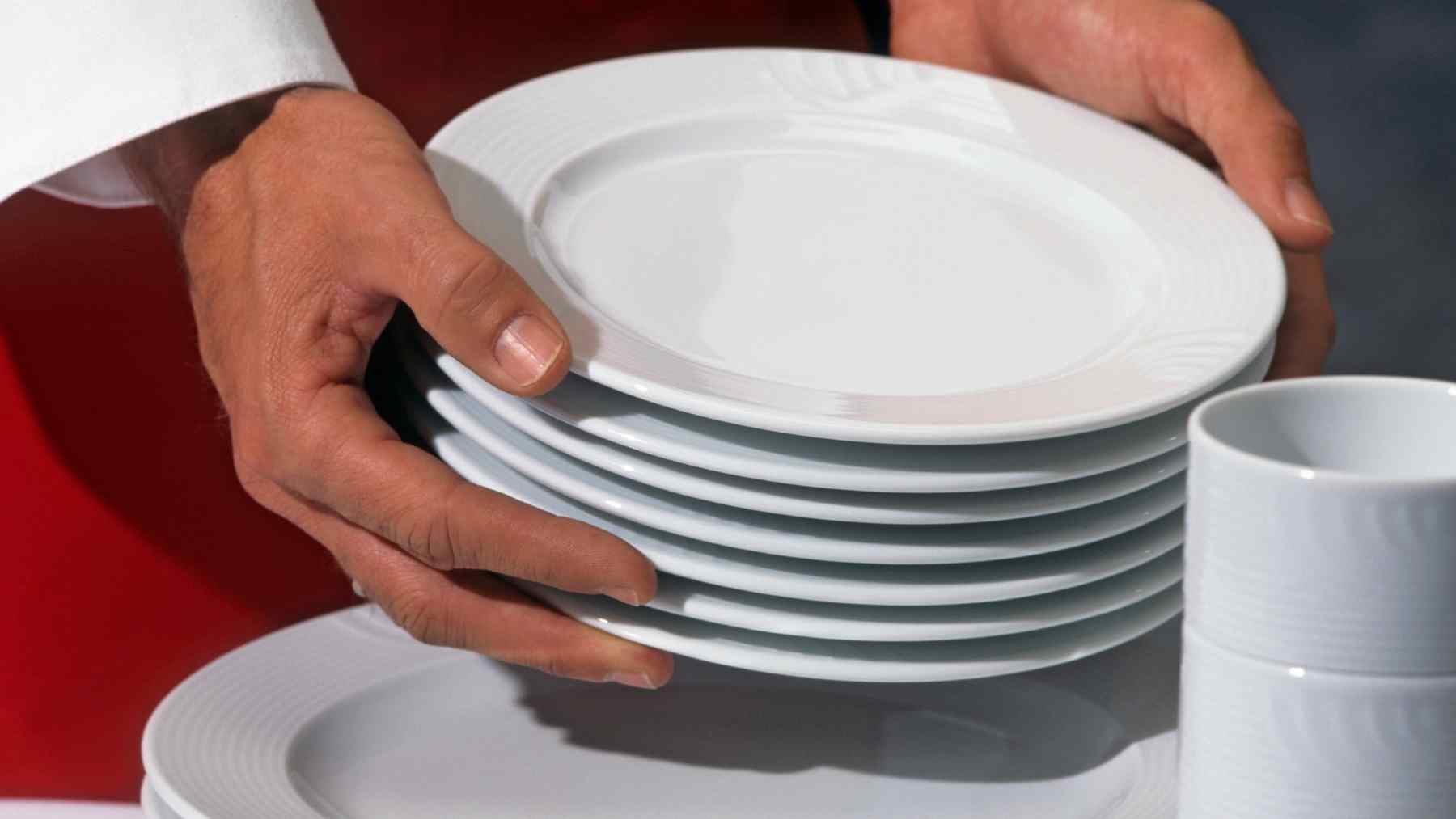
At a restaurant, character can show up before the check arrives. It may be in the way someone speaks to a server, how they react when food is late, or whether they quietly move empty plates to the edge of the table when the dining room is packed.
A recent discussion about diners who stack plates for servers links that small habit to traits such as respect, awareness, empathy, humility, good manners, and a desire to leave shared spaces better than they found them. Still, it is not a personality test. It is one small clue about how a person notices other people in everyday life.
A small act can reveal respect
People who help a server clear space are usually not thinking about status. They are not treating the person carrying the plates as “less than” because of the job they do.
That matters. In service settings, the way customers behave can affect workers more than diners may realize. A 2026 study in Cornell Hospitality Quarterly, based on 338 participants, found that workplace incivility from customers and supervisors was positively associated with employee burnout.
That does not mean one neat pile of plates changes a whole shift. But it can reflect a basic attitude, the idea that everyone at the table and everyone serving it deserves ordinary respect.
Awareness is the real signal
What does a stacked plate really say? Often, it says the person is paying attention.
They notice when a server is balancing five tables, weaving through chairs, answering questions, and trying not to drop a tray in the middle of the dinner rush. That kind of awareness is not dramatic. It is quiet, practical, and easy to miss.
This fits with how researchers describe prosocial behavior, which means voluntary actions motivated by concern for another person’s welfare. Evidence reviews note that these actions can be as simple as greeting someone, checking in, or having a brief positive interaction with a service worker.
Kindness without applause
One of the most telling parts of this habit is that it usually happens without an audience. Nobody gets a medal for moving a plate a few inches closer to the edge of the table.
People who do it often seem comfortable with small acts that will never be noticed. They are not performing kindness for credit. They are simply trying to make the next person’s job a little easier.
That’s the point. Good manners are not only about which fork to use or how loudly to speak. In practical terms, they are about lowering the amount of friction other people have to deal with.
Empathy makes the gesture possible
Empathy is at the center of this behavior. Even someone who has never worked in a restaurant can imagine the fatigue of a long shift, the noise of a busy room, or the pressure of staying polite when a customer is rude.
That kind of perspective-taking often spills into other areas of life. The same person may hold a door, clean up a coffee spill, or send the “made it home safe” text without being asked.
Researchers studying prosocial behavior have found that acts of kindness can benefit the person receiving help and may also support the well-being of the person offering it. One evidence brief notes that a strong body of research links prosocial acts with health and well-being benefits for the giver, especially through positive emotions and social connection.
Humility shows up in tiny choices
A humble person does not usually need to prove they are important. They are less likely to see ordinary help as beneath them.
That is why stacking plates can feel revealing. It suggests a person is not trapped in the mindset of “that’s not my job,” at least not in every small moment.
Of course, context matters. Fine dining rooms and busy kitchens often have their own systems, and some servers prefer guests not to stack plates because an uneven pile can disrupt their workflow. Recent restaurant etiquette reporting has also warned that well-meant habits, including stacking plates, can sometimes make service harder rather than easier.
The better move is to read the room
The healthiest version of this habit is not forcing help where it is not needed. It is reading the room.
If the server is clearing plates one by one, leave the system alone. If the table is cramped, a simple “Can I pass these to you?” may be better than building a tower of dishes, napkins, and silverware.
Small kindness works best when it is useful, not when it becomes another task for someone else to undo. That is a good rule far beyond restaurants.
What it says about daily life
At the end of the day, stacking plates is not proof that someone is generous, empathetic, or emotionally mature. People are more complicated than one restaurant habit.
But small behaviors do add up. The person who notices a server’s workload, says “thank you,” tips fairly, and leaves the table in decent shape is showing a pattern that points to respect.
And in a world where everyone is moving fast, that pattern feels worth noticing. The original article was published on YourTango.