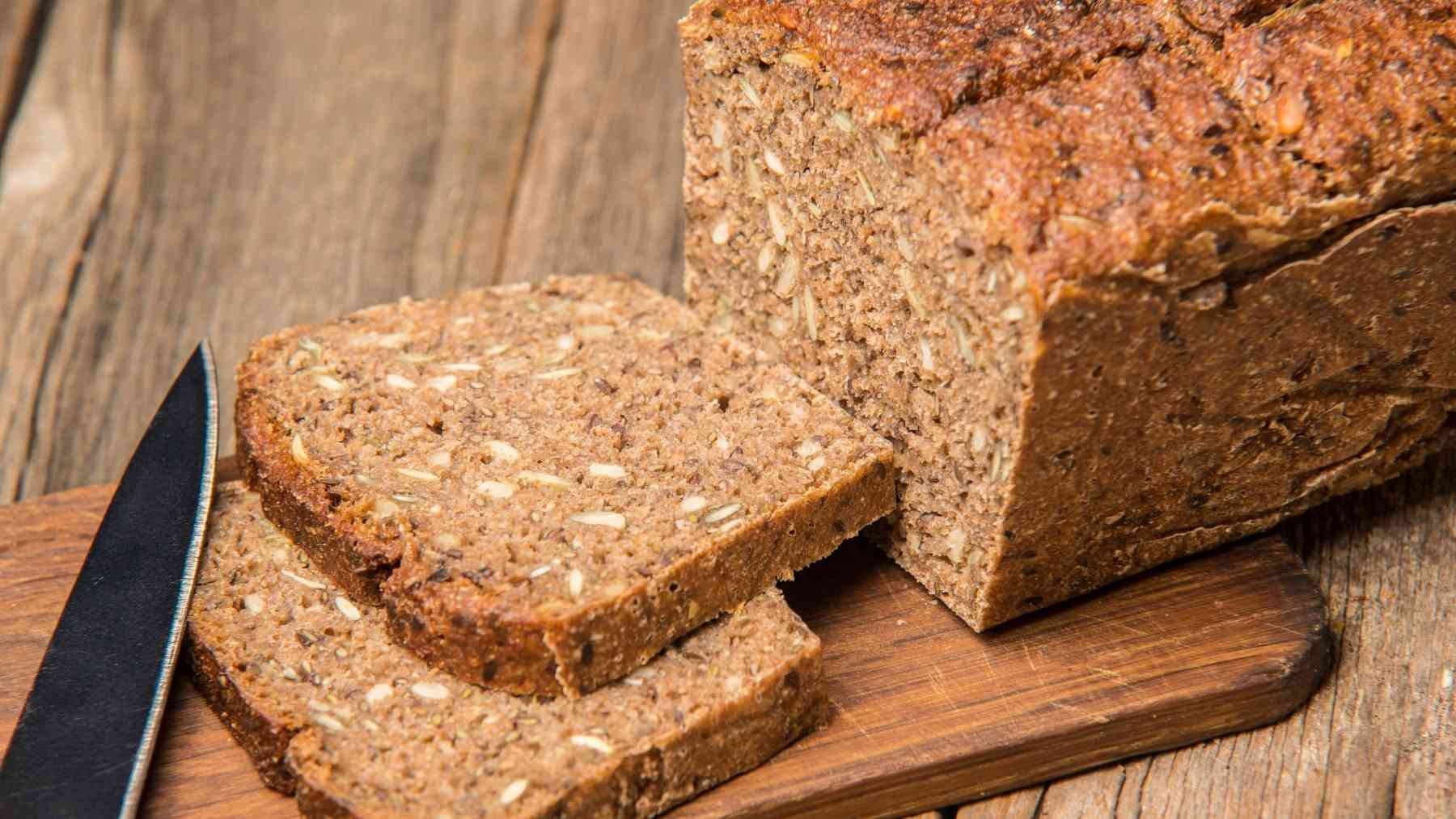
Whole-wheat bread has a health halo. It sits in grocery carts, gym bags, and weekday breakfasts because many people assume it is automatically lighter than white bread.
Clinical dietitian-nutritionist Laura Pérez Naharro is pushing back on that idea. In an interview with Europa Press Salud Infosalus, she said the real question is not whether a food is labeled whole-grain, but how it fits into the full diet, how filling it is, and what else is on the plate.
Whole grain is not a calorie trick
Pérez’s message is simple, and a little uncomfortable for anyone who buys whole-wheat bread as a shortcut to fat loss. After converting her example into U.S. units, about 3.5 ounces of whole-wheat bread provides practically the same calories as 3.5 ounces of white bread.
That does not make the two breads identical. It means the calorie gap is not the main story. FoodData Central based nutrition lookups place common white bread and common whole-wheat bread in a close range, roughly 250 to 270 calories per 3.5 ounces, depending on the product and recipe.
Pérez put it more sharply. Whole-grain is not automatically “lower in calories,” and “the difference is not in the energy.” The bread itself is not the villain. The automatic halo is.
Why fiber still matters
So, should everyone go back to white toast and stop caring about whole grains? Not quite. The better case for whole-wheat bread is usually fiber, fullness, and overall diet quality, not a secret calorie advantage.
The CDC says fiber moves slowly through the stomach, helps people feel full for longer, and supports blood sugar control because the body does not absorb it like other carbohydrates. MedlinePlus also notes that whole grains contain the full grain, while refined grains have had the bran and germ removed, which is why whole-grain foods usually have more fiber and protein.
That matters in real life. A breakfast that keeps you full until lunch can quietly reduce the urge to snack in the middle of the morning, especially on days when coffee and a rushed slice of toast are doing too much of the work.
The breakfast mistake
Pérez warns that even whole-wheat bread can backfire if someone eats a lot of it by itself. A big serving of toast without protein or healthy fat may still leave some people hungry again a few hours later, especially if the rest of the day is low in vegetables, fruit, and quality protein.
In practical terms, that means the plate matters more than the label. Whole-wheat toast with eggs, avocado, tuna, nut butter, olive oil, or a protein-rich dairy option will usually be more satisfying than bread eaten alone.
This is where diet advice gets less glamorous but more useful. The question is not just “white or whole-wheat.” It is “what am I building around it?”
When white bread can make sense
Here is the twist many shoppers miss. Pérez says a refined food can sometimes be more useful than an ultra-processed product that happens to say whole-grain on the box.
Her example was a simple one. White bread with extra-virgin olive oil, tomato, and fresh cheese can be more interesting nutritionally, and even lower in calories, than whole-grain cookies. That may sound odd at first, but it makes sense once the whole meal is considered.
A cookie does not become a health food because the flour is whole-grain. Sugar, added fats, low protein, and a small serving that fails to satisfy can still make it easy to eat more than planned.
Labels are only the first clue
A better shopping habit starts with the ingredient list. MedlinePlus advises looking for whole grains first on the label, not just trusting the front of the package. The U.S. Dietary Guidelines also recommend prioritizing fiber-rich whole grains and cutting back on highly processed refined carbohydrates.
Still, even among whole-grain foods, processing matters. Pérez notes that oat flakes and oat flour do not satisfy in the same way, even when both come from oats, because breaking down the food structure usually makes digestion easier and may reduce the filling effect.
That is why a bowl of oats, a slice of dense whole-grain bread, and a packaged whole-grain snack are not the same thing. Same category, different impact.
Who may need a different approach
Whole grains are a good default for many adults, but they are not a one-size-fits-all rule. Pérez says very young children may need enough energy for growth, and too much fiber can make them full before they get enough calories.
People with digestive conditions may also need a more tailored approach. During active inflammatory bowel disease flares, for example, temporarily reducing certain insoluble fibers may be necessary under medical guidance, while tolerance can change again during calmer periods.
Athletes are another group where timing matters. Before competition or during long training sessions, Pérez notes that faster-digesting, more refined carbohydrate sources may sometimes be more useful than high-fiber choices. That is not a free pass for junk food. It is context.
The takeaway
At the end of the day, whole-wheat bread is a tool, not a magic trick. It can help with fullness, digestion, and better food quality, but it does not erase calories or fix a diet built mostly around processed snacks.
For most people, the smarter move is simple. Pick bread you enjoy, watch the portion, and pair it with protein, produce, and healthy fat when possible. The U.S. guidance points people toward fiber-rich whole grains, but it also keeps the bigger picture in view.
The interview with Laura Pérez Naharro was published on Infosalus.