A person walking with their eyes fixed on the floor may look shy, distracted, thoughtful, tired, or simply careful. That is the tricky part. Body language can offer clues, but it is not a magic key to someone’s personality.
A March 2026 report from El Tiempo, later carried by La Nación, put a common everyday gesture under the microscope. Experts described walking as a kind of “silent language,” one that can project emotional state, attitude, and confidence before a person says a word.
Why people look down
Looking at the ground while walking is often linked to shyness or social insecurity, especially when the person also avoids eye contact. In that case, the downward gaze may work like a small shield, limiting interaction with people nearby.
But is it always insecurity? Not really. The same gesture can also appear in people who are deep in thought, dealing with worry, moving through a low mood, or simply distracted by what is happening in their own head.
That is why context matters so much. A student walking out of an exam, a commuter dodging traffic noise, and a person heading into a difficult meeting may all look down for different reasons.
The leadership signal
Claudia Merino, an international image consultant and executive presence coach, told El Tiempo that the way people walk can play a major role in personal presence. According to the report, constantly looking at the pavement may project low self-confidence, especially when it comes with contracted shoulders, short steps, and an unsteady walk.
Merino described this combination as part of a broader “systemic posture.” In professional or social settings, that cluster of signals may be read as “low energy,” which can affect how others perceive determination, authority, and leadership.
That does not mean a person loses credibility every time they glance down. It means repeated patterns can become a first impression, for better or worse.
When it is just practical
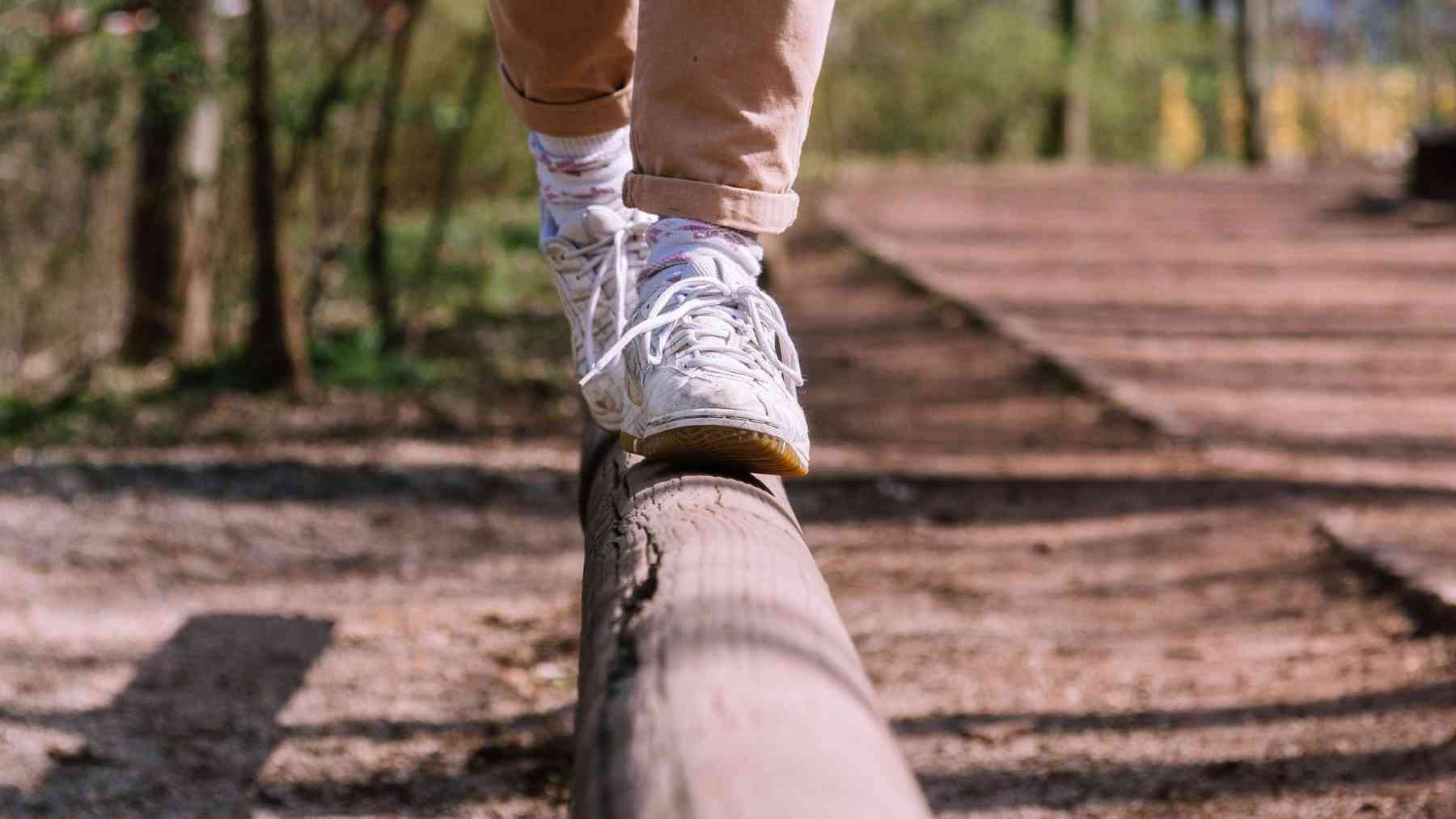
Sometimes, looking down has nothing to do with confidence at all. Think about cracked pavement, slippery stairs, a crowded sidewalk, or that awkward moment when you are trying not to trip while your phone is buzzing in your pocket.
Research on walking and gaze supports that more practical explanation. A 2022 Scientific Reports study noted that downward gazing is often observed when walking requires guidance, and it may help support walking stability.
In simple terms, the body may be doing its job. The eyes check the path so the feet know where to land. Not glamorous, but useful.
What research adds
The link between gaze and emotion is also important, especially when social anxiety enters the picture. A systematic review in the Journal of Anxiety Disorders examined 61 publications and found that adults with diagnosed social anxiety disorder showed visual avoidance of faces across different social situations.
Still, the same review warned that the picture is more nuanced for people with high social anxiety but no diagnosis. Avoidance depended on the type of situation, which is another reminder that one behavior should not be turned into a quick label.
Posture research points in the same direction. A 2023 PLOS ONE study had 29 participants in one experiment and 25 in another adopt different sitting and standing postures, finding that posture could influence emotional arousal and valence.
How to adjust the habit
For people who want to project more confidence, the first step is not forcing a fake swagger. It is awareness. Notice when your eyes drop, what you are feeling, and whether the habit shows up mostly in certain places, such as work, school, crowded streets, or social events.
A small adjustment can help. Keep the chin relaxed, let the shoulders open, and look a few feet ahead instead of straight at the ground when the path is safe. This still lets you watch where you are going without closing yourself off from the world around you.
Eye contact does not have to be intense, either. Brief, natural glances are usually enough. Nobody needs to stare like they are in a job interview every time they buy coffee.
When to pay attention
There is a difference between a momentary habit and a repeated pattern. El Tiempo’s report emphasized that tiredness, a specific emotional moment, or temporary absorption in thought can change anyone’s posture for a while.
But when looking down becomes the default, it may be worth asking what is behind it. Is it fatigue? Worry? Fear of being judged? Or just a habit picked up during stressful months?
If the downward gaze comes with persistent sadness, anxiety, isolation, or a loss of interest in daily life, the issue may go beyond body language. In that case, it can be useful to speak with a qualified mental health professional.
The bottom line
Walking while looking at the ground can communicate insecurity, introspection, caution, distraction, or simple self-protection. It can also be a practical response to the environment. One gesture rarely tells the whole story.
What it can do is offer a small window into how the body and mind are working together in everyday life. Sometimes that window shows stress. Sometimes it shows focus. Sometimes it just shows a person trying not to trip.
The study on downward gaze and walking stability was published on Scientific Reports.