A person walking with their eyes fixed on the sidewalk can be easy to misread. Maybe they seem shy. Maybe they look worried. Or maybe they are simply trying not to trip on a cracked curb while thinking about tomorrow’s to-do list.
According to psychology, looking down while walking is not a personality test. It can point to discomfort, low mood, deep focus, or plain old attention to the path ahead, but experts warn that the real meaning depends on the person, the situation, and the rest of their behavior.
It may signal social discomfort
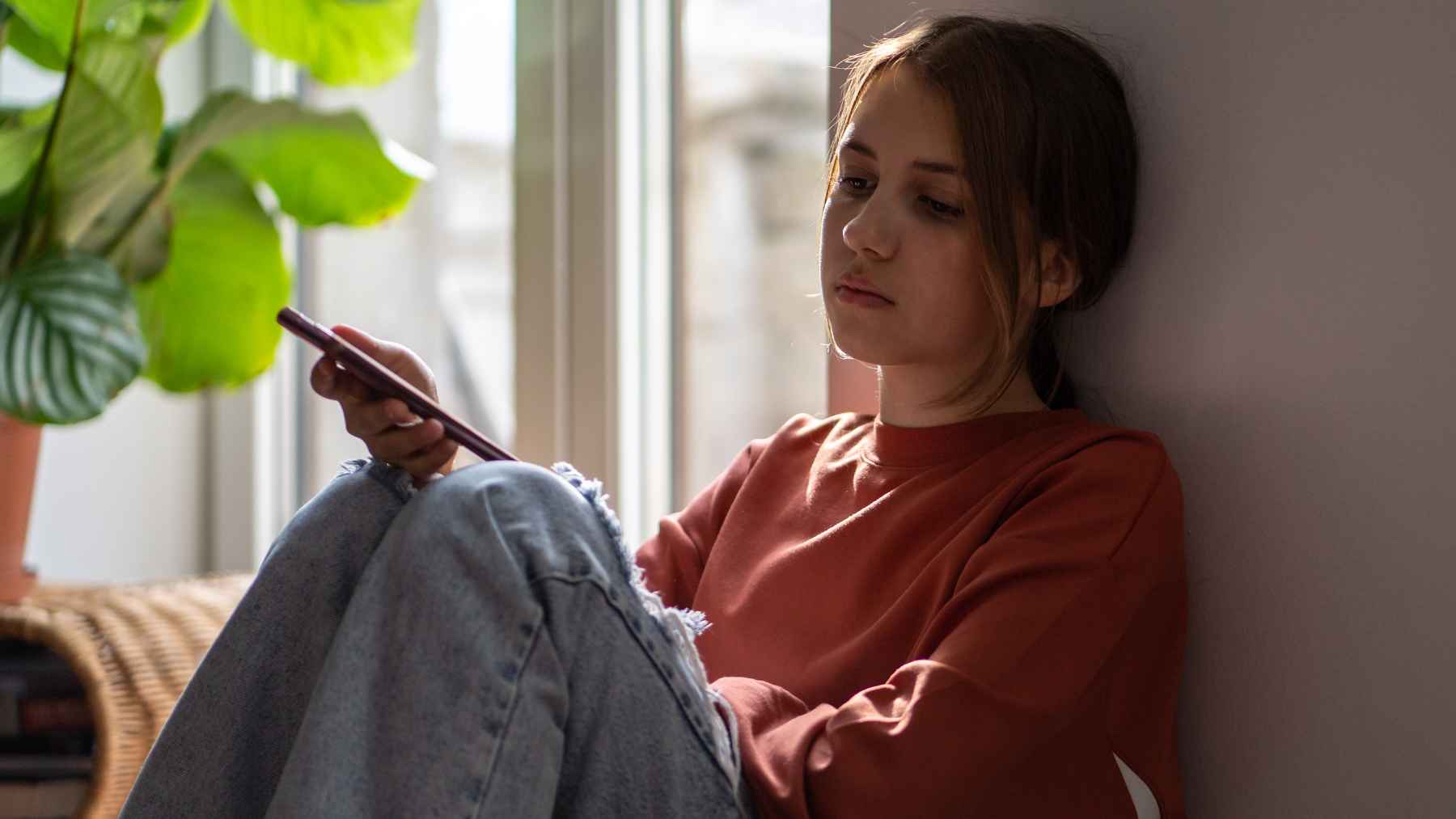
In some cases, looking at the ground can be linked with shyness, insecurity, or social anxiety. Eye contact is a powerful social cue, and for some people it can feel intense, especially in crowded hallways, busy sidewalks, elevators, or any place where strangers are close.
Mayo Clinic notes that social anxiety disorder can involve fear of being judged negatively, avoidance of everyday interactions, and difficulty making eye contact. That does not mean every downward gaze is anxiety, but it does explain why some people lower their eyes when they feel watched.
The eyes can protect us
Sometimes the reason is much simpler. We look down because walking is not as automatic as it feels, especially when the ground is uneven, the street is busy, or there are stairs, curbs, puddles, backpacks, dogs, and phone-scrollers everywhere.
A 2026 PLOS ONE study found that adaptive walking relies on proactive gaze to plan foot placement and stay stable. In the study, 23 young adults ages 18 to 23 walked through a target-stepping task, and added mental workload changed both their gaze and their walking speed.
Thinking changes the walk
Ever left the house and realized you do not remember part of the walk because your mind was somewhere else? That small everyday moment matters. The PLOS ONE researchers found that when participants performed a second cognitive task while walking, they walked more slowly, spent longer in stance, and made fewer and shorter fixations on task-relevant stepping targets.
In practical terms, looking down can sometimes mean a person is concentrating. They may be planning their next step, solving a problem in their head, or trying to keep their body steady while their attention is split.
Mood can show up in movement
Body language researchers have also studied the connection between mood and gait. A 2021 Frontiers in Psychiatry study using walking data from 247 people reported that depression could be recognized through gait features in a machine-learning model, while earlier research has linked depression with slower walking speed, shorter strides, reduced arm swing, and more slumped posture.
That sounds striking, but it needs a careful reading. A slower or downward-looking walk cannot diagnose depression, just as a smile cannot prove someone is happy. It becomes more meaningful when it appears with other signs, such as withdrawal, fatigue, sadness, loss of interest, or changes in daily routine.
One gesture is not the whole story
This is where psychology asks us to slow down. A person who avoids eye contact may be anxious, but they may also be tired, focused, respectful, neurodivergent, distracted, or simply not in the mood to scan every face on the street.
Research on gaze and social anxiety is not perfectly tidy either. A Scientific Reports study noted that while direct eye contact can feel like a cue of scrutiny for socially anxious people, evidence on whether gaze anxiety always leads to gaze avoidance is mixed, especially in real face-to-face interactions.
Culture and setting matter
Eye contact does not mean the same thing everywhere. A 2025 cross-cultural study on gaze behavior in face-to-face interaction found that gaze patterns should be assessed within the full interaction, not in isolation, while also considering nonverbal communication and cultural context.
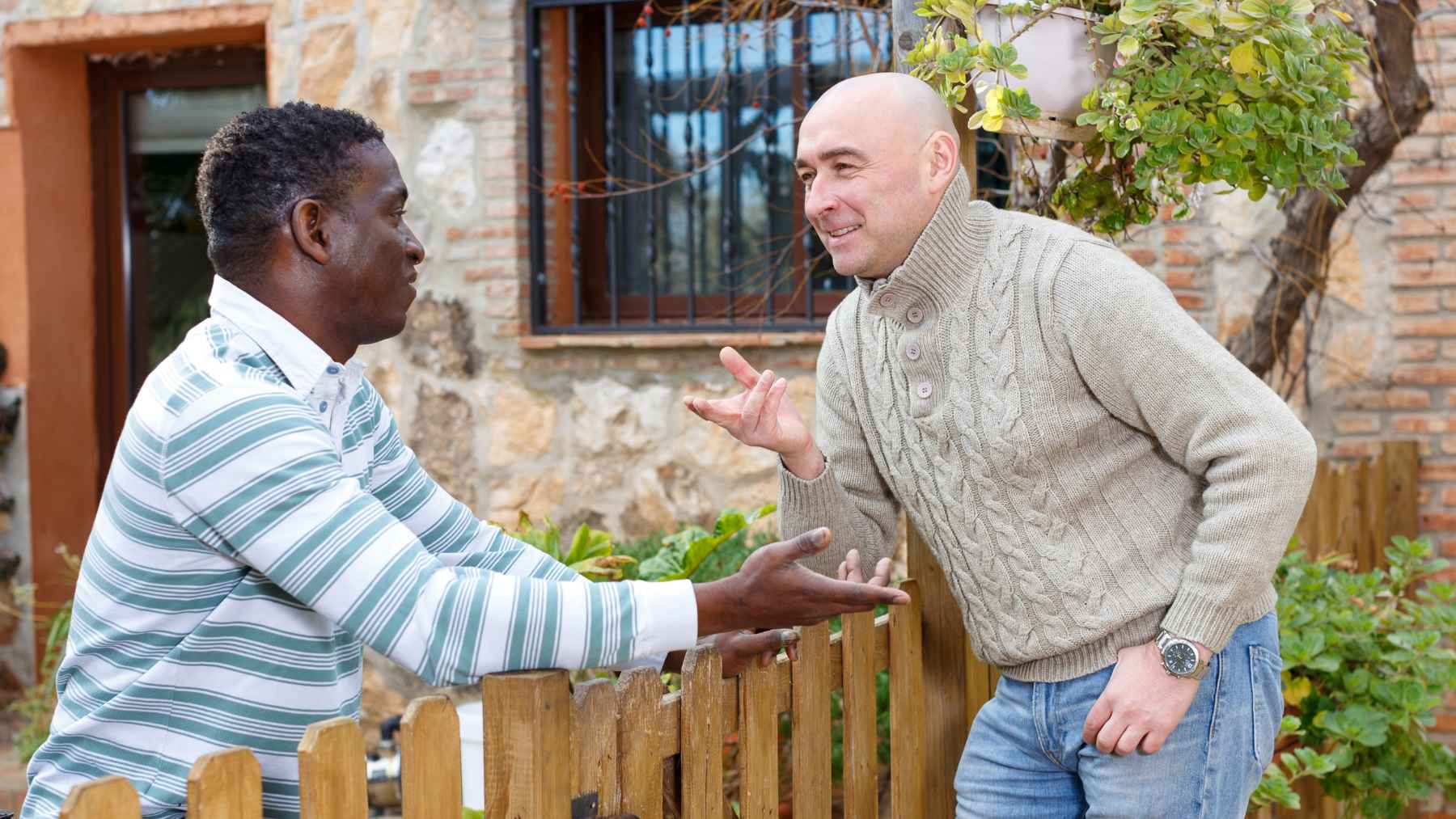
That matters in real life. Looking down while passing a neighbor in a quiet hallway may read differently than looking down while crossing a noisy street, walking into a job interview, or moving through a crowded subway station.
When should you pay attention?
There is no need to worry about someone just because they often look at the floor. The more useful question is whether the behavior is new, constant, or paired with emotional distress. Does the person seem withdrawn? Are they avoiding friends, work, school, or normal routines?
Cleveland Clinic lists avoiding eye contact and stiff body posture among possible physical symptoms of social anxiety, alongside fear, worry, and intense nervousness. When those signs interfere with daily life, talking with a health professional can be a helpful step.
Small changes can help
For people who look down because of nerves, the goal is not to force long, uncomfortable eye contact. A gentler option is to lift the gaze briefly, look at a person’s forehead or nose, or practice during low-pressure moments like ordering coffee or greeting a coworker.
For people who look down because they are distracted, the advice is different. Put the phone away on stairs, curbs, and crowded sidewalks. Your brain may be busy, but your feet still need a map.
Downward gaze and self-awareness
At the end of the day, looking at the floor while walking can say something, but it rarely says everything. It may be a quiet signal of worry, a habit of introspection, a safety strategy, or just the body doing what it needs to get through the day.
The safest interpretation is also the most human one. Notice the pattern, consider the context, and avoid turning one small gesture into a full psychological profile.
The study was published on PLOS ONE.