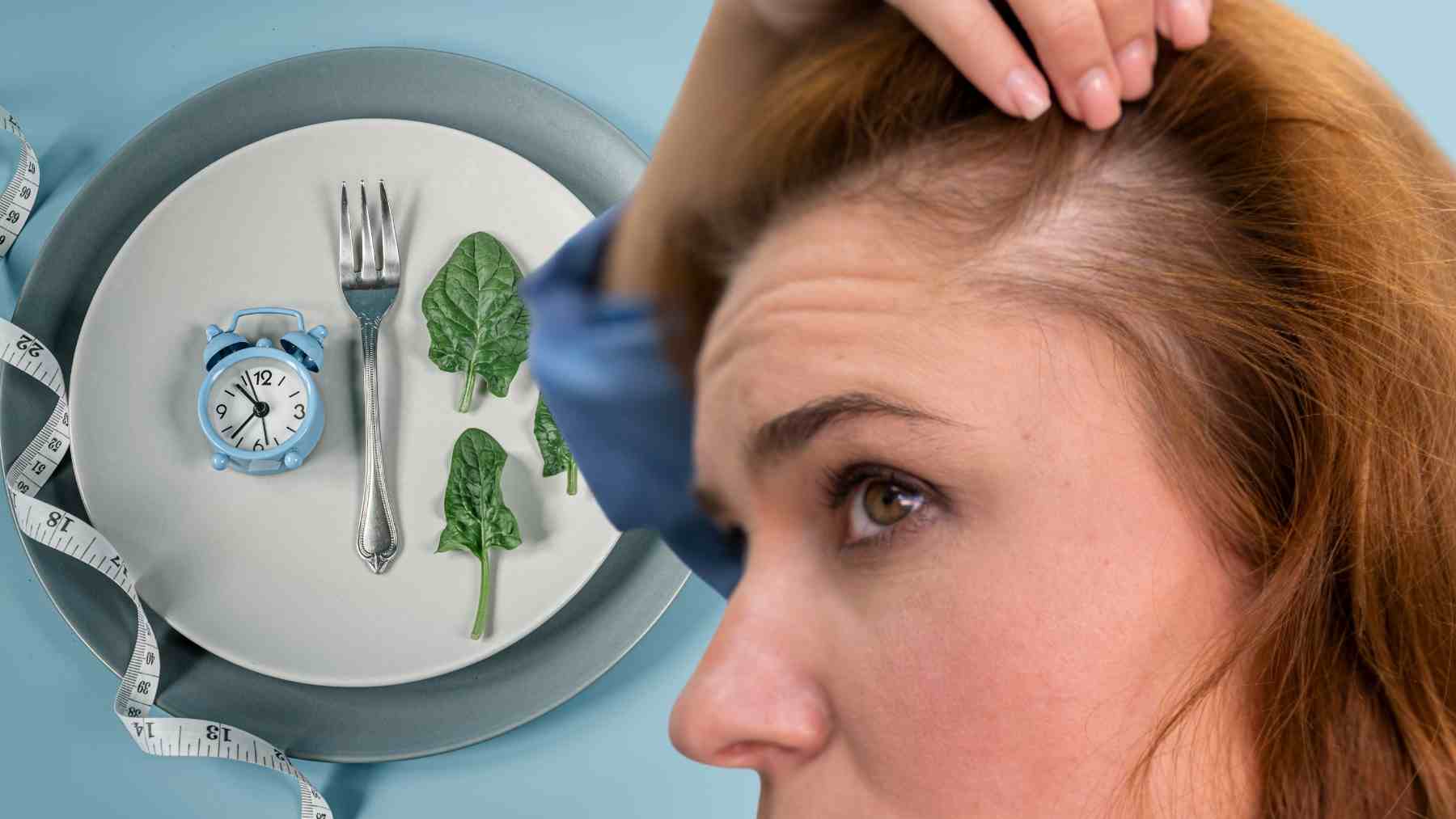
Intermittent fasting has been marketed as a simple health upgrade, the kind of routine you can squeeze between work emails and the school run. Now, researchers are adding a detail that many people will care about for a different reason than blood sugar. Your hair.
A 2024 study in the journal Cell found that common fasting schedules slowed hair regrowth in shaved mice, and a small randomized clinical trial suggested a milder slowdown in human hair growth speed. In 2026, a Cochrane review also concluded that intermittent fasting is not clearly better than traditional dietary advice for weight loss, which changes the calculus for anyone fasting mainly to see the scale move.
What the hair study found
Westlake University scientists shaved mice and then tested two fasting patterns, an eight hour daily eating window with 16 hours of fasting, and an alternate day feeding schedule. After 30 days, mice with unlimited food had regrown most of their hair, while both fasting groups still showed only partial regrowth after 96 days.
The team also ran a small randomized clinical trial with 49 healthy young adults using a daily 18 hour fast. Over 10 days, the average speed of hair growth was 18% lower in the fasting group than in controls, and the researchers said larger, longer studies are needed to confirm the effect. “We don’t want to scare people away from practicing intermittent fasting,” senior author Bing Zhang said, calling it an “unintended” effect to keep in mind.
What may be happening inside the follicle
In the mouse experiments, the slowdown was tied to hair follicle stem cells that could not cope with oxidative stress during extended fasting. When the body shifts toward using fat as fuel, nearby fat tissue releases free fatty acids, and the study linked higher local fatty acid levels to a build up of reactive oxygen species and stem cell apoptosis.
Interestingly, the authors reported the effect was independent of calorie reduction and changes in circadian rhythm, suggesting it is not just about eating less. They also found epidermal stem cells that maintain the skin barrier were largely unaffected, and that boosting antioxidant defenses helped hair follicle stem cells survive fasting in mice, including with topical vitamin E. That is a lab finding, not a supplement recommendation.
The weight loss evidence is less magical than the hype
If you started fasting for weight loss, the most up to date big picture is sobering. A Cochrane review published February 16, 2026 examined 22 randomized studies with 1,995 adults living with overweight or obesity and found intermittent fasting may make little to no difference in weight loss or quality of life compared with traditional dietary advice.
Compared with no intervention or a waiting list, intermittent fasting likely made little to no difference in weight loss, and the review said it was less certain about unwanted events because of limited and inconsistent reporting. None of the included studies reported people’s satisfaction with fasting, which matters when you are trying to stick with a plan for months, not just a week.
Fasting can help some systems while stressing others
The hair findings do not mean intermittent fasting is “bad.” In fact, the Cell Press team noted metabolic benefits in the mice even as hair regeneration slowed, which is a reminder that the body can trade one win for another. What looks like a diet hack is also a powerful signal that changes how cells behave.
Other research points in the same direction. MIT scientists reported in 2024 that fasting followed by refeeding boosted intestinal stem cell regeneration in mice, but they also found that if cancer related mutations occurred during the regenerative refeeding phase, the animals were more likely to develop early stage intestinal tumors called precancerous polyps. The researchers stressed that more work is needed before drawing conclusions about humans.
Who should be cautious before trying fasting
Medical sources regularly warn that fasting is not for everyone, especially without supervision. The NIH advises talking with a health care provider first if you are pregnant or breastfeeding, take insulin or other diabetes medications, need to take medicine with food, or have conditions like a seizure disorder. Johns Hopkins also advises people with a history of eating disorders to avoid intermittent fasting, and flags hypoglycemia concerns for people with type 1 diabetes who use insulin.
Hair changes add a practical layer, because they are visible and they can be stressful. Sudden shedding can also be triggered by things like thyroid disease, iron deficiency anemia, malnutrition, or rapid weight loss, so it is worth checking in rather than guessing. Not everything in the shower drain is a “diet side effect.”
If you still want to fast, prioritize stability over extremes
So should you quit fasting? Not necessarily. But the studies suggest it is wise to choose a schedule that lets you consistently meet your nutrient needs, and to avoid turning the eating window into a rebound binge that just shifts calories later in the day.
It also helps to watch more than the scale. Energy, sleep, mood, training performance, and hair can all be early signals that the plan is not working for your body or your life right now, and that a simpler approach might fit better.
The review was published on Cochrane.