Discover a refreshing way to tackle gray hairs without turning to harsh chemical dyes. Here, we’re exploring a natural method that uses a common kitchen spice combined with a few everyday items. The idea is a DIY hair dye that not only covers grays but also nourishes and revitalizes your locks.
Many people search for alternatives to store-bought products, which often promise quick fixes but may cause long-term harm. This method has long been a trusted secret among those who prefer a natural approach and is perfect for anyone avoiding chemical treatments while still aiming for healthy hair. Let’s see the step by step.
DIY hair dye recipe to cover gray hair
Follow this guide to prepare your own hair dye. First, you will need the following ingredients:
- 3 tablespoons of cinnamon powder.
- 2 tablespoons of honey.
- 3 tablespoons of plain yogurt or your favorite conditioner.
- 1 tablespoon of olive oil.
Now, here are the instructions:
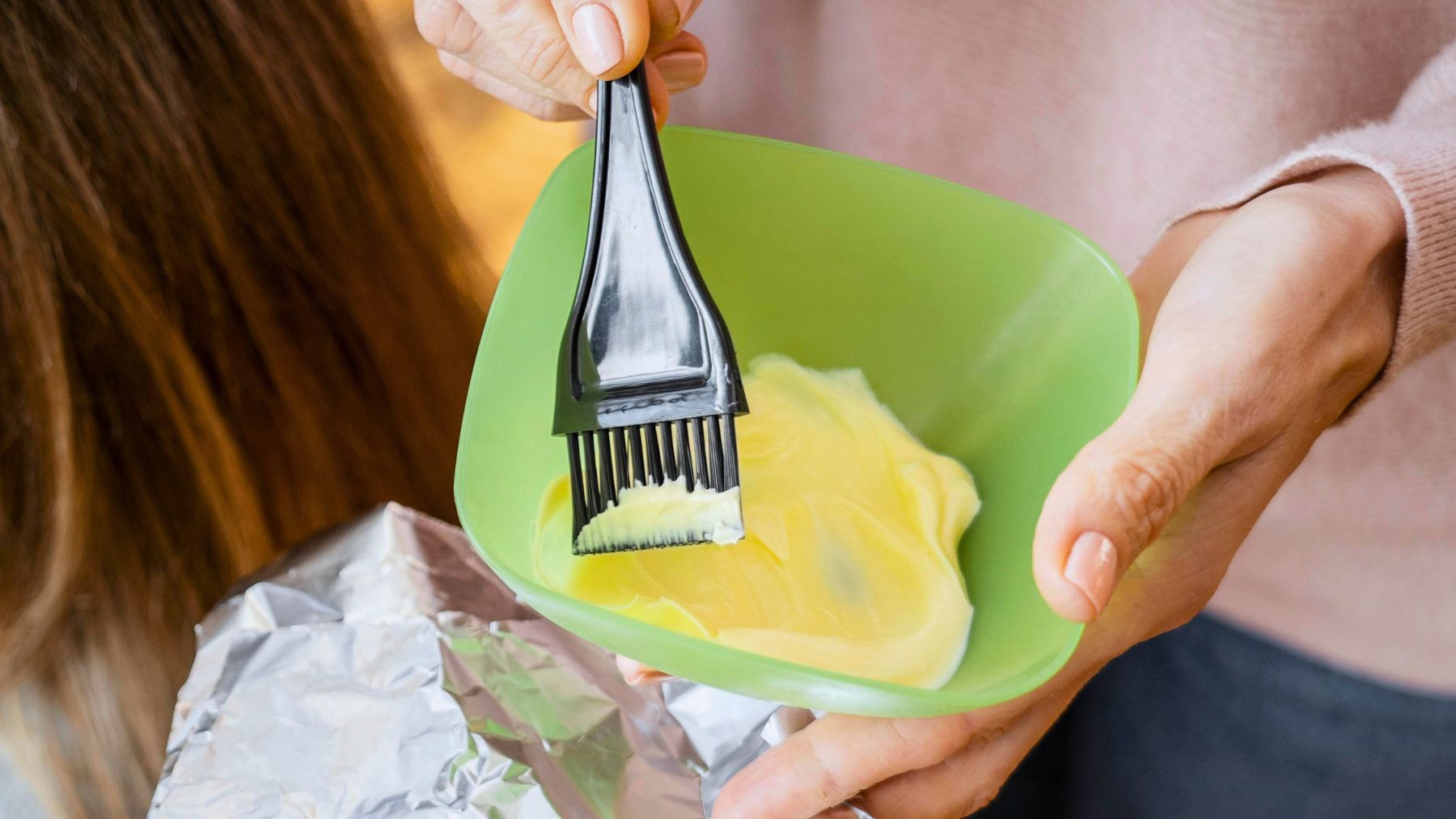
- Mix it up: In a clean bowl, combine the cinnamon powder, honey, and plain yogurt (or conditioner). If your hair tends to be dry, add olive oil for extra moisture. Stir the ingredients thoroughly until the mixture is smooth and free of lumps.
- Apply: Decide whether you prefer working on dry or slightly damp hair. Using your fingers or a brush, evenly apply the mixture from the roots to the ends of your hair. Ensure all strands are covered, and gently massage your scalp to distribute it effectively.
- Wait: Once applied, cover your hair with a shower cap or plastic bag to lock in moisture and heat. Let the dye sit for at least 3 hours. For a more noticeable effect, you can leave it on a bit longer.
- Rinse: Wash your hair thoroughly with warm water to remove the mixture. You can follow up with a gentle shampoo to eliminate any residue, then apply conditioner to lock in the benefits.
This easy recipe can be recreated at home with minimal effort. Experiment with timing and frequency until you find a routine that best suits your hair type. Using this treatment once a month is a great way to maintain optimal results.
Natural benefits of the hair mask
The beauty of this recipe lies in its natural ingredients, which deliver numerous benefits for your hair while avoiding harmful chemicals. Here’s why this combination works so well:
- Cinnamon: Enhances natural highlights with a warm, golden tone while stimulating blood circulation in the scalp. It strengthens hair strands, helping reduce breakage and promoting hair health.
- Honey: Works as a natural lightener while simultaneously moisturizing and nourishing your hair. It also adds a beautiful shine.
- Olive oil: Packed with vitamins and minerals, olive oil provides deep nourishment and aids in repairing damaged hair. Its moisturizing properties are especially beneficial for dry or brittle hair.
- Plain yogurt/conditioner: These ingredients smooth and hydrate your hair, ensuring the dye mixture is easy to apply and spreads evenly across every strand.
This natural hair dye recipe offers a fantastic alternative for those wanting to steer clear of chemical products that might damage their hair. By using ingredients like cinnamon and honey, you’re not only covering gray hairs but also nourishing your scalp and enhancing the overall health of your hair.