Anyone who shops regularly knows the feeling. One cart sits sideways in the middle of the aisle, someone stops to compare labels, and suddenly a simple grocery run turns into a tiny traffic jam.
But the opposite moment stands out too. A shopper notices the bottleneck, shifts the cart over without being asked, and makes room as if it were second nature. Psychology does not treat that as a magic personality test, but research on low-cost kindness suggests this kind of behavior often reflects a real pattern in how people handle shared space and shared life.
A real psychology term
The clearest lens for understanding this habit is “social mindfulness,” which is a simple idea with a practical meaning. In a major 2021 study, psychologist Niels van Doesum and an international team linked to Leiden University examined 8,354 people across 31 industrialized countries and focused on whether people leave options open for others in everyday choices.
That sounds abstract, but it is not. In the research, one classic example involved choosing from a set of apples in a way that either preserved or removed the next person’s choice, and a 2018 follow-up study found that the mere presence of a specific other person can bring out more socially mindful decisions.
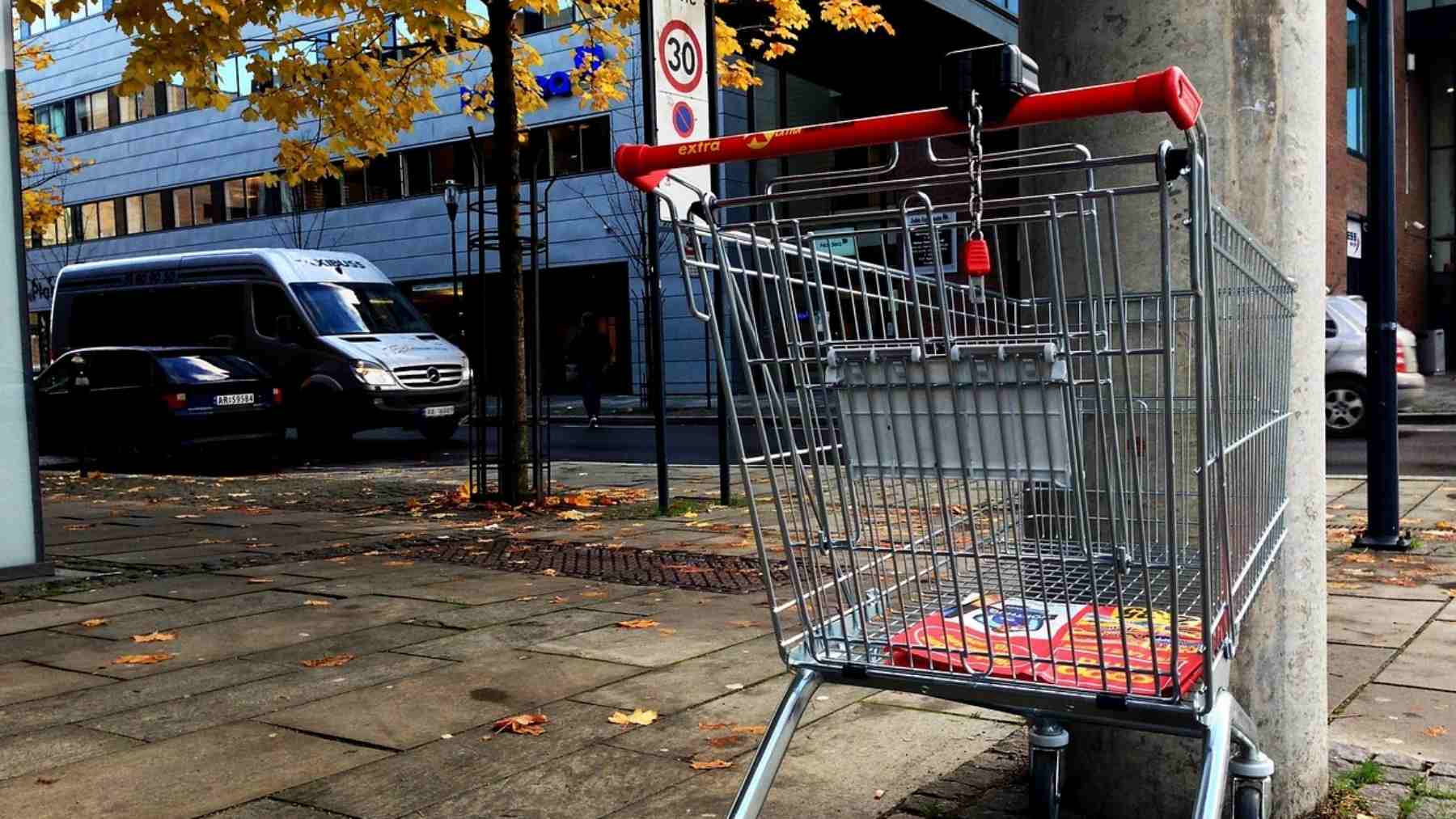
In practical terms, moving a grocery cart to the side works the same way because it leaves space, time, and choice for somebody else.
The seven traits
Put together, the research points to seven traits that fit this kind of aisle courtesy especially well. They are situational awareness, cognitive empathy, agreeableness, anticipatory planning, self-regulation, lower emotional reactivity, and lower psychological reactance, which is the urge to push back when something feels like a threat to personal freedom.
The first three are about noticing and understanding other people. A 2022 study in Scientific Reports found that both empathy and accurate mental-state reading increased willingness to help, while related work in Frontiers described cognitive empathy in plain terms as understanding another person’s viewpoint rather than just sharing their feelings.
That helps explain why some shoppers instantly clock the parent juggling a toddler, the older customer moving slowly, or the person behind them who clearly just wants to grab milk and get out.
The next four traits are more about control and timing. A 2024 longitudinal study found prosocial behavior was closely linked to inhibition, planning behavior, and lower emotional reactivity, and another paper on social mindfulness connected it with empathy and personality patterns tied to active cooperation rather than selfish or antisocial tendencies.
In everyday language, these are the people who pause, think half a step ahead, and do the small considerate thing before anyone has to say “Excuse me.”
Why some people make room
One of the most useful ideas here is psychological reactance. Researchers describe it as the resistance people feel when they think their freedom is being limited, and high-reactance people are more likely to interpret even mild social pressure as a loss of control.
That matters in a grocery aisle because low-reactance shoppers are less likely to treat every adjustment as surrender. Sliding a cart over, yielding at a doorway, sharing an armrest on a plane, or letting someone merge in traffic does not feel like defeat to them. It feels normal, which is probably why these moments look so effortless when they happen.
Why context still matters
Still, this is not a moral X-ray. Research in Judgment and Decision Making found that social mindfulness is common when the cost is low, but it drops quickly when the cost becomes more noticeable, which is a reminder that even considerate people can look rude when they are rushed, tired, overloaded, or dealing with more than you can see.
Time pressure complicates the picture even more. A 2025 study in Frontiers found that feeling short on time reduced prosocial behavior when helping was framed as a pure cost to the helper, but that effect weakened when the situation offered some shared benefit, which helps explain why public behavior can shift so much from one day to the next.
So yes, cart placement can hint at character, but it can also reflect stress, distraction, or that sticky everyday rush we all know.
More than grocery-store manners
What makes this topic so interesting is that it reaches beyond the store. The same broad research program found cross-country differences in social mindfulness and also found links between more socially mindful settings and higher-cost cooperation, while the University of Bonn summary noted a positive relationship with environmental goals at the country level, though researchers cautioned that this does not prove cause and effect.
At the end of the day, what this small grocery habit seems to reveal is not perfection but orientation. The person who quietly moves a cart aside is, for the most part, showing that they noticed someone else, predicted a small problem, and chose smooth shared life over saving a few seconds. Tiny move. Big clue.
The main study has been published in Proceedings of the National Academy of Sciences.