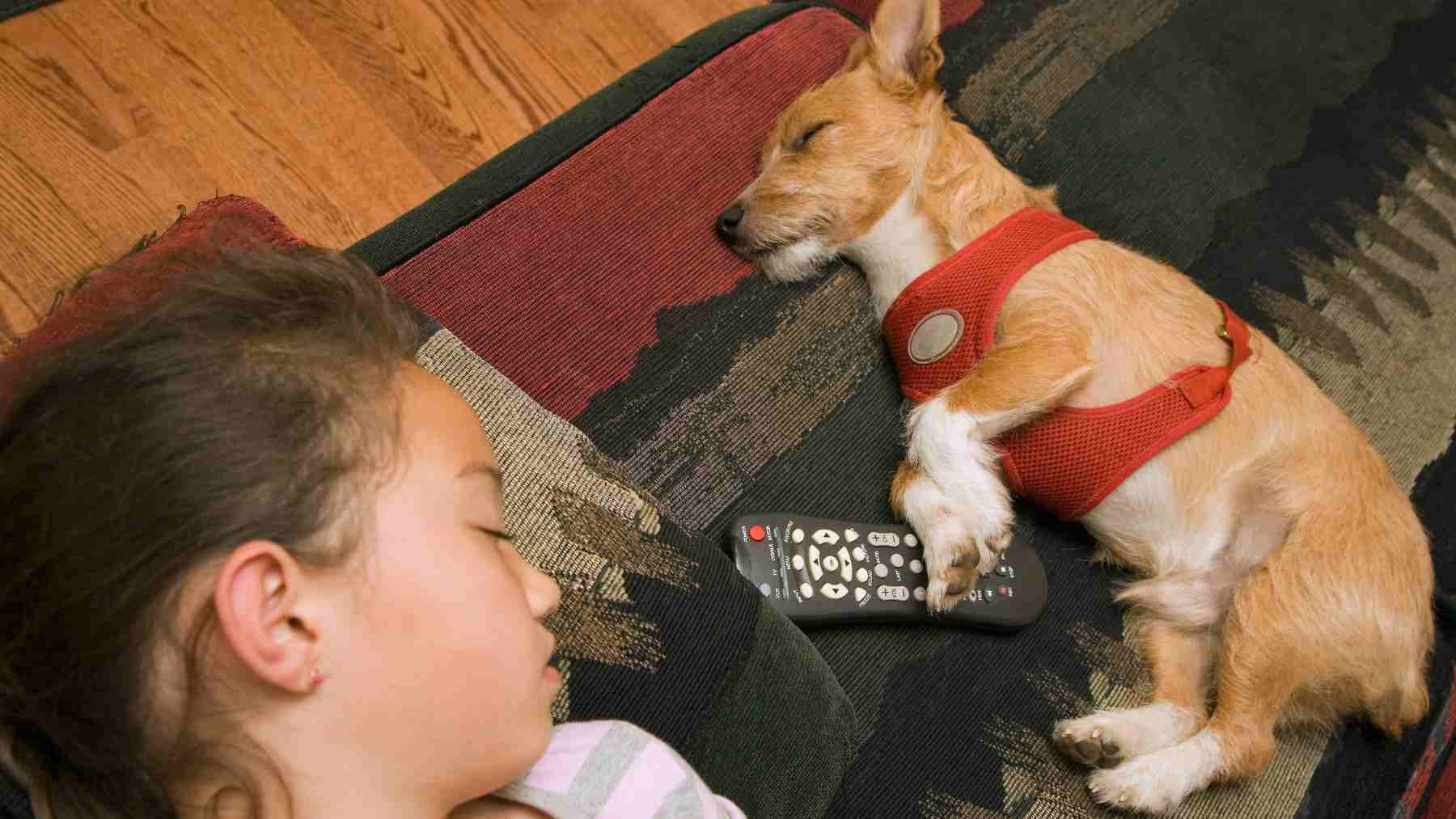
Most nights a paw nudges your ribs, the covers slip away, and somehow you still drift off smiling. That cozy chaos is more than affection. New research suggests that people who share the bed with a pet display a cluster of under-the-radar psychological strengths.
The habit is widespread. An American Academy of Sleep Medicine survey reports that nearly half of U.S. pet owners snooze beside a furry companion, and many say it feels safer and calmer even when the sleep tracker tells a different story.
Comfort over convenience
Sharing blankets with a shedding, shifting animal is rarely practical. Yet sleepers who allow it put emotional comfort ahead of neat sheets. A 2025 Sleep Foundation review notes that close contact with pets lowers anxiety and boosts the feel-good hormone oxytocin, making the trade-off worthwhile.
That same mindset shows up elsewhere. These folks will choose a picnic in the rain over a dry restaurant if it means better memories. In short, experience wins over convenience every time.
Trust in vulnerability
Sleep leaves us defenseless. Welcoming a dog or cat into that unguarded space signals deep trust and ease with intimacy. Psychologist Brian N. Chin and colleagues found that nearly 48 percent of adults in their 2024 national sample let a pet share the bed, revealing comfort with being seen at their most unpolished.
That openness often carries into daylight. Friends describe these sleepers as people who admit mistakes quickly and ask for help without shame.
Adaptability
One night the dog curls at your feet, the next she sprawls sideways. Constant micro-adjustments build flexibility. Over time, bed-sharing owners learn to pivot without fuss when plans shift at work or when traffic forces a detour home.
Researchers also observed “movement synchrony” between pets and owners, meaning humans unconsciously adapt their positions to the animal’s nighttime fidgets. This physical give-and-take trains mental resilience.
Emotional radar
Reading a creature that never speaks polishes non-verbal awareness. You notice the twitch before a dream whimper or the sigh that means “I’m cold.” Those skills sharpen the ability to pick up subtle cues from people too.
The Sleep Foundation article links pet touch with calmer cortisol levels, evidence that owners tune in and respond quickly to emotional shifts.
Everyday empathy
Nightly choices—move your leg or let the cat stay—are tiny empathy workouts. Over months they build a habit of considering others first.
Renata Roma of the University of Saskatchewan writes that co-sleeping often reduces a sense of vulnerability, suggesting owners intuit what comforts their animals and mirror it back.
Routine builders
Pets thrive on rhythm, and their humans fall in step. Dogs insist on consistent 6 a.m. wake-ups; cats demand predictable lights-out. Those cues lock owners into steady schedules that physicians say improve mood and metabolic health.
A study in Scientific Reports hints that regular routines may soften some of the sleep fragmentation co-sleeping causes by anchoring bedtime itself.
Independent mindset
Plenty of visitors wrinkle their noses at dog hair on the duvet. Bed-sharing owners shrug. Choosing personal comfort over social approval marks a quiet confidence.
The American Academy of Sleep Medicine still warns of potential dander issues, but these sleepers weigh advice against lived experience and decide for themselves.
Mindful moments
Pets live in the present. Their steady breathing becomes an economical meditation soundtrack. Owners report drifting into sleep faster when a calm heartbeat is inches away, a form of mindfulness that lingers after sunrise.
This nightly grounding helps them reset racing thoughts during tough meetings or while inching through rush-hour traffic.
Flexible boundaries
Letting a sixty-pound retriever claim half the pillow shows boundaries can stretch without breaking. People who practice this flexibility at home often negotiate workplace space or family schedules with similar grace, adjusting rules to fit context rather than clinging to absolutes.
Researchers found dog owners more willing to make bed space compromises than cat owners, demonstrating situational boundary setting.
Connection first
At the heart of the habit is a simple value: relationships outrank perfection. Sheets collect fur, alarms ring earlier, but companionship wins.
That philosophy echoes in other choices. These owners would rather host a noisy family dinner than eat an immaculate meal alone. Real life, mess and all, feels richer.
The main study has been published in Scientific Reports.