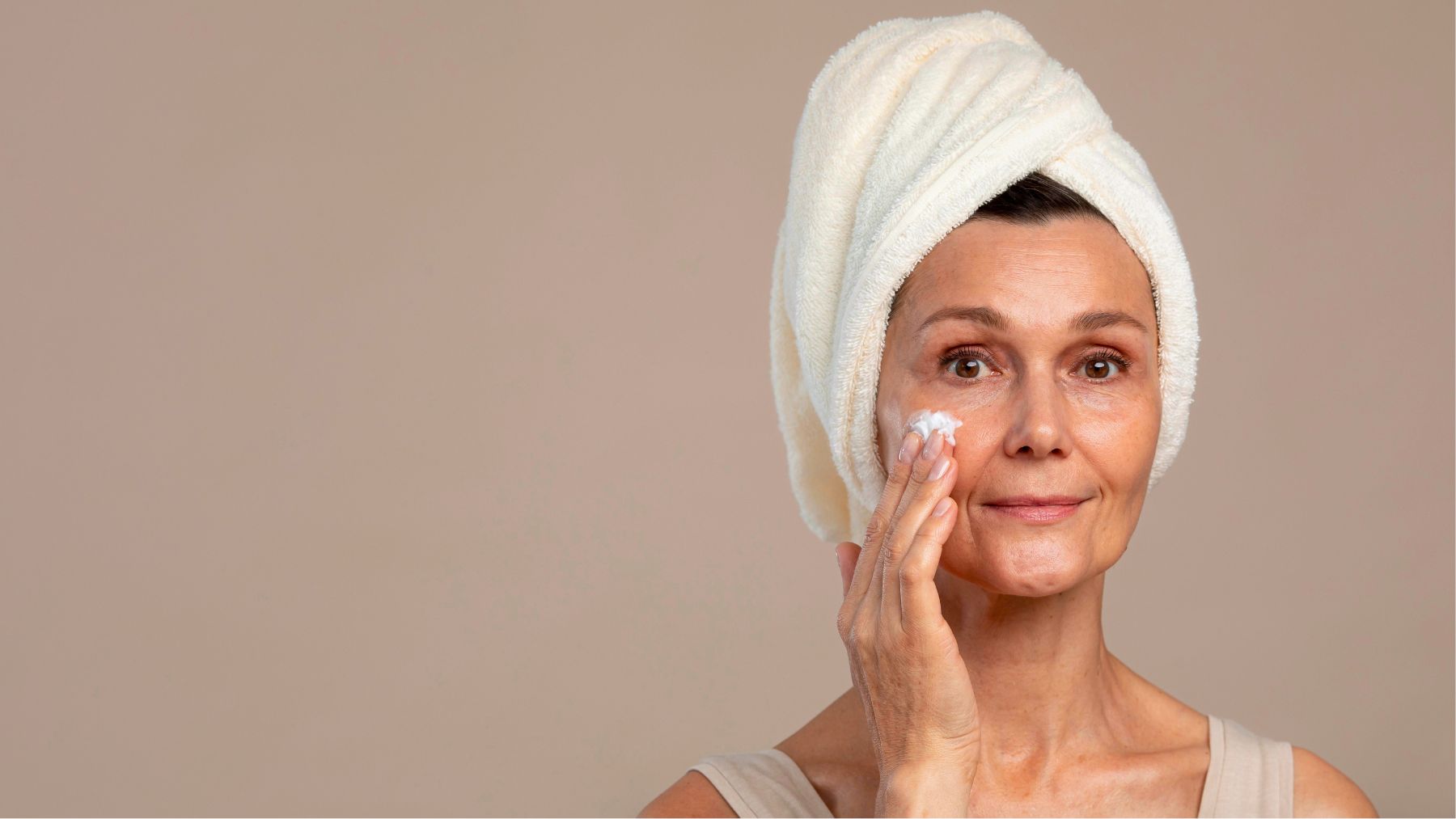
For retirees over 60, keeping your skin hydrated is key to a youthful and refreshed appearance. A simple daily habit like skin hydration helps maintain moisture levels, supports collagen production, and strengthens your skin barrier, all without the need for invasive treatments.
Here, we’ll show you how proper hydration promotes skin health and reduces signs of aging such as sagging, wrinkles, and loss of elasticity. We’ll also explore related topics like hyaluronic acid, antioxidants, elastin, and microcirculation, and highlight different ingredients perfect for seniors.
Skin hydration benefits for seniors over 60
Proper hydration is the cornerstone of healthy skin, especially for retirees who face challenges like reduced collagen production and environmental damage. When the skin is well hydrated, it appears smoother and more vibrant. Improved moisture levels help support cellular repair and the skin’s natural regeneration process. It can also boost collagen synthesis and maintain elastin fibers, which fade over time.
Keeping the skin moisturized helps minimize fine lines and wrinkles and strengthens the skin barrier. A strong barrier protects against irritants, atmospheric pollutants, and UV-induced damage. As a result, the skin recovers more effectively from daily stress, your texture improves, and that natural glow appears.
For those dealing with dryness or sensitivity, regular hydration soothes and refreshes the skin while reducing irritation. It helps retain vital vitamins and boosts antioxidant activity, which in turn strengthens its natural defenses. A steady hydration routine also fosters a balanced pH and promotes skin vitality by stimulating microcirculation and encouraging cellular turnover.
Top hydration skincare ingredients for seniors
These ingredients draw water into the skin, lock in essential moisture, and help maintain the skin’s natural barrier. Here are some top ingredients you can look for when searching for your next skincare product.
- Hyaluronic acid: This powerful humectant attracts and retains water, helping to plump the skin and reduce the appearance of fine lines.
- Glycerin: A natural moisture binder, glycerin draws water to the skin’s surface, leaving it soft and smooth while preventing dryness.
- Aloe vera extract: Renowned for its soothing properties, it not only hydrates but also calms irritated skin, ideal for sensitive or dry areas.
- Ceramides: These lipid molecules repair and strengthen the skin barrier, preventing moisture loss and shielding the skin from environmental stress.
- Squalane: A lightweight, non-greasy oil that mimics the skin’s natural lipids, squalane locks in hydration and improves skin texture.
- Peptides: While they are known for supporting collagen production, they also help the skin retain moisture and maintain firmness.
- Vitamin E: An antioxidant that protects the skin from damage, preserves moisture, and enhances skin health.
By regularly using products enriched with these ingredients, you can boost your skin’s moisture levels and improve its elasticity. These work together to rejuvenate mature skin and protect it against environmental stressors. Over time, a routine with this type of products helps minimize fine lines and wrinkles while promoting a smooth, vibrant complexion that radiates health. This approach means not only looking refreshed but also supporting your skin’s ability to repair itself and stay resilient as you enjoy your golden years.