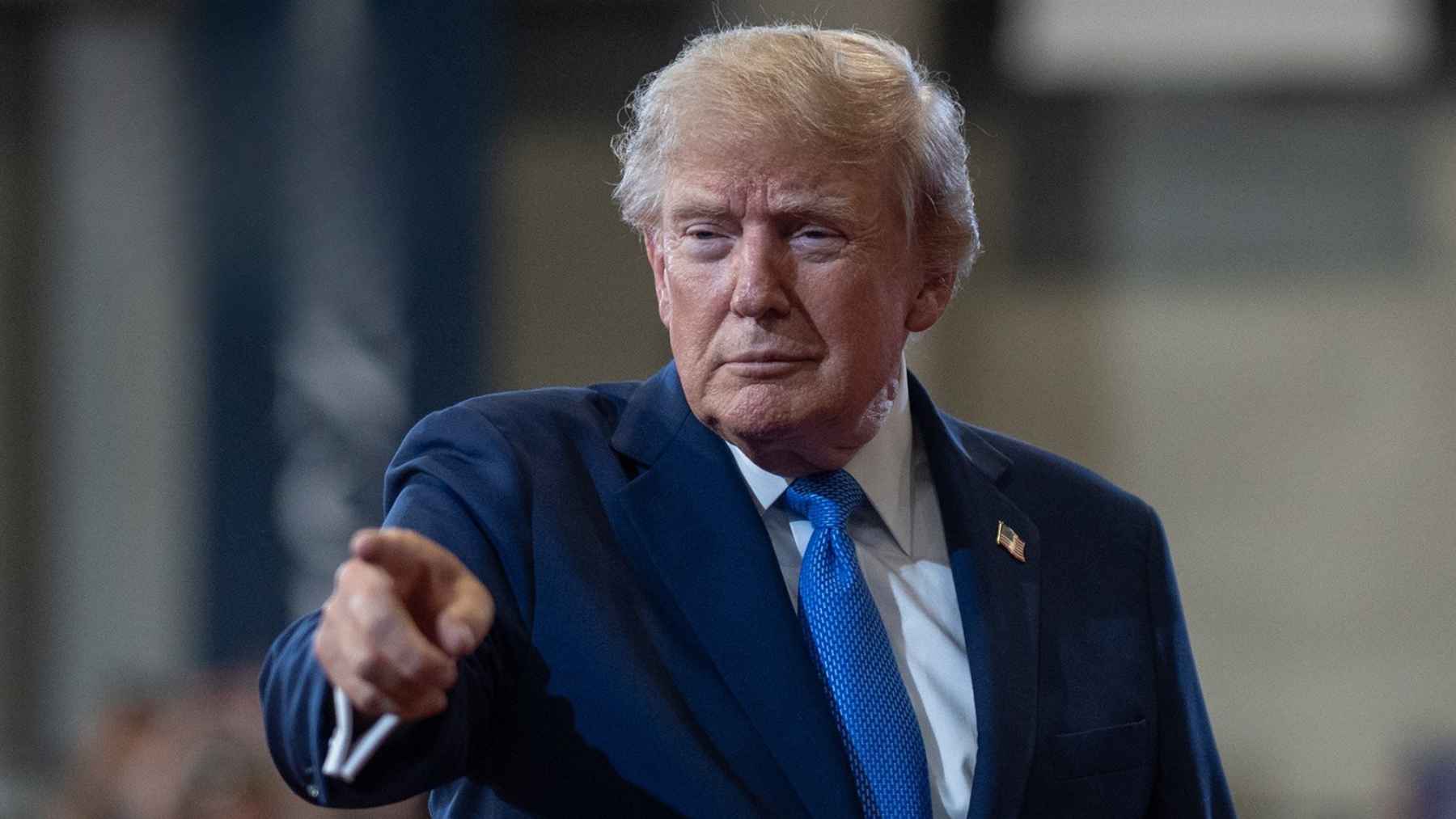
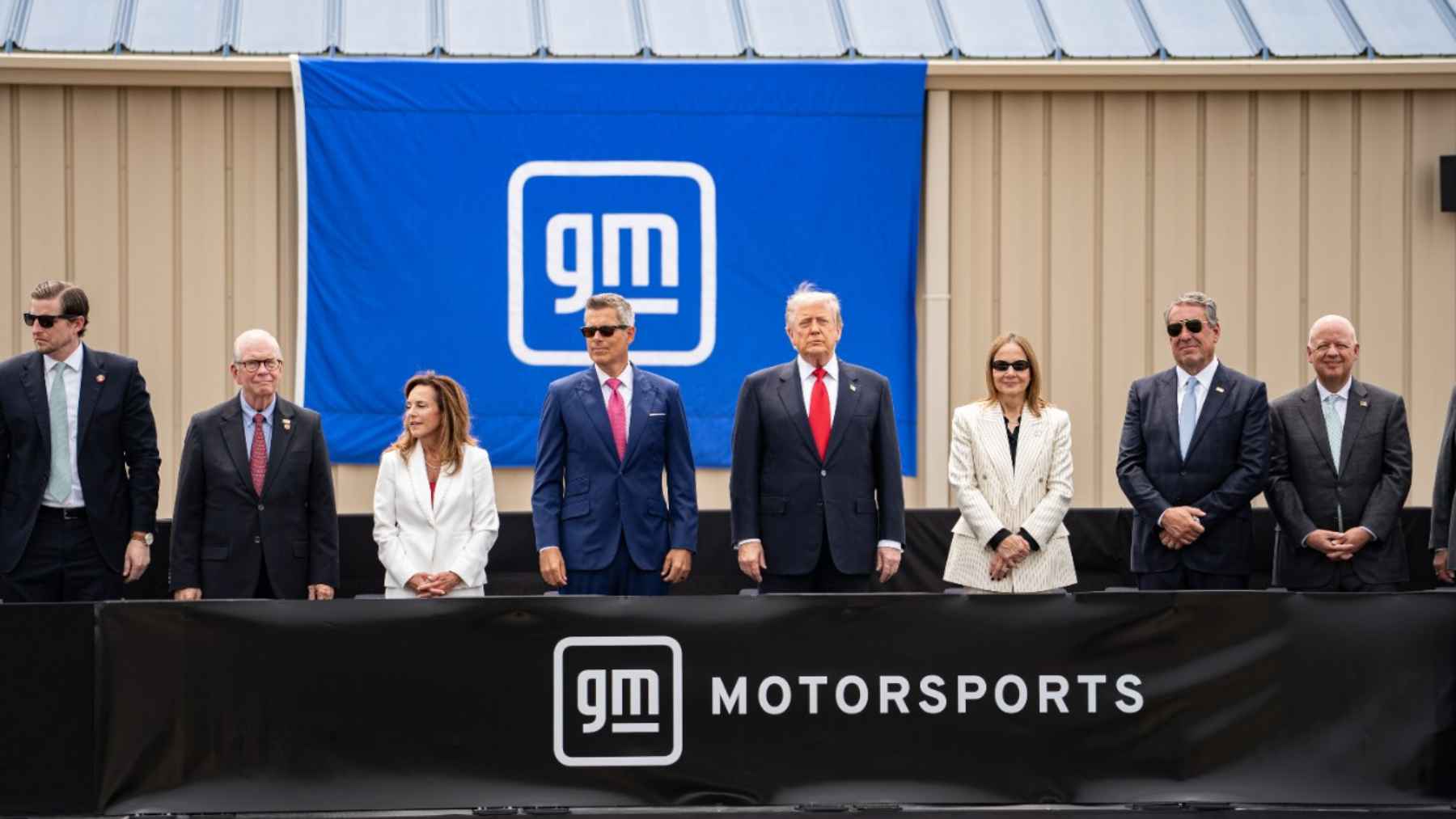
At General Motors’ Milford Proving Ground this past July, President Donald Trump delivered a succinct message to automakers: we must build plants here and employ skilled American workers. To that end, the White House expects its 25% vehicle tariff to provide an incentive to bring production back to the United States.
The investment announcements are substantial, but Michigan’s labor data and GM’s product choices tell a less tidy story. Payroll employment barely moved over the year through June, while a sizable share of the company’s new capacity supports large gasoline trucks and SUVs alongside electric vehicles.
That means the real test is not only where a vehicle is assembled, but what gets built, what it costs, and how much pollution it produces.
The numbers lag behind the speech
Trump’s argument is easy to understand: “Build your plant in Michigan or anywhere else in America,” he said, and the tariff disappears. For an autoworker watching production leave town, that promise lands with force.
The latest employment figures are much less dramatic. Michigan had about 4.489 million payroll jobs in June, increasing by only 500 from one year earlier, while manufacturing employment was down roughly 7,000. The state’s 5.0% unemployment rate was also above the national 4.2% rate and ranked among the highest in the country.
That does not prove tariffs have failed. Factory investments can take years to turn into hiring, and one state’s labor market moves for many reasons. It does mean the victory lap is ahead of the measurable jobs boom, though, at least for now.
GM is investing, but in what
There is real money behind the White House’s case, but what exactly is being brought home? GM says its domestic manufacturing commitments exceeded $6 billion over the previous 12 months, including $830 million for propulsion plants that will support next-generation, full-size trucks and SUVs.
A $150 million project in Saginaw, Michigan, will increase engine head-casting capacity for pickups and Corvettes.
Yet the production mix is key. GM’s broader $4 billion plan calls for its Orion Township plant to build gasoline-powered full-size SUVs and light-duty pickups beginning in early 2027, while Factory ZERO in Detroit remains dedicated to electric trucks and SUVs. This is not a simple retreat from EVs, but it is also not a straight line toward cleaner vehicles.
GM itself says it is onshoring significant production to reduce tariff exposure. That supports the idea that trade policy is influencing factory decisions, though it does not show tariffs are the only reason for every investment. Consumer demand, profit margins, labor capacity, and product cycles are part of the calculation, too.
Canada is part of the factory floor
The tariff rules reflect how deeply North American vehicles are stitched together. The United States applies a 25% tariff to imported vehicles, but qualifying USMCA models are charged only on their non-U.S. content. Canada, in turn, imposes 25% tariffs on non-USMCA-compliant U.S. vehicles and on the non-Canadian and non-Mexican share of qualifying U.S. models.
In the supply chain, a vehicle and its parts can cross the U.S.-Canada border more than seven times before final assembly. Tariffs may encourage more domestic sourcing, but repeated border crossings compound costs before a company has rebuilt that supplier network.
GM projected $3 billion to $4 billion in gross tariff costs for 2026, showing how the pressure can land on margins, prices, or investment choices.
The new Gordie Howe International Bridge made the contradiction visible on the day of Trump’s visit. The six-lane crossing opened between Detroit and Windsor, and the first commercial truck carried auto parts into Michigan. Politics may draw a hard line at the border, but the assembly system still rolls across it every morning.
The 50% headline needs context
A larger tariff threat is now hanging over the relationship, but the fine print matters. The White House has scheduled additional 50% duties on selected Canadian goods for August 19 in response to disputes involving cars, alcohol, and dairy. Its own fact sheet says products already covered by Section 232, including automobiles and auto parts, are excluded from that added layer.
So this is not a blanket new 50% charge on every Canadian-built car. It is a broader pressure campaign tied partly to the auto dispute, layered on top of existing sectoral tariffs.
As of August 7, U.S. and Canadian officials were discussing a possible deal in which Canada could remove auto tariffs while Washington reduced some steel and aluminum duties, but no agreement had been announced.
The climate test
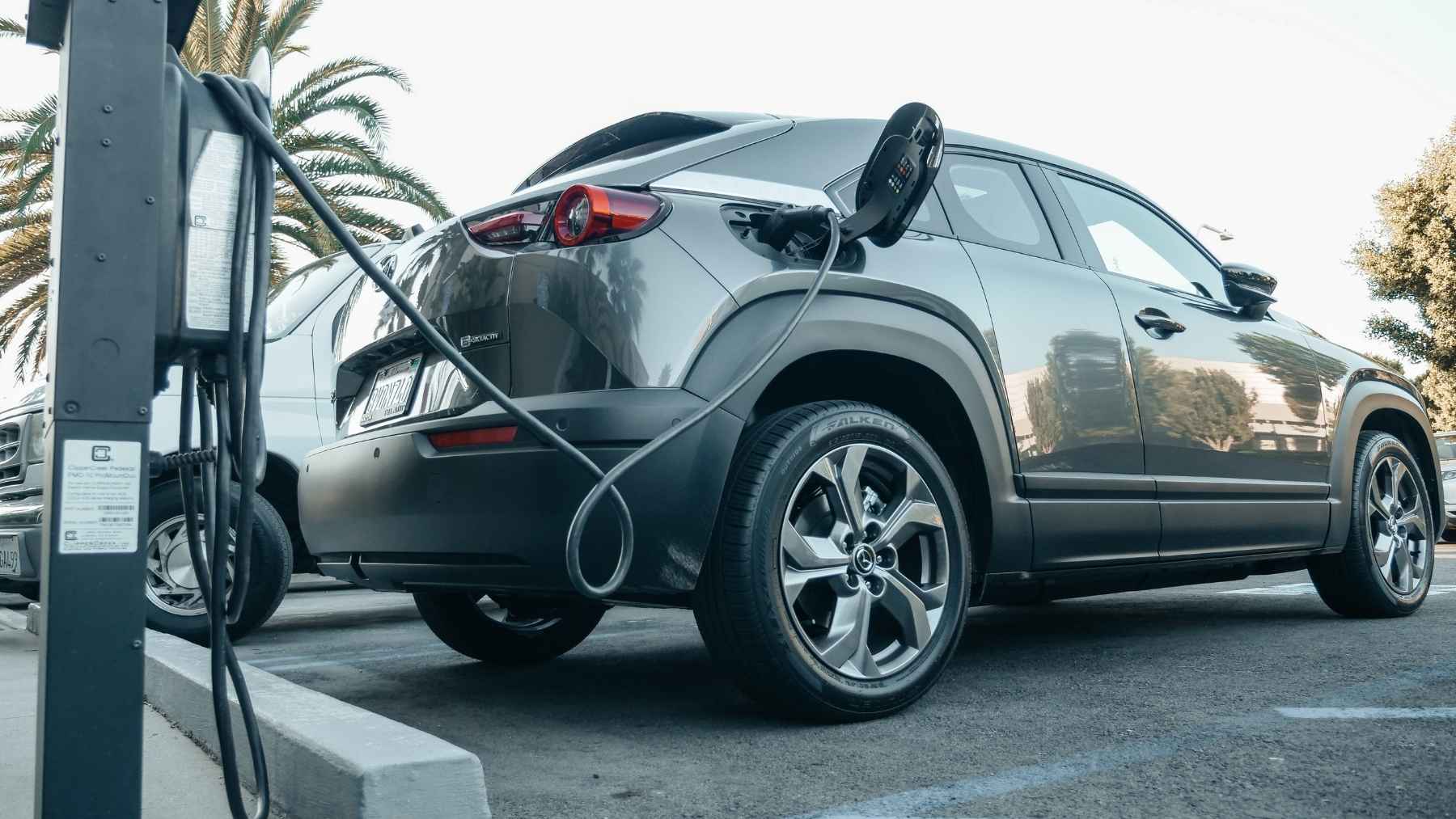
Where production lands is only half of the environmental equation. Transportation accounted for 29% of U.S. greenhouse gas emissions in 2022, and light-duty trucks such as pickups, SUVs, and minivans produced 37% of transportation emissions.
A reshored factory can strengthen local employment while still expanding the vehicle class responsible for the largest share of transportation emissions.
That is why GM’s split strategy deserves attention. New U.S. investment is supporting gasoline engines and transmissions at the same time that Factory ZERO continues building electric trucks and SUVs.
By Energy Department estimates, a small electric SUV produced 52% fewer life-cycle greenhouse gas emissions than a comparable gasoline model in 2024, though the advantage varies with the electricity mix and vehicle design.
Tariffs do not choose the powertrain. Companies do so based on policy, demand, technology, and expected returns. For Michigan, the cleaner win would be domestic investment that creates durable jobs while accelerating batteries, efficient factories, and lower-emission vehicles rather than simply moving conventional production across a border.
What Michigan should watch
The clearest scorecard will arrive in ordinary numbers, not rally applause. Watch whether manufacturing payrolls rise, whether vehicle prices stay manageable, whether supplier work moves into Michigan, and how much capital goes toward EVs and other lower-emission technology.
Those measures will show whether tariffs are building a competitive industrial base or mainly rearranging costs.
Trump may be right that tariffs can change where companies place production, but the bridge opening, weak job figures, and GM’s mixed product plan all point to a more complicated outcome. Michigan’s auto revival will be judged not by a single plant visit, but by the jobs, prices, and emissions that follow.
The official statement was published on the White House website.