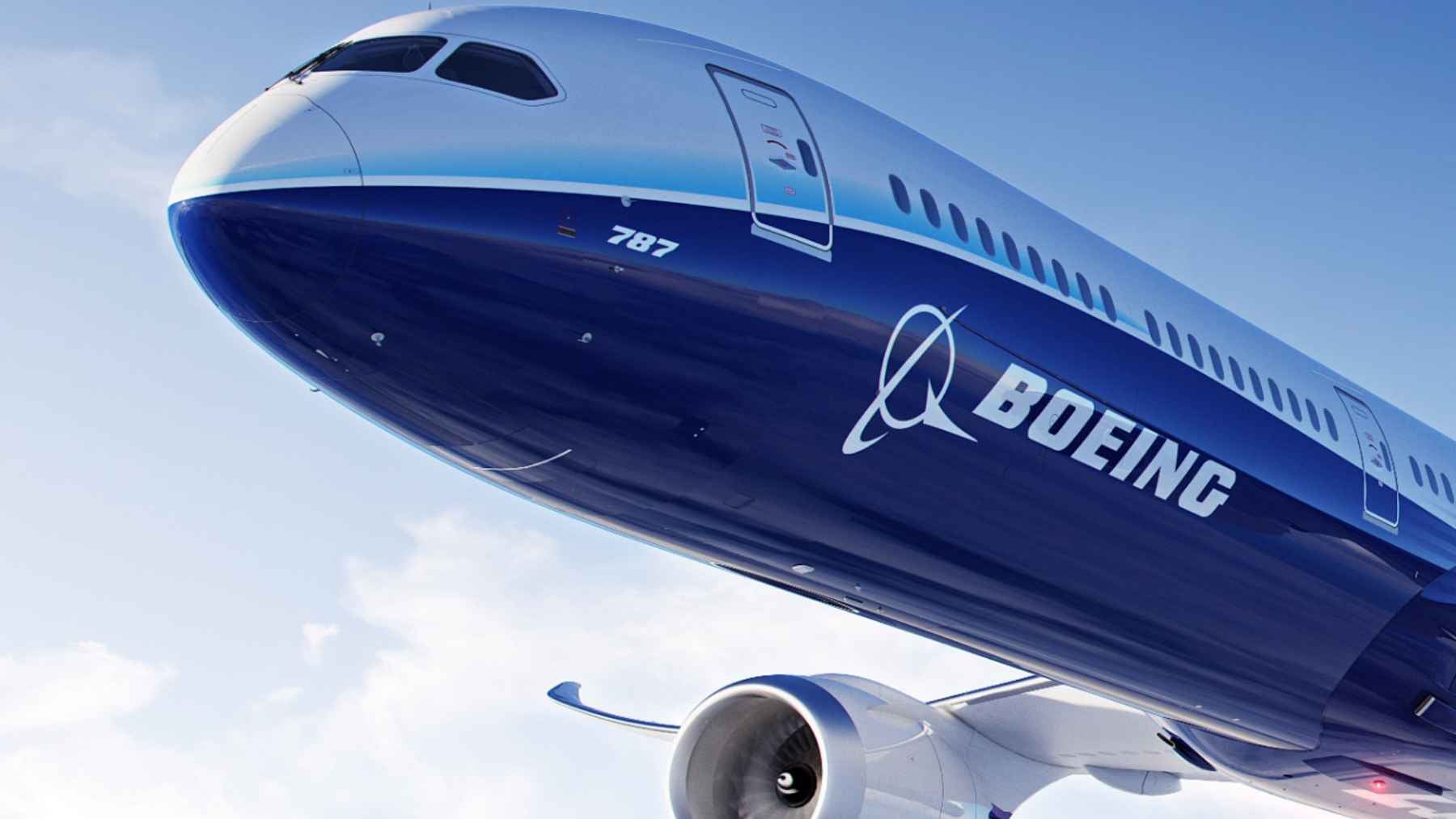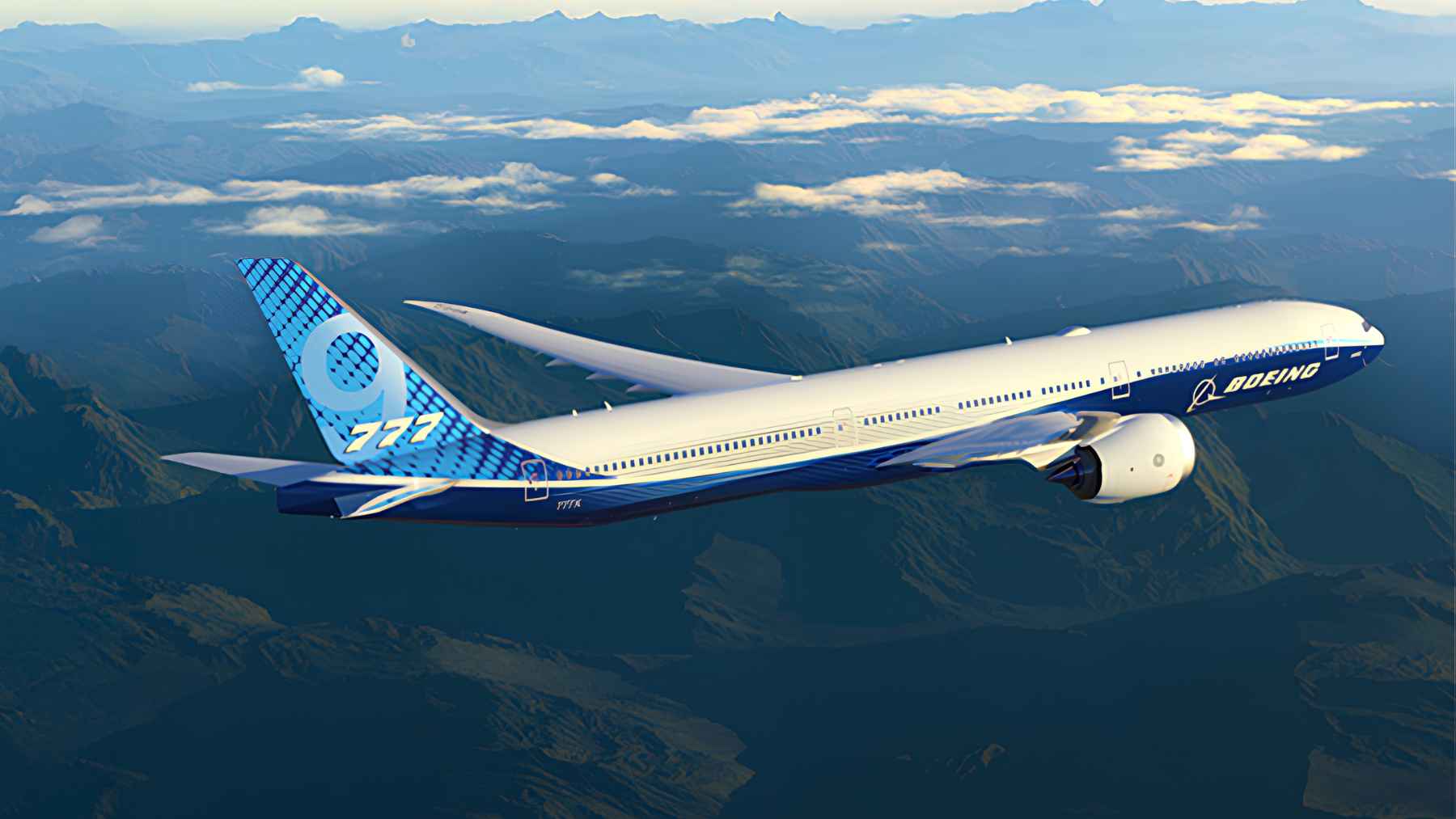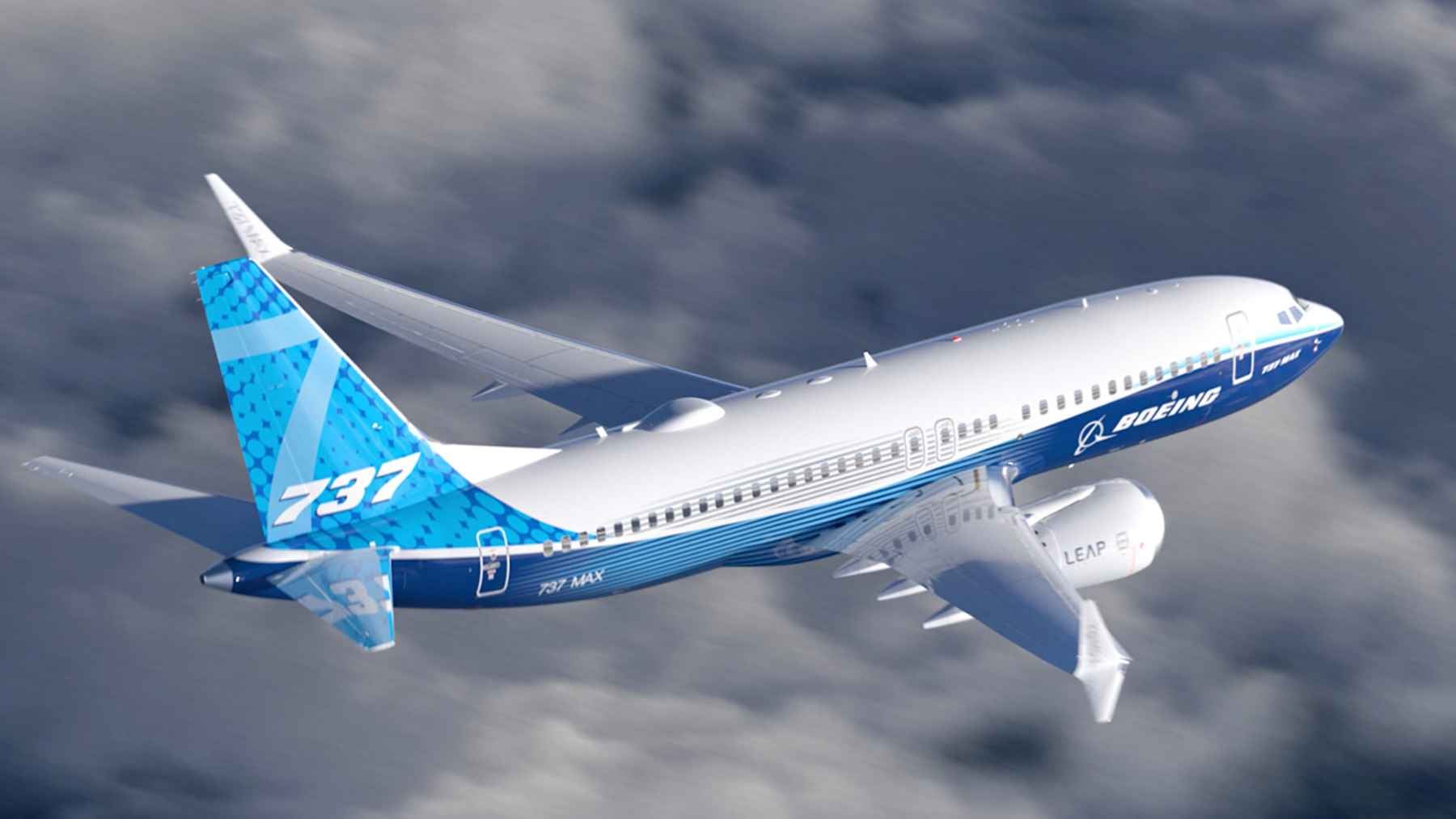
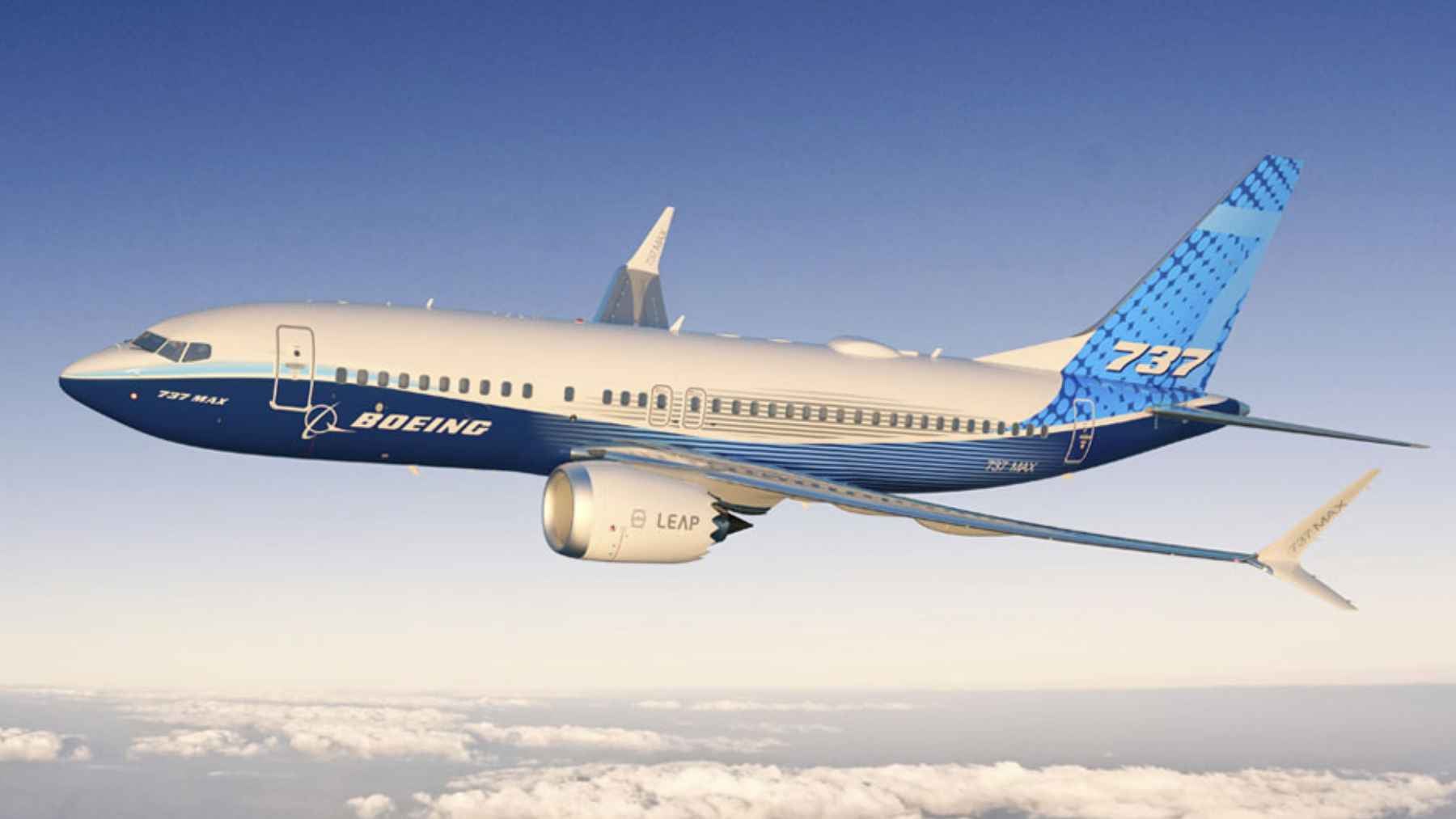
Boeing is putting the brakes on an all-new commercial jet while it repairs its finances and stabilizes the aircraft it already builds. Chief Executive Kelly Ortberg said the company needs “a couple more years” before it is ready to launch a program that could eventually replace the 737 MAX.
That decision may be financially sensible, but it carries a wider consequence. So why wait? Boeing is betting that safer production, dependable deliveries, and faster retirement of older jets matter more today than unveiling a cleaner aircraft before the company, the market, and the technology are ready.
Recovery comes before reinvention
Ortberg told CNBC that Boeing must clear three hurdles before committing to a new airplane. The company needs stronger finances, mature technology, and enough market demand, and he said, “It’s going to take a couple more years to get where we want to be.”
The balance sheet explains some of that caution. Boeing ended the first quarter of 2026 with $47.2 billion in debt and $20.9 billion in cash and marketable securities, according to its first-quarter results.
An all-new jet would require years of engineering, certification work, factory preparation, and supplier investment. Starting too early could stretch the same organization that is still trying to improve quality, increase output, and complete delayed aircraft programs.
Airlines want dependable aircraft now
For now, airline customers are giving Boeing a practical message. Ortberg said they want the manufacturer to “focus on your existing product line” and improve reliability before moving to another airplane.
That does not mean the current fleet offers no environmental progress. Boeing says the 737 MAX family uses 20% less fuel and produces 20% less carbon dioxide than the aircraft it replaces, while each new-generation 737 can avoid up to 8 million pounds of carbon dioxide emissions annually.
For an airline, lower fuel burn means a smaller bill on every flight, and if Boeing can deliver more MAX jets that genuinely replace older models, the near-term emissions benefit could arrive sooner than waiting for a clean-sheet design.

But fleet growth is not the same as fleet replacement, so adding efficient aircraft while older jets keep flying can still raise total emissions. That distinction matters.
The environmental clock keeps moving
Delaying a new aircraft also delays the next major efficiency step. The International Air Transport Association says each new airplane generation has historically cut emissions by roughly 15 to 20%, while fleet fuel efficiency has improved by about 80% over the past 50 years.
IATA estimates that improvements in aircraft technology could avoid about 138 million to 154 million U.S. tons of carbon dioxide by 2050. Those savings would also reduce aviation’s in-flight energy needs by roughly 7 to 10% by that year.
Still, a better wing or engine cannot solve aviation’s climate problem alone. IATA expects sustainable aviation fuel to provide as much as 65% of the emissions reductions required for net zero by 2050, which means new aircraft and cleaner fuel supplies must advance together.
Airbus is moving first
Airbus Chief Executive Guillaume Faury said the European manufacturer aims to launch its next single-aisle program around 2030, with entry into service during the second half of the 2030s. Faury described Airbus as the leader in this market and said it wants the next aircraft to defend that position.
The company says its planned next-generation single-aisle aircraft could use 20 to 30% less fuel than today’s generation and operate with up to 100% sustainable aviation fuel. That is a large target, not a guaranteed result, but it sets a clear benchmark for Boeing.
Airbus is also moving beyond presentation slides. Its new Wing of Tomorrow flight-test campaign will place full-scale high-span wing extensions on an A321neo to study how longer wings could reduce drag and improve efficiency in real flight.
Launching around 2030 would let Airbus lock in suppliers, engine choices, manufacturing plans, and airline input years before service begins, while Boeing can still catch up if it matures technology now.
Air Force One raises the stakes
Ortberg also said Boeing will spend more, add engineering and production workers, and use multiple shifts to keep the next Air Force One aircraft on its 2028 schedule. The heavily modified VC-25B program was originally expected to deliver in 2024, while the U.S. Air Force now expects the permanent aircraft in 2028.
That does not mean Air Force One caused the commercial jet delay. But it does show how Boeing’s cash, engineers, factories, and leadership attention are already tied to difficult commitments across both civilian aviation and defense.
The delay can still pay off
Boeing’s strategy can work if the pause produces visible results. Better quality, steadier production, successful certification, and more efficient jets reaching airlines would strengthen the business while delivering useful fuel savings now.
A rushed aircraft built on an unstable industrial base could be worse for passengers, airlines, and the environment than a later design that works properly from day one. On the other hand, if “a couple more years” turns into an open-ended delay, Airbus may define the next efficiency standard and secure airline fleets that will remain in service for decades.
Ultimately, the real choice is not simply old airplane or new airplane. Boeing must use the time to deliver cleaner aircraft today while preparing a genuine technological step for tomorrow. Patience can be a strategy, but drift cannot.
The interview was published on CNBC.