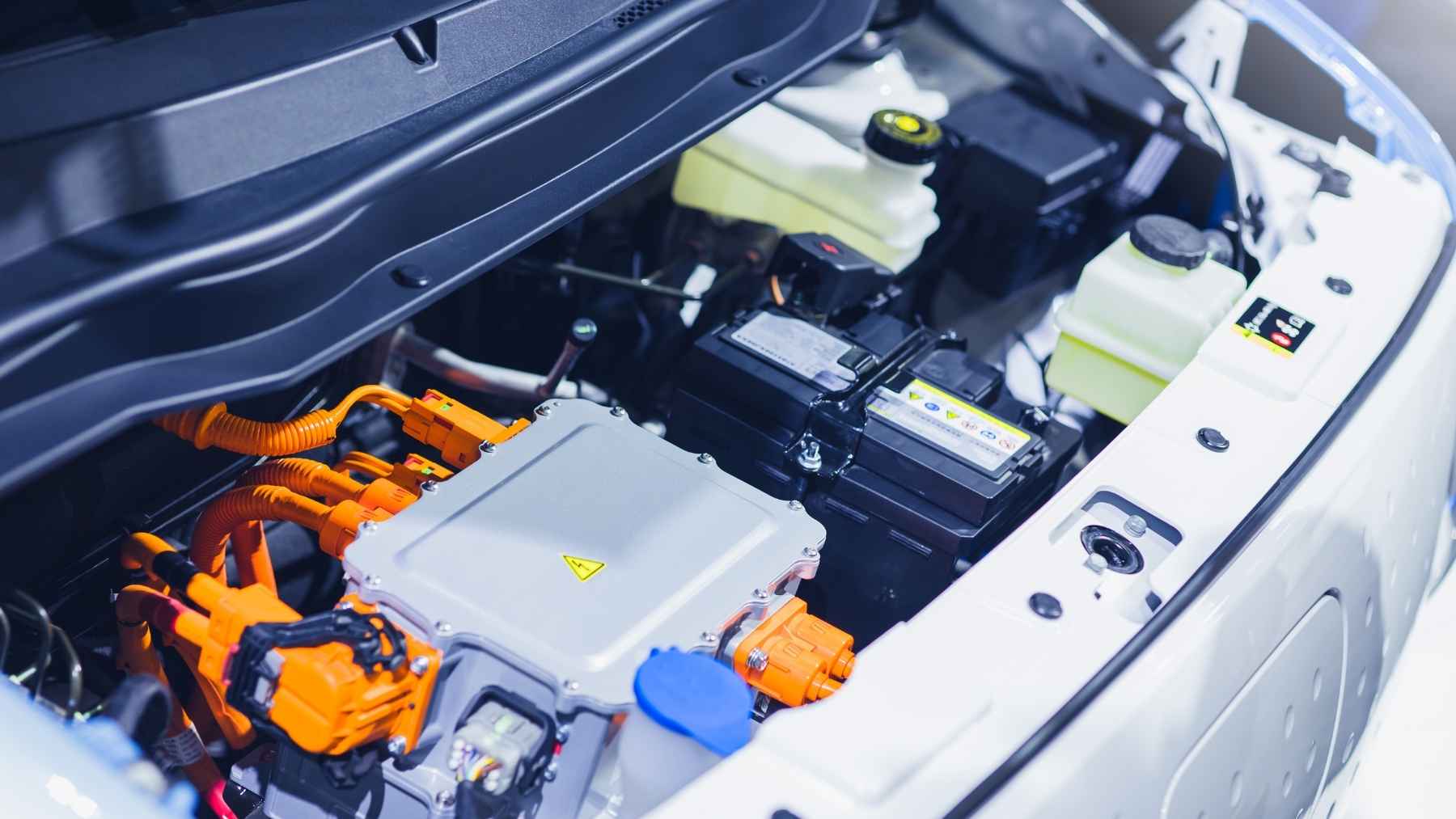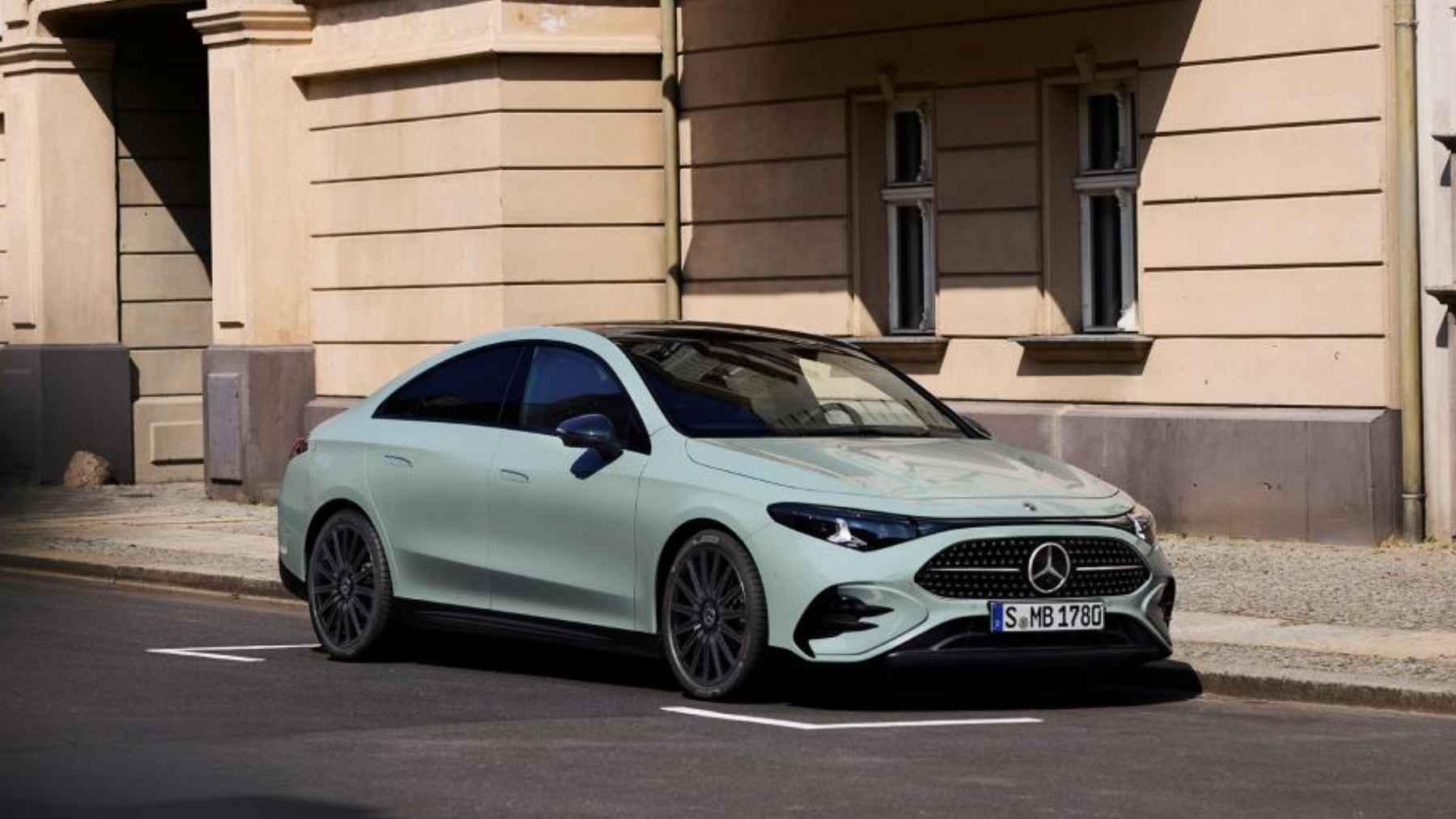
Open the hood of the new Mercedes-Benz CLA hybrid and the story is more global than the three-pointed star suggests. Its new M252 gasoline engine is manufactured in China through Aurobay and Beijing Benz Automotive, although Mercedes-Benz remains responsible for the core design, calibration, and integration into the car.
That distinction matters. This is not a Geely engine wearing a Mercedes cover, but neither is it a traditional German powertrain built near Stuttgart. The CLA shows how Europe’s auto industry is trying to fund electric cars, software, and cleaner factories while sharing the cost of another generation of efficient combustion engines.
What sits under the hood
The M252 is a turbocharged four-cylinder engine with a displacement of roughly 92 cubic inches, commonly described as a 1.5-liter unit. It uses the Miller combustion cycle, a 12-to-1 compression ratio, an exhaust manifold partly integrated into the cylinder head, and Mercedes’ low-friction Nanoslide cylinder coating.
Mercedes has reported peak thermal efficiency of 39.4%, meaning more of the gasoline’s energy can become useful motion instead of waste heat.
In the CLA 220, the gasoline engine produces about 188 horsepower and works with an electric motor rated at roughly 30 horsepower inside an eight-speed dual-clutch transmission.
Total system output is about 208 horsepower and 280 pound-feet of torque. A compact 1.3-kWh, 48-volt battery supports electric-only movement at urban speeds, regenerative braking in all eight gears, and engine-off coasting at up to about 62 mph.
Chinese-built does not mean Chinese-designed
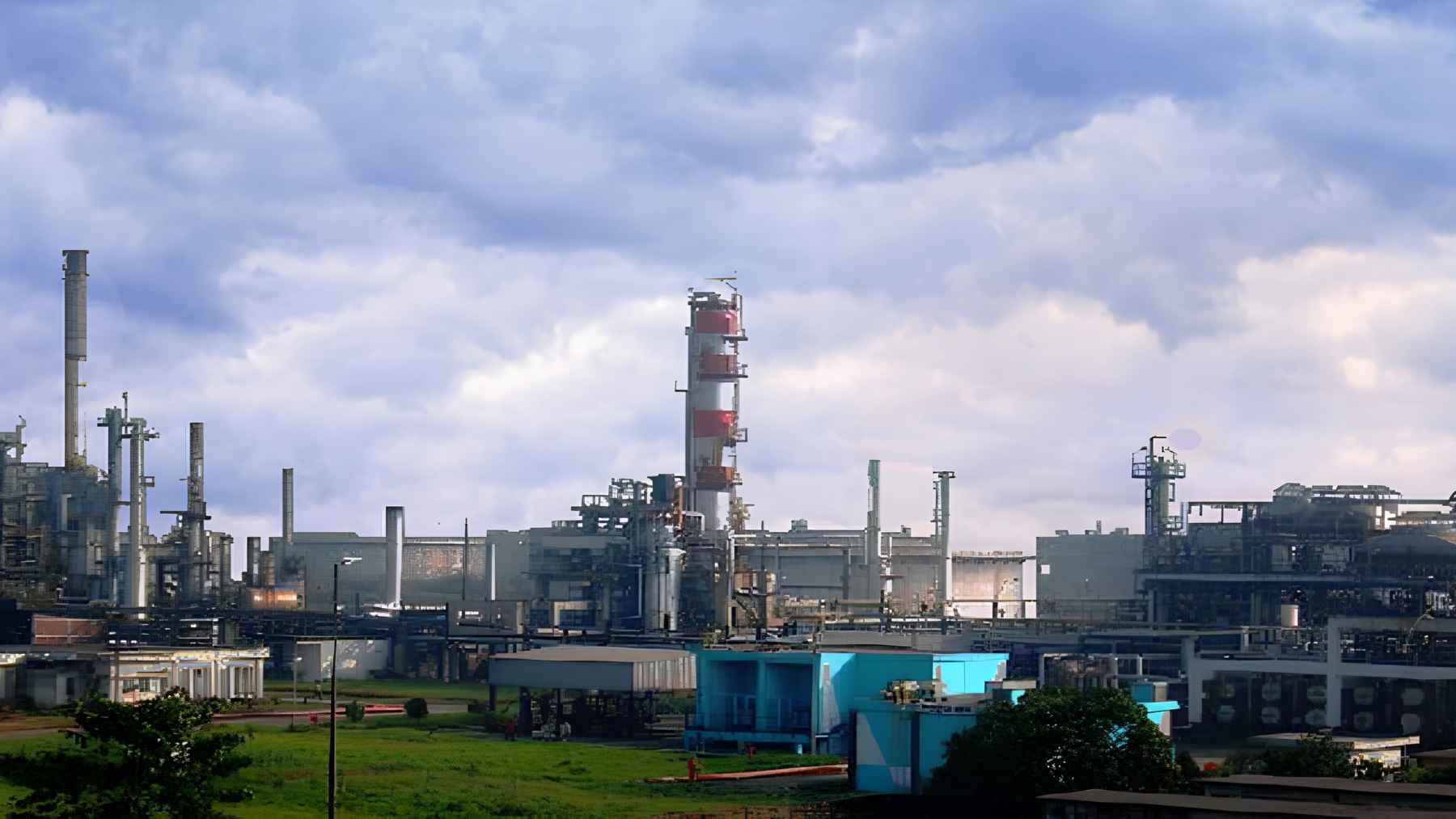
The engine project grew from a Mercedes-Geely powertrain partnership, but the responsibilities are more precise than many headlines suggest. Mercedes-Benz led the engine’s design and development, while Aurobay oversees the supplier network and manufacturing. Production takes place at Aurobay’s factory in Yiwu and at Beijing Benz Automotive in Beijing.
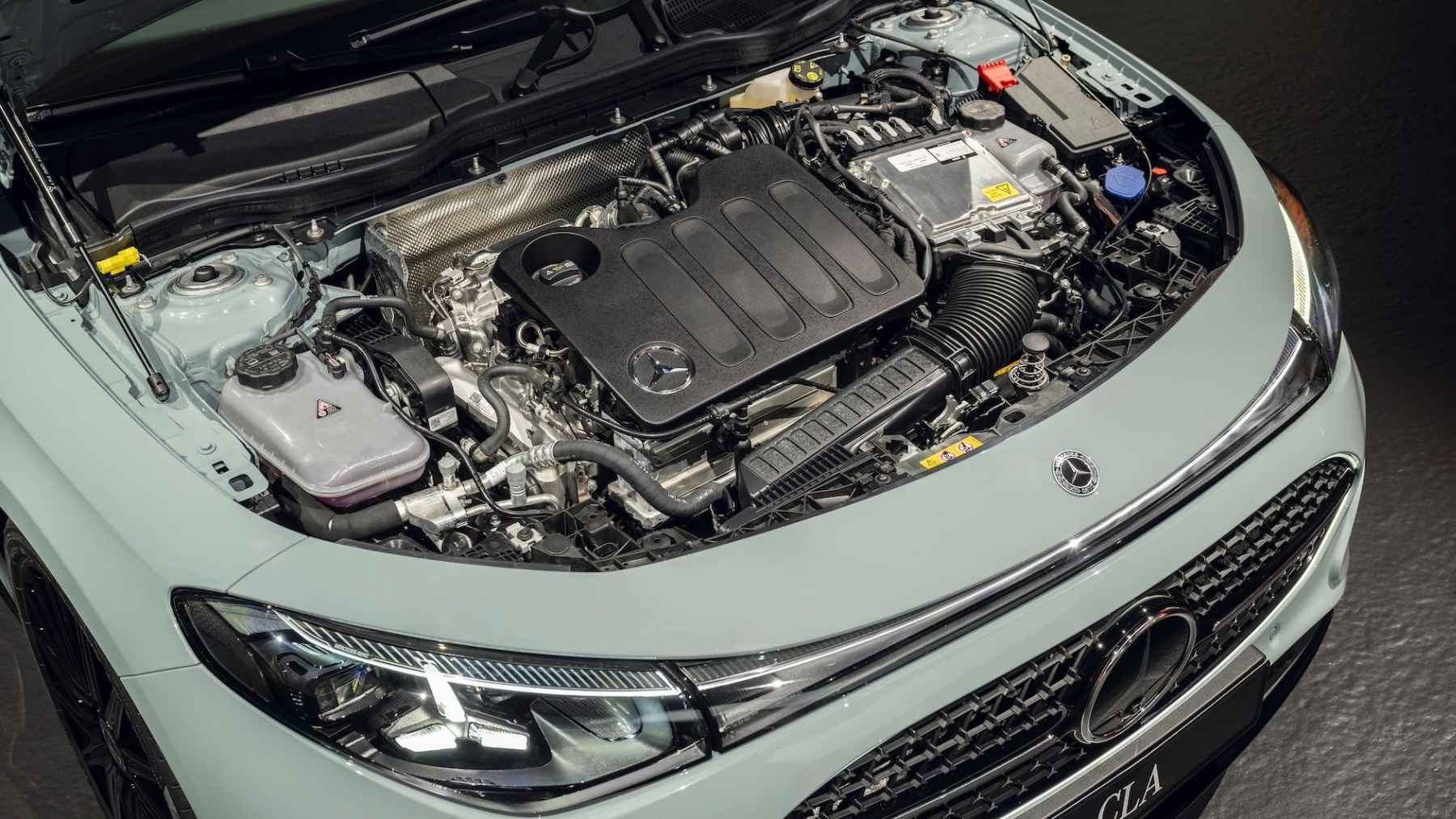
Aurobay can use the same basic engine family in its own applications, including the Lynk & Co 900. Up to 85% of the parts can be shared, while the companies use different controls, intake systems, emissions equipment, oil pans, and installation layouts. The result is common hardware with brand-specific engineering around it, not one identical engine dropped into several cars.
Renault is still in the background
Mercedes has relied on outside partners before. Its strategic cooperation with Renault-Nissan began in 2010 and covered small three-cylinder and four-cylinder engines, vans, and the smart architecture.
The later turbo gasoline engine commonly described as a 1.3-liter unit, or roughly 79 cubic inches, was openly presented by Renault as a joint Daimler-Alliance development for compact models sold by both groups.
The new arrangement has an unexpected twist. Aurobay now sits inside Horse Powertrain, which is owned 45% by Renault Group, 45% by Geely, and 10% by Aramco. Renault is not directly supplying the CLA’s engine, but it has not vanished from the industrial map either.
Why Mercedes chose this route
Developing a new gasoline engine is expensive, especially when automakers are also pouring money into batteries, charging systems, software, and electric platforms. Sharing components and production volume lets Mercedes keep a competitive hybrid option without carrying the entire industrial burden alone.
The company’s earlier cooperation documents explicitly pointed to “economies of scale” and stronger global competitiveness.
That strategy also gives Mercedes room to serve drivers who are not ready for a fully electric car. In a city commute, the electric motor can handle low-demand moments that would otherwise waste fuel, while the gasoline engine remains available for long trips without charging stops. It is a bridge technology, but bridges are meant to lead somewhere.
The environmental calculation is not simple
Mercedes lists the CLA 220 4MATIC at roughly 41 to 44 mpg under the European test cycle, with carbon dioxide emissions of about 6.8 to 7.5 ounces per mile.
The company sums up its approach with the phrase “Efficiency is the key to everything,” but efficient gasoline driving is still not zero-emission driving. The car continues to burn fuel and carries environmental costs from material extraction, manufacturing, and transportation.
The long-distance supply chain adds transportation for engines built in China and installed in cars assembled in Germany, although geography alone does not reveal the full carbon footprint. Factory energy, materials, component durability, fuel economy, and how far the car is driven all matter.
Mercedes says its Rastatt plant is supplied by 100% green electricity and consumes 15% less energy to build the new CLA than it used for the previous model.
What buyers should care about
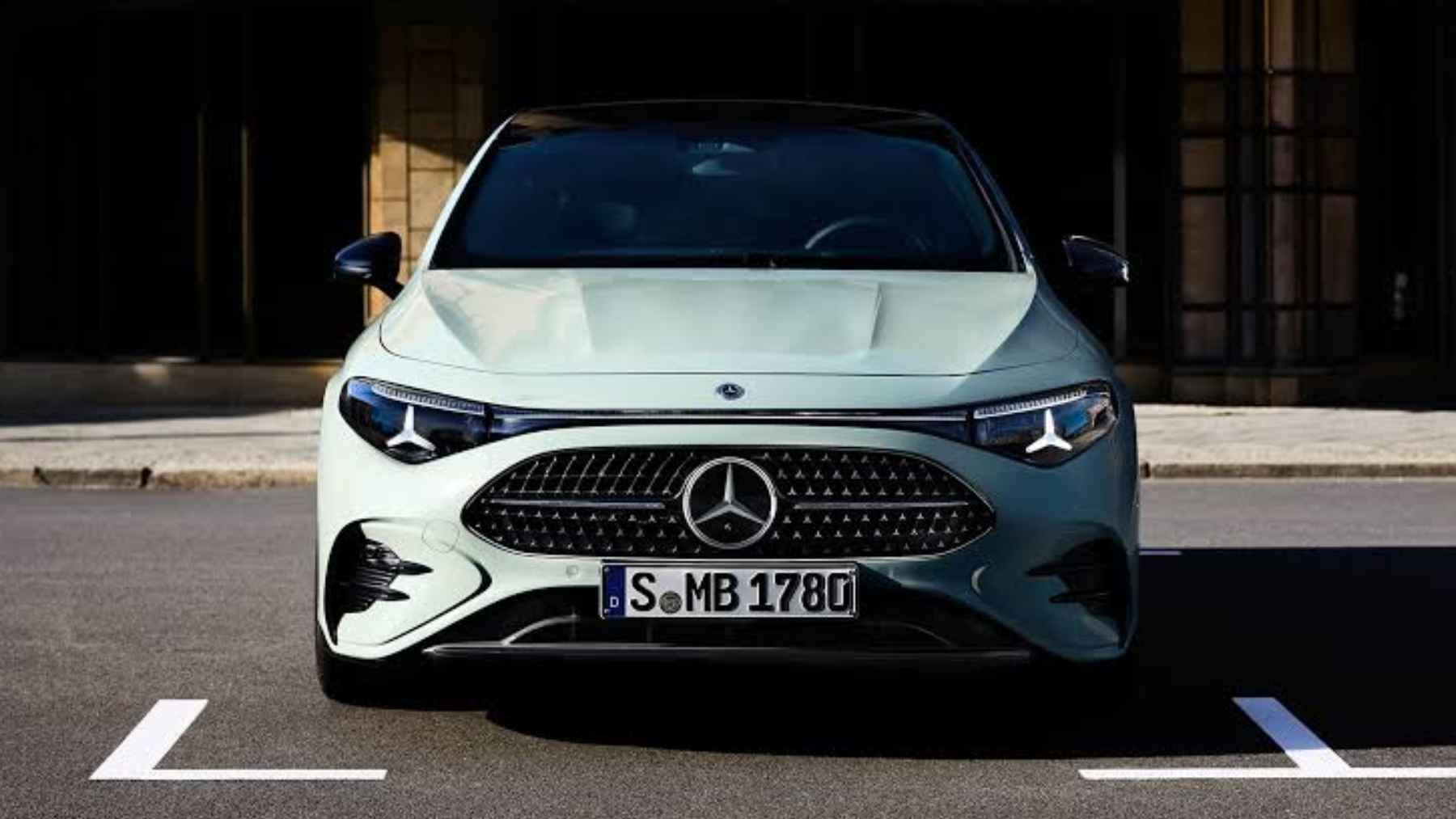
For a customer, the engine’s passport is less important than its durability, real-world fuel economy, service support, and warranty coverage. The European CLA is assembled at Mercedes’ Rastatt plant, where hybrid and fully electric versions can roll off the same flexible production line.
A Chinese production address does not mean lower quality, just as a German badge does not prove every component was made in Germany.
Transparency still matters, though. Buyers reasonably expect to know where a premium car’s core technology comes from, especially when branding leans heavily on national engineering heritage.
The honest description is straightforward since this is a Mercedes-led and Mercedes-integrated hybrid system built around a combustion engine prepared for mass production and manufactured in China through a multinational partnership.
A sign of where the industry is heading
Geely and Mercedes are already deeply connected. The two companies each own half of smart, while Mercedes reported that an investment company controlled by Geely founder Li Shufu held a 9.69% interest in Mercedes-Benz Group as of March 31, 2026.
The M252 adds another layer to a relationship that now stretches from capital and electric vehicles to combustion technology.
The CLA reveals that premium cars are becoming international systems, with design authority, components, software, factories, and financing spread across borders rather than forming a simple contest between German and Chinese engineering.
The technical statement was published on Mercedes-Benz Türk Media on Jan. 8, 2026.