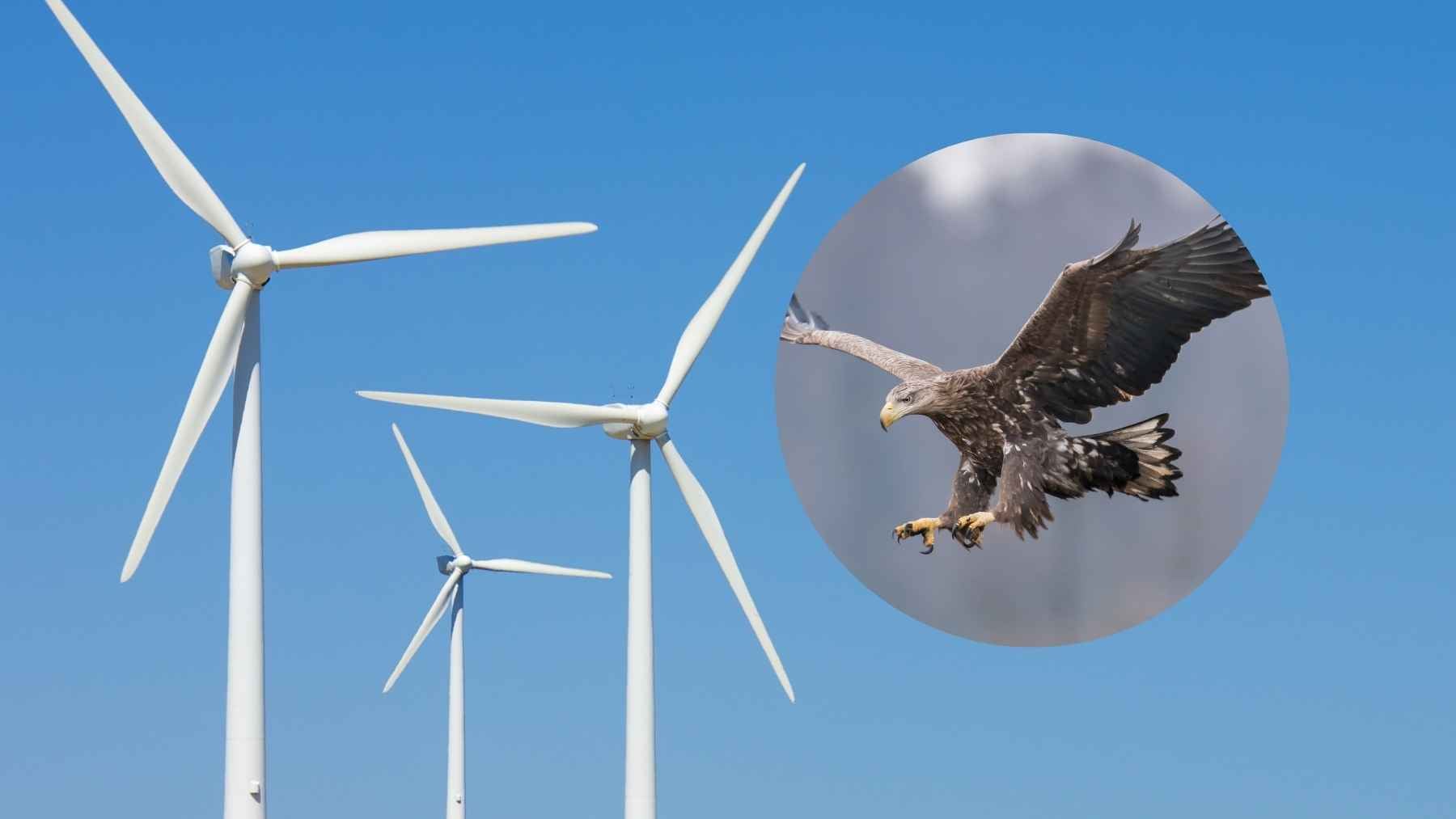
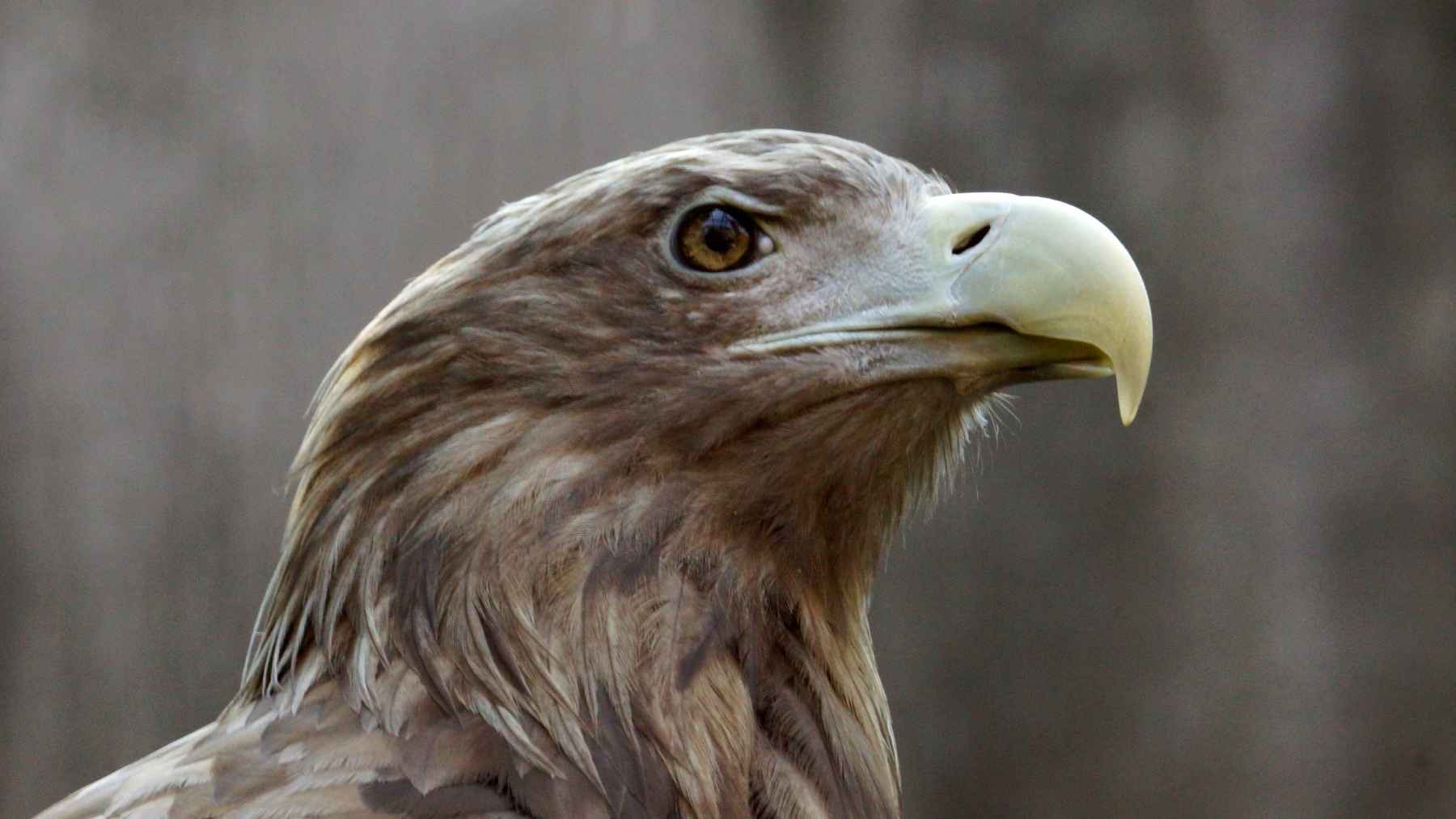
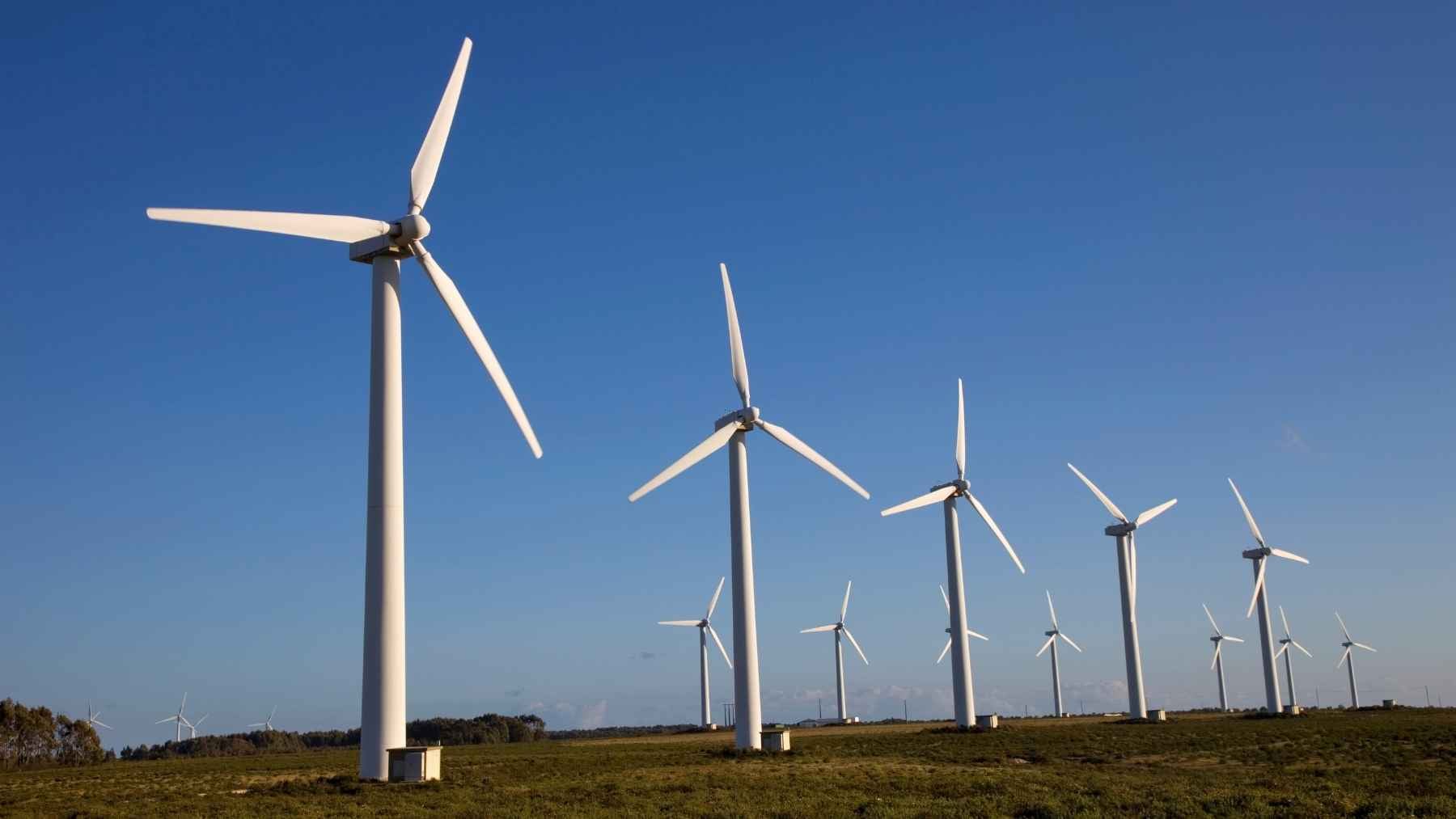
Twenty wind turbines in the Dutch province of Zeeland have been ordered to stop operating during daylight hours after a protected white-tailed eagle was killed by a rotating blade. The temporary shutdown affects turbines near the Kreekrak locks, an area the birds must cross while traveling between nesting and feeding grounds.
The measure highlights an uncomfortable challenge at the heart of the clean energy transition. Wind power can cut carbon emissions, but poorly managed turbines can create serious risks for recovering wildlife populations. In this case, officials decided that leaving the blades spinning was too dangerous.
Daytime shutdown ordered
The turbines are part of a wind farm near the Kreekraksluizen, close to the border between the provinces of Zeeland and North Brabant. A white-tailed eagle died there in April after colliding with one of the blades.
It was not the first fatal incident at the site. Another white-tailed eagle was reportedly killed by a turbine in the same area four years earlier, prompting environmental organizations to demand stronger action following the latest collision.
The Zeeland Regional Environmental Service, known locally as RUD Zeeland, investigated the case. It concluded that the wind farm’s owners had failed to meet their duty of care toward protected animals, according to Dutch public broadcaster NOS.
Why only 20 turbines stopped
The order applies to 20 turbines positioned closest to the eagles’ breeding territory. Reports differ slightly on the wind farm’s total number of turbines, although NOS and Brabants Landschap say the affected machines are part of a 33-turbine site.
The turbines may continue operating at night because white-tailed eagles are not normally flying through the area during those hours. During the day, though, the blades must remain still until adequate protection is installed.
That distinction matters. Rather than shutting down the entire wind farm around the clock, officials are targeting the hours and locations where the collision risk is highest. It is an attempt to protect wildlife without abandoning renewable electricity production altogether.
Young eagles face the greatest risk
Two young white-tailed eagles near Lake Markiezaat were preparing to leave their nest when the shutdown was announced. To reach feeding areas near the Oosterschelde estuary, the inexperienced birds would have to pass the turbines.
“At first, they fly clumsily,” a RUD spokesperson said. “When they fly toward the feeding area near the Oosterschelde, they have to pass the 20 wind turbines. That risk is too great.”
Anyone who has watched a young bird learning to fly can picture the problem. The first trips are rarely graceful, and a giant moving blade leaves almost no room for error.
The eagle killed in April had come from a nest in the nearby Markiezaat nature reserve. Brabants Landschap said the bird was the first chick born in that protected area, making its death particularly significant for local conservation efforts.
Cameras could stop the blades
The wind farm’s owners will now have to install a bird-detection system before the turbines can fully resume daytime operations. The technology uses specialized cameras to identify large birds approaching from a distance.
Once an eagle is detected, the system can trigger a rapid slowdown or temporary shutdown of the relevant turbine. The process can take only a few seconds, potentially giving the bird enough time and space to pass safely.
The owners say they are working to introduce such a system and expect to coordinate its installation with provincial authorities and conservation groups. A spokesperson representing the owners described the eagle’s death as “regrettable” and said protecting vulnerable species was important.
“We are working hard to introduce such a bird-detection system so that nature protection and wind energy can work well together,” the spokesperson said.
That is the bigger test. A wind farm cannot realistically avoid every bird, but modern monitoring technology can reduce predictable dangers, especially along known flight corridors.
A species making a comeback
White-tailed eagles disappeared as breeding birds from the Netherlands for decades. A pair returned in 2006, and the population has gradually grown since then.
Dutch sources reported roughly 45 breeding pairs in the country last year. That recovery is encouraging, but it also means more birds are moving through landscapes filled with roads, power lines and wind turbines.
The birds are among Europe’s largest raptors and are protected under wildlife laws. Their expanding population does not remove that protection or make individual deaths unimportant.
“I hope that our dead white-tailed eagle, although what happened is sad, will ensure that this is managed much better,” Markiezaat forest ranger Erik de Jonge said.
Clean energy still needs safeguards
Wind turbines produce electricity without the direct greenhouse gas emissions associated with fossil fuel plants. Still, the environmental benefits do not erase their local ecological impact.
The Kreekrak case shows why wind projects need more than favorable wind conditions and access to the power grid. Developers must also understand migration routes, nesting sites and the behavior of protected animals before problems occur.
For the most part, renewable energy and wildlife protection do not have to be opposing goals. Careful placement, real-time detection and temporary shutdowns can help bridge the gap.
There may be a financial cost for the wind farm’s owners while the turbines sit idle, particularly during productive daytime hours. But officials have made the immediate priority clear. Until the birds can pass safely, those blades will not turn.
The statement was published on Brabants Landschap.