Cochabamba, Bolivia, has started running a pilot plant that takes mixed city trash and pulls out plastics, glass, metals, and an organic-rich fraction for composting. The Cotapachi facility is reported to process 132 to 165 tons a day, while the city produces more than 661 tons.
In sum, the new line is treating roughly one-fifth to one-quarter of the daily load, not yet solving the whole problem.
That gap is the most important part of the story. The technology is useful and the plant is already creating work for at least 25 people, but its environmental value will depend on clean outputs, reliable markets, four promised expansion lines, and a publicly reported licensing dispute. This is a promising first step, not the finish line.
How the plant works
So, what happens after a garbage truck backs up to the unloading floor? Workers open bags and carry out a first manual sort, pulling bottles and glass from the mixed stream before it enters a large rotating drum known as a trommel. The pilot runs in two shifts with 22 workers and maintenance staff, supported by three technical specialists.
The trommel screens material by size, allowing a smaller, organic-rich fraction to fall away while larger items continue along the line. Operators then separate three types of plastic, metals, and more glass, while the remainder goes to final disposal. It is part machine, part human judgment, turning the bag tossed out after dinner into a series of sorting decisions.
Why the organic fraction matters
Cinva administrator Ángel Arce said removing organics helps “control and prevent the generation of leachate,” while the recovered material is dried and treated to make compost for farming.
Leachate is the polluted liquid created when water passes through waste and picks up contaminants. Keeping wet organic material out of disposal cells can therefore reduce one of the messiest parts of handling garbage.
There is a climate benefit, too. Organic waste buried without oxygen produces methane, and the U.S. Environmental Protection Agency says composting can reduce landfill methane, recover nutrients, and extend landfill life. That is the basic environmental promise behind Cotapachi.
Compost made from mixed city trash needs strict quality control, however. The EPA says compost feedstocks should be free of noncompostable packaging and other contaminants, while World Bank guidance warns that mixed-waste compost can lose value when plastics, glass, or metals remain in the material. A sack of compost is only a resource if farmers can trust what is inside.
The numbers show the challenge
The July walkthrough reported routine throughput of 132 to 165 tons per day and a maximum capacity near 276 tons. Against more than 660 tons of daily waste, normal operations cover about 20% to 25% of demand, while even the stated ceiling would cover less than 42%. Those percentages make the scale of the expansion easy to understand.
Reported figures have not always matched. In May, company representatives said the plant was already treating roughly 276 tons each day, while the newer report described that figure as the maximum and placed typical output lower.
For residents and city officials, verified weighbridge data will matter more than headline capacity.
Four larger lines are planned
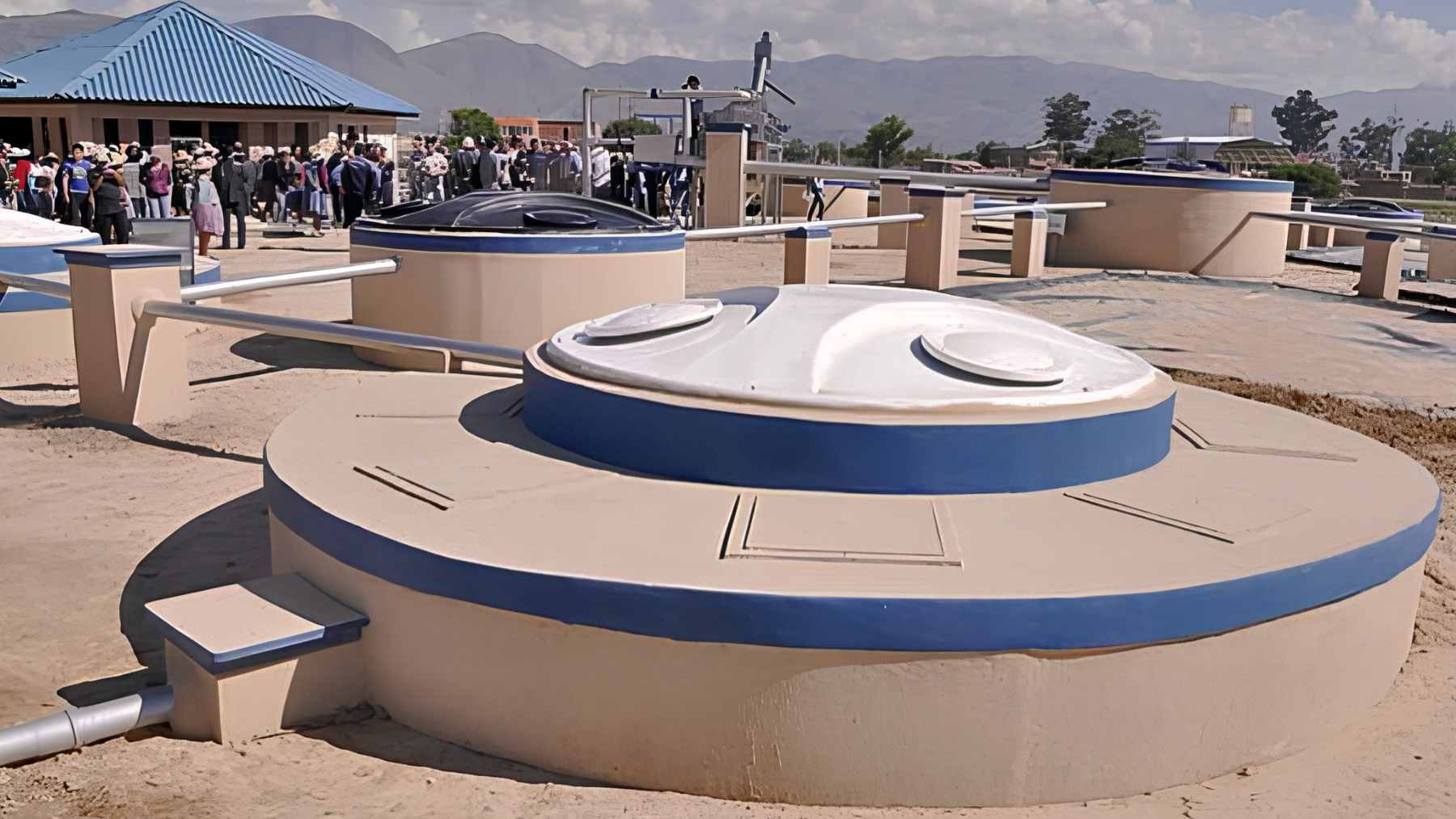
Cinva says four larger industrial lines will be installed, using bigger trommels and additional sorting equipment. The company argues that the final complex will have enough capacity to absorb all of Cochabamba’s waste and leave room for growth over the coming decades. That is the project’s big bet.
At the end of the day, however, extra machinery is only one part of a citywide system. The operator also needs dependable collection, safe handling, buyers for recovered plastic and metal, and a market for compost that meets agricultural standards.
World Bank guidance notes that recyclables recovered from mixed waste are generally lower in quality and command lower prices than materials collected separately.
The permit dispute cannot be ignored
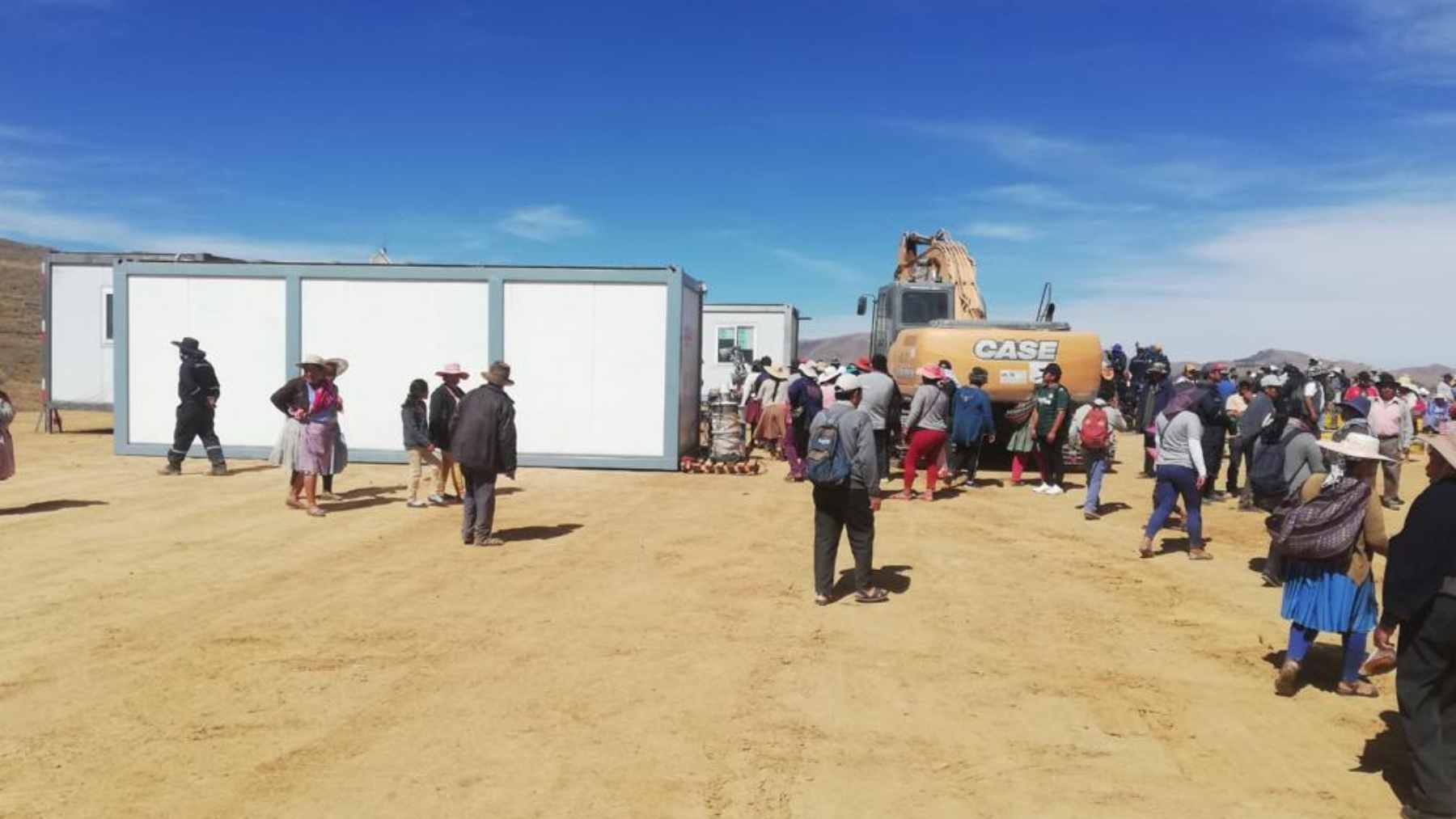
The regulatory picture is more complicated than the plant tour suggests. On June 1, the Cochabamba departmental government said it had rejected an environmental license application submitted by Tunqui Ltda. for the Cotapachi waste complex after finding technical and legal inconsistencies, including land-use and property concerns.
Officials also said populated areas were about 50 meters from the site, while the applicable minimum distance was 1 kilometer.
Municipal leaders have defended the project and argued that licensing questions should be resolved through technical and legal channels. Still, the July 8 report on plant operations did not say that a new environmental license had been granted. A waste solution has to meet environmental rules as well as move garbage off city streets.
The disagreement also shows why transparency matters. Public reporting should separate actual daily throughput, maximum mechanical capacity, recovered tonnage, compost quality, rejects sent to disposal, and permit status. Without those numbers, “industrialization” can become a label rather than a measurable result.
What residents should watch next
The clearest signs of progress will be simple ones. More of the city’s 660-plus tons should be weighed, sorted, and documented each day, while less residue should reach final disposal and finished compost should pass contamination and safety checks. The four new lines should also move from announcement to construction and commissioning.
For Cochabamba, Cotapachi could become the backbone of a more circular waste system, but the real test is whether the plant can scale without trading one environmental problem for another.
The official licensing statement was published on Gobernación de Cochabamba.