What happens when a satellite dies but cannot move itself out of the way? It becomes a costly piece of orbital trash, and Spanish engineering company AVS believes the same skills that helped it reach Mars can help bring that satellite home.
The bet is already reshaping the business. AVS closed 2025 with about $29.7 million in revenue and expects roughly $45.6 million in 2026, according to recent exchange rates. Its most revealing project may be CAT, a European effort to prove that a robotic capture system can grab a failed satellite and remove it safely from a crowded orbit.
From Mars to orbital cleanup
Miguel Ángel Carrera cofounded AVS with Jon Osorio in 2006 after deciding he wanted to build the technology scientists use to do their work. The company now employs about 240 people, has completed projects in 26 countries and operates engineering or integration centers in Spain, the United Kingdom and the United States.
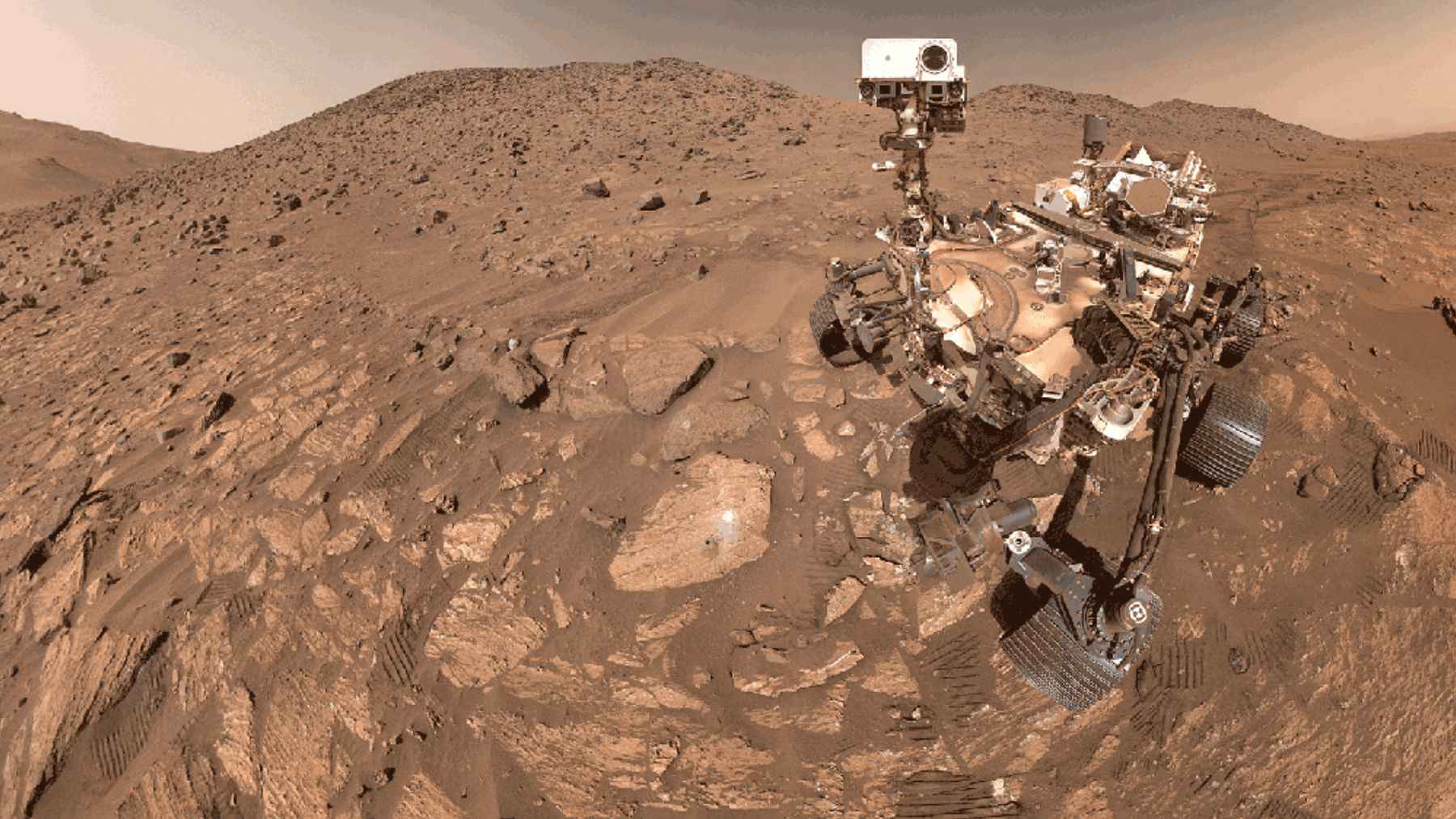
Its best-known milestone arrived on February 18, 2021, when NASA’s Perseverance rover landed on Mars. AVS contributed to the rover’s MEDA wind-sensing hardware and designed the mechanical structure for SuperCam’s calibration targets, which help the laser-equipped instrument analyze Martian rocks accurately. Small parts, huge journey.
Why space junk matters
Earth orbit is getting crowded fast. ESA’s latest statistics, updated June 25, 2026, list about 46,070 objects that are regularly tracked, while more than 660 breakups, explosions, collisions and other fragmentation events have added to the problem. A fragment only a centimeter wide can be enough to disable a spacecraft.
Why should people on the ground care? Weather forecasting, GPS-style navigation, broadband, climate monitoring and military surveillance all depend on satellites sharing the same limited orbital lanes. One collision can create a cloud of new fragments, turning a single failure into a problem for many operators.
How the CAT system works
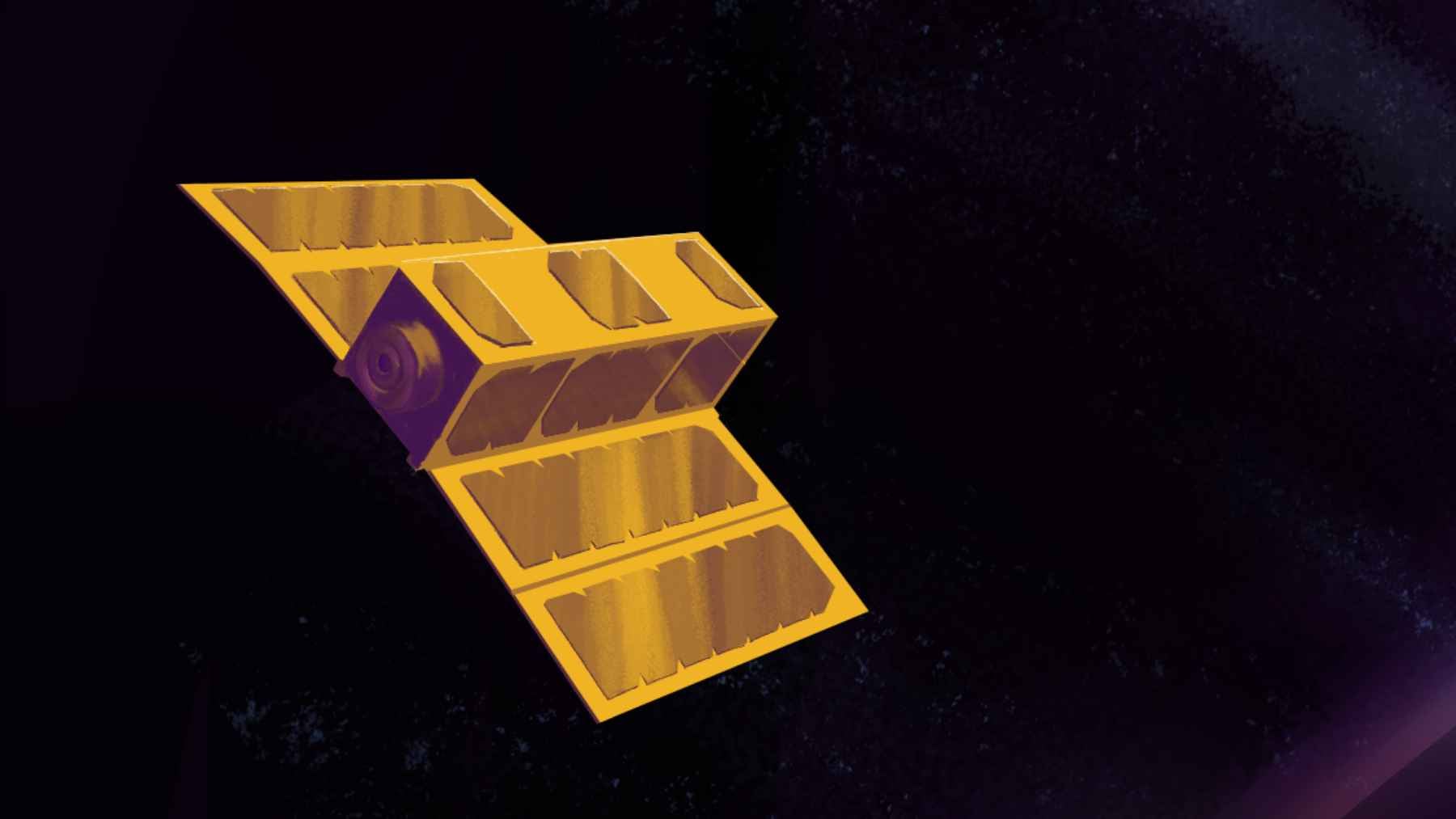
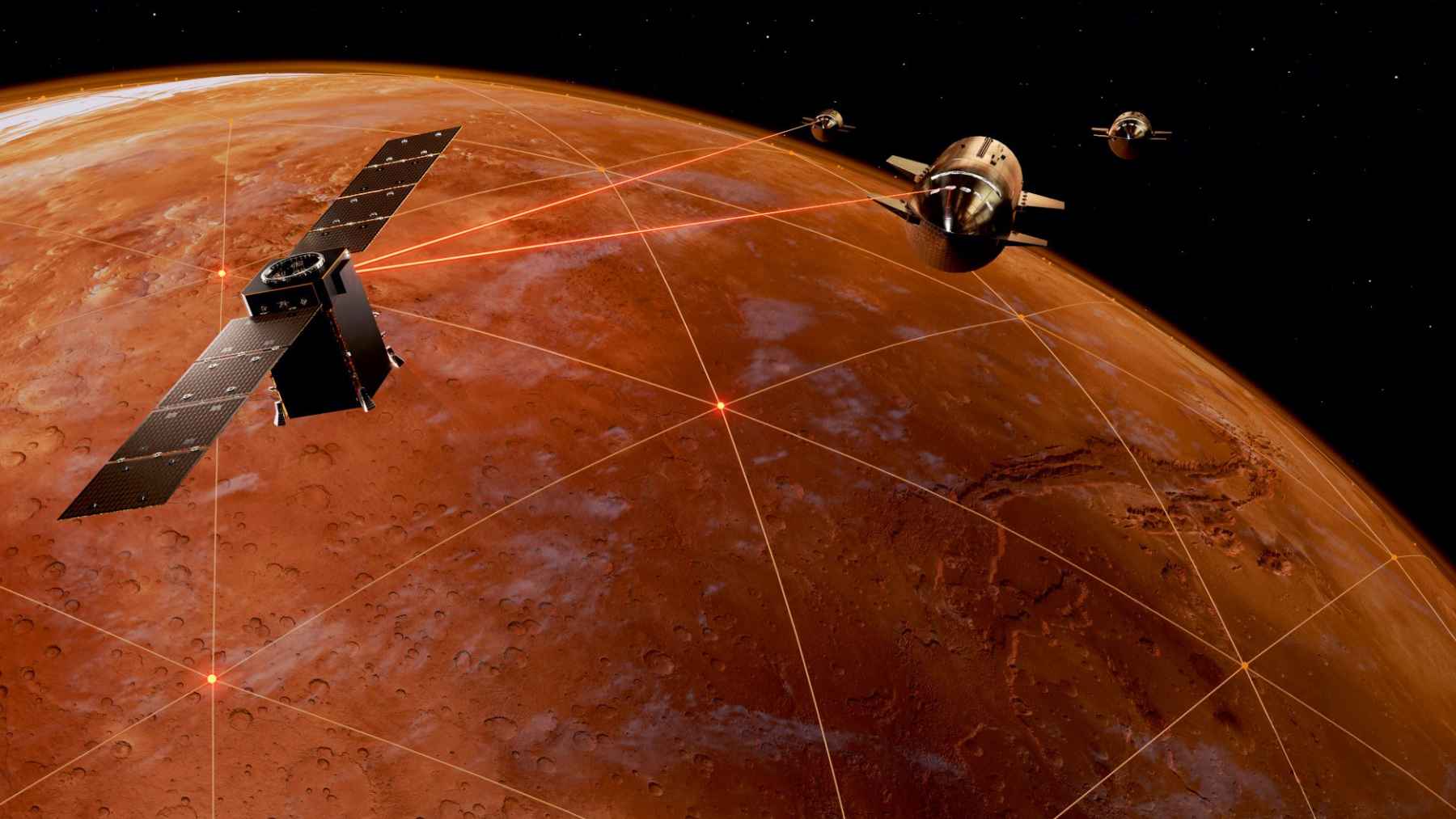
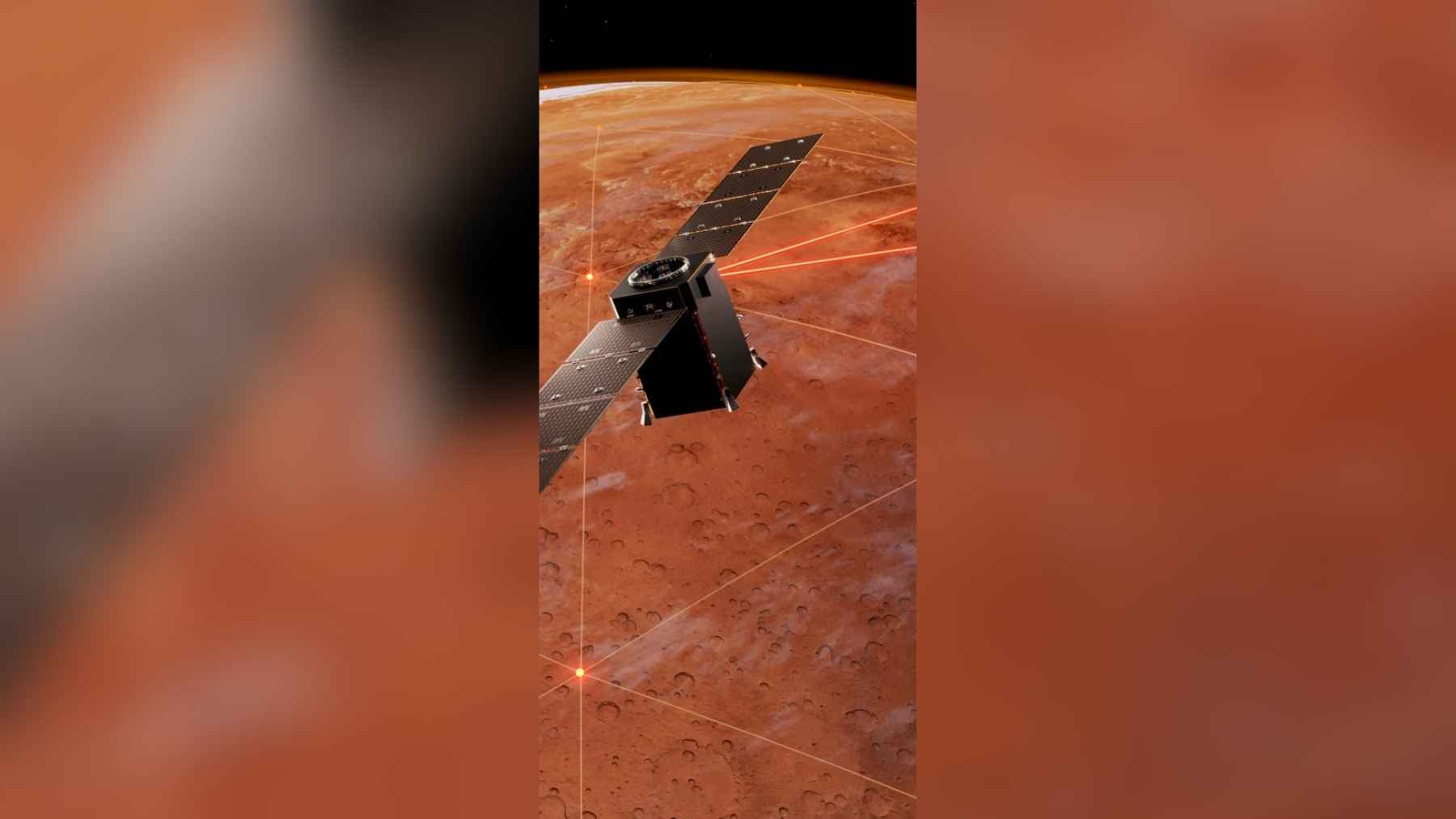
AVS launched LUR-1, its first satellite, in September 2024. The spacecraft carries a device called MICE, which acts much like a tow hook on a car, plus six navigation aids that help another spacecraft judge its distance, orientation and tumbling motion.
CAT is the matching side of that system. Led by Spanish technology company GMV with AVS involved in the development, the planned servicing spacecraft would approach a dead or disabled satellite, line up a robotic capture assembly with MICE and secure the target for removal.
Essentially, AVS is helping test whether future satellites can be designed for cleanup before they ever leave the factory.
A business built on hard problems
The strategy behind AVS is deliberately narrow. Carrera says the company looks for tenders where only two or three businesses can realistically compete, rather than crowded contracts based mostly on price. “We want to do the most complicated work our clients have,” he told Cinco Días.
This is a specialist business, not a volume one. Major science contracts may take years to award and another seven to 10 years to complete, so hiring, cash flow and project management matter as much as clever engineering.
AVS says it already has work secured through 2029, which explains why Carrera describes the main challenge now as “managing growth.”
More than a space company
AVS spreads that risk across space, fusion energy and particle accelerators. It supplies equipment for ITER, the giant experimental fusion project in France, and works on IFMIF-DONES in Spain, which will test materials for future fusion reactors.
Fusion could eventually provide low-carbon power, but ITER remains a research step toward future power plants rather than a commercial electricity producer.
The company also develops accelerator technology for cancer treatment and supplies major research centers. Spain’s wider science industry generates an estimated $742 million to $913 million a year at the same ECB exchange rate, and domestic projects are becoming more important after years in which more than 70% of AVS’s activity came from international markets.
The environmental business case
Space cleanup is not simply a public-interest project. It could become a market for inspection, life extension, towing, refueling and controlled disposal, with civilian, commercial and defense customers all needing safer access to orbit.
ESA and the European Commission now describe in-orbit servicing as part of a future “circular economy in space” that could reduce waste while strengthening Europe’s strategic autonomy.
Standard hardware may be the key. Much like a common charging port makes everyday electronics easier to use, a shared capture interface could reduce the complexity and cost of removing satellites built by different companies.
ESA says MICE-style interfaces and navigation aids are being added to several future Copernicus missions, which provide Earth observation data for environmental monitoring.
The real test is still ahead
CAT has not yet proved the full operation in orbit. Rendezvous and capture are difficult, especially when a dead satellite is tumbling, and a failed attempt could create the very debris the mission is meant to prevent. That is why the demonstration must validate navigation, synchronization and capture as one complete system.
AVS’s story is no longer just about a small company that sent hardware to Mars. It is about designing the full life cycle of advanced machines, including what happens when their useful work is over.
The official statement was published on the Space Agency.