A forgotten rail corridor in northern Spain has reopened as a 2.61-mile tourism route, but it is not the traffic-free trail many readers may picture when they hear “greenway.” C
antabria’s government completed La Engaña with European tourism funds at a final cost of about $5.49 million, around 45% above the initial $3.77 million budget, and the route now brings vehicles toward the proposed Mirador del Pas cable car.
The project can improve access, restore abandoned infrastructure, and bring customers to rural businesses. But its environmental credibility will depend on a simple question. Is this primarily a low-impact trail, or the first piece of a much larger tourist transport system?
A greenway with cars
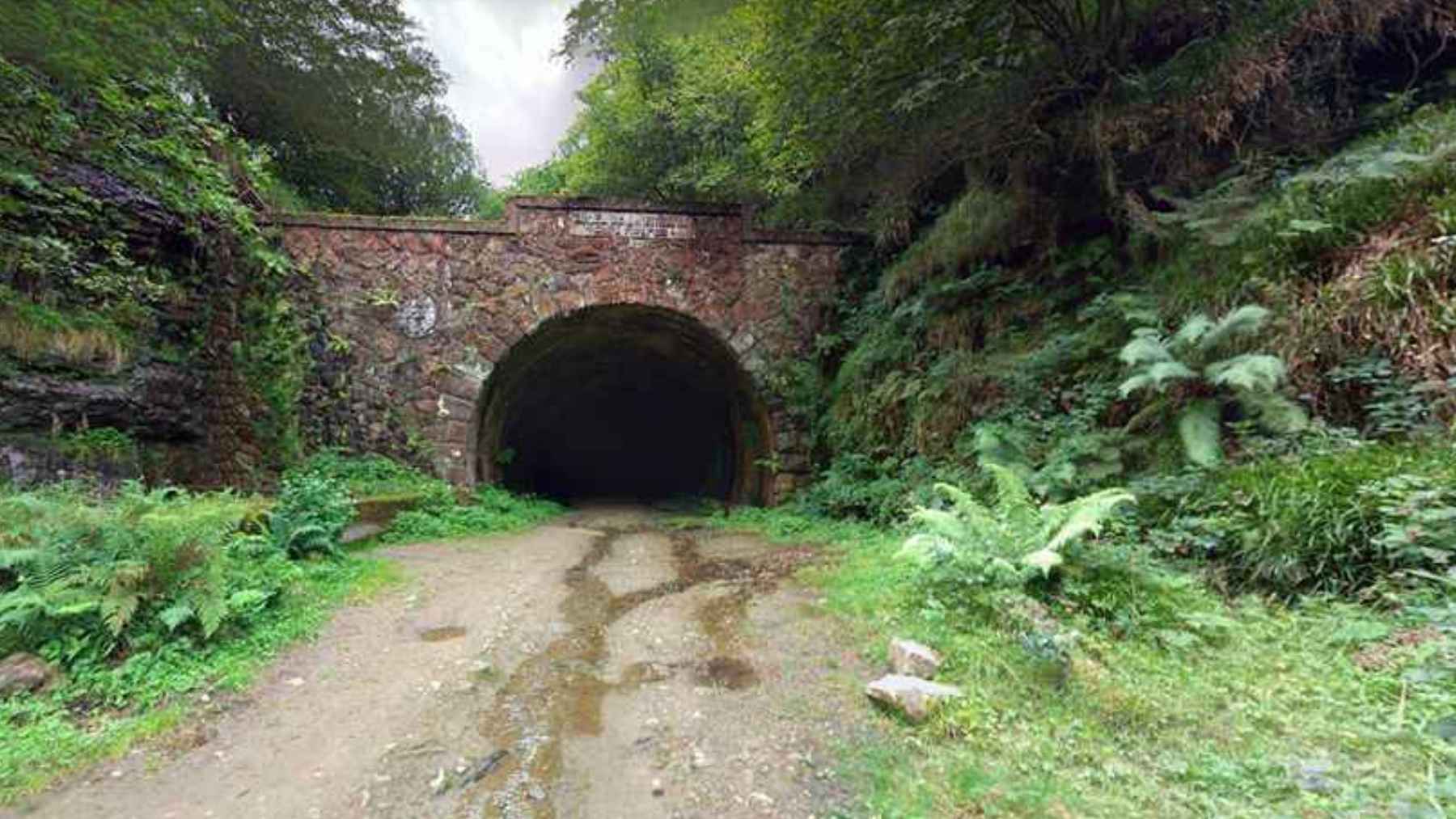
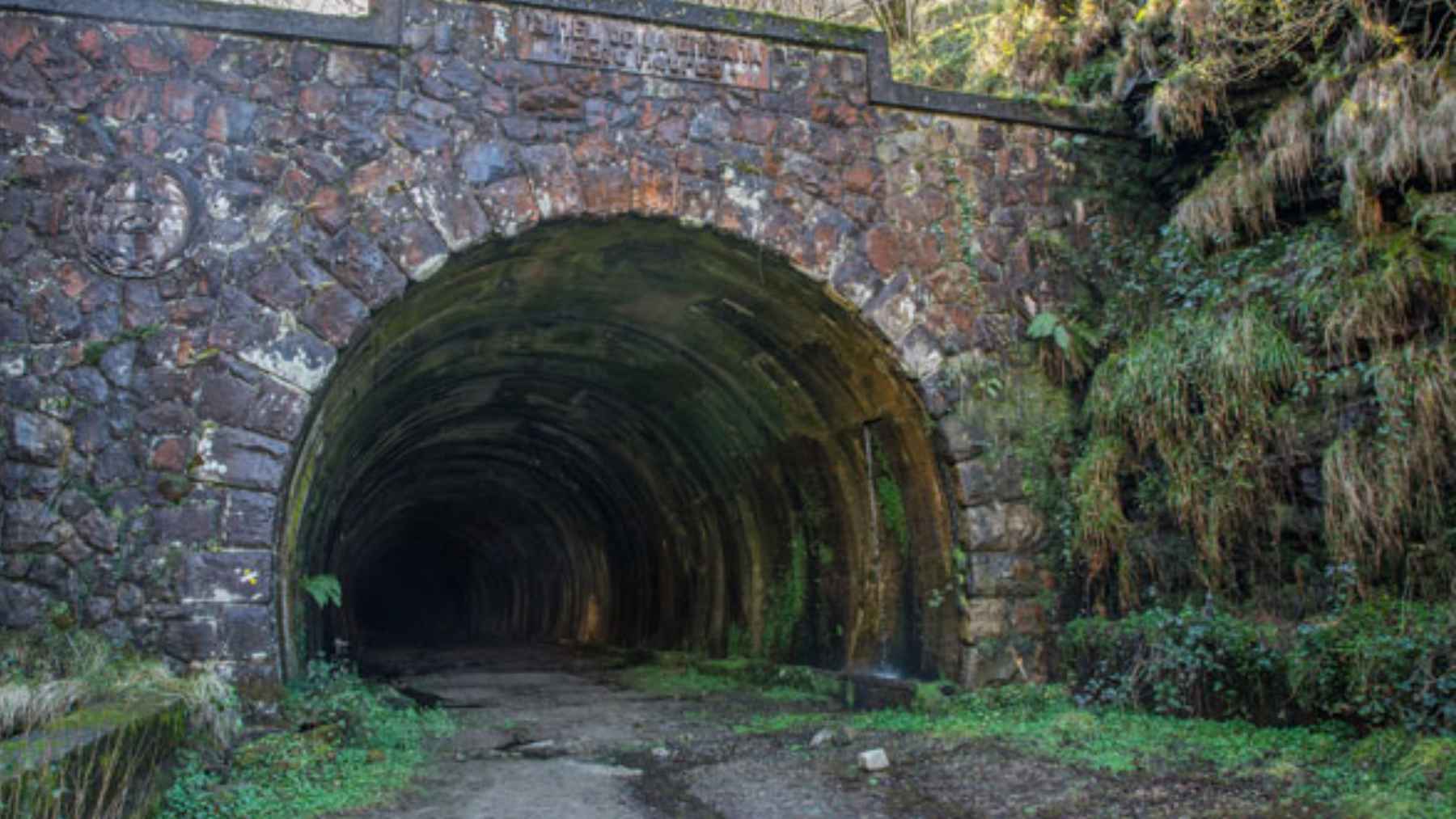
The 2.61-mile project begins with roughly 2,362 feet of road safety and drainage work near Yera station. It then follows the old railbed for 1.62 miles as a roughly 21-foot-wide vehicle road beside a broad walking and cycling path, before continuing for about 2,789 feet as a pedestrian and bicycle-only section to the tunnel’s north entrance.
The route also includes parking, rest areas, an automated e-bike rental center, and an immersive lighting installation inside the first 328 feet of the tunnel. For a family arriving with bikes, that mix may feel convenient. For a cyclist expecting a car-free rail trail, it is a different product.
Spain’s national Greenways Program defines Vías Verdes as disused railway lines converted into “non-motorized routes” for walking and cycling, with motor traffic restricted for safety. La Engaña includes a genuine non-motorized stretch, but the main access segment is designed for vehicles as well, so the label now carries more political weight than paint color alone.
The price climbed sharply
Using the European Central Bank’s July 17 reference rate, the final cost works out to about $5.49 million, up from roughly $3.77 million. That is an increase of about $1.72 million, which regional President María José Sáenz de Buruaga described as “responsible planning.”
The government says two project modifications combined work that had originally been treated as separate road and greenway contracts, avoiding the need to tear up fresh construction later.
That explanation can be reasonable in engineering terms, but it does not make the increase irrelevant. Public value depends on whether the broader scope, environmental review, and promised benefits were clearly disclosed before the money was committed.
The cable car is the bigger bet
The motorized section ends near the planned lower station of the Mirador del Pas cable car, tying the new access road to a much larger tourism proposal. The official plan expects a private concessionaire to invest more than $26.3 million and operate the system for 40 years, using 40-person cabins with capacity for 350 to 375 passengers an hour at speeds of up to about 22.4 mph.
The government hopes to tender the project in late 2026 or early 2027 after completing the environmental process and economic viability review. Public consultation ran from Jan. 20 through March 2 under an ordinary environmental impact assessment, and Buruaga said officials were responding to 60 objections.
SEO/BirdLife says the proposed upper station would sit about 98 feet from a Red Natura 2000 protected area and believes the project could affect an important bird area used by hen harriers, griffon vultures, and Egyptian vultures.
The conservation group acknowledges that cable cars are less invasive than ski areas or wind farms, but it argues that the landscape and geological value of this location make the project a poor fit.
Tourism gains and environmental limits
The government’s business case says the 16 municipalities of the Valles Pasiegos recorded 64,435 travelers and 188,748 overnight stays in 2024, nearly double the visitor count reported for 2015. It forecasts about 135 direct jobs during the cable car’s first year and around 270 indirect jobs linked to hospitality, retail, recreation, and transportation.
Those numbers explain why rural leaders want the investment. Yet a cable car does not erase the footprint of the people arriving below it, and road traffic, parking demand, waste, trail erosion, and pressure on farming land can matter as much as towers and cables. That is where the road’s design becomes part of the environmental debate, not merely a separate access project.
A credible sustainable tourism plan needs published traffic forecasts, shuttle or public transportation options, visitor limits if habitats show stress, and monitoring that can trigger changes. The environmental review should be judged by whether it addresses induced demand, not only the construction footprint.
The tunnel’s memory matters
The La Engaña tunnel never carried trains. Historical research on Franco-era penal labor records that two prison labor detachments were established at the tunnel portals in 1942, with 370 prisoners on one side and 190 at Vega de Pas in 1943.
The opening ceremony described La Engaña as a “space loaded with memory,” and 328 feet of the tunnel now includes lighting intended to honor its builders. A serious heritage presentation should also explain that Republican political prisoners worked under a sentence-reduction labor system, because tourism can restore a place without smoothing away why it matters.
What happens next
The road is open, but the cable car has not completed environmental review or procurement. The coming decisions on the objections, environmental assessment, concession terms, and access management will determine whether La Engaña becomes a model for rural renewal or a case where sustainable branding ran ahead of the evidence.
This project will be judged less by green paint than by transparent costs, traffic controls, habitat safeguards, and an honest account of the tunnel’s past.
The statement was published on Government of Cantabria.