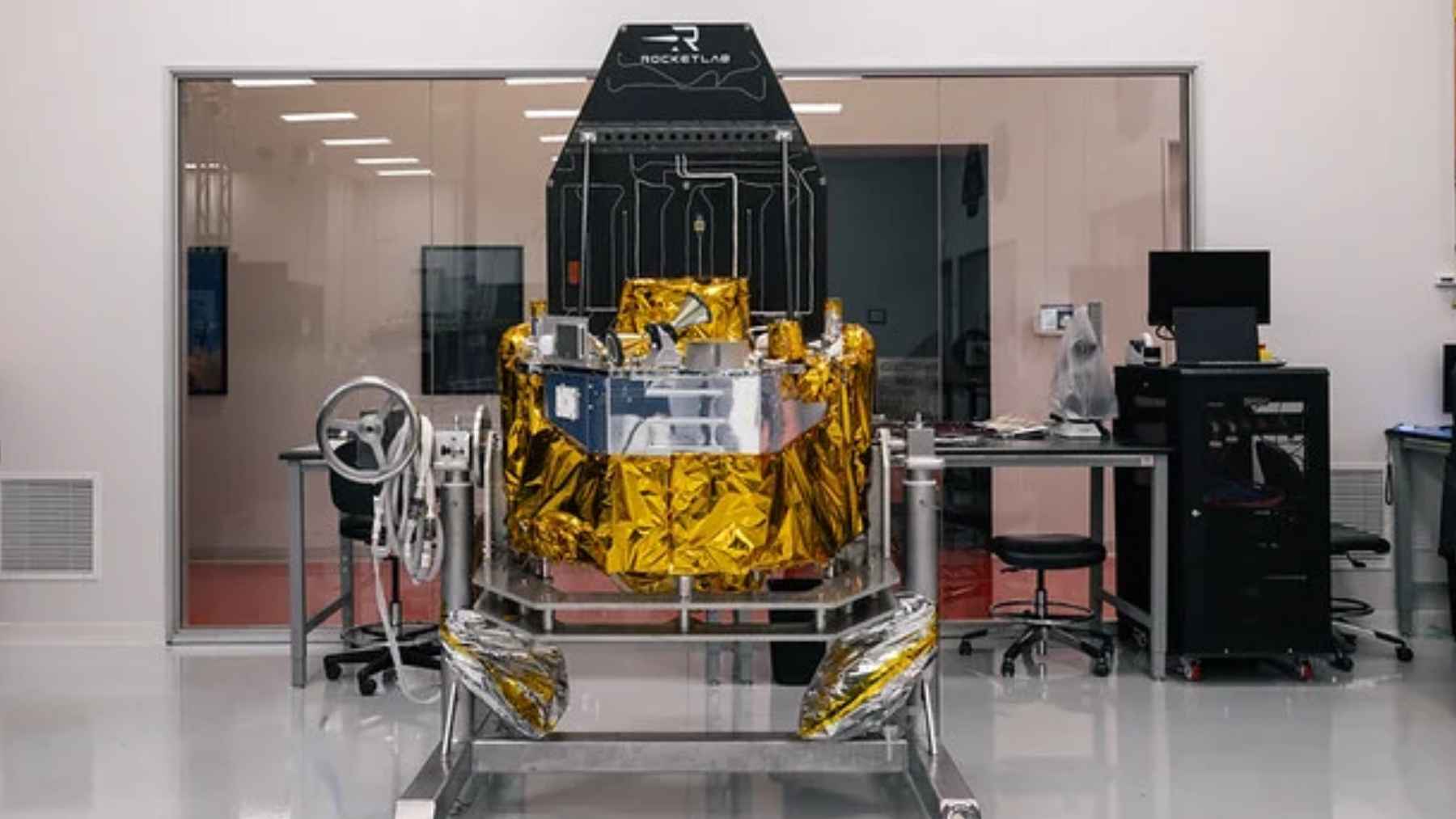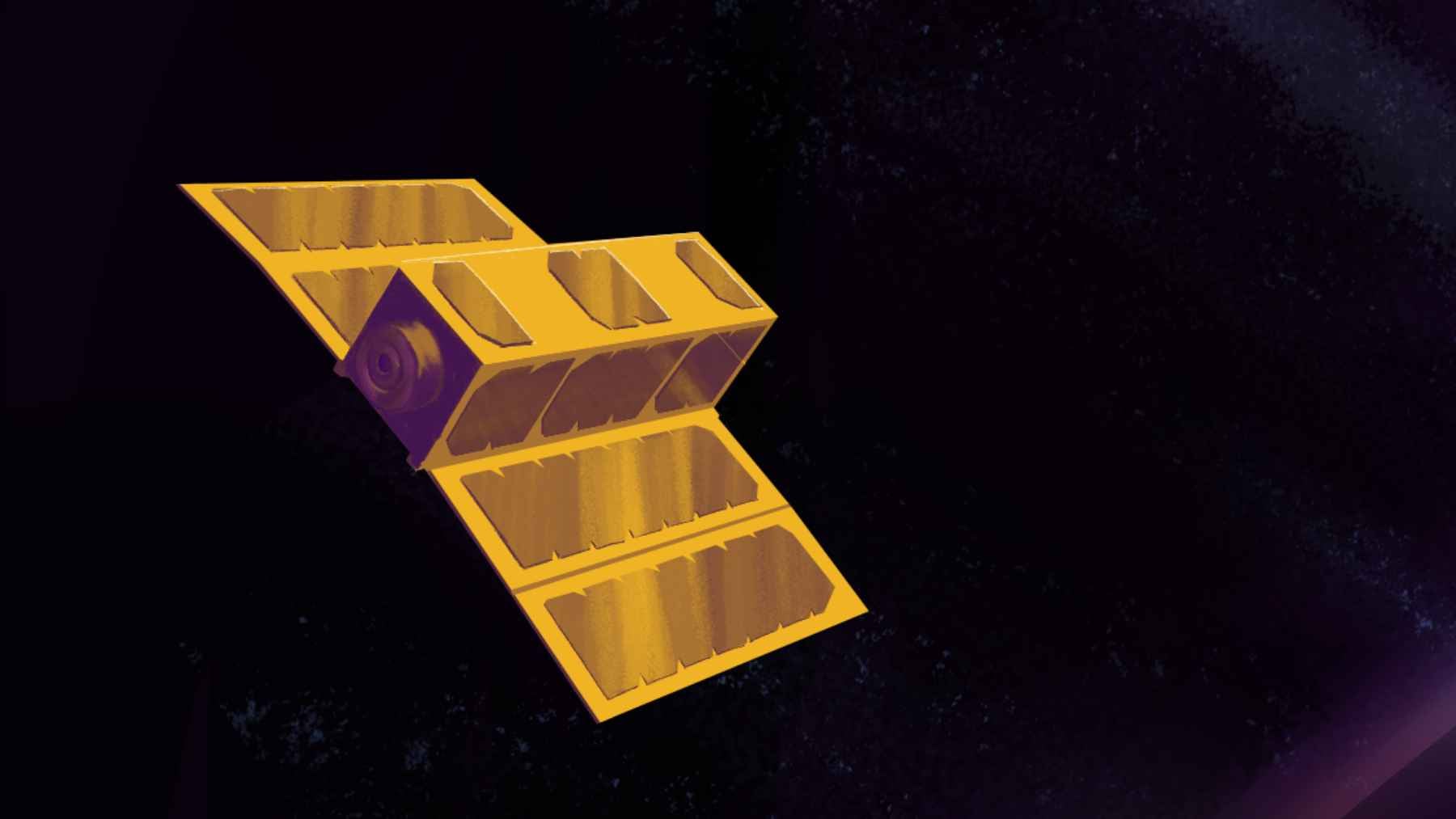
Austria has placed its first fully commercial satellite in orbit, but the bigger story is not a national first. “Oasis Alpha” is testing whether microgravity research can become a standardized service, rather than a custom space mission that only major agencies and well-funded aerospace companies can manage.
The Vienna startup Tumbleweed launched the spacecraft on July 7, 2026, aboard SpaceX’s Transporter-17 mission from Vandenberg Space Force Base in California.
Four European customers now have payloads in a sun-synchronous orbit roughly 367 miles above Earth, with work linked to drug production, autonomous systems, future resource processing and an ecology-themed art project.
A business model takes flight
Transporter-17 carried 81 payloads on one Falcon 9, ranging from CubeSats to hosted experiments and orbital transfer vehicles. Exolaunch managed the deployment of 49 customer satellites, including “Oasis Alpha,” showing how rideshare missions have become the shared bus route of the small-satellite economy.
Tumbleweed says it built the technology demonstrator in less than nine months, then used Exolaunch’s EXOpod Nova system for deployment. “Too slow, too complex, too much. We built Oasis Alpha to change that,” co-founder and chief technology officer Guillaume Brault said in the company’s announcement.
All four customers reached space for the first time. Tumbleweed is not mainly selling hardware, it is selling a shortcut through the engineering, paperwork and launch logistics that often stop a laboratory experiment before it ever reaches the launchpad.
Why the Pods matter
At the center of Tumbleweed’s plan are standardized containers called “Pods.” They isolate customer payloads from the spacecraft, can provide a controlled operating environment and let Tumbleweed handle work such as certification, data links and mission control.
A research team can focus on what goes inside the box instead of becoming an aerospace company. Tumbleweed describes the ambition as making access to space “as easy as mailing a package,” a useful comparison even though rockets, safety reviews and launch delays will never be quite as simple as dropping something at the post office.
That standardization is the real commercial experiment. Common containers allow different operators and systems to work around one format, and Tumbleweed is trying to apply that familiar logistics model to microgravity research.
Four very different payloads
Mass Balance is conducting a whole-cell biocatalysis experiment, studying how living cells perform chemical work in orbit. Microgravity reduces effects such as sedimentation and buoyancy-driven convection, which can help researchers separate gravity’s influence from the underlying biological or chemical process. This is early research, not an orbital medicine factory.
Delft University of Technology is testing autonomous intelligent systems, while the European Space Resources Innovation Centre is studying phase transitions connected to future resource extraction.
The long-term logic is straightforward. Using water, oxygen or other materials found beyond Earth could reduce the mass, cost and number of launches needed for sustained exploration.
The fourth payload brings the environmental theme down to something small enough to hold in a hand. The Spring Institute’s “REVIVE” project carried prairie flower seeds and a handwritten letter after a leak forced the team to abandon its original plan for a living micro-ecosystem. A technical setback became an artwork about life surviving in hostile places.
Space sustainability still counts
Tumbleweed told Austrian broadcaster ORF that it expected communications with “Oasis Alpha” to continue for at least six weeks. The satellite is then expected to remain in orbit before burning up in Earth’s atmosphere several years later, rather than staying there indefinitely as a dead spacecraft.
That disposal plan deserves attention. ESA reported about 45,980 tracked objects in Earth orbit as of June 25, 2026, and estimated another 1.2 million debris objects measuring roughly 0.4 to 4 inches. Even a small commercial satellite enters a neighborhood where responsible end-of-life planning is no longer optional.
Rideshare launches use one rocket to carry many customers, which makes access more efficient, but not impact-free. Opening orbit to more businesses also means those businesses must treat orbital space as a limited environment rather than an endless dumping ground.
Oasis Beta is the larger test
“Oasis Alpha” can operate experiments and send data home, but it cannot return the payloads themselves. That limits what customers can do, especially in pharmaceuticals and advanced materials, where researchers often need the physical sample for laboratory analysis.
Tumbleweed is already developing “Oasis Beta,” a next-generation platform intended to bring experiments back to Earth. A reliable return service would turn a one-way demonstration into a repeatable research cycle, which is where the business model could become much more valuable.
For now, the company has proved that it can build quickly, integrate four first-time customers and reach orbit. The next proof points are harder, including keeping the spacecraft operating, delivering useful results, disposing of it responsibly and showing that customers will return for another flight.
The press release was published by Tumbleweed.