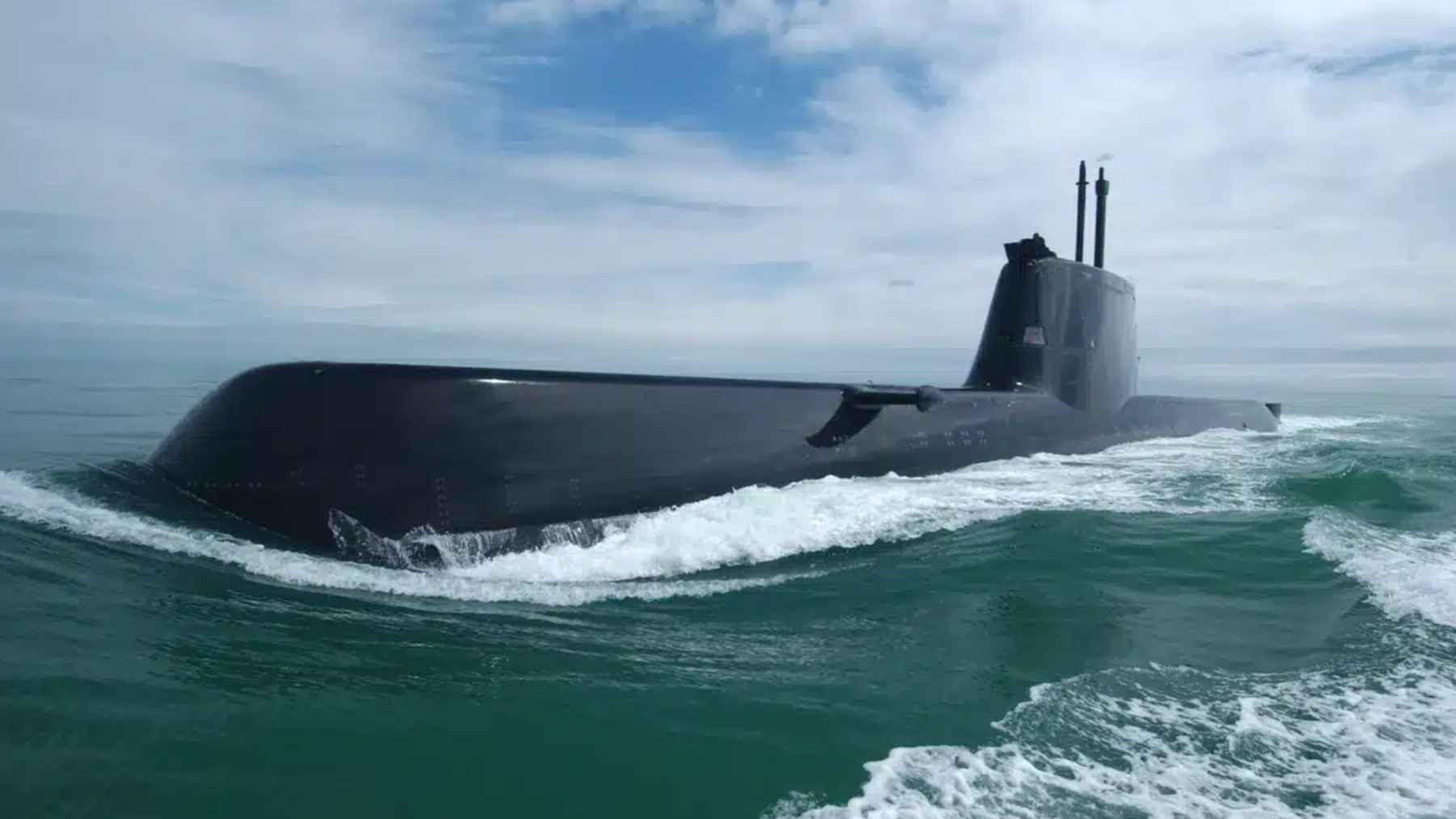
Canada has selected German shipbuilder TKMS as the preferred supplier for up to 12 Type 212CD submarines, setting up what Ottawa calls the largest defense procurement in the country’s history. One detail matters right away. This is not yet a signed purchase contract, and Canada can still turn to South Korea’s Hanwha Ocean if negotiations fail.
Why make such a huge move now? Canada says its Arctic is warming nearly three times faster than the global average, while increasingly open seas are creating new shipping opportunities and sharper military competition. The submarine decision is therefore a climate-security bet, but it should not be mistaken for a green weapons program.
A choice, not a final deal
Prime Minister Mark Carney announced the decision at Canadian Forces Base Halifax on July 6, 2026. Canada plans to finish contracting by the end of 2027, and Ottawa says the first four boats should arrive in 2034. TKMS separately expects to deliver the first submarine by 2033.
The urgency is easy to understand. Only one of Canada’s four aging Victoria-class submarines is currently seaworthy, according to the government, which limits the Navy’s ability to maintain a credible presence across the Atlantic, Pacific, and Arctic at the same time.
The Arctic changed the math
For decades, sea ice acted like a locked door across much of the High North. That door is opening for longer periods, and Carney warned that commercial traffic, strategic resources, and military pressure are increasingly converging in Canada’s northern waters.
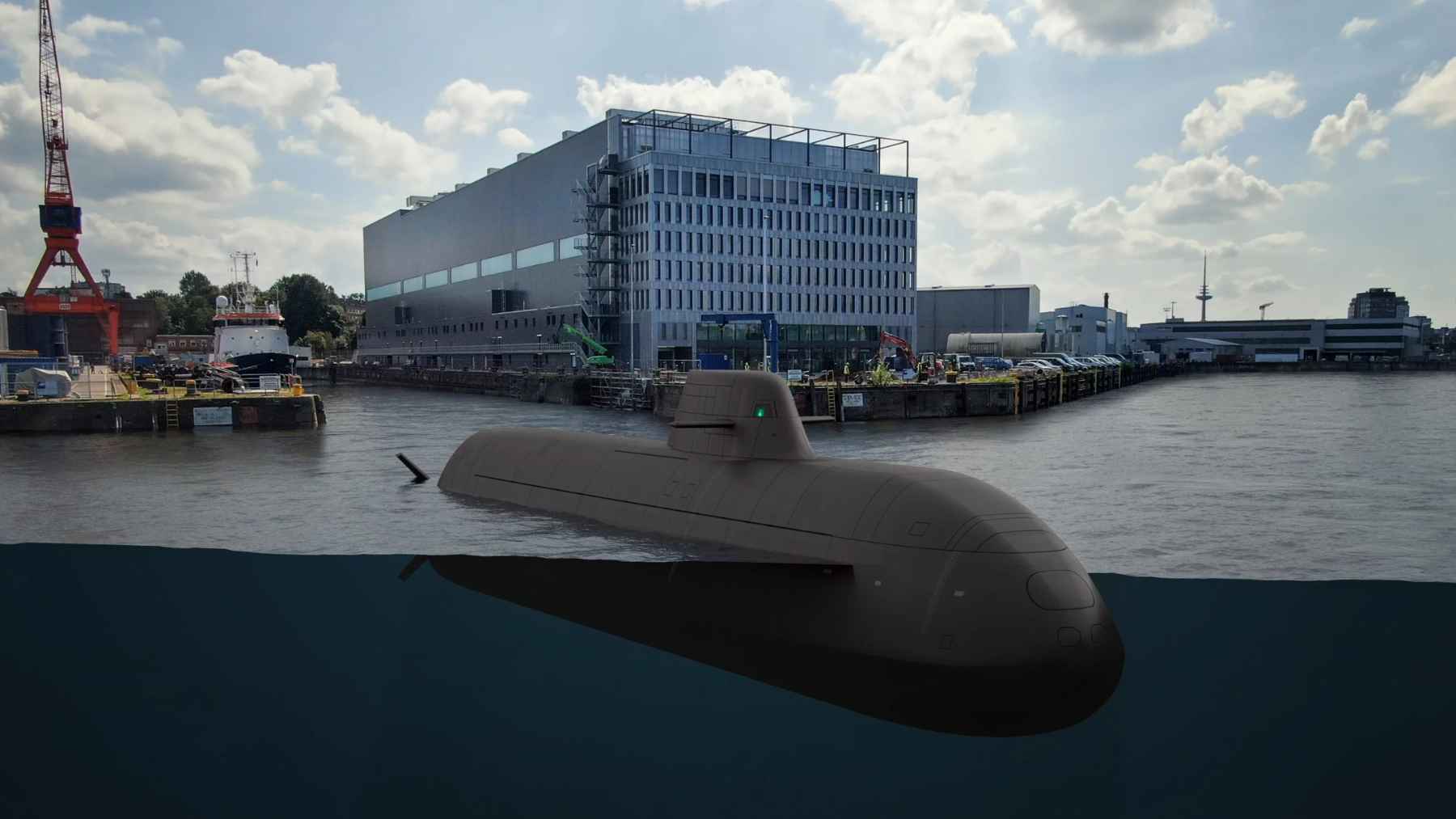
The 212CD was designed with Norway, an Arctic nation, and TKMS describes it as “built for the North, not simply adapted to it.” That makes the boat a logical fit for patrols under ice and in the rough North Atlantic, but it also puts more military activity into one of the planet’s most sensitive environments.
Inside the 212CD
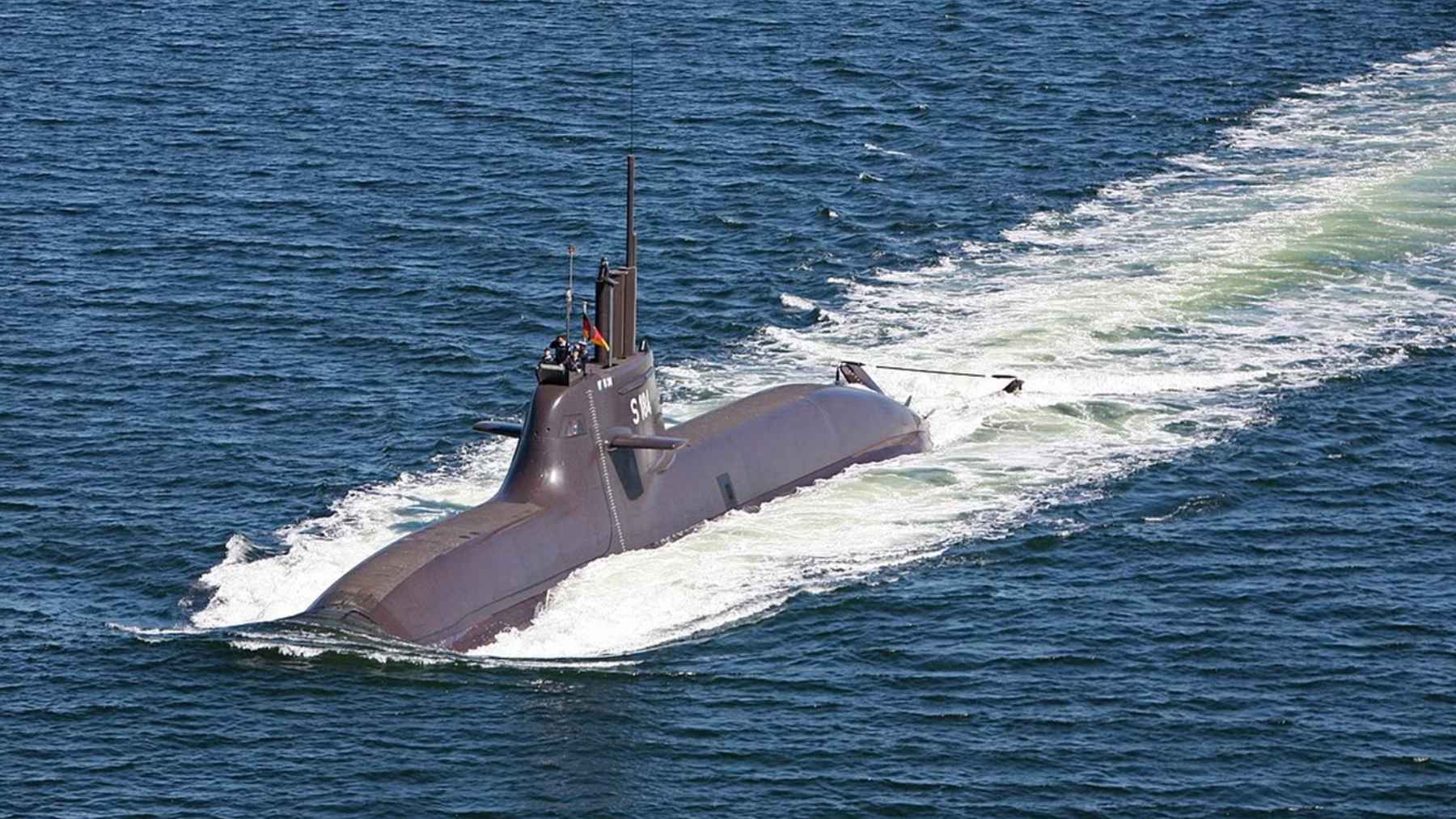
The submarine is about 243 feet long and uses a diamond-shaped, non-magnetic double hull intended to reduce its acoustic and magnetic signatures. Its power system combines diesel engines with hydrogen fuel-cell air-independent propulsion, while lithium-ion batteries provide speed and faster recharging.
Canada says that setup can keep the boat “more than 40 days fully submerged in near-total silence.” In practical terms, crews can patrol for weeks without repeatedly snorkeling near the surface, where a conventional submarine becomes easier to detect.
One fleet across three allies
Germany and Norway are already buying the same class, while Norway’s Kongsberg supplies key elements of the ORCCA combat system. If Canada completes the purchase, the three allies would share a common platform, opening the door to joint training, compatible spare parts, software cooperation, and even exchanges involving crews.
That commonality is more than a neat engineering feature. Submarines can remain in service for decades, so shared maintenance and upgrades may reduce downtime and make it easier to respond when a component suddenly fails thousands of miles from its original factory.
Cleaner technology has limits
The phrase “non-nuclear” may sound environmentally reassuring, but it does not mean zero-carbon. TKMS confirms that the 212CD still uses diesel engines alongside its hydrogen fuel cells, and the program will also require specialty steel, shipyard energy, new docks, training centers, maintenance facilities, and a long supply chain.
Low acoustic signature also describes military stealth, not an environmental certification. The official releases reviewed for this article do not provide a lifecycle emissions estimate, a full Arctic ecological assessment, or detailed safeguards for expanded northern operations. Those gaps deserve attention during contract talks.
Carbon removal joins the package
TKMS has tried to connect its defense bid to Canada’s clean-technology ambitions. In June, the company signed memorandums with Heirloom Carbon Technologies and thyssenkrupp Calvion to explore a large direct air capture hub in Alberta using a limestone-based process to remove carbon dioxide from the atmosphere.
That proposal is separate from the submarine’s propulsion system, and it remains an industrial plan rather than an operating climate project. Its real value will depend on scale, energy use, permanent storage, credible measurement, and whether the promised technology transfer reaches Canadian companies.
Jobs spread beyond the shipyard
Ottawa says the winning agreement must match 100 percent of Canada’s investment with economic activity in the country. Carney pointed to sustainment work in Halifax and Vancouver, training simulators in Montreal, clean-energy participation in Calgary, and torpedo production in Manitoba.
TKMS says the potential Canadian order would increase its backlog by more than 50 percent. The final division of construction work has not been published, but Canada is seeking domestic control over training, parts, digital systems, infrastructure, and maintenance. That support network could matter just as much as the place where each hull is welded.
What comes next
Several big numbers are still missing, including the final purchase price and the cost of operating the fleet over its lifetime. Canada also needs to define how much work will be performed domestically, how Arctic infrastructure will be built, and how environmental risks will be monitored in waters already changing faster than politics.
At the end of the day, the 212CD choice is about more than replacing four old submarines. It is Canada’s attempt to combine Arctic sovereignty, NATO cooperation, industrial policy, and climate-era security in one enormous program.
The official statement was published on Prime Minister of Canada.