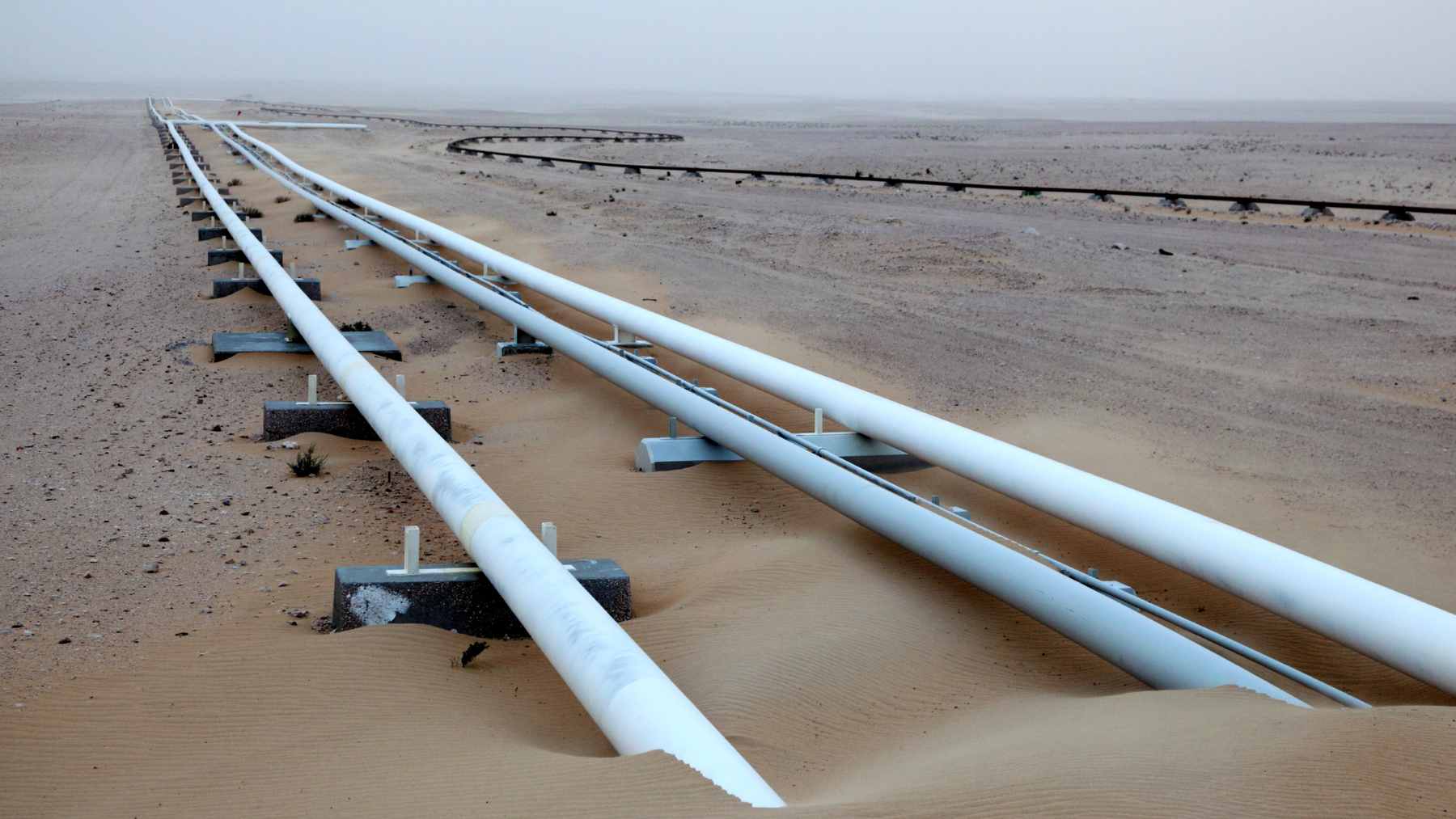
Canada has taken a major step toward building a second large oil route from Alberta to British Columbia’s Pacific coast. Prime Minister Mark Carney’s government has sent Alberta’s proposal to the Major Projects Office, with a planned capacity of 1 million barrels a day and a possible construction start in September 2027.
This is not a fully approved pipeline yet, however. Can a project designed for more oil exports also support a credible climate plan? That is the wager Ottawa is making as it presents the proposal as a pillar of Canada’s economic and energy security.
A new route to Asian markets
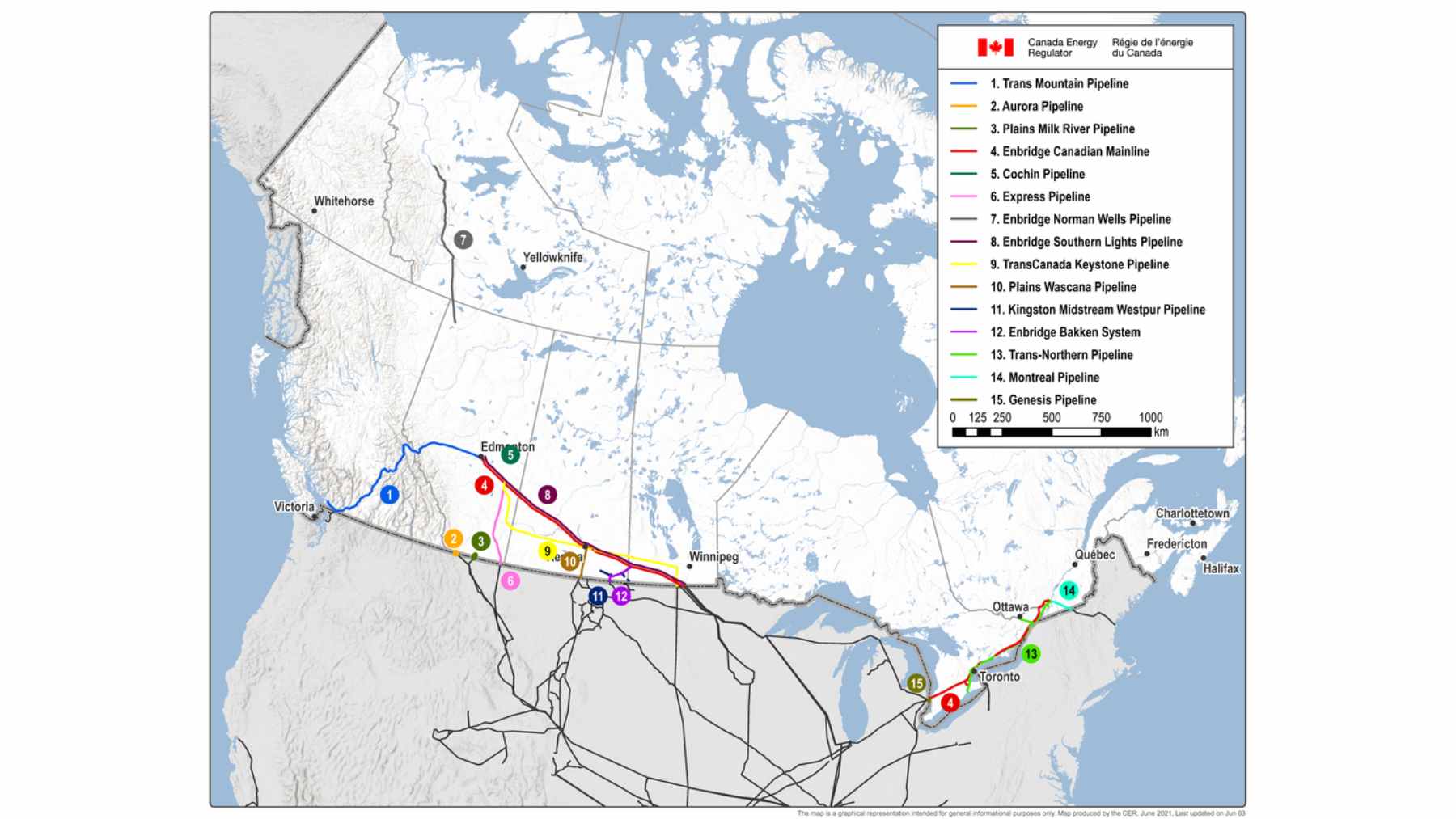
The project is designed to move at least 365 million barrels of heavy crude each year, equal to roughly 15.3 billion gallons. Most of the route would follow the existing Trans Mountain corridor before reaching a deep-water terminal on British Columbia’s southwest coast.
If approved, Alberta would gain more direct access to Asian buyers and Canada would reduce its dependence on the United States. The northern British Columbia tanker moratorium would remain in place, but oil tanker traffic in southern coastal waters would rise if the new export capacity is used.
Public ownership changes the bet
Canada and Alberta plan to be equal government partners, with a meaningful equity stake reserved for Indigenous communities. Trans Mountain Corporation would lead development, while Pembina Pipeline Corporation would bring private-sector investment and expertise.
Carney has described the plan as a way to make Canada a “global supplier of choice.” Federal estimates say the pipeline could support up to 140,000 jobs, while the pipeline and the related Pathways carbon capture project together could support about 175,000.
The financial risk is harder to pin down. Alberta’s project database lists an estimated cost equivalent to about $31.2 billion at the Bank of Canada’s July 17 exchange rate, although no final construction budget has been announced.
The Trans Mountain Expansion began commercial operations in 2024 after its estimated cost climbed to about $24.4 billion at the same exchange rate, so taxpayers and investors will be watching schedules, contracts and cost controls closely this time.
Emissions tell a different story
Canada’s official inventory shows that oil and gas remained the country’s largest source of greenhouse gases in 2024, releasing about 229 million tons of CO2 equivalent, or 30% of national emissions. Transportation produced about 166 million tons, while oil and gas emissions rose 1.8% from 2023.
The longer trend is even harder to square with expansion. Oil and gas emissions were 76% higher in 2024 than in 1990, while emissions from oil sands production increased 529% over the same period. Adding the government’s three oil sands categories puts operational emissions at roughly 101 million tons in 2024.
Producers have reduced emissions intensity per barrel to a large extent, but lower intensity does not guarantee lower total pollution when output keeps growing.
A May 2026 implementation agreement also confirms that Ottawa will not introduce its planned oil and gas emissions cap, placing more weight on Alberta’s industrial carbon market and the Pathways project to deliver reductions.
Carbon capture is the compromise
The new agreement with major oil sands producers calls for the Pathways carbon capture network to reduce annual emissions by about 6.6 million tons by 2035. Shared CO2 transport and storage infrastructure is expected to operate by 2032, followed by another 5.5 million tons of annual reductions by 2040 and the same amount again by 2045.
At full scale, the planned 17.6 million tons of annual reductions would equal less than one-fifth of current oil sands operational emissions. That comparison is only a snapshot because future production may be higher, and the additional reductions can come from technologies or practices that have not yet been selected.
There is another important detail. The July memorandum is non-binding and says company-specific obligations will be set in later legal agreements, while Canada and Alberta have committed to maintaining fiscal support for the investments.
Approval is not guaranteed
Alberta says the pipeline could receive national-interest status by October 1, 2026, with early construction beginning as soon as September 1, 2027. Yet the province also states plainly that construction has not started and cannot begin until consultation, approvals and permits are complete.
That distinction matters. A faster review may shorten the calendar, but it does not erase questions about marine safety, spill response, land rights or whether communities along the route accept the project’s costs and benefits.
The real test is delivery
As a business strategy, the plan is easy to understand. Canada wants more buyers, higher export revenue and a stronger bargaining position at a time of trade uncertainty.
The climate case is more demanding. Readers should watch the final public cost, genuine private capital, binding carbon capture deadlines and whether absolute oil sands emissions finally fall rather than only becoming smaller per barrel.
The official backgrounder was published on Canada.ca.