Why would a rocket company need an eight-mile gas pipeline? In South Texas, that question is no longer theoretical.
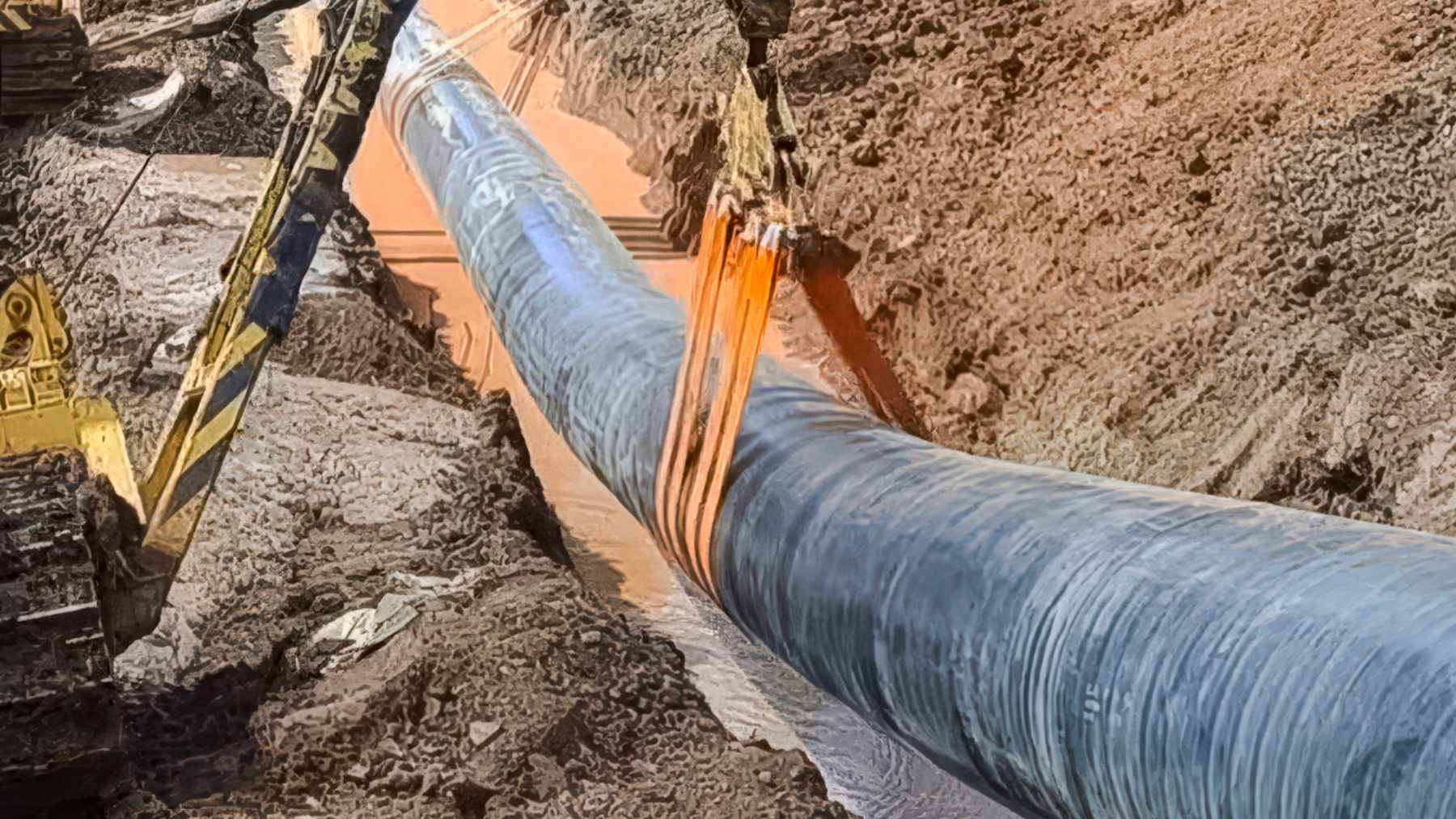
A SpaceX-linked company, Lone Star Mineral Development, is listed in Texas pipeline construction records as the operator of a new 8.11-mile, 16-inch natural gas transmission system named Starpipe in Cameron County, with construction scheduled to start July 7, 2026.
The bigger story is not just faster fuel delivery. It is that SpaceX appears to be pulling another critical piece of the space business in-house, this time by moving into energy infrastructure. That could make Starship launches easier to scale, but it also puts new pressure on a fragile coastal landscape already watched closely by regulators, residents, and conservation groups.
A pipe for more launches
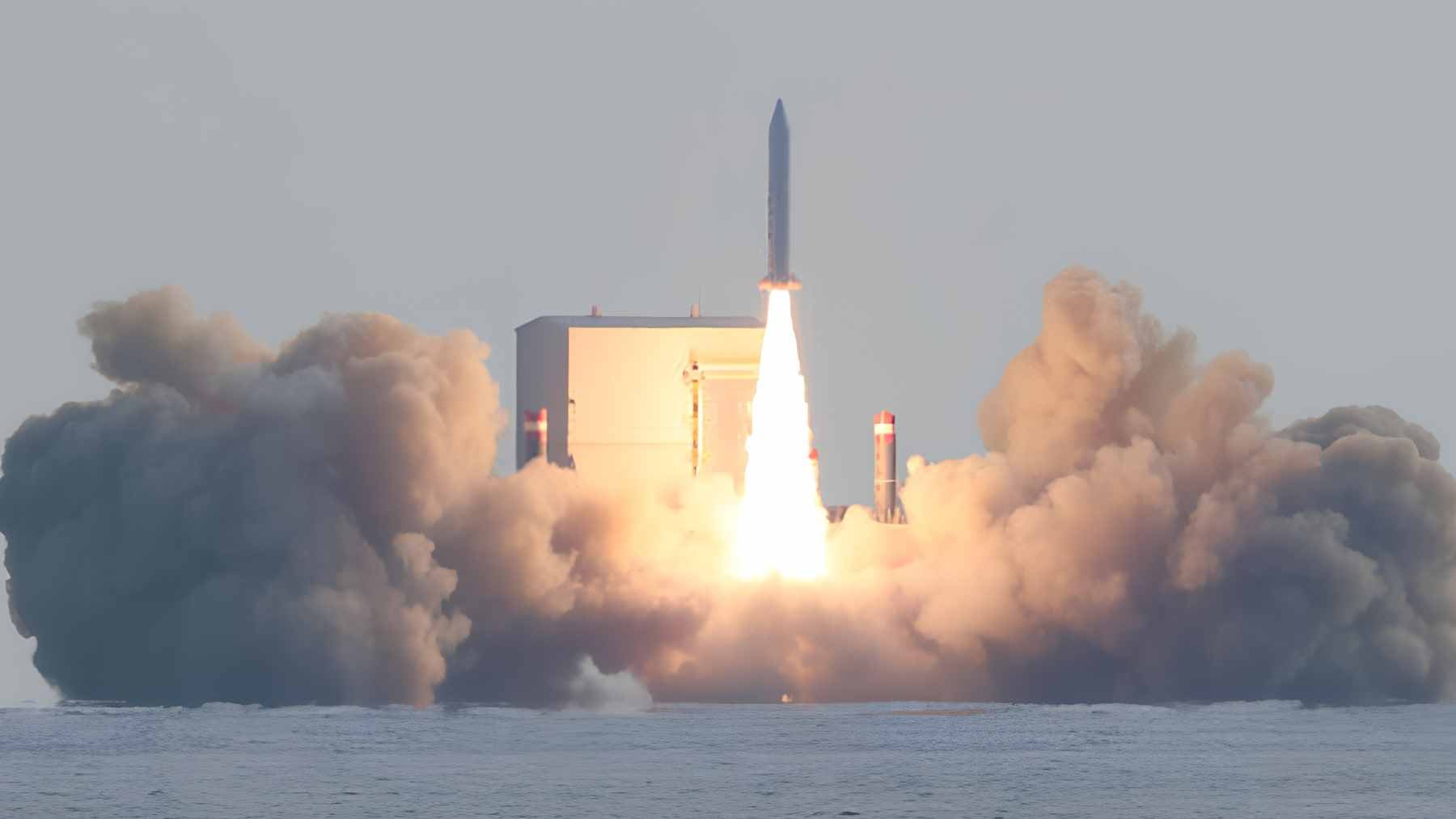
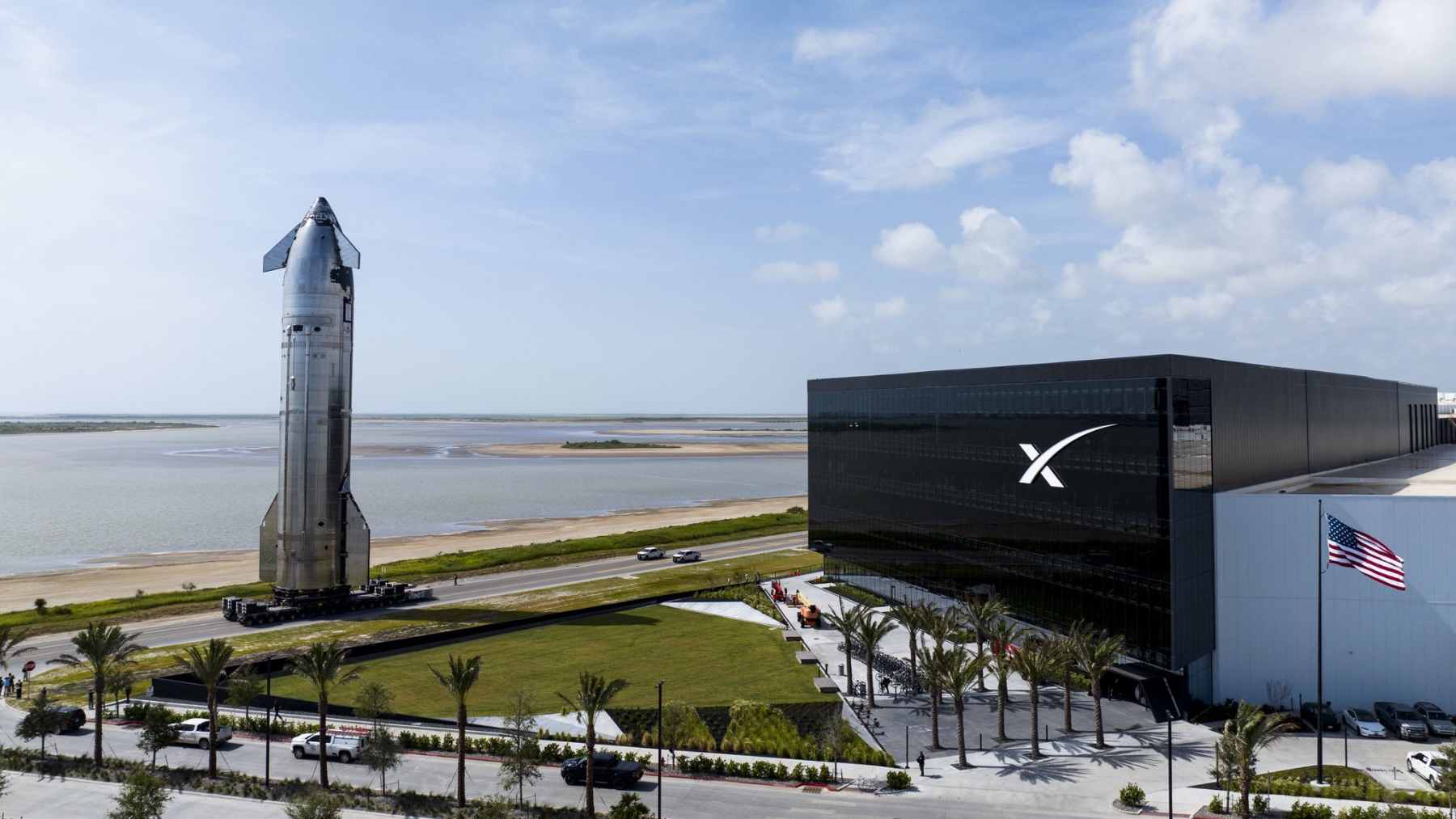
Starpipe is not glamorous like a stainless-steel rocket on the pad, but it may matter just as much. Reuters reported that the pipeline would run toward Starbase, SpaceX’s launch hub in South Texas, as Elon Musk’s company looks for ways to ramp up its next-generation rocket program.
The reason is simple enough. Starship uses about 630,000 gallons of liquid methane per launch, and Reuters reported that the fuel is currently delivered by hundreds of tanker trucks in a process that can take hours.
In practical terms, a pipeline could turn a slow fuel-hauling routine into something closer to an industrial supply chain.
Fuel becomes the bottleneck
The FAA’s environmental review for increased Starship activity considered up to 25 annual Starship/Super Heavy orbital launches at Boca Chica, along with related landings and vehicle upgrades. That is already a major jump from earlier operations, but it is still far below the launch rates Musk has talked about for the long run.
That’s where the size of Starpipe catches the eye. Reuters reported that the 16-inch diameter suggests fuel demand beyond what would be needed for the currently reviewed 25 launches per year. Nothing in a pipeline filing approves more launches, of course, but the hardware looks like it is being placed with a much bigger future in mind.
SpaceX wants the whole chain
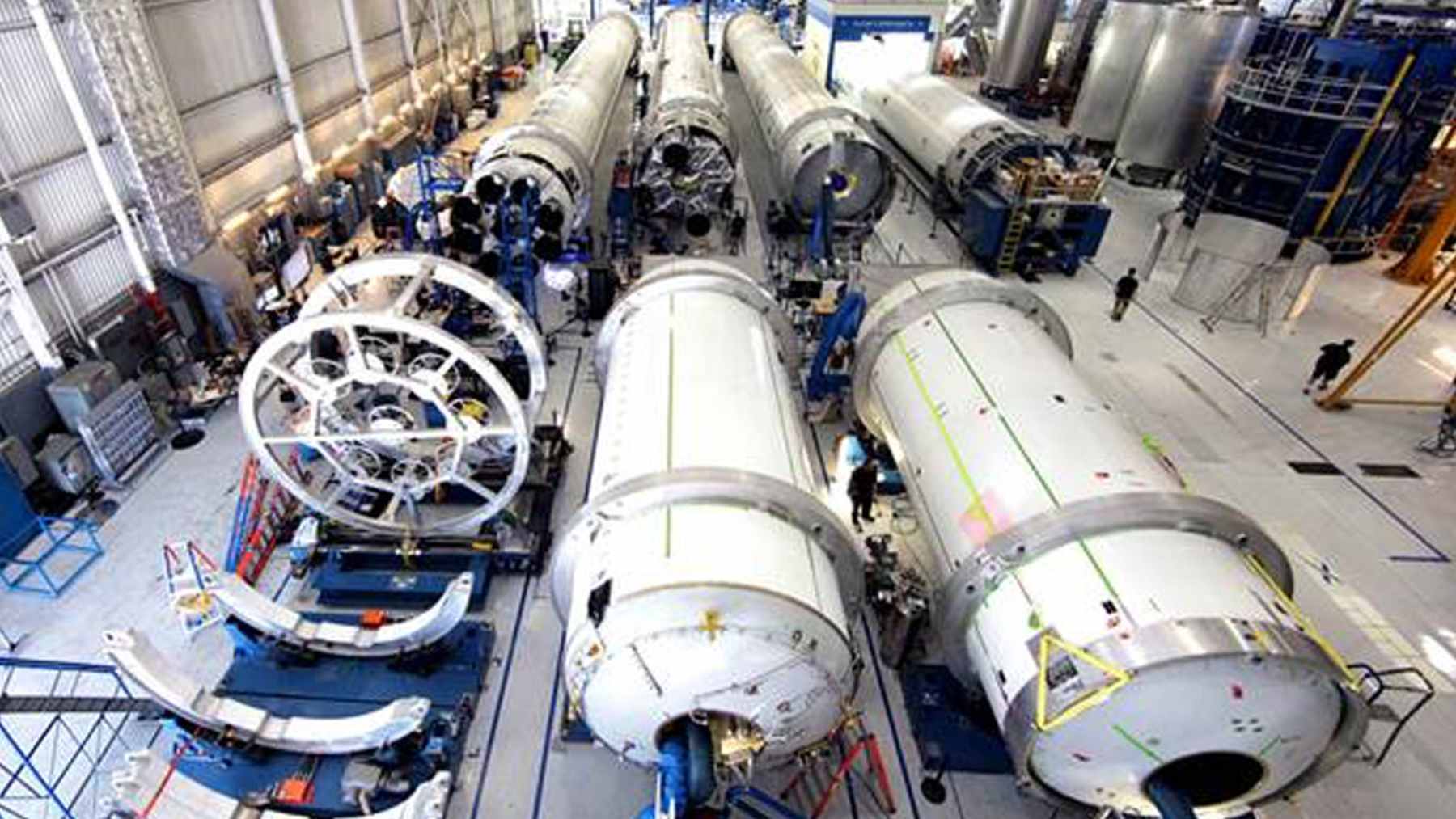
This fits a familiar SpaceX pattern. The company builds engines, software, vehicles, and satellites, and now it appears to be reaching deeper into the fuel system that makes those vehicles move. Reuters reported that SpaceX has signed more than 100 paid-up oil and gas leases with Texas landowners since 2023.
The company has also explored processing its own propellant and even drilling for natural gas. William Farrar, a Texas oil and gas lawyer and geoscientist, told Reuters, “Certainly that would make the most efficient sense.” But Stan Lindsey, a Texas oil and gas consultant, warned that drilling would be challenging for a company without oil and gas experience.
Wetlands in the paperwork
The environmental side is not a footnote. A U.S. Army Corps of Engineers public notice for Starbase expansion says SpaceX proposed an approximately 21-acre infrastructure expansion to support Starship and Super Heavy upgrades, higher launch cadence, and reusable launch and landing infrastructure.
That same notice says the proposed infrastructure would permanently affect about 5.80 acres of emergent wetland and 9.65 acres of wind-tidal flats, for a total of 18.15 acres. The Corps also notes that the public notice is meant to solicit comments and that the agency has not taken a position for or against the proposed work.
SpaceX’s proposed mitigation includes buying compensatory mitigation credits, with a fallback plan for out-of-kind credits at a 1.5-to-1 ratio if enough in-kind credits are not available. The notice also says the proposed liquid methane storage facility was moved to a southern parcel with more uplands, reducing one wetland impact by 0.89 acres.
A fragile coastline
The area around Starbase is not just empty coastal land. The U.S. Fish and Wildlife Service says the Lower Rio Grande Valley National Wildlife Refuge was created to protect fish and wildlife resources, and the refuge is part of a corridor along the last 275 river miles of the Rio Grande.
The agency also says the broader lower Rio Grande Valley contains about 1,200 plant species, 300 butterflies, and roughly 700 vertebrates, including at least 520 bird species. Nearby, Texas Parks and Wildlife describes Las Palomas Wildlife Management Area as a landscape of thornscrub, grasslands, farmland, and wetlands that supports resident and migrating birds.
For local communities, this is not just a debate over maps and permits. It is the beach road, the refuge edge, the sound of tests, and the question of how much industrial expansion a sensitive coast can absorb. That is why a buried gas line can become a public environmental issue.
What happens next
The question is not whether Starpipe makes business sense. To a large extent, it does, especially for a company trying to make Starship fly more often. The harder question is whether methane handling, wetland mitigation, construction oversight, and future launch approvals can move at the same speed without pushing too much risk onto the land around Boca Chica.
At the end of the day, SpaceX’s Mars plan still depends on Earth. Before Starship carries people deeper into space, the company has to master something less cinematic but just as decisive, pipes, permits, fuel, and the coastal ground beneath its launch site.
The official pipeline construction report was published on the Railroad Commission of Texas website.