Samsung’s next rugged smartwatch may be closer than expected, and the latest leak is not just about a sharper screen or a tougher case.
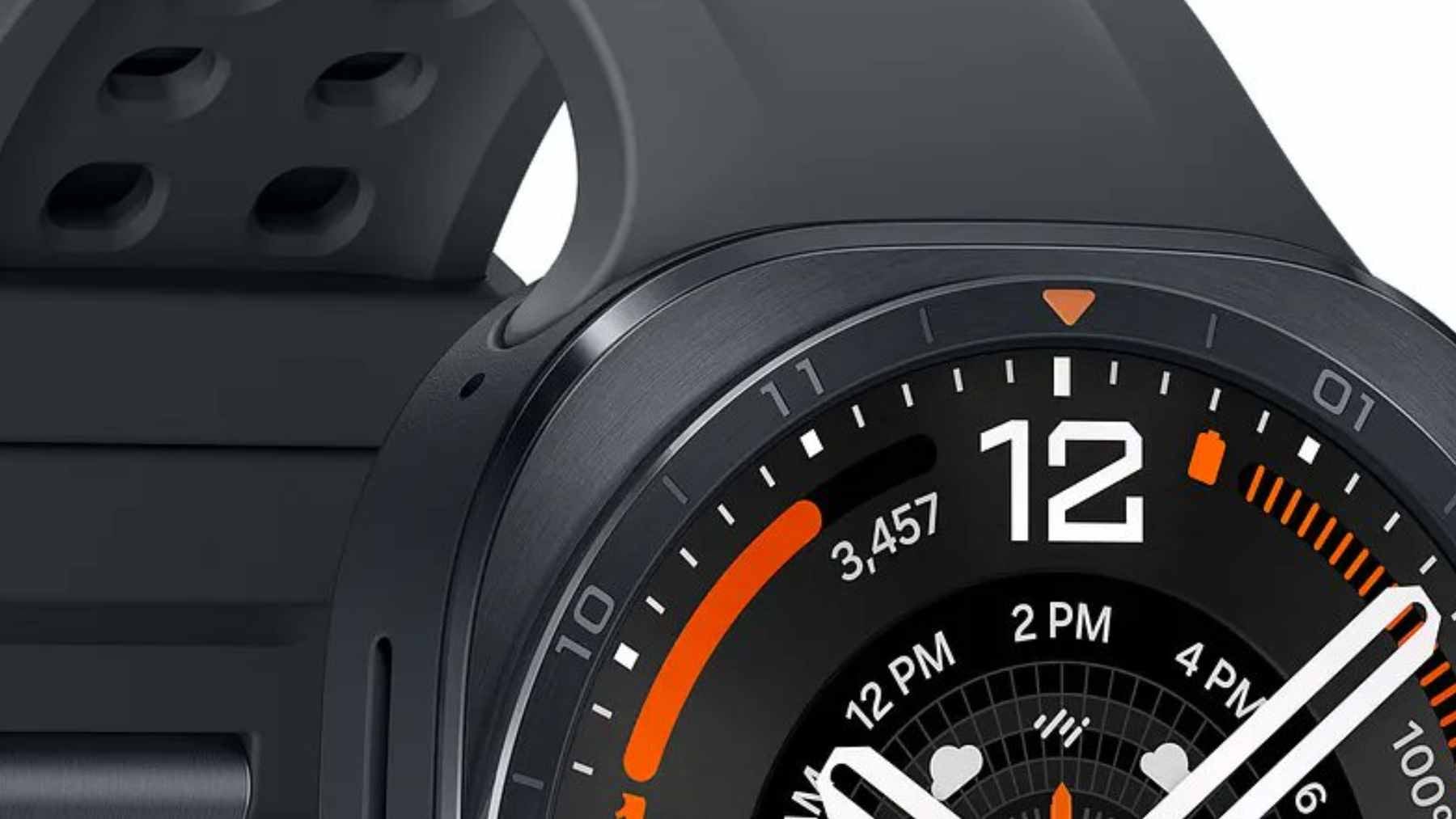
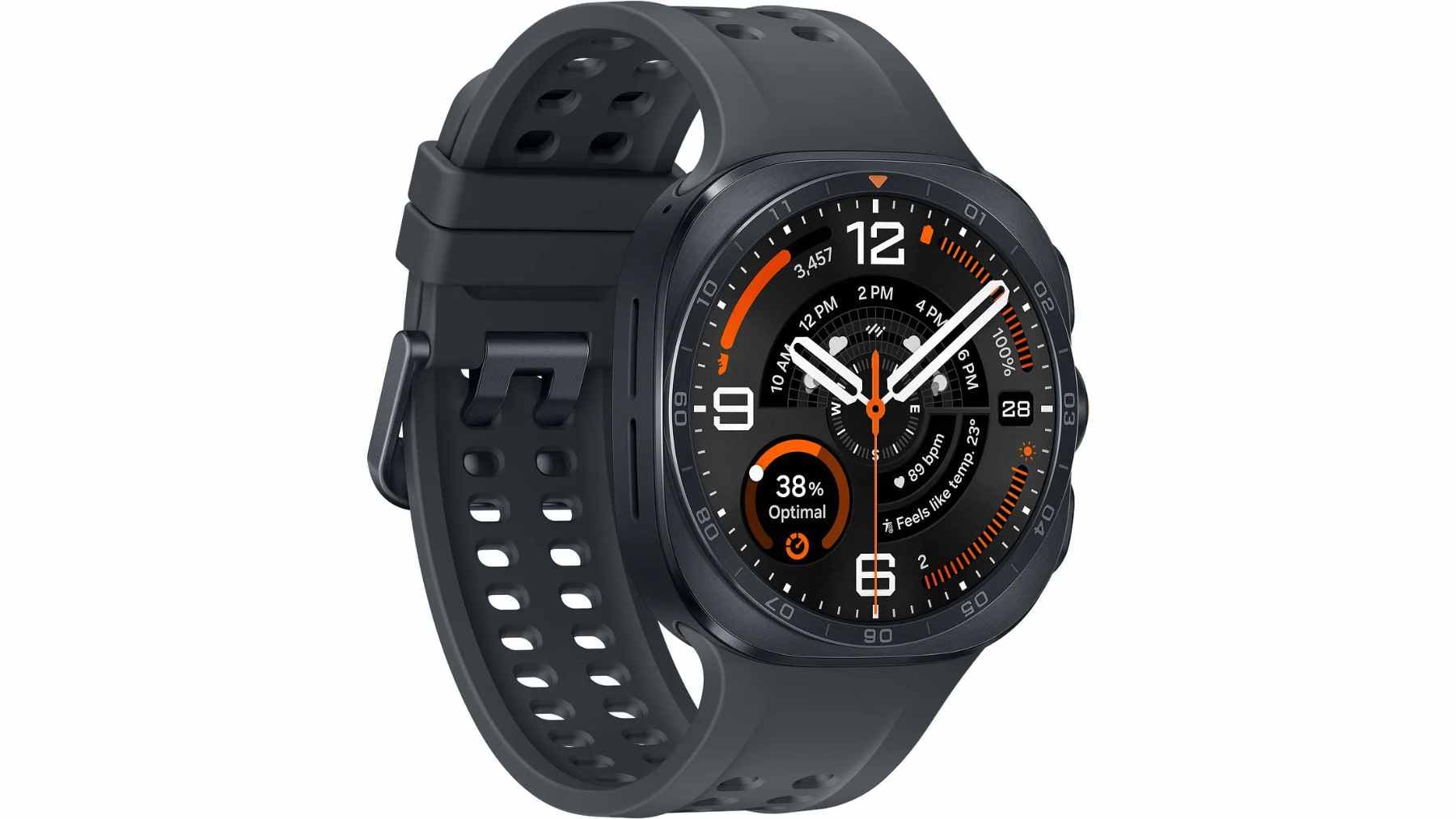
High-quality images attributed to Evan Blass suggest the Galaxy Watch Ultra 2 could keep Samsung’s rounded-square body, add a more classic numbered bezel, and arrive with a 1.85 inch case, sapphire crystal, LTE, GPS, 10 ATM water resistance (roughly the pressure equivalent of 328 feet of water), and a larger 800 mAh battery.
But there is a bigger question hiding under the spec sheet. Could a premium smartwatch help slow the churn of electronic waste, or will it become one more tiny screen in a drawer? That matters because the world generated about 68 million U.S. tons of e-waste in 2022, while only 22.3 percent was formally collected and recycled, according to the Global E-waste Monitor.
A familiar Ultra with a tougher pitch
The leaked images show a device that still looks very much like a Samsung Ultra watch. The circular AMOLED display appears to sit inside the same “squircle” case shape, but the bezel now carries numbers from 1 to 12, giving it a more traditional watch feel.
That change has sparked talk of a possible rotating bezel, although there is no official confirmation. The renders also show three physical buttons, including the orange quick button that has become part of Samsung’s Ultra identity.
Samsung already sells a Galaxy Watch Ultra (2025) in a 1.85 inch size at $649.99 in the U.S., so the Ultra line clearly sits in premium territory. At that price, toughness is not just an optional design feature but a prerequisite.
The battery story matters
The reported 800 mAh battery may be one of the most important rumored upgrades. More capacity could mean fewer charges, longer outdoor use, and less battery anxiety for people who track hikes, runs, sleep, and daily health data.
Still, a bigger battery is not automatically a greener one. It only helps the environmental case if the watch stays useful for longer, keeps performing after software updates, and avoids pushing users into a quick replacement cycle.
The chipset question matters here too. Qualcomm announced Snapdragon Wear Elite in March 2026, describing it as a wearable platform with a dedicated NPU for on-device AI and up to 30 percent longer battery life versus the previous generation.
Qualcomm also listed Samsung among its partners, and Samsung executive InKang Song said the platform would help the next-generation Galaxy Watch deliver “more efficient and personalized experiences, right from your wrist.”
Samsung’s environmental test
Samsung already has an official sustainability story for the existing Galaxy Watch Ultra. The company says that model includes recycled plastic from discarded water barrels, recycled rare earth elements, recycled copper, and packaging made with 100 percent recycled paper.
The company also announced in February 2026 that it had achieved its four 2025 “Galaxy for the Planet” goals and was expanding the initiative through 2030.
The next phase focuses on circularity, water stewardship, and biodiversity, which steers the conversation beyond nice packaging and towards how devices are designed, made, used, repaired, and recovered.
That’s where the Watch Ultra 2 could become interesting. If the leaked strap connection really remains compatible with older bands, as reports suggest, that would be a small but useful step. A drawer full of old straps is still waste, even if each one looks harmless.
What this leak tells us about the eco-waste angle
Smartwatches are small, but that can make the waste problem easier to ignore. An old phone feels like something that should be traded in. An old watch, charger, or strap often disappears into a desk drawer and stays there for years.
The global numbers are moving in the wrong direction. E-waste is projected to reach about 90 million U.S. tons by 2030, and the United Nations report says the world is already leaving billions of dollars in recoverable resources unaccounted for.
In practical terms, that means the materials inside wearables matter. Batteries, magnets, displays, circuit boards, and wireless chips all carry an environmental cost before the device ever reaches a wrist.
A July launch is expected but not official
Reports point to a possible July 22, 2026, Unpacked event in London, where Samsung could introduce the Galaxy Watch Ultra 2 alongside the Galaxy Watch 9 and new foldable phones. Samsung, however, has not officially confirmed the Ultra 2 at the time of writing.
That distinction matters. Leaks can be faithful to the official release, but buyers should wait for Samsung’s final details on battery size, processor, materials, repair options, trade-in programs, and software support before treating the watch as a finished product.
After all, the greenest feature may not be the flashiest one. It may be the boring detail that keeps the watch working for an extra year.
¡Uf, acaba de salir un video del Galaxy Watch Ultra 2 y es toda una joyita! 🤩
El rediseño que le hicieron a los marcos y el detalle del contorno naranja en el botón se ven perros 😮💨 Qué gran nivel de reloj, de verdad ya me urge que llegue el Galaxy Unpacked de julio para verlo… pic.twitter.com/uO6XKwRLj3— Carlos Vassan (@Carlos_Vassan) June 26, 2026
A premium watch has to last
If the leak is accurate, the Galaxy Watch Ultra 2 looks less like a dramatic redesign and more like a refinement of Samsung’s rugged wearable idea. A stronger battery, sapphire crystal, water resistance, and more efficient silicon could all support a longer useful life.
But the environmental promise will depend on what Samsung confirms next. Recycled materials are a start. Repairability, long-term updates, compatible accessories, and responsible recovery programs are what turn that start into a real product strategy.
For everyday buyers, the takeaway is simple. A smartwatch built for adventure should not feel obsolete and worn-out after two summers.
The official Samsung sustainability press release was published on Samsung Newsroom.