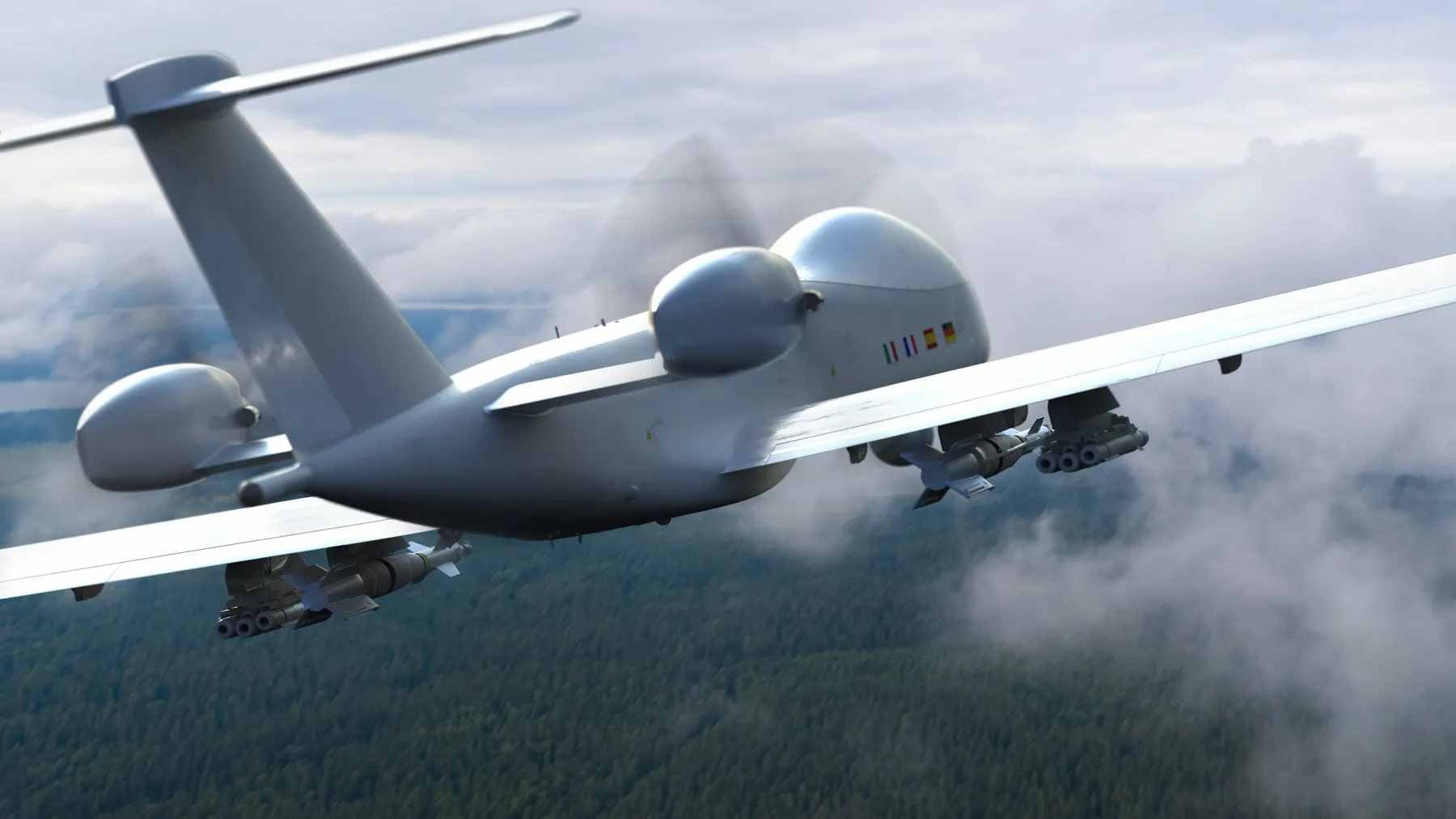
Europe’s flagship drone project was meant to prove a simple point. The continent wanted its own long-range military drone, built by European companies, managed through European institutions, and less dependent on U.S. or Israeli technology.
Now that promise is running into a harsher reality. Dassault Aviation is seeking compensation from Airbus over changes to the delayed Eurodrone program, after France shelved planned purchases and put Dassault’s expected workshare at risk, according to Reuters.
The project is still officially ticking over, but the fight has turned Eurodrone into a test of whether Europe can build defense technology quickly, fairly, and with a lighter operational footprint.
A new fight after FCAS
The dispute comes just after another major blow to European defense cooperation. The Future Combat Air System, the next-generation fighter project involving France, Germany, and Spain, collapsed after Airbus and Dassault failed to agree on how the next phase should be governed.
That matters because Eurodrone is not just another aircraft program. It is part of the same political dream, one where Europe does not have to shop abroad every time it needs a critical military platform. When trust breaks down between the same companies again, the problem starts to look bigger than one contract.
What Dassault wants
At the center of the fight is France’s decision to suspend Eurodrone purchases. Paris has not formally left the roughly $8 billion program, but its latest defense planning removes funding for buying the systems through 2035, citing cheaper alternatives that may be better suited for high-intensity warfare.
That change affects the European practice known as “geo return,” where industrial work is broadly tied to what each participating country buys.
In practical terms, if France buys less or buys later, French industry may receive less work. Dassault, which handles flight control and mission communication systems, wants Airbus to compensate it for part of that lost investment, Reuters reported.
Why Eurodrone matters
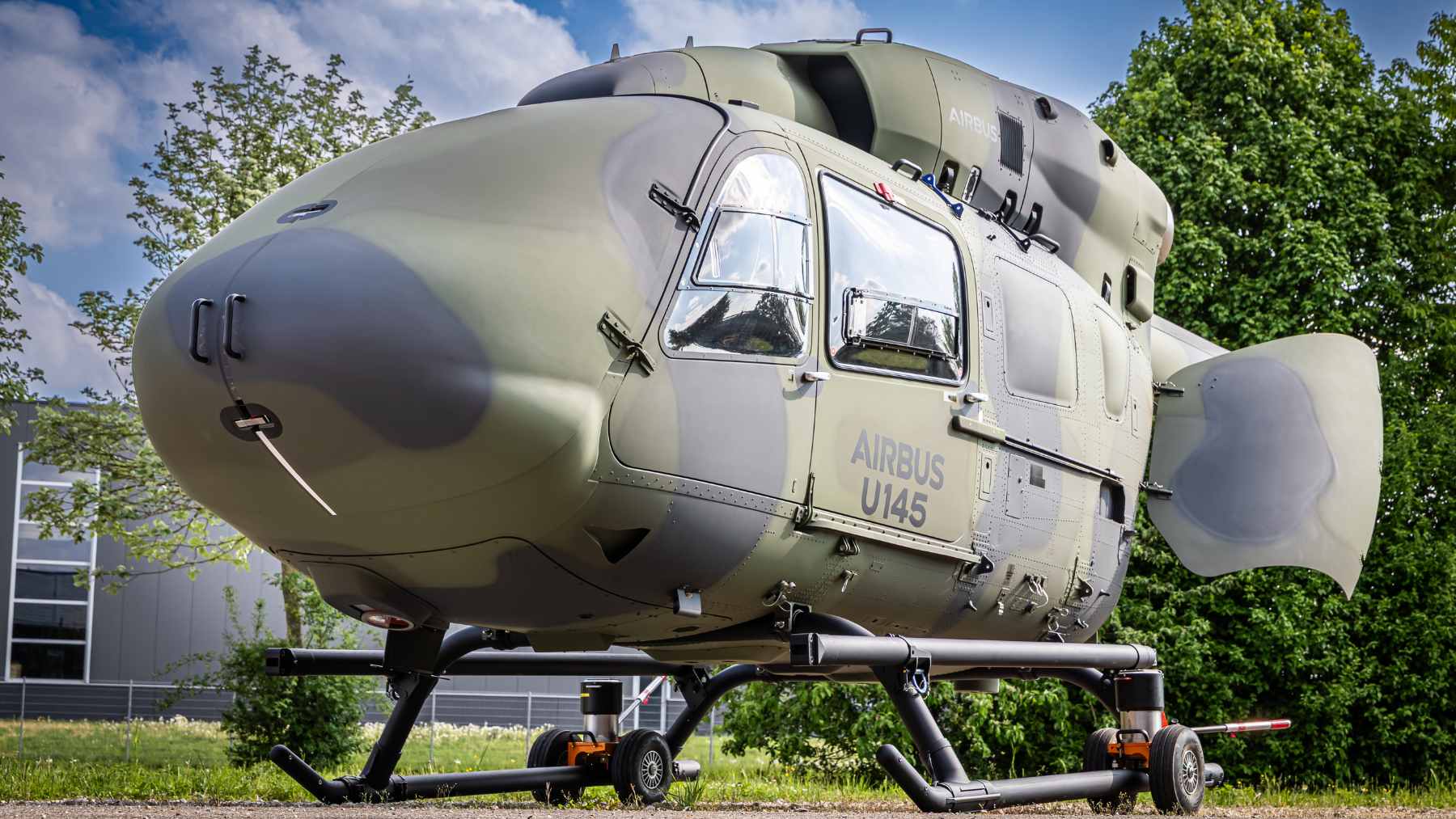
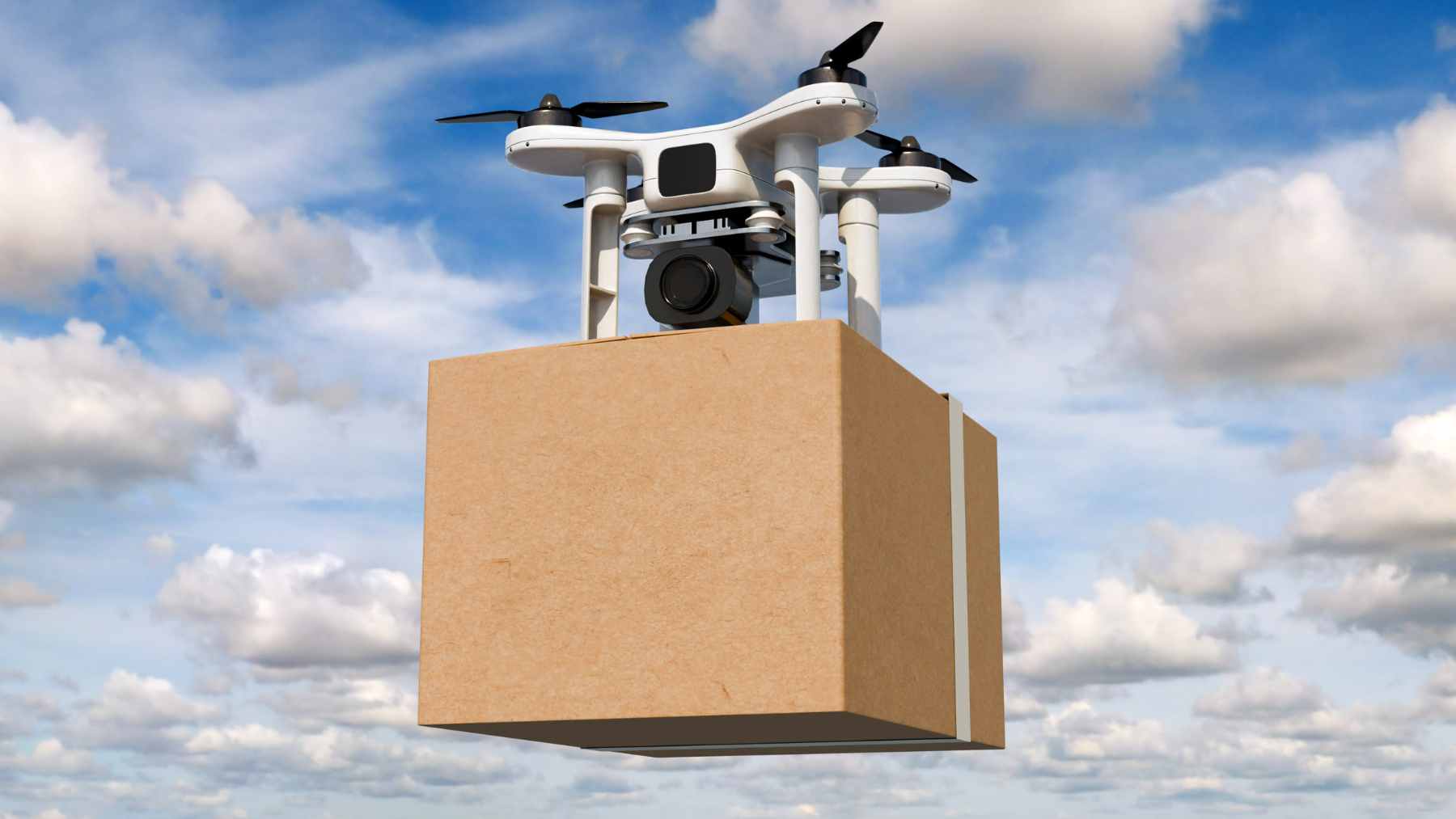
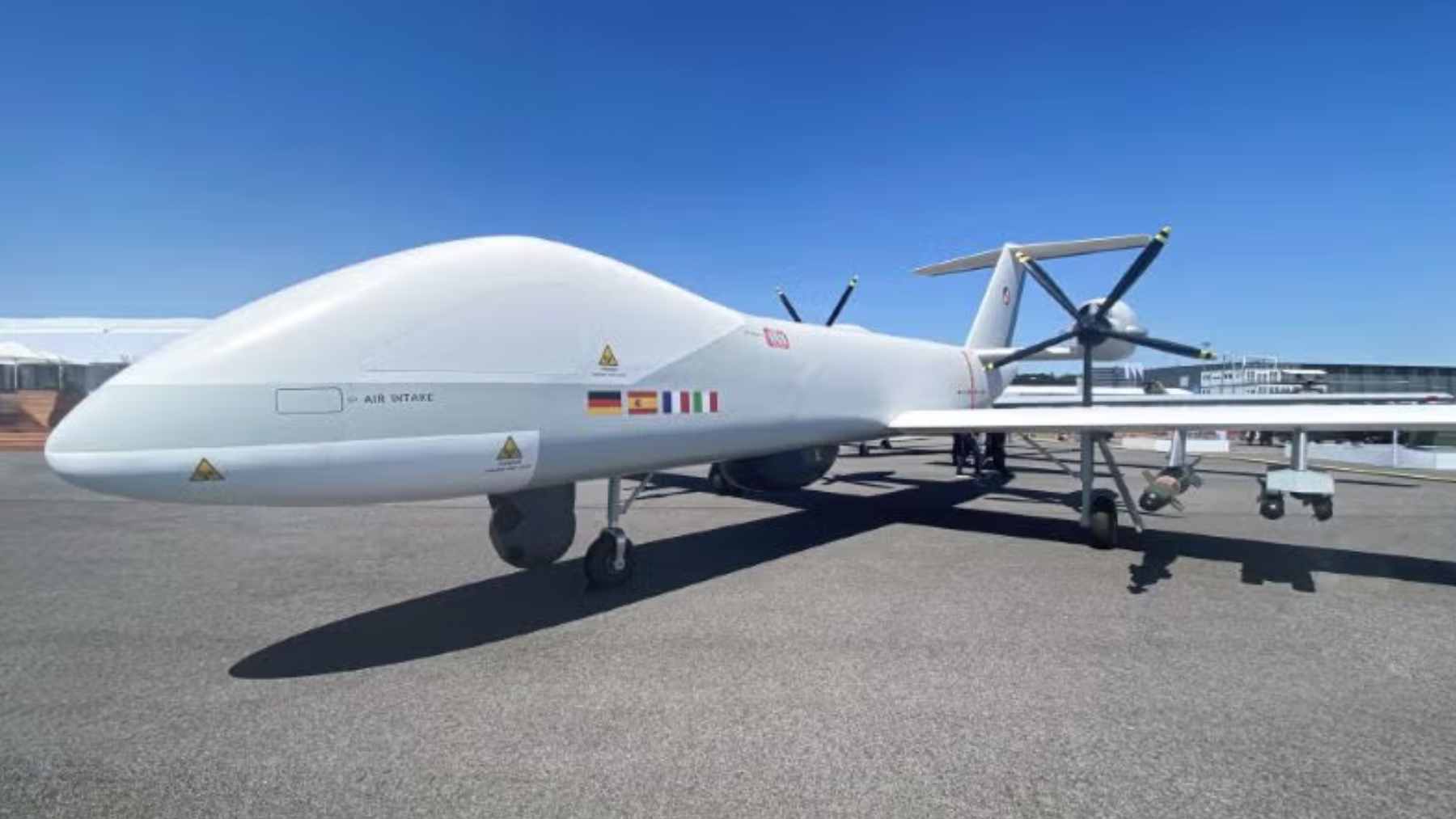
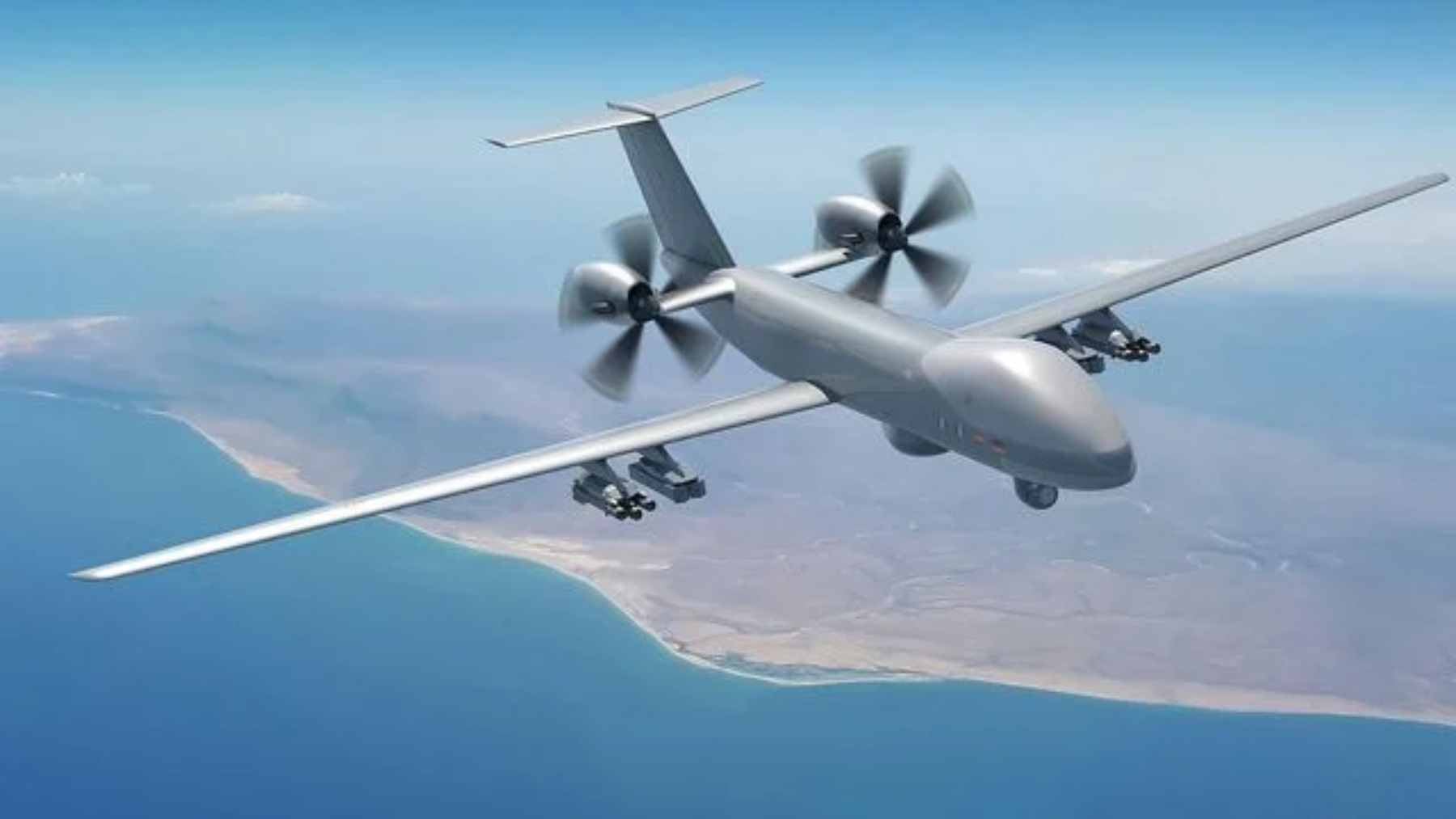
Eurodrone is a medium-altitude, long-endurance remotely piloted aircraft system developed by Germany, France, Italy, and Spain. OCCAR says the contract covers 20 systems, made up of 60 aircraft and 40 ground control stations, with Airbus Defence and Space GmbH as prime contractor and Airbus Spain, Leonardo, and Dassault as major subcontractors.
The aircraft is designed for intelligence, surveillance, target acquisition, and reconnaissance missions. In plain English, it is built to watch large areas for long periods, collect data, and support military decision-making before soldiers, ships, or aircraft move into danger.
Heavy, costly, and still moving
The Eurodrone has long faced criticism for being too heavy and too expensive. French senators raised those concerns back in 2019, and France’s air force has shown interest in lighter domestic alternatives such as the Aarok drone from Turgis & Gaillard, according to Reuters.
But the project is not at the sketch-on-a-napkin stage. OCCAR announced in October 2025 that Eurodrone had completed its Critical Design Review, a milestone that closes the design phase and opens the door to prototype production and ground testing.
The timeline problem
There is one detail readers should keep in mind. Earlier reporting placed Eurodrone’s first flight in 2027, but Airbus said in a June 2026 press release that the U950 Eurodrone is now scheduled to take its first flight in 2029. That is a substantial setback for a system once expected to enter service far sooner.
Why does that matter? Because drones are changing fast. The war in Ukraine has shown how quickly cheap, flexible systems can reshape the battlefield, and big defense programs now have to prove they will not arrive too late for the fight they were designed to win.
The quieter environmental question
There is also an environmental angle here, even if it is not the headline grabbing part of the dispute. Large military aircraft consume fuel, require infrastructure, and lock governments into decades of operations, training, and maintenance. For the most part, defense ministries still judge them by security needs first.
Still, Eurodrone’s backers have tried to frame its design as more efficient in some ways. Leonardo says integration into non-segregated civil airspace could allow more direct flight paths, saving time, fuel, and CO2 emissions. That does not make a military drone “green,” but it does show how environmental pressure is reaching even the defense industry.
Japan enters the picture
While France hesitates, Airbus is looking outward. On June 26, 2026, Airbus signed a memorandum of understanding with Kawasaki Heavy Industries to explore a Japanese anti-submarine warfare variant of the U950 Eurodrone. Japan has been an observer in the program since 2023.
That move is important. It suggests Airbus still sees export and maritime potential for Eurodrone, especially for countries that need to monitor large sea areas. It also gives the program a fresh business angle at a time when one of its original European buyers is pulling back.
Europe’s defense dilemma
At the end of the day, the Eurodrone dispute is about more than one company asking another for money. It is about whether multinational defense programs can survive changing military needs, national budget shifts, and industrial rivalry.
Europe wants sovereign technology. It wants faster procurement. It also wants defense systems that can fit into a world where cost, fuel, supply chains, and battlefield flexibility all matter more than they used to. The trouble is, those goals do not always move in the same direction.
What happens next
Airbus has said the Eurodrone project is “very likely to move forward with a slightly different setup,” following France’s change of view. That sounds calm enough, but behind the scenes the politics are anything but simple.
If the partners can settle the workshare issue, Eurodrone may still become a symbol of European defense autonomy gaining ground. If not, it could join the growing list of ambitious projects slowed by the same old problem: everyone talks about working together until the bill and the hard work has to be divided.
The press release was published on Airbus.