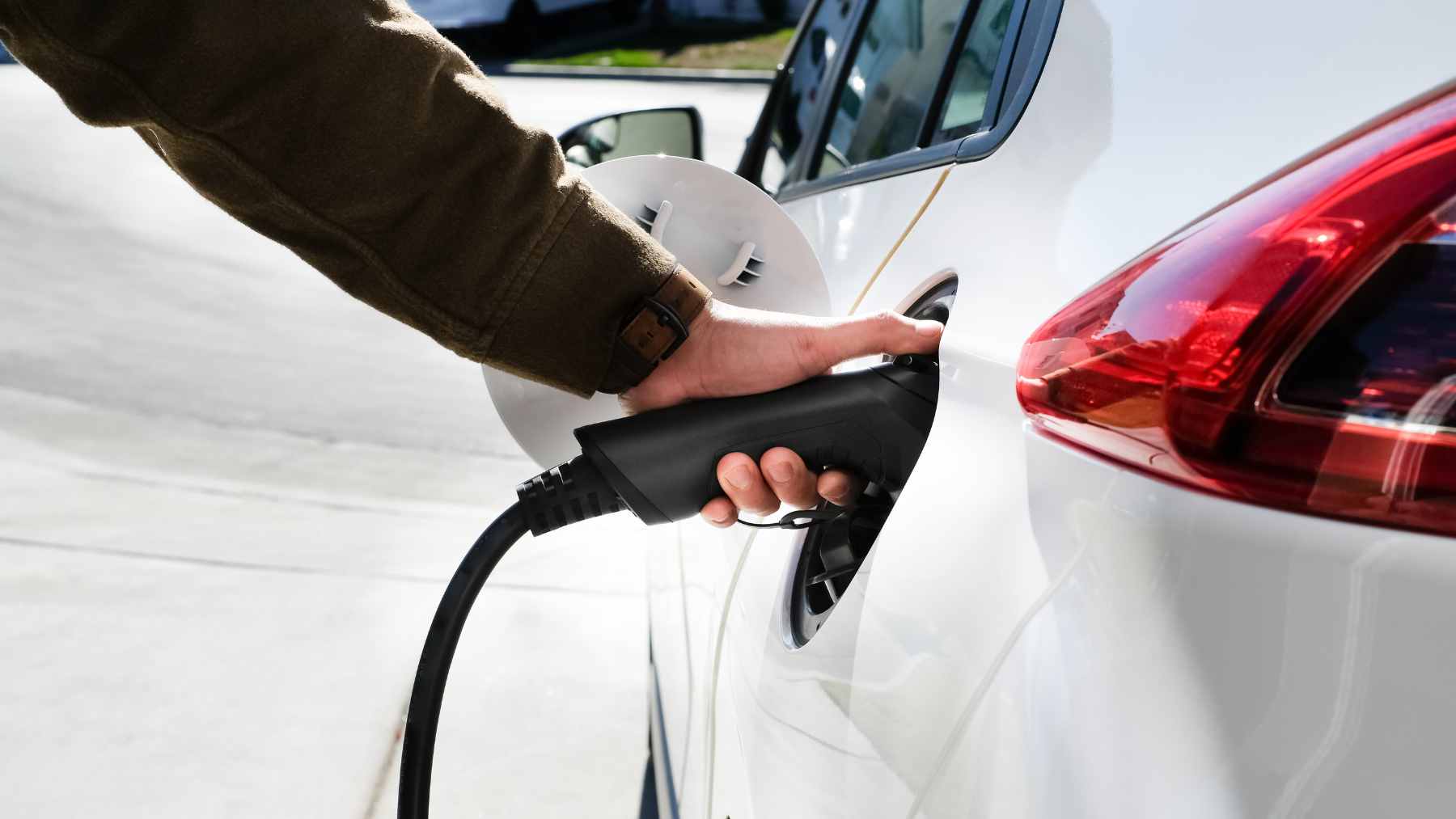
China’s electric car revolution is running into a new test, and it has nothing to do with charging speed or range anxiety. The country is preparing for a wave of retired electric vehicle batteries that could top 1.1 million tons a year by 2030, according to Chinese officials.
Now Beijing wants every new energy vehicle battery to carry a digital identity, a kind of passport that follows it from the factory floor to the road, and then into reuse or recycling. It sounds technical, but the point is simple: what happens to the battery after the quiet car leaves the street matters just as much as the clean ride itself.
The battery wave is here
For years, China’s electric vehicle story has been about speed. The International Energy Agency says China produced 16 million electric cars in 2025, outpacing its own domestic demand and keeping its place as the world’s largest electric vehicle production hub.
That success now has a second chapter. Electric cars do not simply vanish when their batteries lose enough capacity to make long drives impractical. Some packs can still be useful in buildings, renewable power systems, or other stationary storage uses, but others need to be dismantled by professionals.
The term China uses is “new energy vehicles,” which covers battery electric vehicles, plug-in hybrids, and fuel cell vehicles. For the most part, all of them depend on power batteries that eventually age out of transportation use.
A digital ID for every battery
Under interim measures issued by China’s Ministry of Industry and Information Technology and five other departments, each power battery in a new energy vehicle will receive a digital identity. The measures took effect on April 1, 2026.
This means the battery should leave a record. It should be possible to know who made it, where it was installed, when it was replaced, who handled it, and whether it ended up in reuse or recycling.
Wang Peng, head of MIIT’s energy conservation and comprehensive utilization department, said the system links a battery’s unique code with its full journey through production, installation, replacement, recycling, and reuse. He called it “a significant institutional innovation.”
The weak spot is informal recycling
Used EV batteries are not ordinary scrap. They can contain lithium, nickel, cobalt, manganese, copper, aluminum, and other valuable materials that can be recovered and fed back into the supply chain.
That value creates a problem. Unauthorized brokers and small workshops can buy old battery packs, tear them apart quickly, and skip the safety and environmental steps that formal recyclers are supposed to follow.
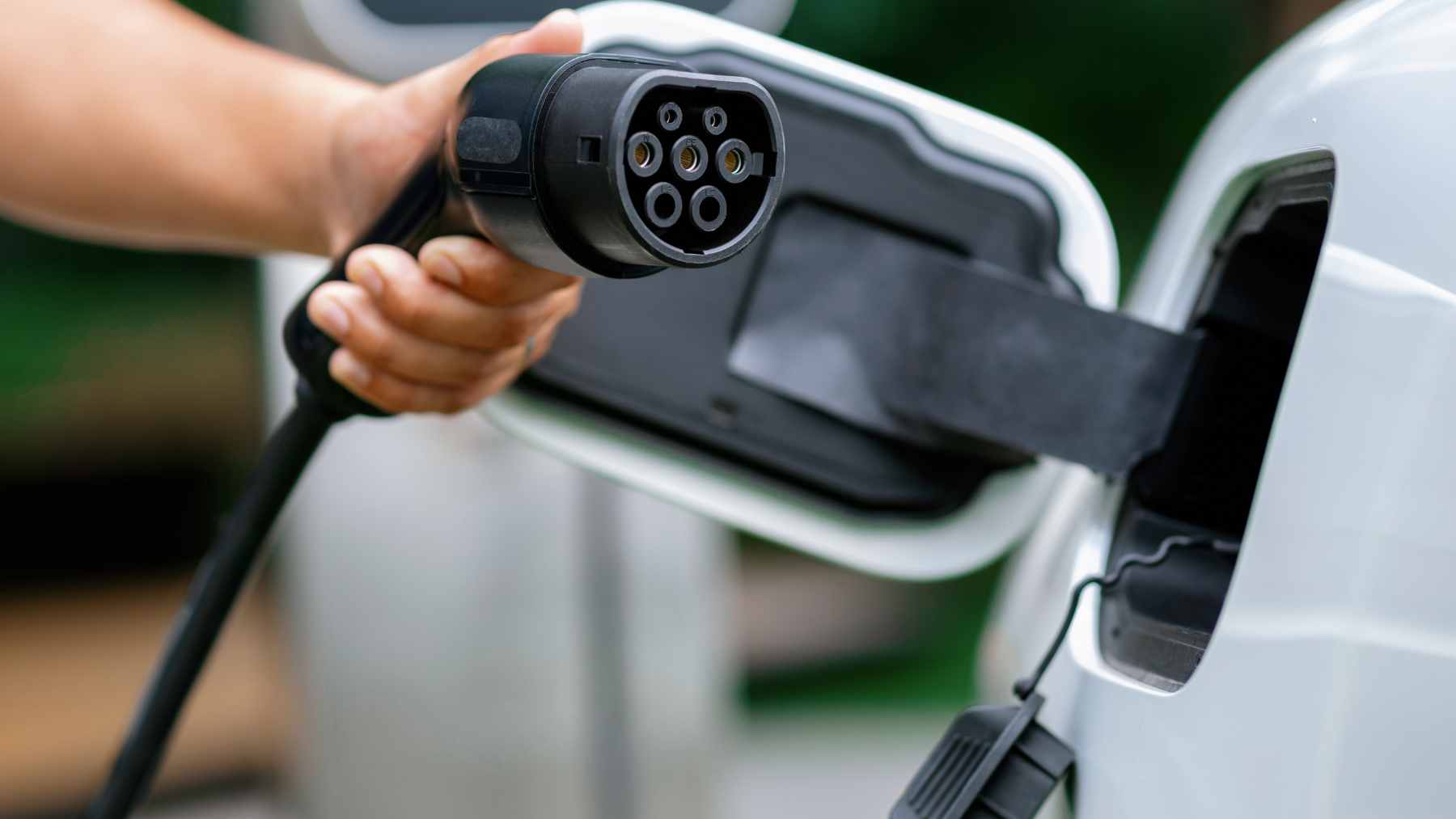
Chinese authorities have already targeted illegal dumping, unlicensed operations, poor quality products made from used batteries, and dismantling practices that can cause pollution. This is not just paperwork–a damaged or poorly handled battery can become a fire risk, and improper recycling can waste critical minerals.
Second life is not automatic
Not every old EV battery is ready for the shredder. A pack that can no longer power a car on a long commute may still help store electricity for a building, a solar project, or a backup power system.
That second life has to be earned, though. Batteries need testing, sorting, and supervision before they are placed in a new job. A weak or damaged pack put in the wrong setting can turn a clean energy tool into a hazard.
That is why the digital ID plan matters beyond recycling. It can help decide which batteries are still safe and useful, and which ones should go straight into professional treatment.
Producers stay on the hook
A related 2026 study in One Earth looked at how stronger producer responsibility could reshape China’s EV battery recycling future. Extended producer responsibility means companies remain responsible for what happens to products after customers are finished using them.
The study warned that without stronger measures, formal recycling could stall at about 53% after 2030. A stricter producer responsibility strategy could push formal recycling above 92% by 2060 and reduce environmental harm by 44% to 73%.
That is the less glamorous side of going green at scale. Selling cleaner cars is visible and exciting. Building the system that handles them after years of use is slower, messier, and just as important.
Why the world is watching
China’s decisions matter because its electric vehicle industry is not just big at home. The IEA says China accounted for 70% of global electric car production and more than 80% of global battery cell production in 2025.
That gives Beijing unusual influence over how battery recycling systems develop. If digital tracking works in China, other countries may see it as a model for keeping critical minerals inside legal, safer channels.
And if it struggles, the warning will be just as clear. The green transition cannot rely only on cheaper cars, better chargers, and quieter streets. It also needs rules for the moment the battery reaches the end of the road.
The cleanup has already started
China is not beginning from zero. In 2025, more than 440,000 tons of retired new energy vehicle batteries were comprehensively reused in some form, up 32.9% from the year before, according to China Daily’s report on the government briefing.
Still, the 2030 wave will be much larger. Someone has to collect the packs, move them safely, prevent illegal dismantling, protect consumer data, and make sure recovered metals do not disappear into gray markets.
At the end of the day, China’s EV boom is entering its accountability phase. The quiet car on the street was only the first chapter.
The official statement was published on State Council of China, and the related scientific study was published in One Earth.