Israel unveils another defense signal, and the system behind it shows why the next battlefield is becoming a race of sensors
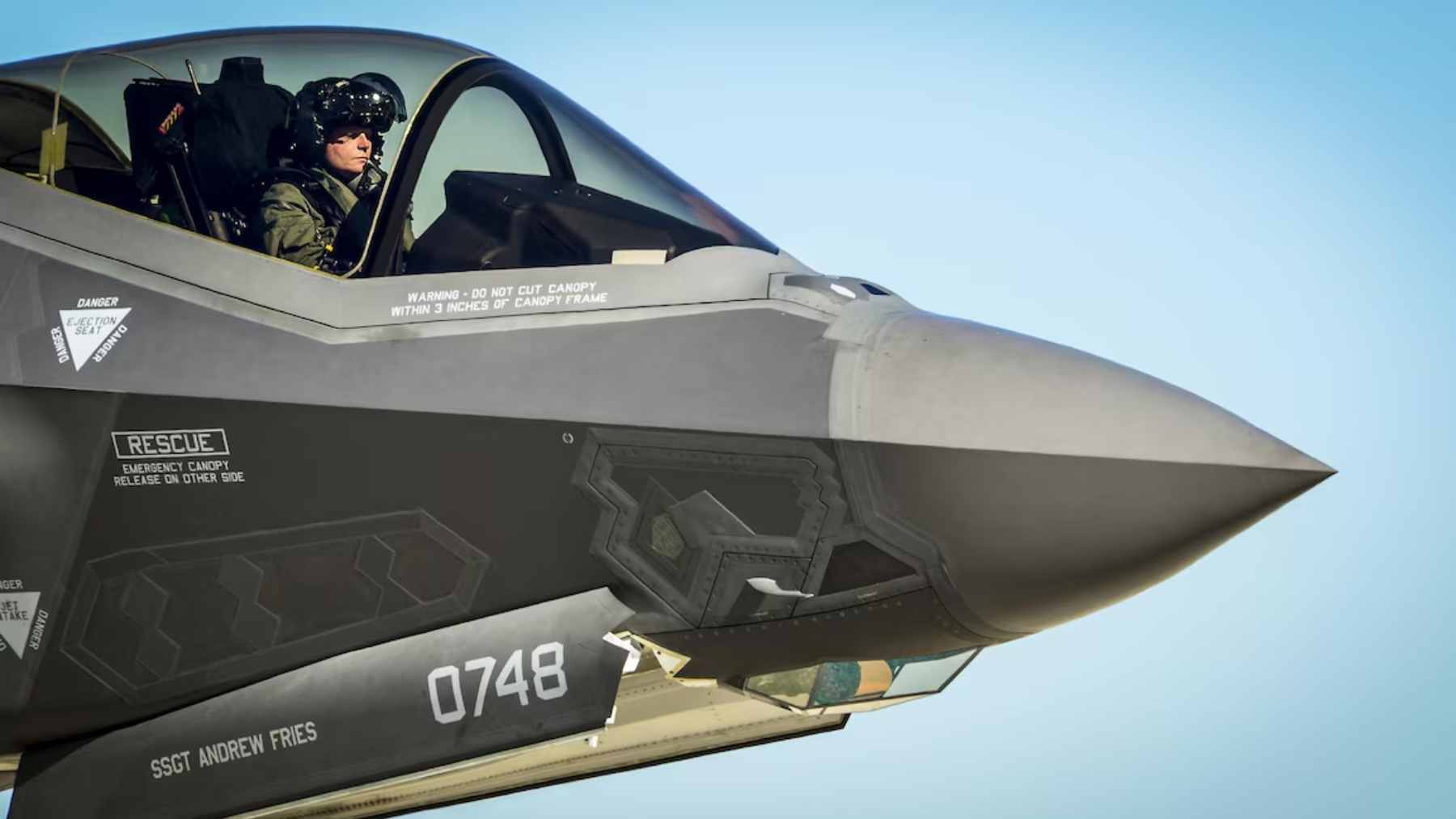
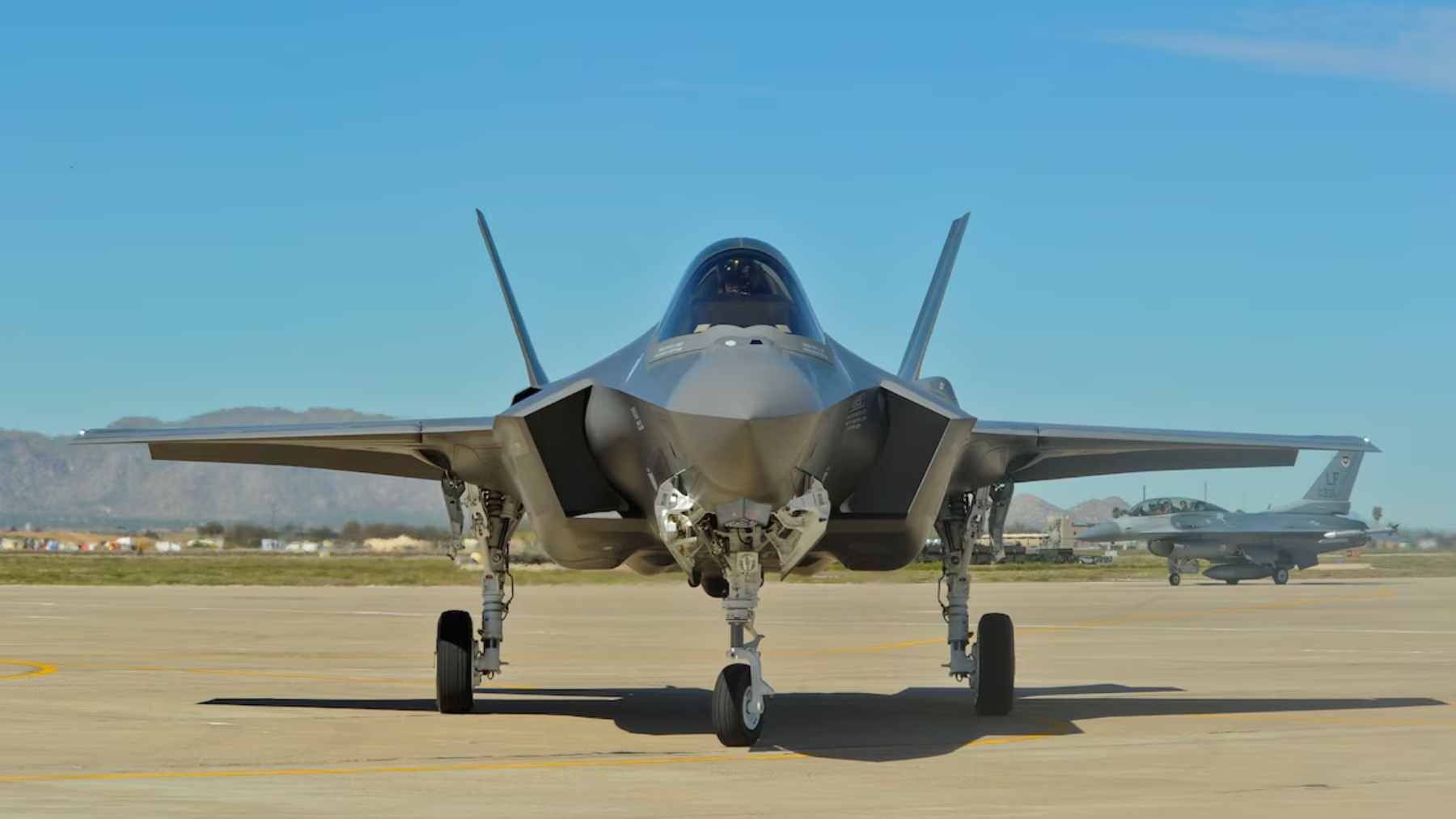
The U.S. Marine Corps’ jump-jet version of the F-35 is starting a major digital upgrade, and the first step is happening inside a maintenance hangar rather than on a brand-new production line.
The F-35 Joint Program Office and Fleet Readiness Center East in Cherry Point, North Carolina, began converting the first three operational F-35B Lightning II aircraft from the older TR-2 setup to the newer Technology Refresh 3 configuration, known as TR-3.
That matters because TR-3 is the computer backbone for the fighter’s next wave of improvements. It brings more computing power, memory and processing capacity, along with new core processors, a panoramic cockpit display and hardware meant to support advanced electronic warfare and future mission systems.
The first Marine jets are moving
The first aircraft in this group are BF-105, BF-88 and BF-81. According to the official release, BF-105 was delivered May 14, BF-88 followed May 21, and BF-81 is expected to complete its conversion in July.
This is not a one-off garage project. The work follows roughly six years of planning, training and production preparation by the F-35 Joint Program Office, support managers and industry teams. The everyday version is simple: you do not upgrade a stealth fleet with a single software download.
Fleet Readiness Center East already had deep experience with the aircraft before this TR-3 milestone. NAVAIR said in December 2024 that the depot had inducted and completed modifications on its 150th F-35, and that it has supported F-35B modifications and repair since 2013.
A brain upgrade, not a new jet
TR-3 does not turn the F-35B into a different airplane. It changes the digital foundation inside the jet, much like replacing the central electronics that let a device handle newer, heavier apps.
In practical terms, the refresh is supposed to help the F-35 process more information from sensors, weapons and other aircraft. The Joint Program Office said TR-3 supports future Block 4 capabilities, including improved sensor suites, long-range precision weapons, electronic warfare features, data fusion and cross-platform interoperability.
That is where the upgrade gets bigger than the cockpit screen. Block 4 depends on this computing architecture, because advanced sensors, weapon enhancements and mission-system upgrades need more processing power than earlier aircraft configurations could provide.
What pilots could notice
A stealth fighter is not just a fast aircraft with a hard-to-detect shape. It is also a flying data hub, and the pilot’s advantage depends on how quickly that data becomes something useful.
That is why memory and processing power matter. A pilot in a complex air-defense environment does not need more clutter. He or she needs the aircraft to sort the picture, fuse information and help make faster decisions, at least to the extent the systems work as designed.
Lt. Col. Matthew Hawkins, the JPO official overseeing F-35 modifications and retrofits, put it plainly. “This isn’t just an engineering milestone. It’s an operational one,” he said.
The environmental question is harder
No one should confuse TR-3 with a green aviation breakthrough. The F-35B is still a high-performance combat aircraft, and military aviation remains tied to a large energy footprint.
The Defense Department has described itself as the largest energy consumer in the federal government, and its own greenhouse gas plan said aircraft accounted for 76% of operational energy emissions in Fiscal Year 2021.
Modernization does raise a quieter environmental question, however. Is it better to upgrade aircraft already in service than to replace platforms earlier than necessary? The official F-35 release does not quantify emissions savings, material use or waste reduction from the TR-3 retrofit, so that claim should not be overstated.
Still, extending capability through modular electronics is part of a larger industrial reality. Maintenance depots, software teams and suppliers are becoming just as important as the factory floor, and that can shape the footprint of future defense programs in ways readers rarely see.
Why the schedule matters
The new milestone also comes after a bumpy period for TR-3. In July 2024, the F-35 Joint Program Office and Lockheed Martin announced that TR-3 aircraft deliveries had begun under a phased approach, with jets first delivered for training capability while the program continued toward full combat capability.
The Government Accountability Office later put hard numbers behind the strain. In a September 2025 report, GAO said Lockheed delivered 110 F-35 aircraft in 2024 and that all were late by an average of 238 days, up from 61 days in 2023.
GAO also said the broader Block 4 modernization effort was more than $6 billion over earlier cost estimates and at least five years later than originally expected.
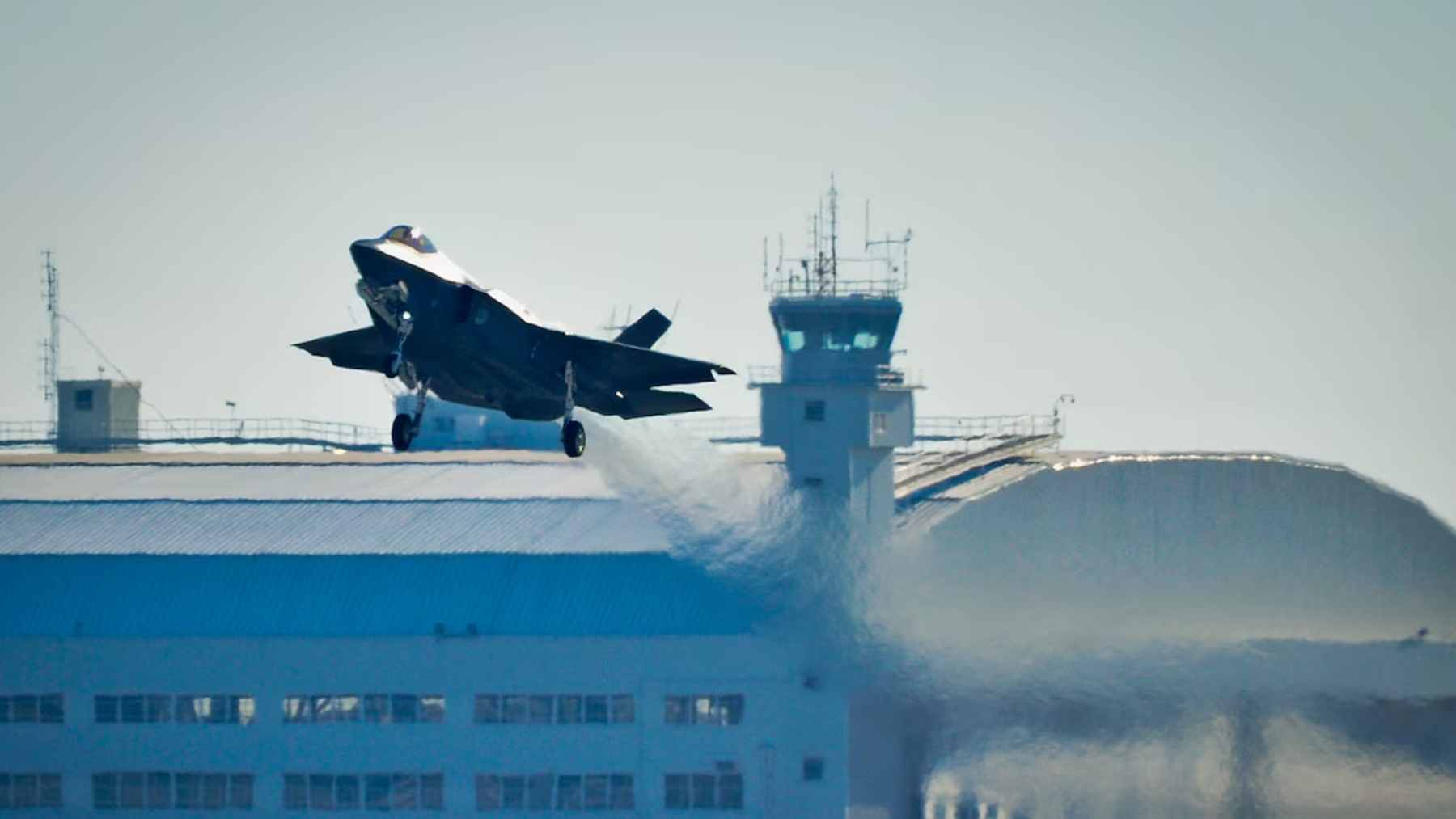
That does not erase the importance of the FRC East work. It does mean the first converted Marine jets should be seen as the opening moves in a longer retrofit campaign, not as proof that every hard part is finished. The clock is still moving.
What comes next for the fleet
The first three F-35Bs matter because they are fielded jets, not just new aircraft built with updated equipment from the start. That difference is easy to miss, but it is central to the future of the program.
More than 700 F-35s were already fielded when the JPO discussed the retrofit effort, which means the upgrade path has to reach aircraft that are already assigned, maintained and flown.
Broader retrofits are expected to accelerate once FRC East finishes the first pair of conversions and establishes full-rate processes. FRC East is one of five global depots that conduct major F-35 maintenance, modifications and upgrades for the F-35B, alongside sites in Utah, Italy and Australia.
At the end of the day, TR-3 is the kind of update that sounds dry until you realize what it touches. It affects pilot displays, computing power, electronic warfare, future weapons integration, depot workload, industrial planning and even the broader debate over how modern militaries keep old hardware relevant without pretending there is no environmental cost.
The official statement was published on DVIDS.