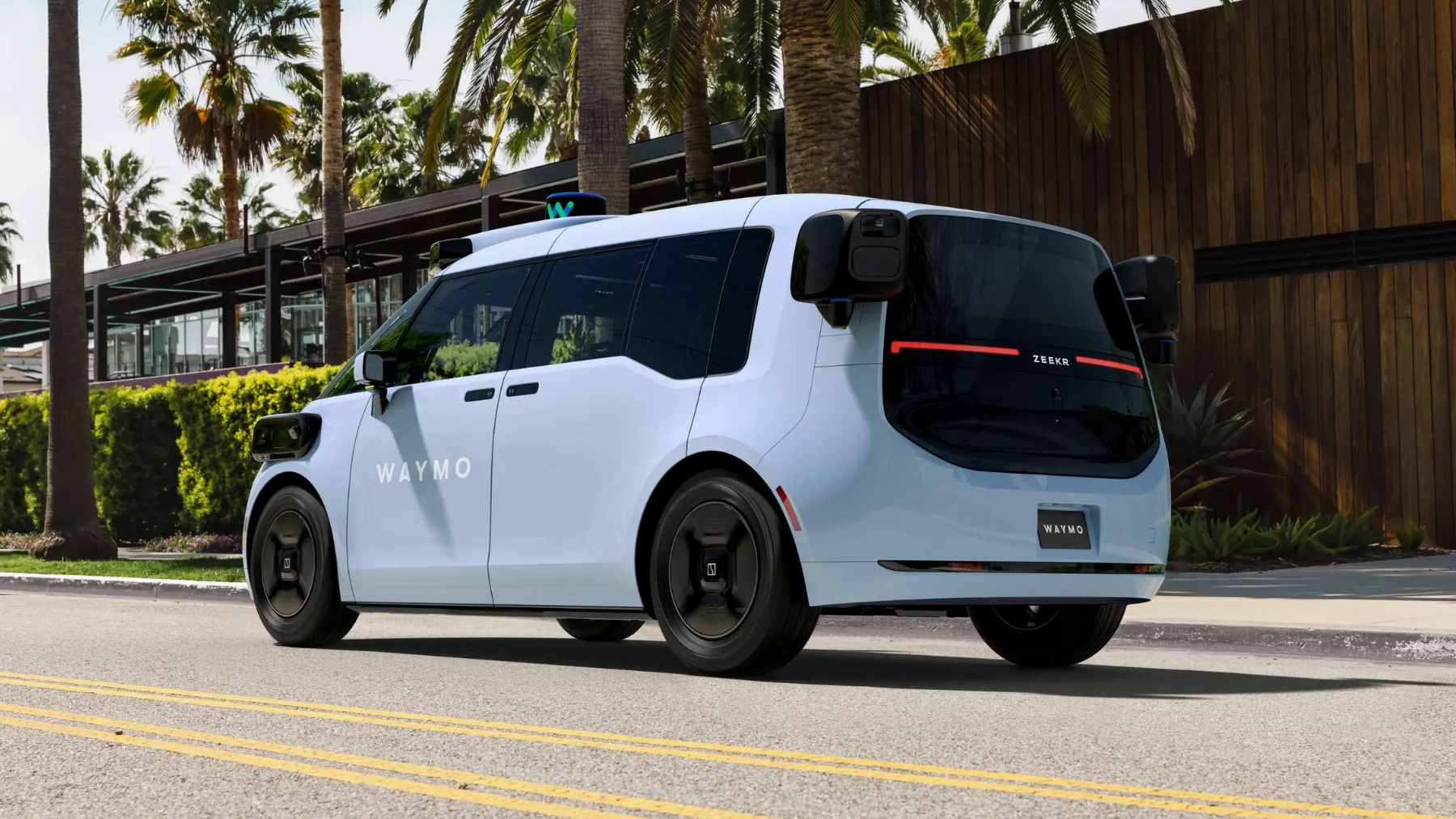
Waymo is preparing to put its new Ojai robotaxi onto the streets of Los Angeles, San Francisco, and Phoenix, starting with selected riders who will get free trips while the company gathers feedback. The all-electric, no-driver vehicle is more than a roomier ride.
It is Alphabet’s latest push to make autonomous taxis cheaper to build, easier to maintain, and better prepared for tougher driving conditions.
The environmental stakes are not small. Transportation accounted for 29% of total U.S. greenhouse gas emissions in 2022, according to the Environmental Protection Agency, and cars and trucks remain central to that problem.
Electric robotaxis can cut tailpipe pollution, but the bigger question is simple enough: will they replace gasoline miles, or just add more cars to already crowded streets?
A lower-cost vehicle for a bigger bet
Waymo says the Ojai is built around the same core idea as its existing service, but with a vehicle better suited for scale.
The Los Angeles Times reported that Waymo plans to launch around 100 Ojai vehicles at first, while the company says its Mesa, Arizona, operation is moving toward the capacity to build tens of thousands of fully autonomous vehicles per year.
The company has not released a public unit price for the Ojai. For now, the “cost” story is really about fleet economics, not what a rider pays at the curb. If the vehicle is cheaper to equip, quicker to clean, and easier to keep on the road, each robotaxi can spend more time carrying passengers and less time sitting idle.
What passengers will see
Step inside and the Ojai is designed to feel less like a conventional taxi and more like a small electric lounge on wheels. Waymo describes elevator-like doors, a low step, a flat floor, three LED screens, climate and music controls, embedded braille, screen-reader compatibility, and a seat-integrated handle for support while entering or exiting.
The vehicle can carry four passengers and offers more cargo space than Waymo’s current Jaguar I-Pace vehicles, according to the Los Angeles Times. This means groceries, backpacks, or a couple of suitcases should be less of a squeeze. Small details matter when a robotaxi is trying to become ordinary transportation.
The driver is the product
The Ojai will be the first vehicle to debut Waymo’s sixth-generation Waymo Driver. Waymo’s official technical briefing lists 13 cameras, four lidar units, six radar units, and external audio receivers, with overlapping fields of view around the vehicle up to about 1,640 ft. away in day, night, and varied weather conditions.
That sensor package is slimmer than earlier generations, but Waymo says the newer system is designed for more resolution, range, computing power, and lower cost.
That is the whole point of the Ojai. The company is not just showing a new vehicle, it is trying to prove that autonomous driving can be manufactured like a real transportation business.
Weather is the hard part
Waymo says the sixth-generation system is designed to help expand into more diverse environments, including places with extreme winter weather. That matters because driverless cars do not get to choose perfect conditions forever.
Snow, glare, road spray, construction cones, and puddles are part of everyday driving.
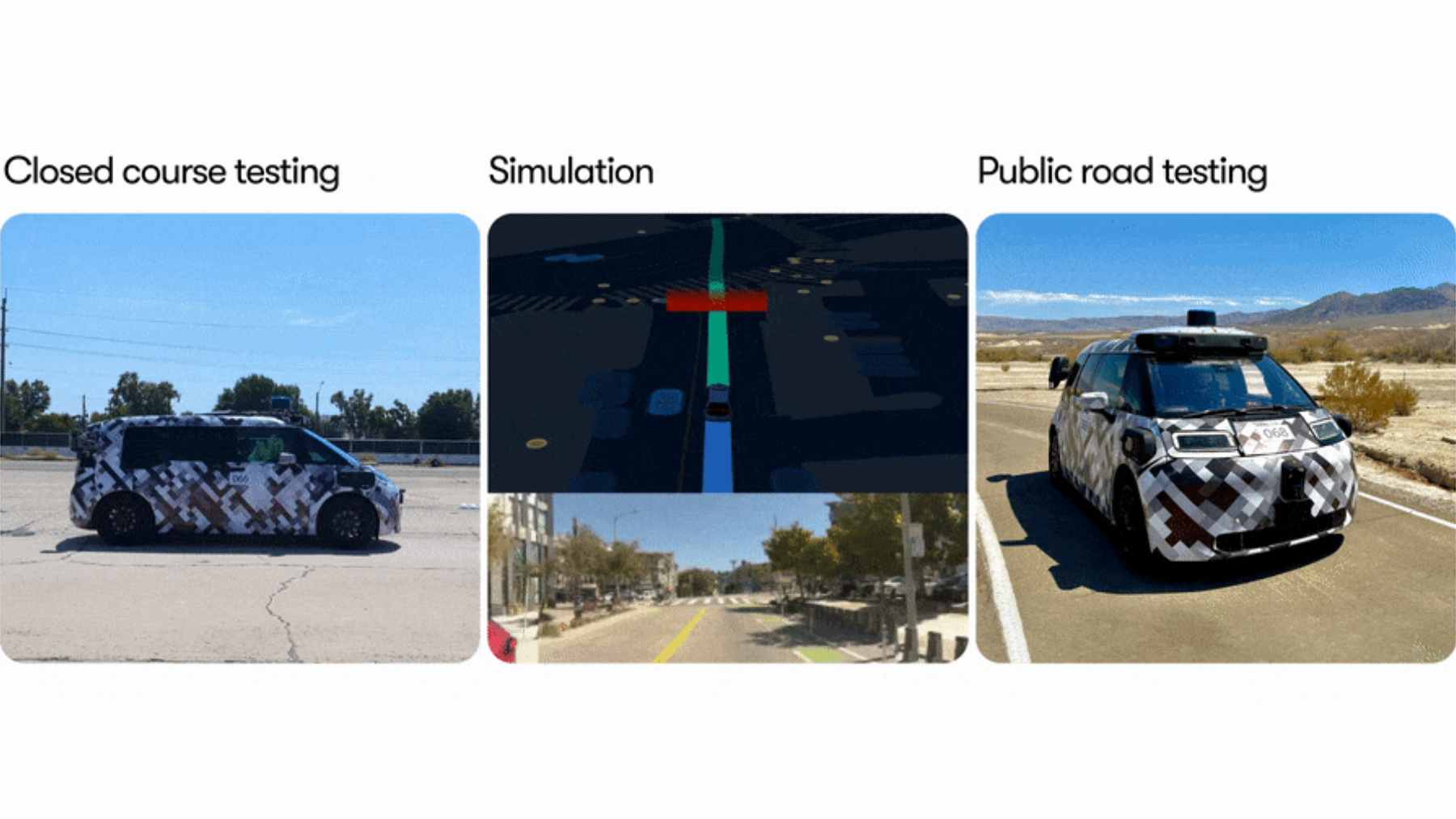
But the launch also comes after a safety reminder. The National Highway Traffic Safety Administration acknowledged a Waymo recall affecting 3,791 fifth and sixth-generation automated driving systems because software could allow a vehicle to slow and then enter standing water on higher-speed roads, increasing the risk of a crash or injury.
NHTSA said Waymo added weather-related constraints and map updates as an interim step by April 20, 2026.
That makes the Ojai rollout about trust as much as comfort. A robotaxi that handles a calm Los Angeles afternoon is one thing. A robotaxi that can safely navigate the messy, boring, inconvenient moments of real life is another.
The climate promise is conditional
Electric vehicles do not produce tailpipe emissions, and the EPA says lifetime greenhouse gas emissions from an EV are typically lower than those from an average gasoline vehicle, even after accounting for manufacturing.
Still, electricity generation, battery production, maintenance, and empty repositioning miles all matter. A clean-looking ride is not automatically a clean transportation system.
Research on autonomous vehicles points to the same caution. A 2025 systematic review found that environmental benefits mainly come from traffic efficiency, optimized driving, lower emissions, and electrification, but rebound effects, resource-heavy production, and poorly managed use can limit the gains.
A Berkeley Lab study also found that autonomous electric vehicle adoption could cut roughly 30% of internal-combustion car carbon dioxide in a San Francisco Bay Area scenario, but only under vehicle-replacement assumptions.
What Los Angeles should watch
For Los Angeles, the real test is not whether a few selected riders enjoy the Ojai–many probably will. The bigger questions are how many trips replace gasoline car rides, how many miles the vehicles travel empty, how they interact with buses and trains, and whether charging is managed in a way that supports a cleaner grid.
Waymo says its technology has served more than 20 million fully autonomous trips across more than 11 cities. That gives regulators and researchers a growing pool of real-world data, if enough of it is shared in useful ways. City officials should not treat robotaxis as magic, but they also should not ignore the chance to learn from them.
A robotaxi with a bigger assignment
At the end of the day, the Ojai is both a business experiment and a climate experiment. If lower costs help Waymo replace more gasoline trips with electric rides, and if the technology proves safe in messy conditions, this could become more than a clever taxi.
If it mainly adds traffic, the environmental headline gets weaker. That is the part riders may not see from the back seat, but it is the part cities should watch most closely.
The official statement was published on Waymo.