What happens when a ship anchor in the Red Sea can slow cloud services thousands of miles away? That is the uncomfortable question now pushing Europe toward one of the most difficult digital infrastructure projects on Earth.
Polar Connect aims to lay a fiber optic cable through the central Arctic Ocean, linking Northern Europe with East Asia and possibly North America. It is a technology story, but also a climate, security, and business story, because the same cable meant to carry data could also help scientists watch one of the fastest changing regions on the planet.
A route built around risk
Most people think of the internet as invisible. In reality, it rides on hundreds of cables lying across the seabed, and the European Commission says submarine data cables carry 99% of intercontinental internet traffic.
For Europe, the problem is concentration. The Swedish Polar Research Secretariat says about 90% of Europe-to-Asia fiber optic connections currently run through the Red Sea, near congested and vulnerable chokepoints.
That is why Polar Connect is being framed as digital sovereignty. The planned route would move data between Europe and Asia over the Arctic, away from the Suez Canal area, the Red Sea, and other places where conflict or a careless anchor can create real delays.
The Red Sea warning sign
The Red Sea has already shown how fragile this system can be. In early 2024, U.S. officials said three cables were cut after the Rubymar, a cargo ship hit by a Houthi missile, dropped anchor and drifted while sinking.
Then, in September 2025, a series of Red Sea cable outages disrupted connectivity across parts of Asia and the Middle East. Microsoft warned that Azure traffic using Middle East routes could face higher latency, meaning services stayed online, but some users saw slower performance.
That sounds technical, but anyone who has watched a video call freeze knows what latency feels like. For banks, data centers, cloud providers, militaries, and hospitals, those milliseconds can become much more than an annoyance.
The Arctic shortcut
Polar Connect is designed as a high-capacity submarine cable between Northern Europe and East Asia via the central Arctic Ocean. Project partners describe it as the shortest possible route between the two regions, with support for 12 to 24 fiber pairs.
In practical terms, it would turn the top of the world into a data corridor. The estimated cost is about $2.3 billion, based on the European estimate of €2 billion and late May exchange rates from the European Central Bank.
The geography is attractive. A shorter route can reduce latency, and a route controlled by trusted partners can reduce exposure to unstable areas. But there is a catch: this is the Arctic.
Ice is the real engineer
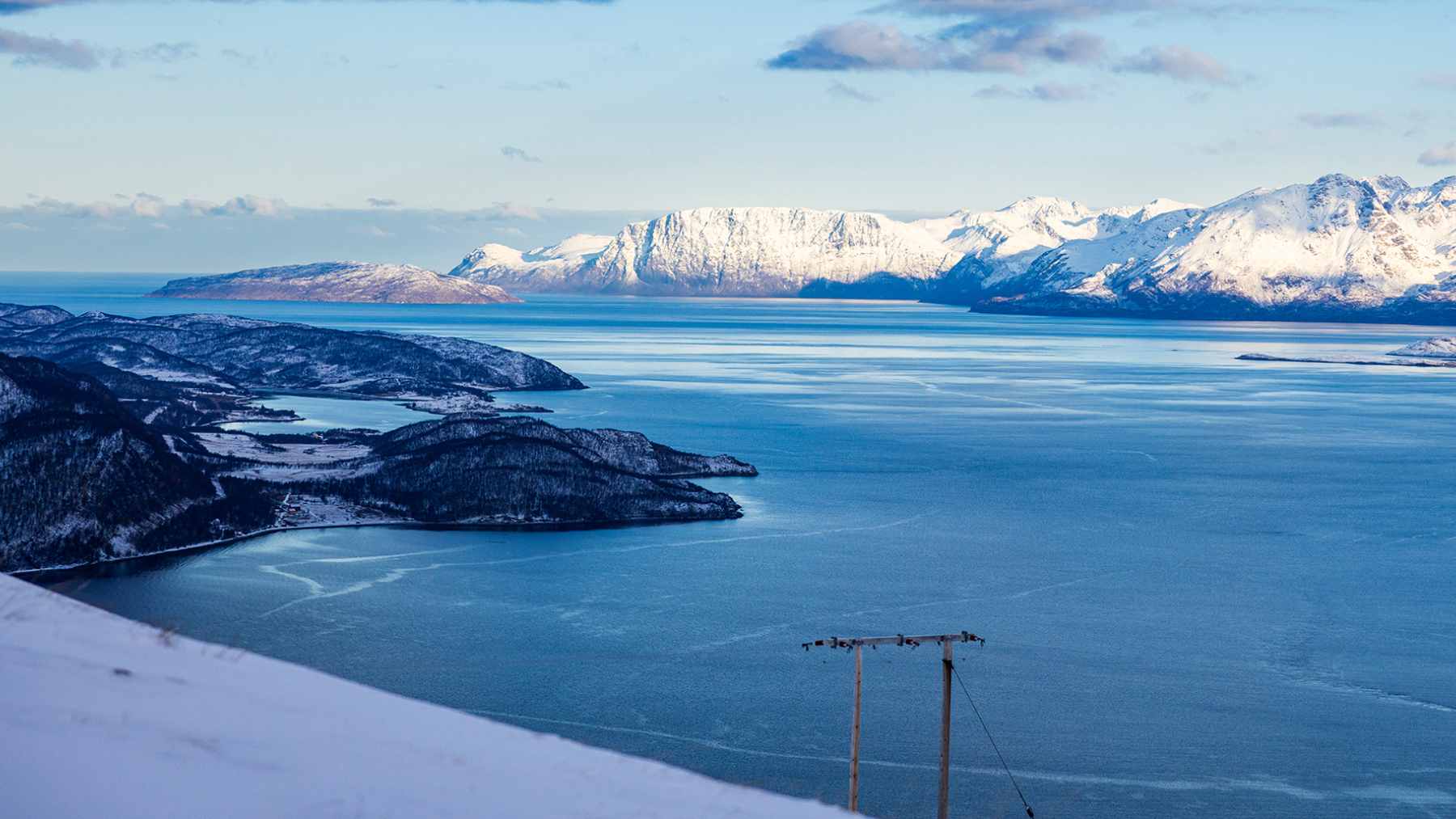
The cable is expected to run in extreme polar conditions, with the supplied project brief describing depths of about 13,100 feet, or nearly 2.5 miles, under the ice. That depth protects it in some places, but the danger is not only deep water.
Moving ice, scraping ice, short work seasons, and limited repair access are all part of the equation. Alaska has already offered a warning. In 2023, a Quintillion subsea fiber cable was cut north of Oliktok Point, likely by ice, affecting internet and cellphone service in Arctic communities.
In 2025, another break near Prudhoe Bay was blamed by the company on an ice scour event, and repairs had to wait until sea ice conditions improved. That is the part that makes Polar Connect different from ordinary cable projects. It is not enough to lay the line.
A climate tool under the ice
Here is where the story shifts from defense and business to ecology. Polar Connect says the cable system could integrate environmental sensors to monitor ocean temperature, seismic activity, and ecosystem changes in real time.
That matters because the Arctic is one of the most climate-sensitive regions on Earth, and the central Arctic Ocean remains difficult and expensive to study. A cable that also listens to the ocean could give researchers a more permanent presence in a place where ships and aircraft can only visit for short windows.
So, the same infrastructure built to protect video calls, AI data flows, and financial transactions could also help scientists track a changing sea–not a small side benefit. At the end of the day, better data is one of the tools needed to understand what is happening under the ice.
Europe’s bet on control
The European Commission has already placed submarine cables near the center of its security agenda. In February 2026, it published a Cable Security Toolbox and a list of Cable Projects of European Interest, aimed at reducing threats and strengthening resilience.
The Swedish Research Council says Polar Connect has been highlighted as one of 13 priority projects for Europe. Elizabeth Greenfield, chair of the Polar Connect Executive Team, said the project “strengthens Europe’s geopolitical autonomy.”
The bigger question is whether governments and companies will now treat internet routes like roads, ports, and energy grids. For the most part, the answer is already yes. Data is now strategic infrastructure.
What happens next
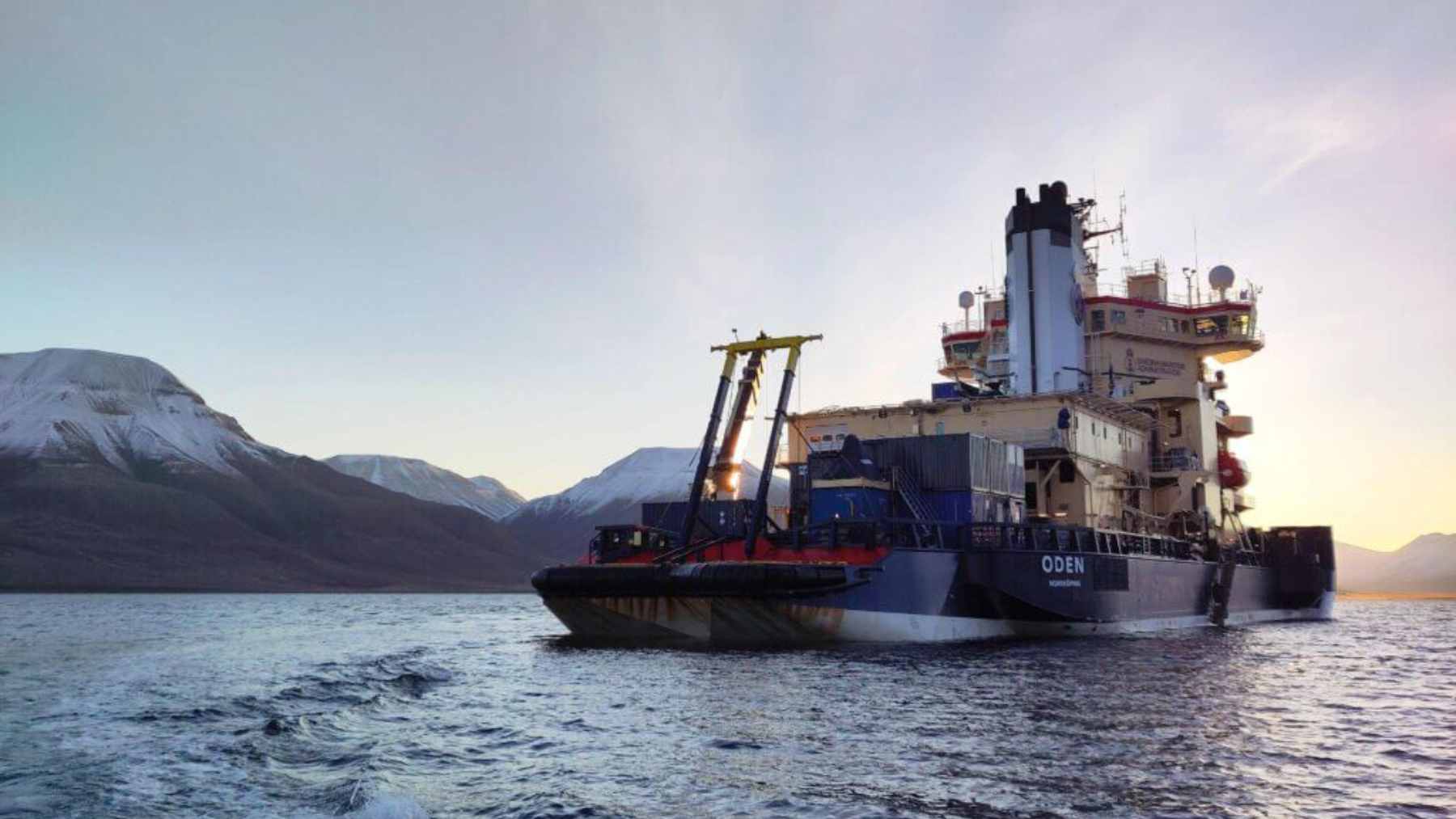
Polar Connect Step 2 runs from 2026 to 2028. It will work on the business model, cable design, repair capacity in severe ice, Arctic seabed surveys with the Oden icebreaker, and the route study needed before manufacturing and deployment.
None of this means the cable is guaranteed. Arctic engineering is costly, and experts know that ice can defeat even careful plans. But the direction is clear: Europe wants a backup route that is faster, safer, and less exposed to the next crisis in the Red Sea.
For everyday users, this may never look dramatic. The best infrastructure is often the kind you do not notice at all. If Polar Connect works, the payoff may be a boring internet during a dangerous moment, and in this case, boring would be a win.
The official project statement was published on Swedish Polar Research Secretariat.