Most Europeans have grown up with the idea that Germany was the continent’s economic engine, not its military center of gravity. That line is getting harder to draw. Berlin is now using its budget, its factories, and its NATO role to rebuild the Bundeswehr at a speed that would have sounded unlikely before Russia’s full-scale invasion of Ukraine.
The new story is not just about tanks. It is about debt rules, shipyards, artillery shells, digital systems, climate-linked infrastructure, and the pressure to make Europe less dependent on Washington. In practical terms, Germany’s rearmament is becoming an industrial policy as much as a defense policy.
Germany opens the spending gate
Germany’s cabinet approved the key figures for its 2027 federal budget on April 29, putting total planned federal spending at roughly $633 billion. Using the European Central Bank’s May 29 reference rate of about $1.16 per euro, the defense budget alone comes to about $123 billion.
Reuters reported that Germany’s core defense spending is set to rise from about $96 billion in 2026 to about $123 billion in 2027. Once special defense funds and Ukraine support are included, total defense spending could reach roughly $169 billion in 2027.
That is a huge turn for a country that spent decades keeping military ambition tightly contained. Chancellor Friedrich Merz said recent developments showed “how important investments in our defense capability are,” according to Reuters.
The debt brake bends
For years, Germany’s “debt brake” was almost a national identity. It limited federal borrowing and helped define Berlin’s reputation for fiscal restraint.
That old line has now been redrawn. Germany approved changes that allow much larger borrowing for defense and infrastructure, including a special infrastructure fund worth about $582 billion at the current exchange rate.
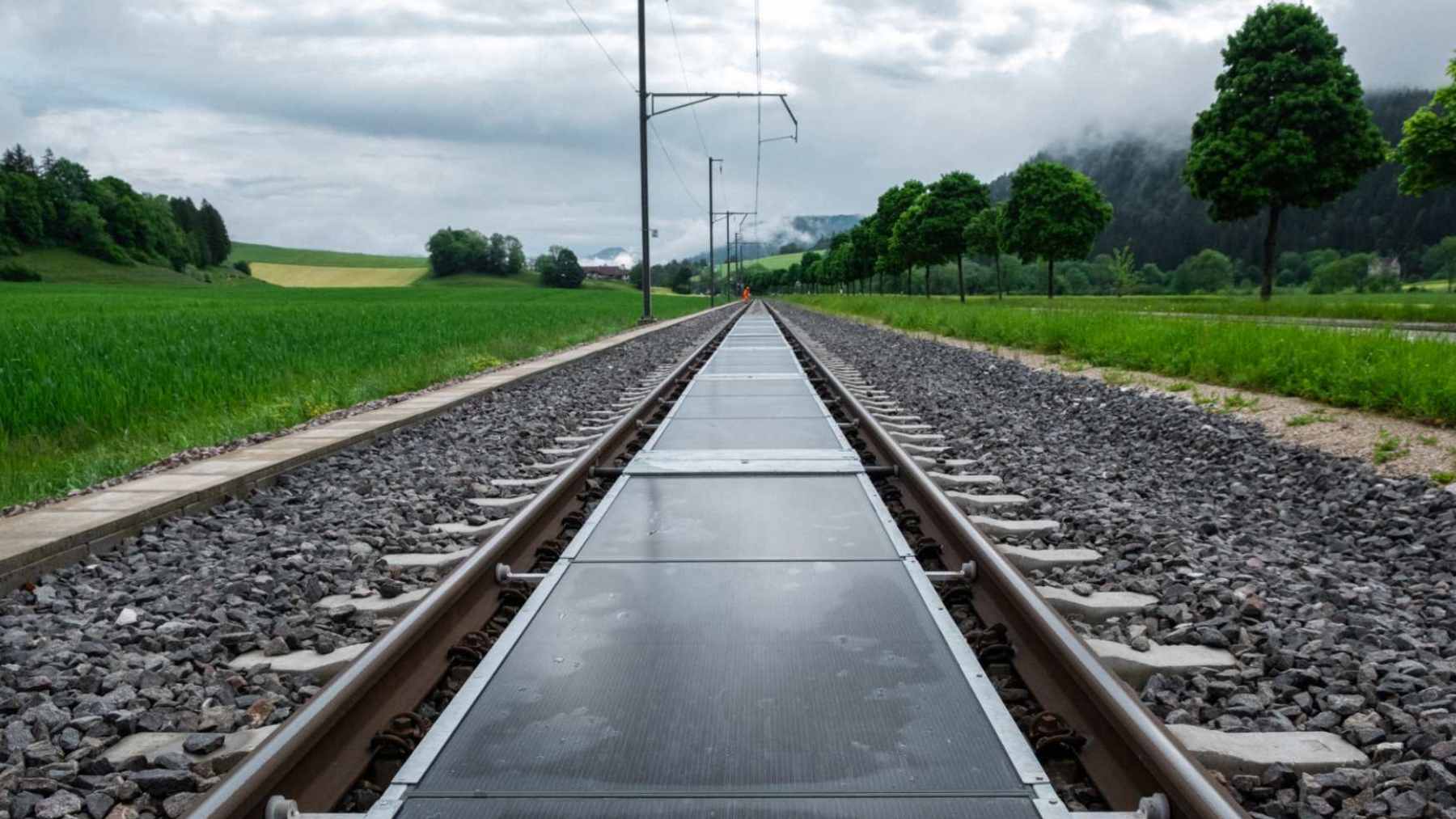
At the same time, this is not only a military budget story. The German government says 2027 infrastructure investment will reach about $138 billion, covering transport, digitalization, climate protection, schools, housing, and modern hospitals. Defense is rising, but it is rising inside a broader national rebuild.
The Bundeswehr wants more than money
A bigger budget does not automatically create a stronger army. Germany still has to buy equipment, train troops, speed up procurement, and fix gaps left by years of underinvestment.
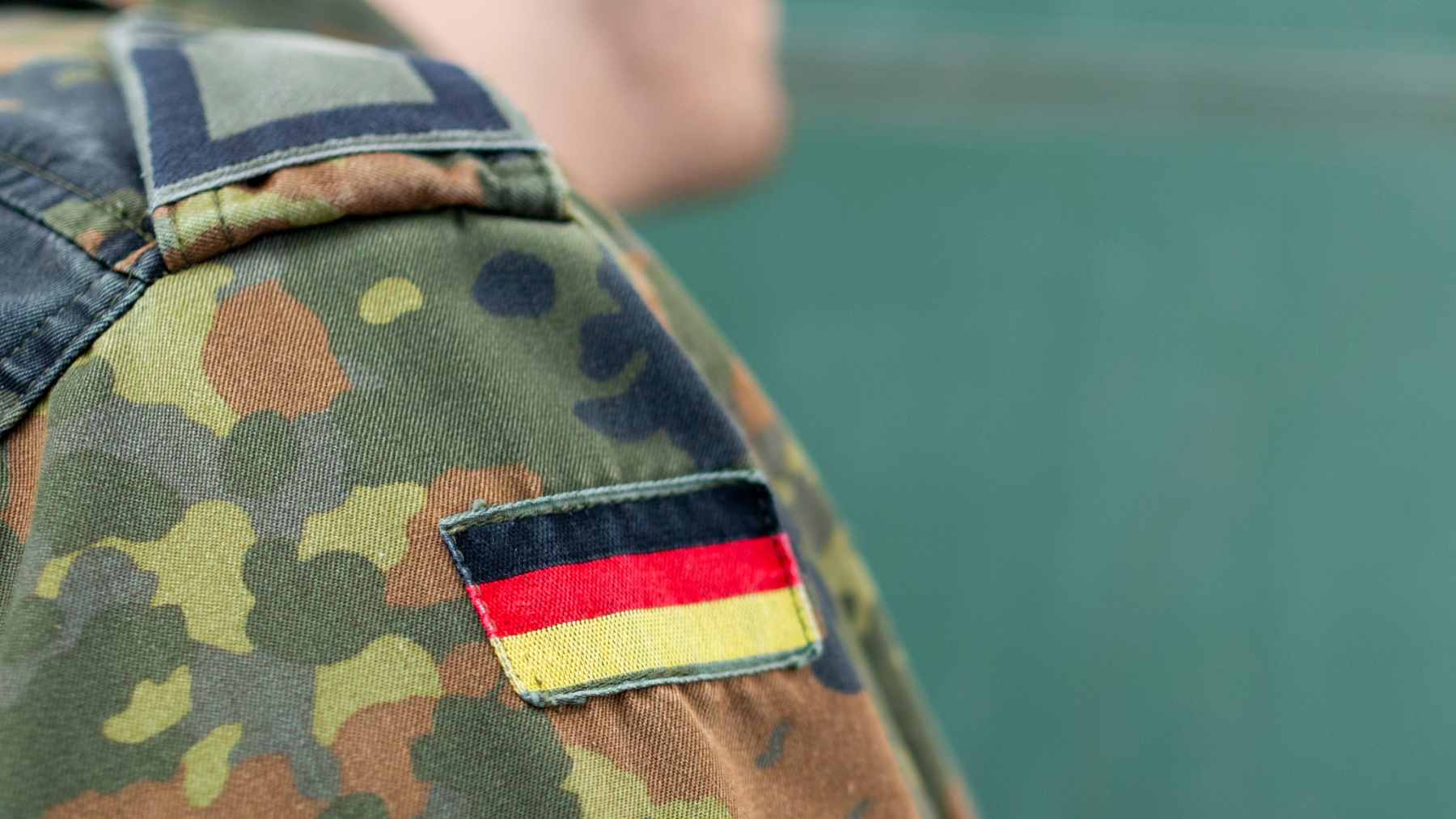
That is why Berlin has rolled out new strategic documents for the Bundeswehr, including a military strategy, a personnel growth plan, and a new reserve strategy. The Defense Ministry says the goal is to strengthen readiness and give the armed forces clearer strategic direction.
The personnel problem is especially serious. Germany wants to grow from almost 185,000 active soldiers to 260,000 and double reservists to 200,000 by the mid-2030s, but the parliamentary armed forces commissioner warned that “Personnel remains the armed forces’ most acute bottleneck.”
Factories are moving first
What looks like a line in a federal budget can quickly become a production order for armor, ammunition, electronics, or warships. That is where German industry comes in.
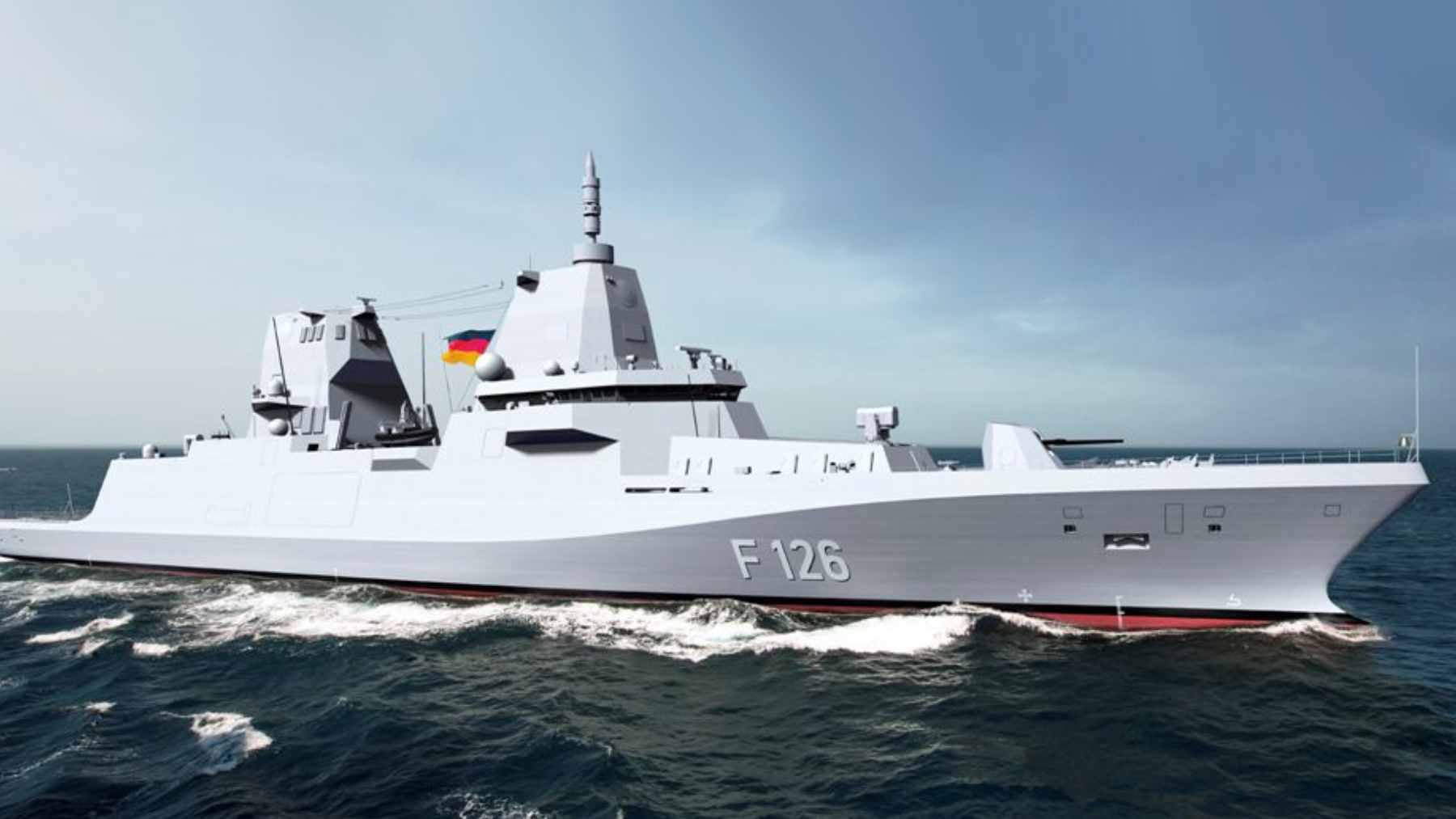
Rheinmetall has become one of the clearest symbols of the shift. Reuters reported that the company is seeking about $14 billion from Germany to take over the delayed F126 frigate program, with the total cost for six warships potentially rising to about $16 billion.
The talks are not finished, and the program has already faced delays. Still, the direction is hard to miss. Europe’s largest economy is turning defense production into a long-term industrial priority, and suppliers know the order books could stay full for years.
NATO gives Berlin a larger role
Germany’s rearmament also fits into NATO’s new spending map. At the 2025 NATO summit in The Hague, allies committed to investing 5% of gross domestic product each year on core defense and defense-related spending by 2035.
Germany’s own numbers are moving in that direction. Reuters reported that total German defense spending would equal 3.1% of gross domestic product in 2027 and could reach 3.7% by 2030.
There is also a practical military shift underway. On May 28, Germany and the Netherlands said the German-Netherlands Corps would take a NATO command role for allied troops in Estonia and Latvia in the event of war, a move that underlines how central Germany has become to eastern flank planning.
The civilian side cannot be ignored
Here is the tricky part: a defense buildup this large does not happen in a vacuum. It touches housing, transport, energy grids, public debt, climate goals, and the workers needed by both civilian and military industries.
SIPRI reported that Germany was the largest military spender among European NATO members in 2025, with spending rising 24% year over year to $114 billion. The institute also warned that as countries chase new NATO targets, the line between military spending and broader security spending can become blurred.
That matters because Germany is also trying to modernize roads, hospitals, digital networks, and climate infrastructure. At the end of the day, the question is not only whether Berlin can spend more. It is whether it can spend fast, spend wisely, and still keep public trust.
A historic shift with a practical test
Germany’s military caution was never just about money. It was tied to history, politics, and the fear of what an overly powerful German military once meant for Europe.
This time, the expansion is taking place inside NATO, under parliamentary budgets, and in response to Russia’s war against Ukraine. That does not erase the sensitivity of the moment, but it explains why many allies now see a stronger Germany as necessary rather than alarming.
The next test is delivery. More ships, more air defense, more ammunition, more troops, and more resilient infrastructure all sound clear on paper. Building them is the hard part.
The official budget statement was published on Germany’s Federal Ministry of Finance.