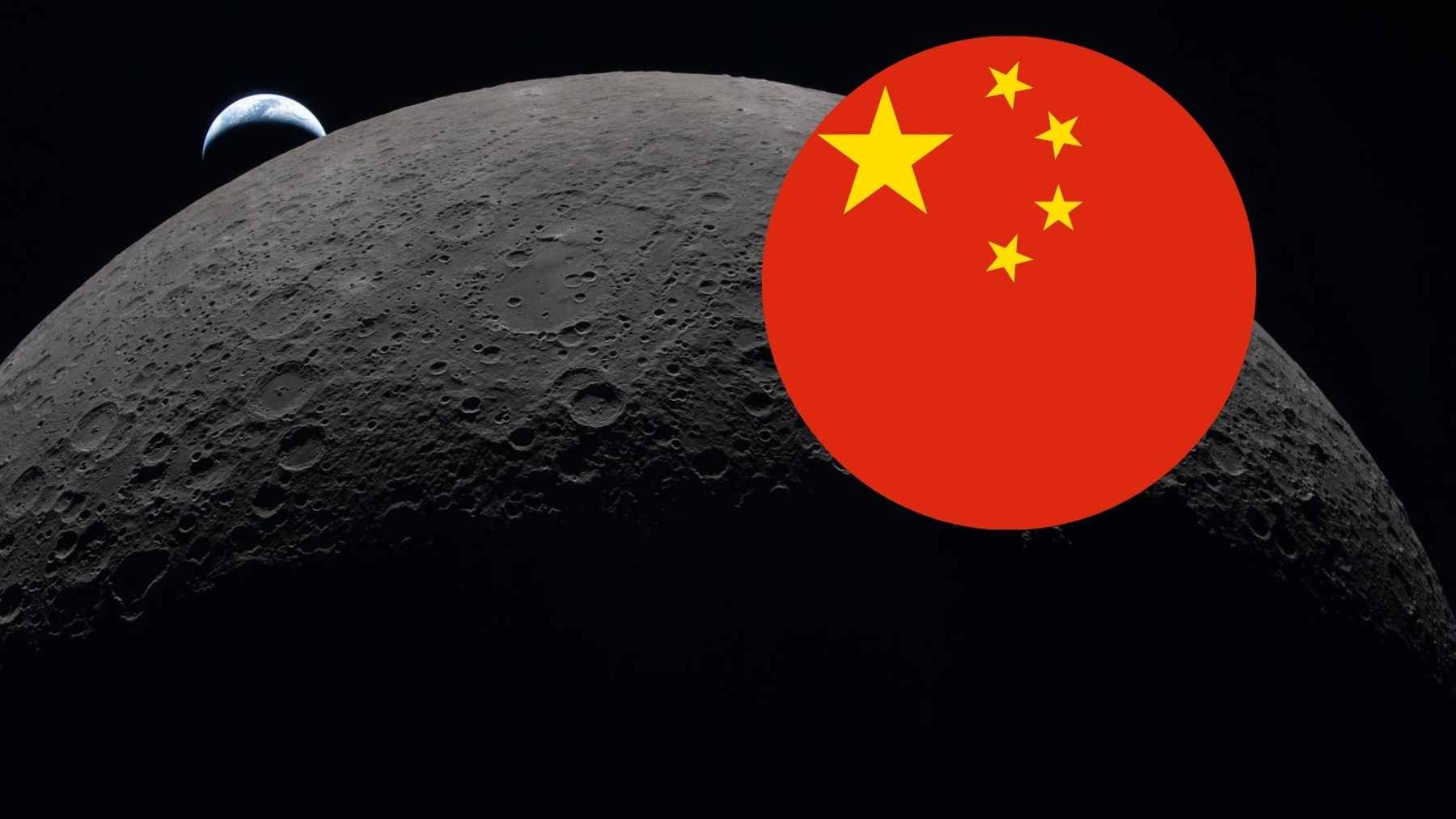
A material that helped China plant a flag on the far side of the Moon is now being pulled into a very earthly fight. In Xinjiang, researchers are testing basalt fiber-based sand control materials as part of new projects meant to protect farmland from wind erosion, salinity, and desertification.
The idea sounds like science fiction at first. But the verified official releases point to something more practical, and in some ways, more interesting. This is not confirmed as a million-hectare “Moon material” wall.
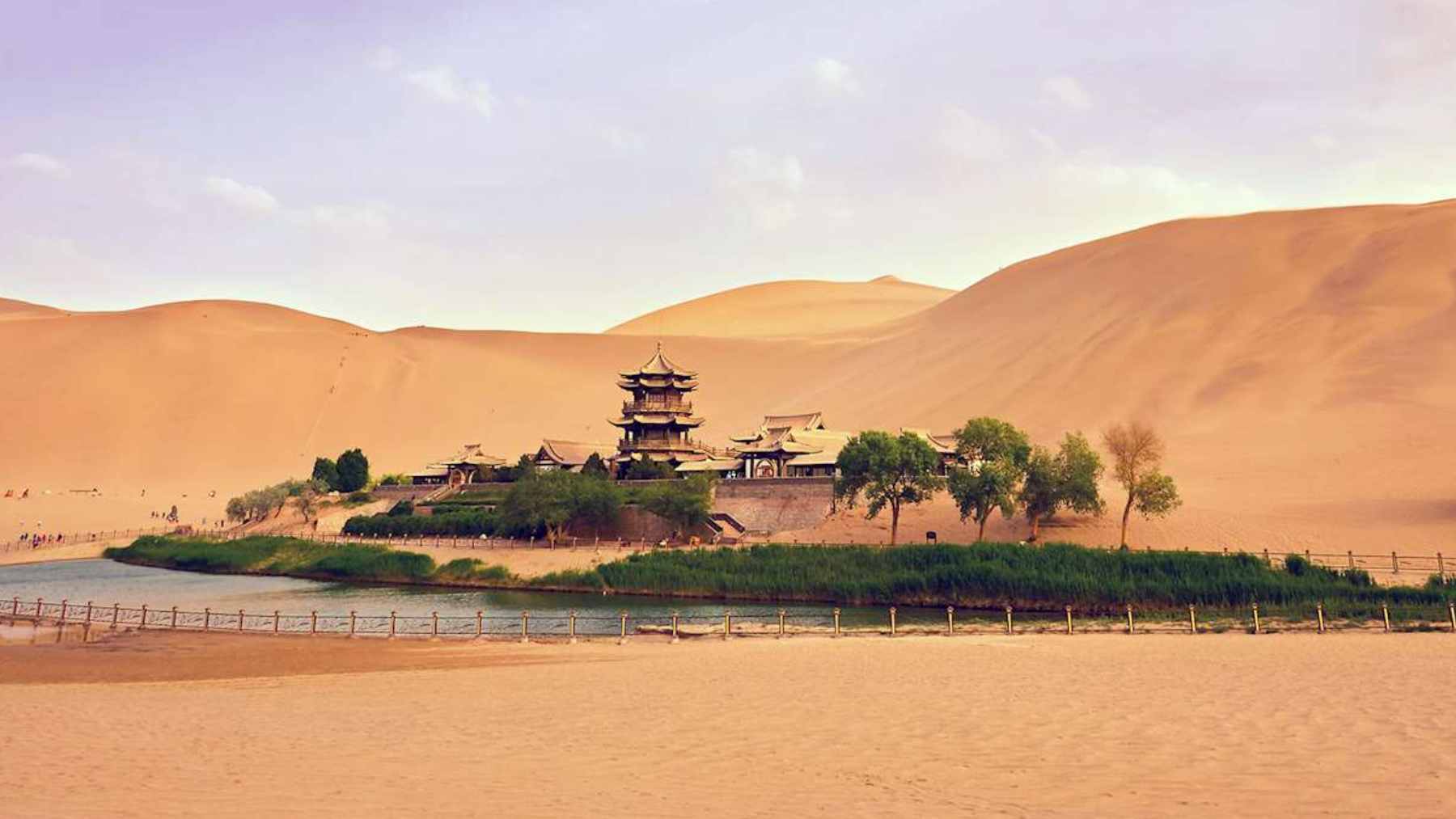
It is a targeted desert-edge program around the Taklamakan, where even a small improvement can matter for crops, roads, and the dusty air people breathe.
From lunar flag to desert sand
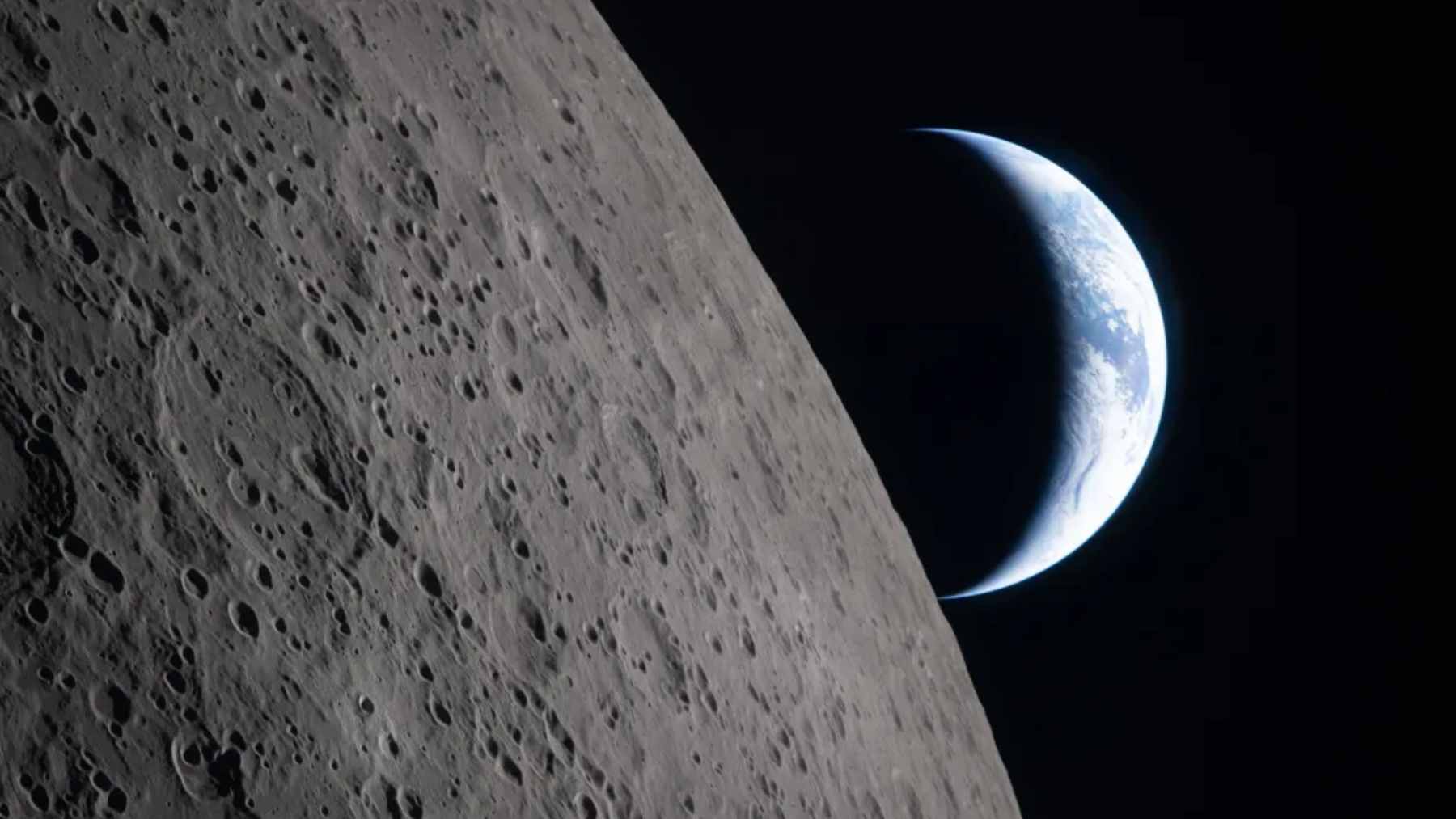
China’s Chang’e-6 mission made history in 2024 by collecting 1,935.3 grams of samples from the Moon’s far side, according to the China National Space Administration. During that same mission, a basalt-fiber Chinese flag was unfurled on the lunar far side.
Wuhan Textile University, which worked on the flag, said the fabric was made to handle temperature swings, vacuum conditions, and strong ultraviolet radiation.
That is the useful bridge here. A fiber designed for punishing space conditions is now being explored for harsh desert edges, where heat, wind, and abrasion do their own kind of damage.
A smaller pilot with big stakes
The official Chinese Academy of Sciences account says three major technology projects were launched in Urumqi by the Xinjiang Institute of Ecology and Geography. They focus on sand control, smart wind/sand and salinity management, and higher quality farmland protection.
The basalt fiber work is part of a package of six environmentally friendly materials. Pei Liang, the project’s chief scientist, said the plan includes basalt fiber-based materials, reuse of fly ash, microbial seed coating, and modular smart laying equipment. By the institute’s estimates, the project could raise sand-control construction efficiency by 50% and cut costs by about 30%.
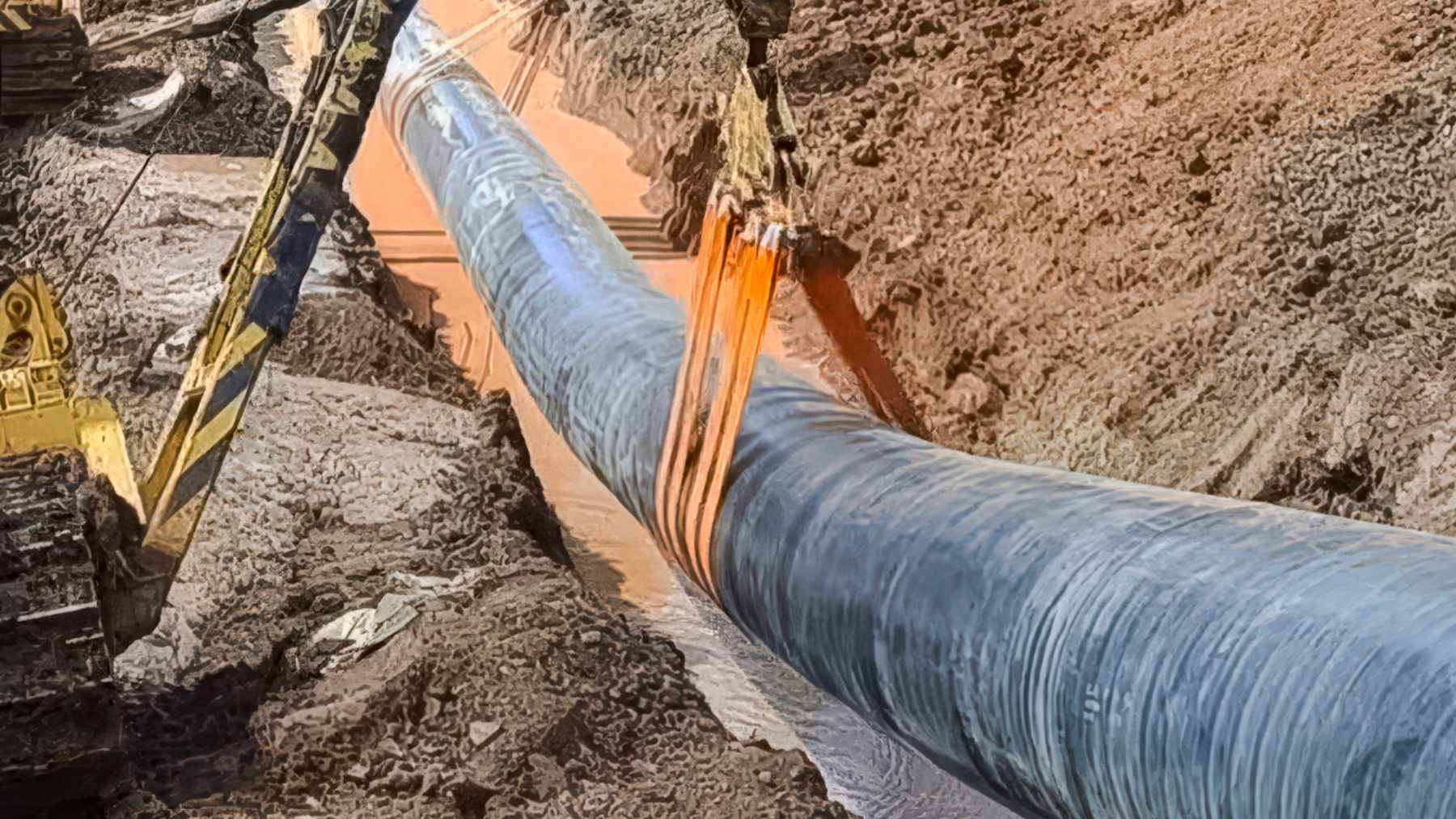
There is an important catch. Some background summaries describe a far larger 2.5-million-acre rollout, but the official material available now confirms a pilot on the southern edge of the Taklamakan covering 30,000 mu, or about 5,000 acres. That is still meaningful, just not the same as a finished mega-wall.
Why engineers like basalt
Basalt fiber is made by crushing volcanic rock, melting it, and drawing it into thin fibers. That sounds simple, but making it flexible enough for fabric or durable enough for field materials takes careful engineering.
The Moon flag showed why researchers are interested. Wuhan Textile University said basalt fiber has strong heat insulation and radiation resistance, and the Chang’e-6 flag weighed just 11.3 grams. This demonstrates that a tough material can also be light, which matters when you are sending payloads to space or laying barriers across difficult terrain.
On the desert edge, the goal is less glamorous than a lunar mission: keep sand from moving so fast. Protect orchards, roads, irrigation channels, and fields. Anyone who has lived through traffic, grit in the air, or a brown sky during a dust event knows that “sand control” is not just a technical phrase.
China’s green wall gets more technical
This new push fits into China’s much older Three-North Shelterbelt Forest Program, often called the country’s Great Green Wall. Xinhua says the program began in 1978, is scheduled to run until 2050, and has expanded afforestation by 80 million acres while protecting about 75 million acres of farmland.
The Taklamakan is already a major focus. Reuters reported in late 2024 that China had completed a roughly 1,800-mile green belt around its largest desert, while also noting that 26.8% of China’s land was still officially classified as desertified. That is the uncomfortable part–decades of planting and engineering have helped, but the problem has not gone away.
That is why new materials matter. Trees, shrubs, straw grids, and irrigation all have limits. A material like basalt fiber could become another tool in the box, not a magic shield.
What to watch next
The next test is not whether the Moon connection sounds impressive. It does. The real test is whether these materials survive heat, sandblasting winds, salt, and repeated field use without becoming too expensive or hard to maintain.
If the pilot delivers the promised savings, China could turn a piece of space-material research into an environmental technology with business value. If it falls short, it will still offer a useful lesson: the desert does not care where a material came from.
The official statement was published on the Chinese Academy of Sciences website.