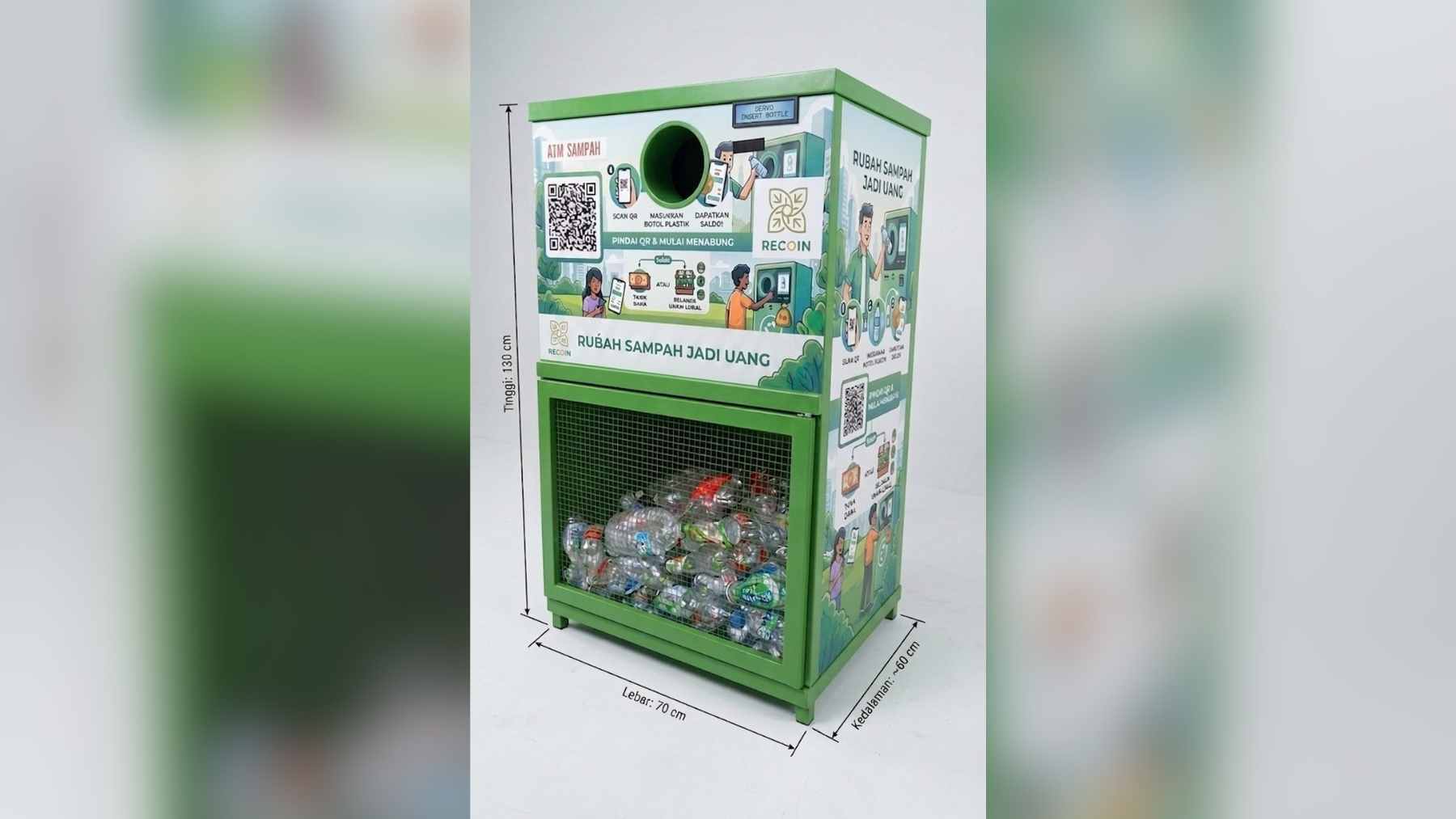
California has moved one of the nation’s toughest plastic laws from promise to practice, and the reaction is anything but quiet. The state’s permanent SB 54 regulations took effect on May 1, 2026, giving producers until June 1 to register, submit supply data or seek an exemption, according to CalRecycle.
At the center of the dispute is a simple question with a messy answer. Who should pay for the plastic that protects berries, milk, takeout food and thousands of everyday products, the shopper at the blue bin or the company that put the package on the shelf?
The result is not just recycling policy, it is a business fight about cost, design, pollution and the future of American packaging.
The new burden on producers
SB 54, formally called the Plastic Pollution Prevention and Packaging Producer Responsibility Act, shifts much of the work of managing packaging waste from consumers and local governments to businesses.
CalRecycle says extended producer responsibility gives producers the primary role after a product is used, pushing them to design materials that can be reused, recycled or composted.
By 2032, producers must make all covered single-use packaging and plastic food serviceware recyclable or compostable. They also must help reach a 65% recycling rate and cut single-use plastic by 25%, compared with 2023 levels. That is a long runway, but for packaging lines and supply chains, it can feel uncomfortably short.
The money is just as important. Producers must pay $5 billion over 10 years, beginning with $500 million in 2027 to address plastic pollution and support affected environmental justice communities. In practical terms, the cost of waste is moving closer to the companies that create it.
Why recycling alone is not enough
For decades, the green arrows symbol did a lot of emotional work. It suggested that if households rinsed containers, sorted bottles and remembered the right bin, the system would mostly take care of itself.
That was never the full story, though. CalMatters reports that most plastic packaging in California is not recycled, with many categories reaching only single-digit rates, and even common items such as milk jugs and detergent bottles hitting only 19% in a 2025 CalRecycle report.
That is why the law matters beyond California. If a state this large changes how packaging is paid for, designed and labeled, national brands often have to rethink products far beyond the West Coast. As USC environmental scholar Joe Árvai put it, “California is the United States, but 30 years in the future.”
The loophole fight
Environmental groups still say the final rules leave too much room for escape. NRDC and Californians Against Waste argue that the regulations allow some products to avoid strict requirements and let certain controversial recycling technologies count as recycling if they have permits.
Their concern centers on chemical recycling and other processes that critics say can generate hazardous waste. Nick Lapis of Californians Against Waste said the regulations create “permanent escape hatches” that the law never authorized. That is not a minor complaint, because the meaning of “recycling” is the heart of the entire program.
State officials narrowed some food and agriculture exclusions after earlier pushback. Still, advocates are watching exemption requests closely. Too many carve-outs, they warn, could turn a landmark law into paperwork.
Industry worries about the shelf
Businesses say the pressure is real. Plastic clamshells keep berries from being crushed, flexible bags help salad and baby carrots stay fresh, and dairy containers must protect products while surviving shipping, refrigeration and grocery store handling.
Could everything be replaced with paper or glass? Not easily. Glass is heavier and can raise transportation costs, while some paper packaging is still not ready to handle the oxygen and moisture demands of fresh food. That matters at the checkout counter too, because higher packaging costs can quietly become higher grocery bills.
This is where the policy becomes less abstract. Nobody wants more plastic in landfills, floating in waterways or breaking into microplastic dust. But nobody wants spoiled food, empty shelves or packaging so expensive that families feel it in the weekly shopping trip.
What comes next
Circular Action Alliance, the producer responsibility organization approved for California, now has the difficult job of turning the mandate into a working plan. The group says producers must ensure 100% recyclable or compostable packaging, a 25% source reduction and a 65% recycling rate by January 1, 2032.
The first real test arrives quickly. Producers have to register and submit supply data by June 1, 2026, or take another official compliance path, and the broader implementation plan is expected in June. After that, the fight will move from slogans to spreadsheets, fee schedules, packaging redesigns and local recycling investments.
At the end of the day, California is trying to change the rules of a system that has long asked consumers to solve a problem they did not create alone. Whether it becomes a model or a warning will depend on what happens next, especially with exemptions, enforcement and the price families see on the shelf.
The official statement was published on CalRecycle.