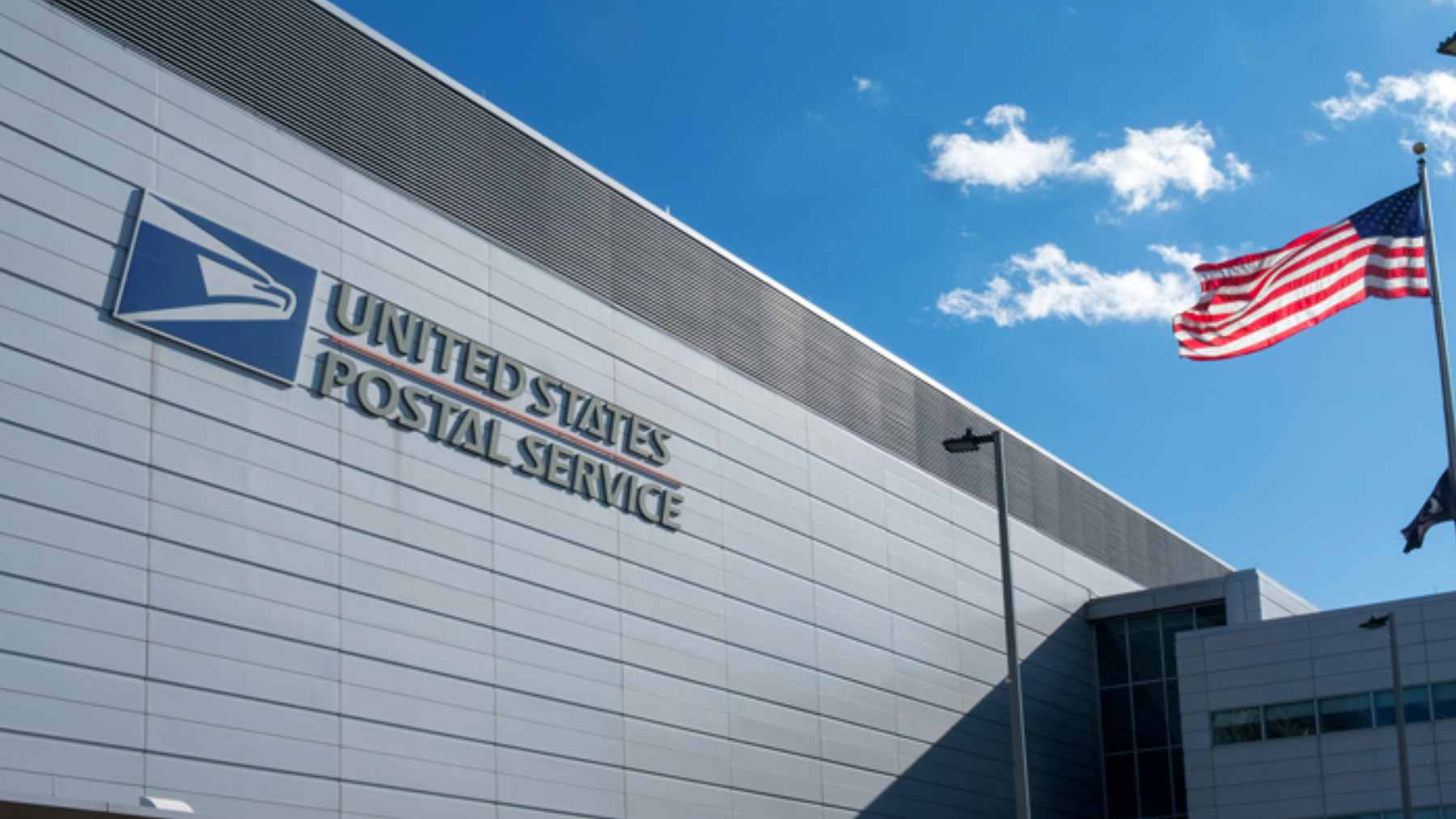
Residents in Baker, Montana, are still collecting their mail from temporary outdoor units after the U.S. Postal Service shut down the town’s post office in June 2025 over building safety concerns. Nearly a year later, the agency has not publicly explained exactly what was found inside the facility or provided a firm timeline for reopening it.
For a rural town without door-to-door mail delivery, this is not a small inconvenience. It means prescriptions, bills, jury summons, packages, and business mail now depend on a temporary setup that leaves residents dealing with limited hours, outdoor lines, and Montana weather that can swing from bitter cold to intense summer heat.
A closure with few answers
The Baker Post Office was closed after USPS said “safety-related building concerns” were identified during an inspection. The agency has said services were moved “out of an abundance of caution,” but local residents and reporters have struggled to get specific details about the condition of the building.
MTN News filed a Freedom of Information Act request seeking the inspection report behind the closure. After weeks of back-and-forth, USPS said it was unable to locate records responsive to that request, according to the outlet.
That leaves one big question hanging over Baker: if the building is unsafe enough to close it to the public, what exactly is wrong with it?
Mail from temporary units
Since the shutdown, postal operations have been run from temporary, container-style units behind the closed building. New postmaster Patricia Carino, who arrived in Baker in late March, told MTN News she entered the job with limited information about what had happened.
Carino said 24-hour access to post office boxes in the temporary units has since been restored. Additional parcel lockers have also been installed, which should reduce wait times and help more customers retrieve packages without standing outside.
Still, that is only a patch, not a full fix. In practical terms, picking up the mail has become another daily task shaped by weather, work schedules, and patience.
Why this matters in rural America
In cities, losing one postal counter may send customers to another branch a few miles away. In Baker, the post office is closer to basic infrastructure than a simple retail stop.
Montana lawmakers made that point in an April 16 letter to USPS, saying rural residents depend on the agency for essential items including prescriptions, jury summons, bills, and business correspondence. They warned that the current arrangement falls short, especially for working families, older residents, and people with mobility challenges.
That is where the environment comes in–not as an abstract debate, but as lived reality. Standing outside for mail on a Montana winter or hot summer day is not the same as waiting under fluorescent lights in a lobby.
Pressure from Washington
U.S. Senators Steve Daines and Tim Sheehy, along with Congressman Troy Downing, sent a letter to USPS urging the agency to reopen the Baker facility and improve service for local residents. Their request was direct and practical, asking for the status of repairs, a clear timeline for reopening, and better interim steps for safe access to mail.
The lawmakers wrote that “Montanans deserve a reliable and accessible mail service, regardless of where they live.” That line captures the frustration in Baker, where residents are not asking for luxury, they are asking for a dependable public service to work again.
On the other hand, USPS employees on the ground appear to be trying to keep operations moving under difficult circumstances. Baker resident Andrea Matheson told MTN News the situation was shocking at first, but added that the disruption was “no fault of the postal workers.”
The bigger postal problem
The Baker case also fits into a broader national issue. The Postal Regulatory Commission says suspended post offices have drawn concern for years, especially when temporary closures linger without a clear path toward reopening or permanent closure.
According to the commission, postal law requires USPS to maintain post offices so customers have “ready access” to postal services. It also notes that suspensions are supposed to be resolved by reopening or formal closure, though many have stayed unresolved beyond typical time windows.
That context matters. A temporary trailer can keep mail moving for a while, but when “temporary” starts stretching toward a year, the community naturally starts asking whether anyone has a real plan.
What happens next?
Carino has said specialists have started testing materials inside the building, including flooring, ceilings, and paint. As of mid-May, those results had not been released publicly, and the future of the facility still remained unclear.
For now, Baker residents are left in a familiar rural bind. They are expected to adapt, wait, and trust the process, even when the process has not given them many answers.
The official letter was published on Senator Steve Daines’ website.