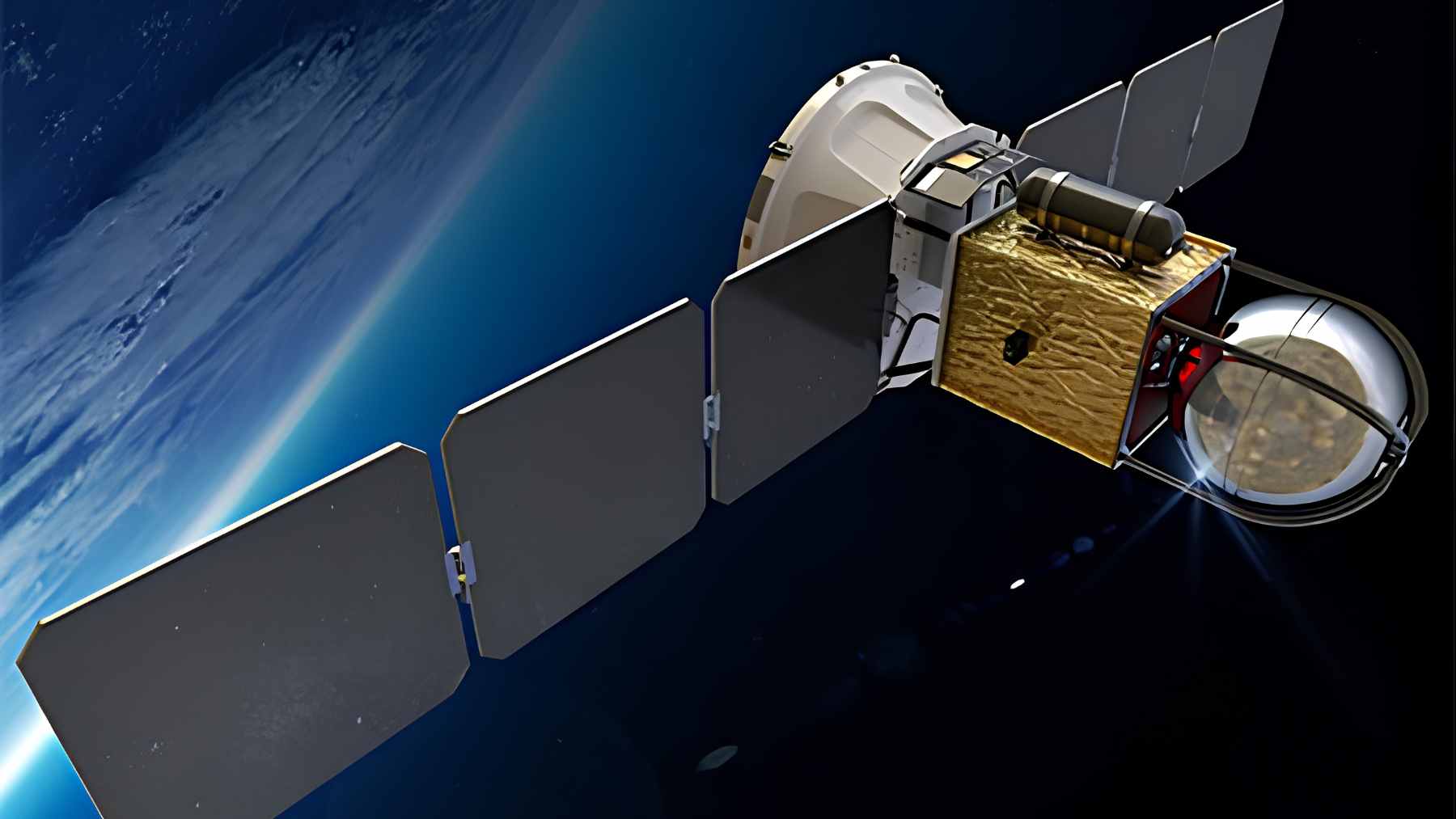
NASA is getting ready to test a technology that sounds almost too simple to matter. Instead of sending spacecraft away from Earth with every drop of fuel they may need, the agency wants to prove they can refuel in orbit, much like stopping at a gas station during a long road trip.
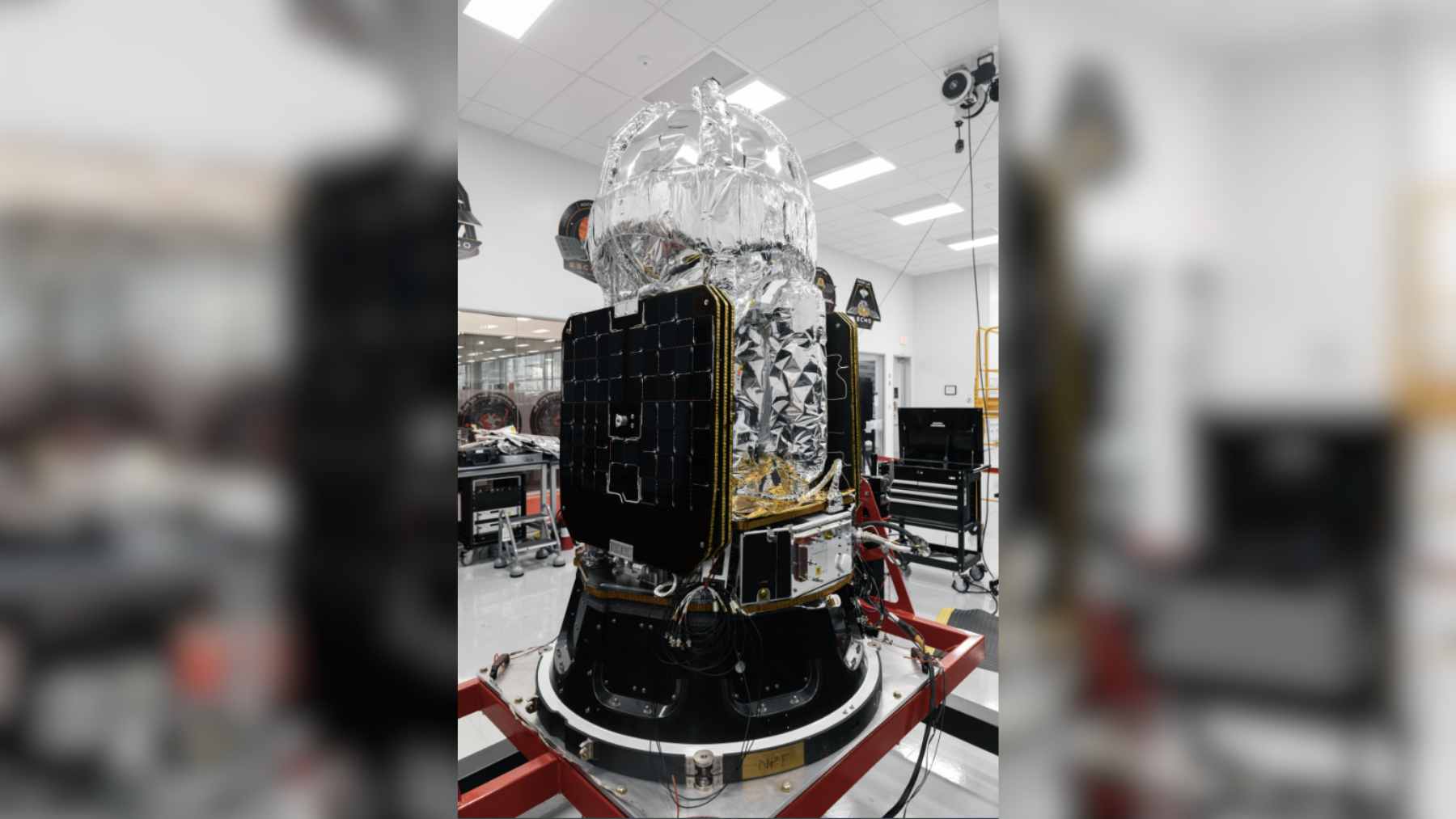
The mission is called LOXSAT, short for Liquid Oxygen Flight Demonstration, and it is scheduled to launch no earlier than July 17, 2026, aboard a Rocket Lab Electron rocket from New Zealand. NASA says the nine-month mission will test 11 cryogenic fluid management technologies that could support future “gas stations in space” for missions to the Moon, Mars, and beyond.
A fuel stop above Earth
LOXSAT will fly in low Earth orbit, but the idea behind it reaches much farther. If spacecraft can top up after launch, mission planners may no longer need to pack every pound of fuel from Earth at the start.
That matters because fuel is heavy–very heavy. The more propellant a spacecraft needs, the bigger and more expensive the launch becomes, and that cost grows quickly once crews, landers, cargo, and safety margins are added to the plan.
Why super cold fuel is hard
There is a catch, of course. LOXSAT is not testing ordinary fuel sitting in an ordinary tank. It will deal with cryogenic propellants, which must be kept extremely cold so they stay liquid in space.
NASA says the tests will focus on problems such as reducing boiloff, transferring propellant, maintaining tank pressure, and measuring fuel levels in microgravity. Essentially, that means learning how to keep liquid oxygen from slowly disappearing into vapor while the spacecraft is exposed to heat, sunlight, shadow, and the odd physics of orbit.
The business behind orbit
This is also a business story. Eta Space built LOXSAT through NASA’s Tipping Point program, while Rocket Lab is providing the spacecraft and launch services with its Photon satellite bus and Electron rocket.
Rocket Lab says LOXSAT is designed to inform Cryo-Dock, a future full-scale cryogenic propellant depot in low Earth orbit that is expected to be operational in 2030. The company also said the ability to refuel in space is “fundamental to unlocking reusable and sustainable exploration beyond Earth’s orbit.”
The Artemis connection
The timing is not random. NASA’s Artemis plans now include a 2027 low Earth orbit demonstration mission to test rendezvous and docking between Orion and commercial landers from SpaceX and Blue Origin before the agency targets a lunar surface return in 2028.
That makes LOXSAT less of a side experiment and more of a logistics test for the next era of exploration. It is not the Moon landing itself, but it could help answer a basic question before astronauts go farther: can space travel be supplied from orbit instead of only from the launch pad?
The environmental question
There is an Earth side to all of this, too. Spaceflight is growing fast, and the environmental cost of more launches is no longer a footnote. NOAA research has warned that a major rise in hydrocarbon-fueled launches could affect atmospheric circulation and damage the ozone layer.
A 2025 study in npj Climate and Atmospheric Science also found that frequent rocket launches could slow ozone recovery, with rocket emissions from solid propellants and black carbon among the concerns.
So even if orbital refueling makes deep-space missions more efficient, experts will still be watching launch frequency, fuel choices, and upper-atmosphere pollution closely.
What comes next
LOXSAT will not build a full space gas station by itself. It is a demonstration satellite, and NASA’s own language is careful. The goal is to collect data that can support future propellant depots, not to declare the problem solved before the hardware proves itself.
Still, the stakes are big. If the test works, NASA and its commercial partners could move closer to a space economy built around storage, transfer, reuse, and refueling. That may sound routine, but routine is the point.
The future of Moon and Mars missions may depend less on one giant launch and more on whether spacecraft can pull over, fill up, and keep going.
The official statement was published on NASA.