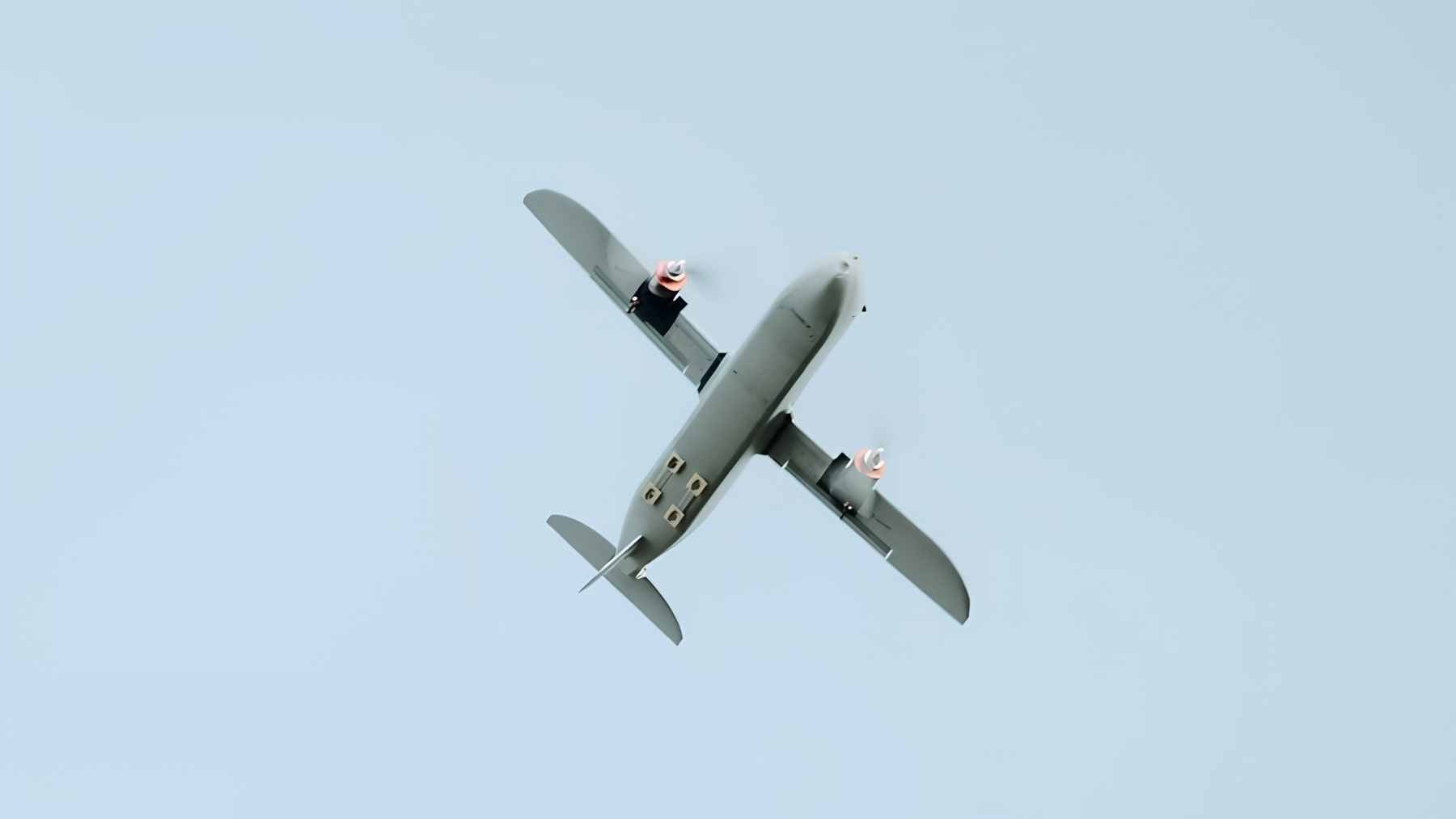
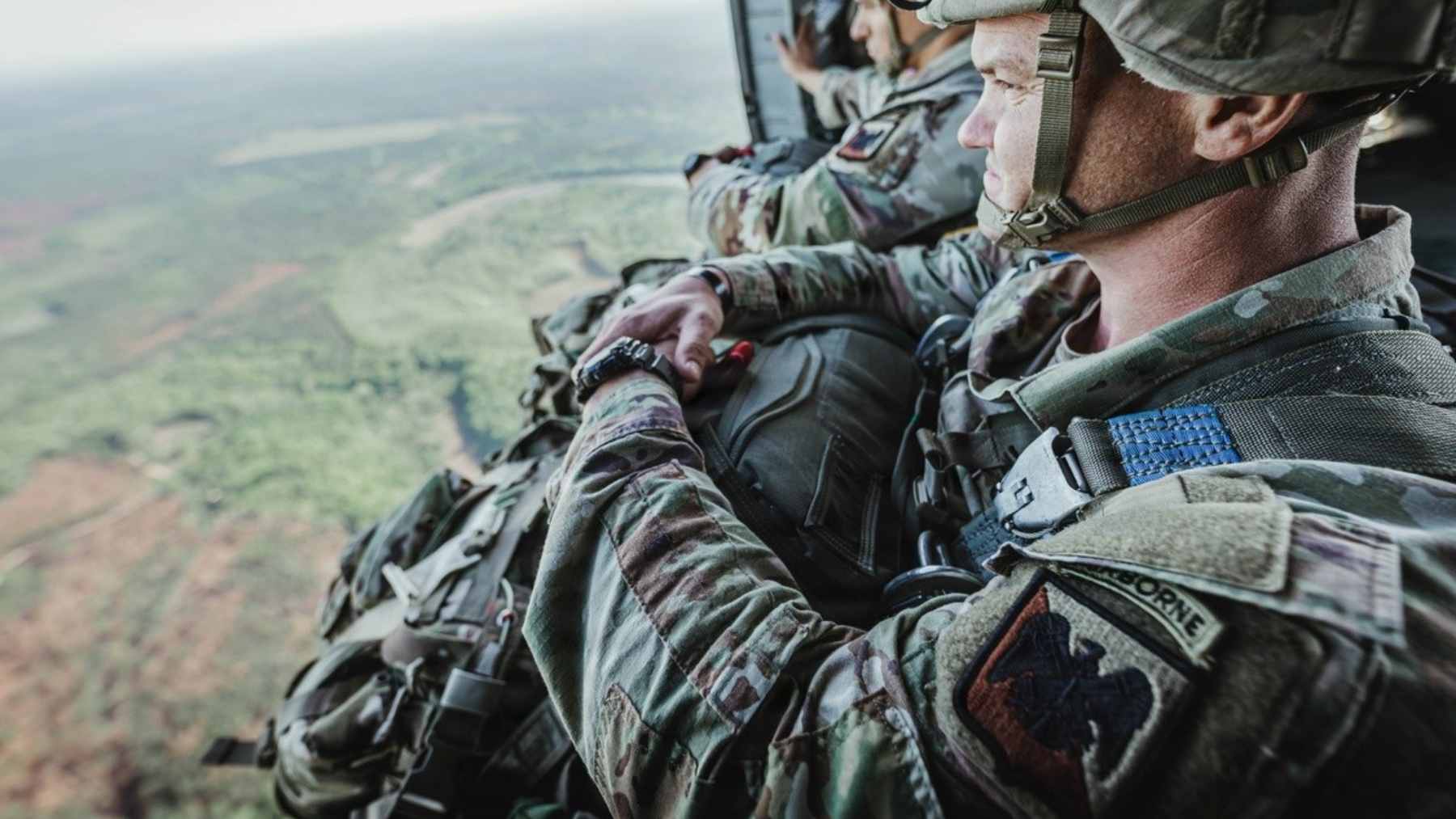
The Pentagon is moving ahead with a withdrawal of about 5,000 U.S. troops from Germany, a decision expected to unfold over the next 6 to 12 months and one that lands at an uneasy moment for NATO. Chief Pentagon Spokesman Sean Parnell said the move followed a review of U.S. force posture in Europe and “theater requirements and conditions on the ground.”
At first glance, this is a military story. Look a little closer and it also touches the less visible world of energy, infrastructure, and environmental resilience that keeps modern bases running.
The drawdown is not being presented as a climate measure, but in practical terms it will force Europe to think harder about how defense networks are powered, protected, and cleaned up.
Germany remains a military hinge
Germany is still one of the most important U.S. military hubs outside American soil. A U.S. European Command official told ABC News that roughly 80,000 U.S. service members are in the European theater, with about 38,000 permanent and rotational forces in Germany.
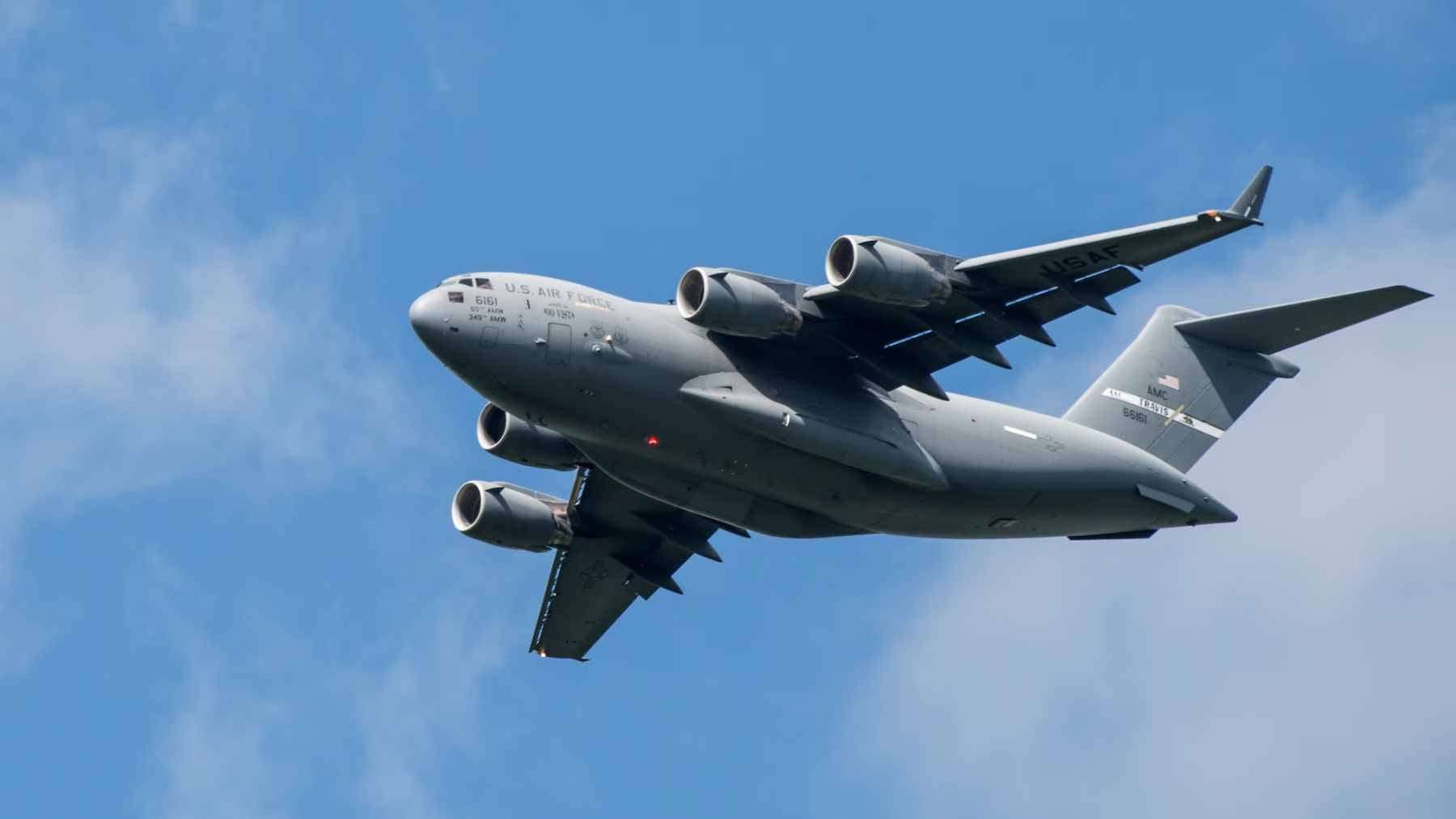
That presence is not just about barracks and flags. EUCOM lists its headquarters in Stuttgart, while Ramstein Air Base says it serves as headquarters for U.S. Air Forces in Europe and is also a NATO installation.
The timing adds tension
The decision follows a public dispute between President Donald Trump and German Chancellor Friedrich Merz over the U.S. war with Iran. AP reported that Trump later said the United States would reduce troop numbers in Germany “a lot further” than the first 5,000, which raised fresh questions about America’s long-term posture in Europe.
The Pentagon has not yet given many details about which units or missions will be affected. That matters because Germany supports U.S. operations well beyond Europe, including links to Africa, the Middle East, and medical evacuation routes.
Why energy matters here
Military bases are, in many ways, small cities with aircraft, housing, command systems, hospitals, vehicles, and data networks. The electric bill is not just a household headache here, it is part of mission readiness.
In a 2024 update, the Department said it had requested $3.8 billion for installation energy and $3.5 billion for operational energy. A defense official also said “reliable, adaptable and resilient energy remains essential to military capability and readiness.”
Climate is already in defense planning
This is where the environment enters the story. The Pentagon is not saying the Germany drawdown is meant to cut emissions or reduce local environmental pressure, and it would be wrong to claim that without evidence.
But U.S. defense planning has already acknowledged that climate, supply chains, and base infrastructure are connected.
The Department’s Climate Adaptation Plan says operations, planning, business processes, and resource decisions should include climate considerations, while also pointing to resilient infrastructure and supply-chain adaptation.
Bases leave a local footprint
For people living near a major air base, the military footprint is not abstract. It can mean traffic, aircraft noise, fuel logistics, land use, water systems, and fire-safety equipment that most civilians never see up close.
The Department has also been transitioning away from firefighting foams that contain PFAS, a chemical group it notes is considered toxic at certain levels by the EPA. That kind of detail may sound technical, but it is exactly where defense policy meets everyday environmental health.
Europe faces a wider choice
Germany is also watching the future of long-range weapons plans. Reuters reported that Germany’s defense ministry said there had been no “definitive cancellation” of a U.S. plan to deploy a battalion with long-range Tomahawk missiles to Germany, even after the troop drawdown was widely interpreted as affecting that deployment.
In the end, Europe may have to carry more of the load. If allies buy more of their own systems, the business and tech side of defense will grow, too, from advanced missiles and sensors to microgrids, backup power, and cleaner infrastructure.
What to watch next
The biggest unanswered question is where the 5,000 troops go. A withdrawal to the United States would send a different signal than a shift farther east inside Europe, especially with Russia’s war in Ukraine still shaping NATO planning.
For now, the message is simple: a troop drawdown is also a stress test for Europe’s defense backbone, from runways and data links to power grids and the local environment around them.
The Pentagon statement cited in this article was published on Fox News Digital.