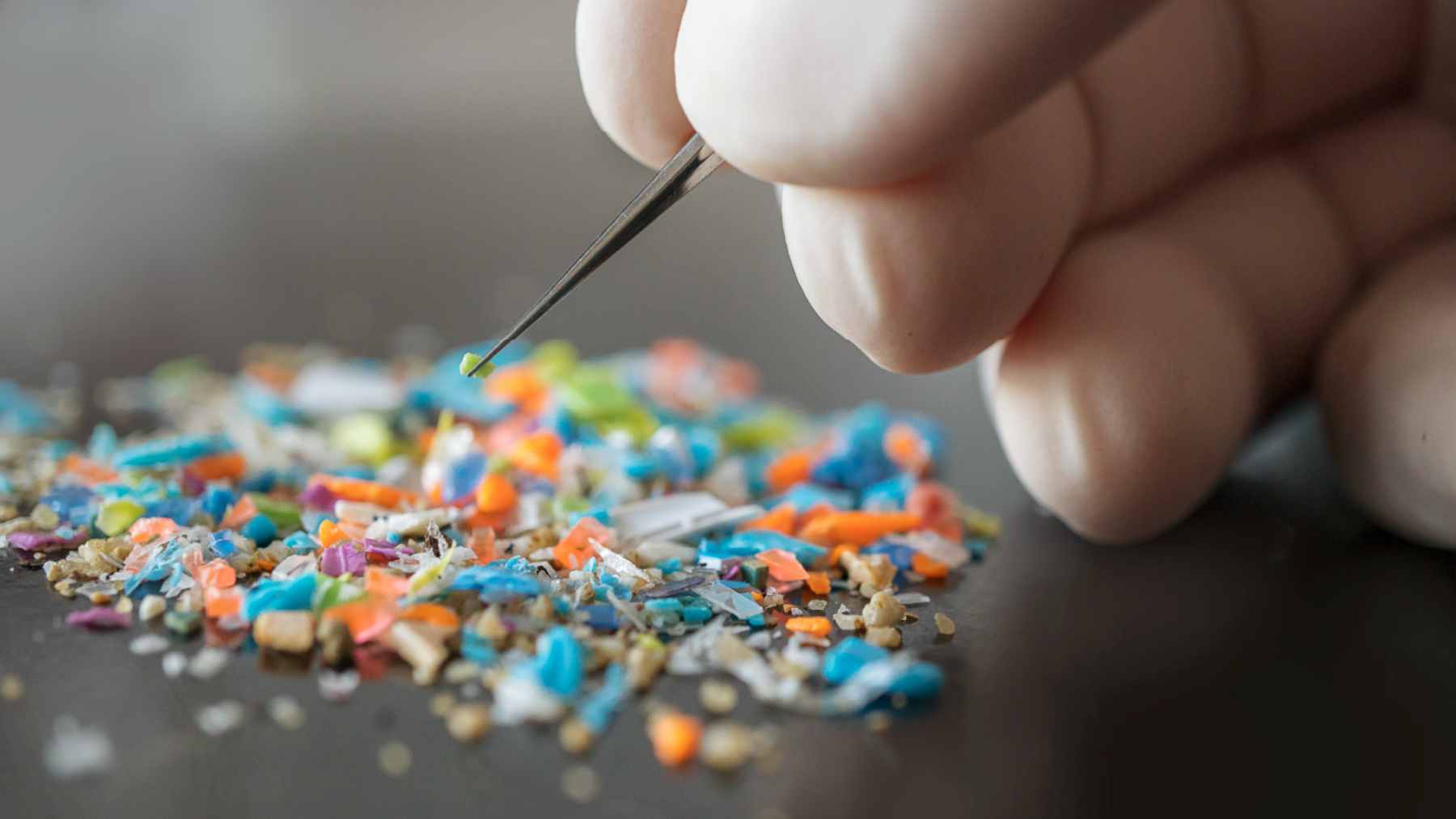
Microplastics have become one of those invisible worries that follow people all the way to the kitchen sink. Now, researchers in Brazil say seeds from Moringa oleifera, often called the “miracle tree,” may help remove more than 98% of certain plastic particles from drinking water under controlled lab conditions.
The finding is not a magic fix, and it is definitely not a reason to skip proper water treatment. But it could point toward a cheaper, plant-based tool for small communities, rural properties, and maybe even emergency water systems where moving chemicals around is expensive and complicated.
A seed doing industrial chemistry
The study was carried out at theInstitute of Science and Technology of São Paulo State University in São José dos Campos, Brazil. Researchers tested a saline extract made from moringa seeds and compared it with aluminum sulfate, also known as alum, one of the standard chemicals used to help clean water.
Gabrielle Batista, the first author of the study, said the extract “performs similarly to aluminum sulfate” and added that “in more alkaline waters, it performed even better.” That matters because real water does not always behave perfectly in the lab.
So, what is the trick? Microplastics tend to carry a negative surface charge, which helps them repel each other and slip past filters. The moringa extract helps neutralize that charge, causing the particles to clump together so a sand filter can catch them.
How the test worked
The team used tap water contaminated with aged PVC microplastics, which were exposed to ultraviolet radiation to better imitate particles weathered in the environment. PVC was chosen because researchers described it as one of the more concerning plastics for human health and noted that it can appear in water bodies and treated water.
In the best-performing test, 30 mg/L of moringa seed saline extract removed 98.5% of aged PVC microplastics at pH 6.0. Alum, used at 9 mg/L under the same pH condition, removed 98.7%, a result so close that the real story is not victory by a landslide but near parity with a common industrial chemical.
The researchers also compared direct filtration with in-line filtration. In short, in-line filtration skips one extra flocculation step, and the study found it worked just as well for microplastic removal in this setup. Less equipment can mean fewer headaches.
Why this matters now
Microplastics are no longer just an ocean headline. They are turning up in conversations about tap water, bottles, food packaging, textiles, and the small plastic dust of daily life.
That is why water treatment is becoming a business and policy issue, not just an environmental one. In April 2026, the U.S. Environmental Protection Agency announced its draft Sixth Contaminant Candidate List, which includes microplastics as one of four chemical groups being reviewed for possible future drinking water regulation.
This does not mean new federal limits arrive tomorrow. Still, once regulators start asking harder questions, utilities, labs, and clean-tech companies usually begin looking for better answers.
The big catch
There is a catch. The moringa extract increased dissolved organic matter, and Adriano Gonçalves dos Reis, who coordinated the research, said removing that material could make the process more expensive.
That detail matters for city-scale water systems, where every added treatment step has a cost. Anyone who has watched a utility bill creep upward knows that “low-cost” still has to survive real budgets, maintenance schedules, and safety checks.
The study also focused on aged PVC microplastics with a median particle size of about 15 micrometers in low-turbidity water. That leaves more work to do on other plastics, messier natural water, and much smaller nanoplastics that are harder to measure and catch.
Small communities could benefit first
For now, the most realistic early use may be smaller systems rather than huge municipal plants. Reis said the method could be used “cost-effectively and efficiently” on a small scale, including rural properties and small communities.
That is also where the defense and disaster-response angle starts to make sense. A plant-based coagulant that works with simpler filtration could reduce dependence on shipped chemicals in remote bases, temporary camps, or emergency water setups, although shelf life and quality control would need serious testing first.
The team is already moving beyond lab water and testing moringa seed extract with water from the Paraíba do Sul River, which supplies São José dos Campos. Early results described by FAPESP suggest the extract has performed well so far in natural water conditions.
Not magic, but promising
Moringa has a long history as a useful plant, especially in tropical regions where its leaves and seeds are consumed for nutrition. Now its seeds may have a new role in one of the most stubborn pollution problems of modern life.
The smart takeaway is simple. This is not a home recipe for safe drinking water, but it is a promising piece of environmental engineering that turns an old plant into a very modern clean-water tool.
The official statement was published on Agência FAPESP.