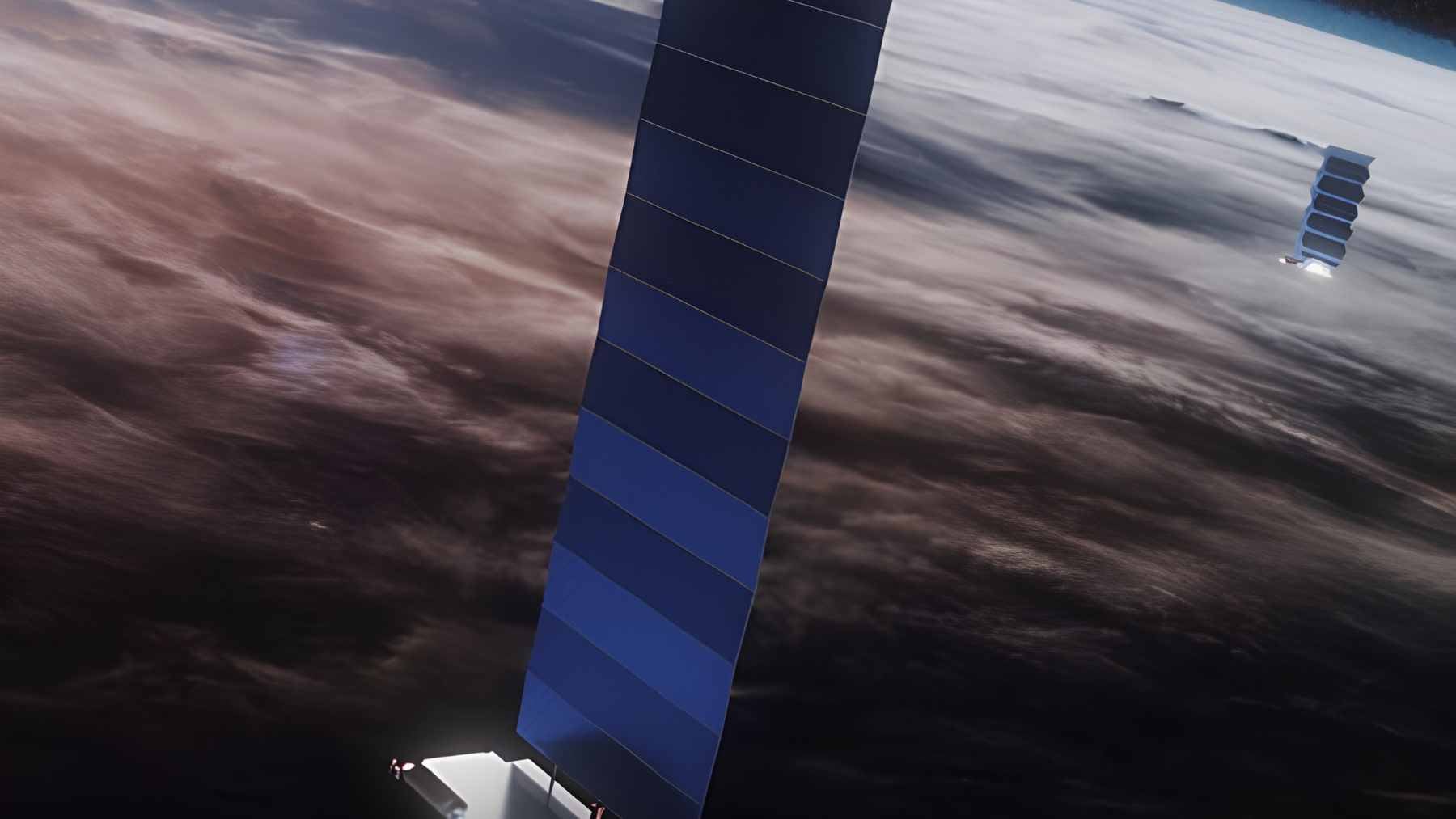
In late August 2024, a bright trail over southern Germany sparked the usual guesses about meteors and “UFOs.” It turned out to be debris from a SpaceX Starlink satellite breaking apart on reentry, the kind of event that looks rare until you learn it is routine.
Today, around 15,000 active satellites circle Earth, and about 10,260 of them are Starlink craft, according to recent tracking data and reporting. That scale is why scientists are asking a new question that feels oddly close to home. When thousands of spacecraft burn up in the thin upper air, what exactly is left behind?
Planned reentry is part of the product
A space consultant quoted by Handelsblatt said “regular crashes” are built into Starlink’s business logic. New satellites go up constantly, older ones get replaced, and many end by intentionally dropping into the atmosphere and disintegrating.
Wall Street is watching because Starlink is a major profit center inside SpaceX. Reuters reported Starlink generated an estimated $11.4 billion in revenue in 2025 and about $4.4 billion in operating profit. Replacement is not a malfunction, it is the model.
Alumina and the ozone question
“Burning up” sounds like the cleanest disposal method, but the chemistry is messy. A 2024 study highlighted by the American Geophysical Union estimated that the demise of a 550-lbs. satellite can produce about 66 lbs. of aluminum oxide nanoparticles.
The researchers also projected that fully deployed megaconstellations could release roughly 400 tons of aluminum oxides per year.
Those particles can provide surfaces that accelerate ozone-destroying reactions, and they are not consumed quickly.
The same study estimates they can take years to drift down toward the ozone-rich stratosphere, meaning today’s reentries can shape tomorrow’s chemistry. It is the invisible kind of pollution that does not show up on an air quality app.
A NOAA research summary of a 2025 modeling study adds a climate angle. In simulations, alumina from frequent reentries could warm parts of the middle atmosphere by about 1.5°C near the poles and slow the Southern Hemisphere polar vortex by about 10%. NOAA also stressed that ozone impacts are still uncertain.
The boom is spreading
Starlink is the biggest constellation, but it is not the only one ramping up. Amazon said its FCC authorization covers a constellation of 3,236 satellites, and Ariane 6 has already carried Amazon Leo batches into low Earth orbit. More networks mean more launches and, eventually, more routine reentries.
The night sky is another pressure point. The Rubin Observatory says satellite streaks can contaminate images for its LSST survey work, while SpaceX has published brightness mitigation guidance for satellite operators. Even if you never use a telescope, it is part of the footprint.
Defense makes the stakes higher
This is not only about streaming and rural broadband. Reuters reported that SpaceX’s Starshield unit is building a spy satellite network for a U.S. intelligence agency under a $1.8-billion contract signed in 2021, a sign that proliferated constellations are now part of modern defense planning.
Reliance can cut both ways. In April 2026, Reuters reported a global Starlink outage disrupted U.S. Navy drone tests off California for almost an hour, exposing a single point of failure when one commercial network becomes a backbone for operations. If governments treat these fleets as essential, the incentive to keep replacing satellites rarely goes away.
Regulation is catching debris, not emissions
In the United States, regulators have tightened orbital debris policy, including a five-year post-mission disposal rule for many low Earth orbit spacecraft.
The goal is to reduce congestion and collision risk by getting dead satellites out of the way faster. But the same rule also normalizes a steady stream of controlled reentries, and atmospheric emissions are not yet a standard part of the licensing conversation.
Europe is trying to close the measurement gap. ESA says it maneuvered two remaining Cluster satellites so they can be observed from a plane during reentries in late August and early September 2026, because direct breakup data is rare and “design for demise” depends on it.
The newest clue is that reentry pollution can be detected and traced, not just modeled.
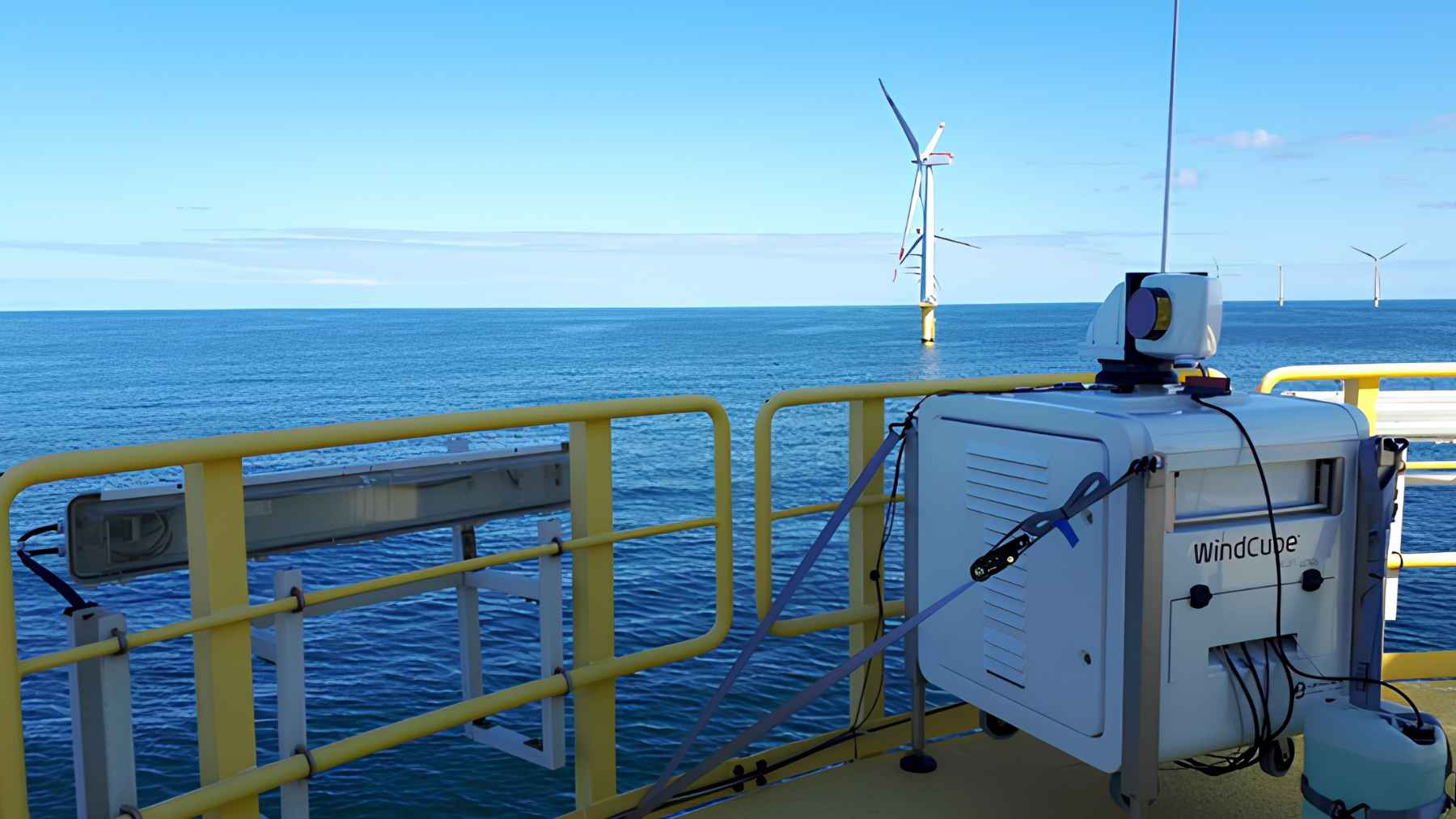
A 2026 paper reported a tenfold spike in lithium atoms detected by lidar over northern Germany about 20 hours after an uncontrolled Falcon 9 upper-stage reentry, and linked it back to the reentry path using atmospheric modeling.
That is a proof of concept for monitoring the byproducts of “burning up.”
What readers should keep in mind
Satellite internet can be a lifeline when storms knock out towers or when remote communities need a backup connection. But the environmental cost is shifting from rocket exhaust on launch day to a slower stream of metals and particles added high above the weather we live in.
Most experts agree dead satellites should be deorbited, and fast, because debris is a real risk. The question is how to measure and limit the atmospheric side effects before the launch pace accelerates again, because the chemistry will not wait for the next regulatory cycle.
The study was published on Communications Earth & Environment.